Artwork
Philip the Good
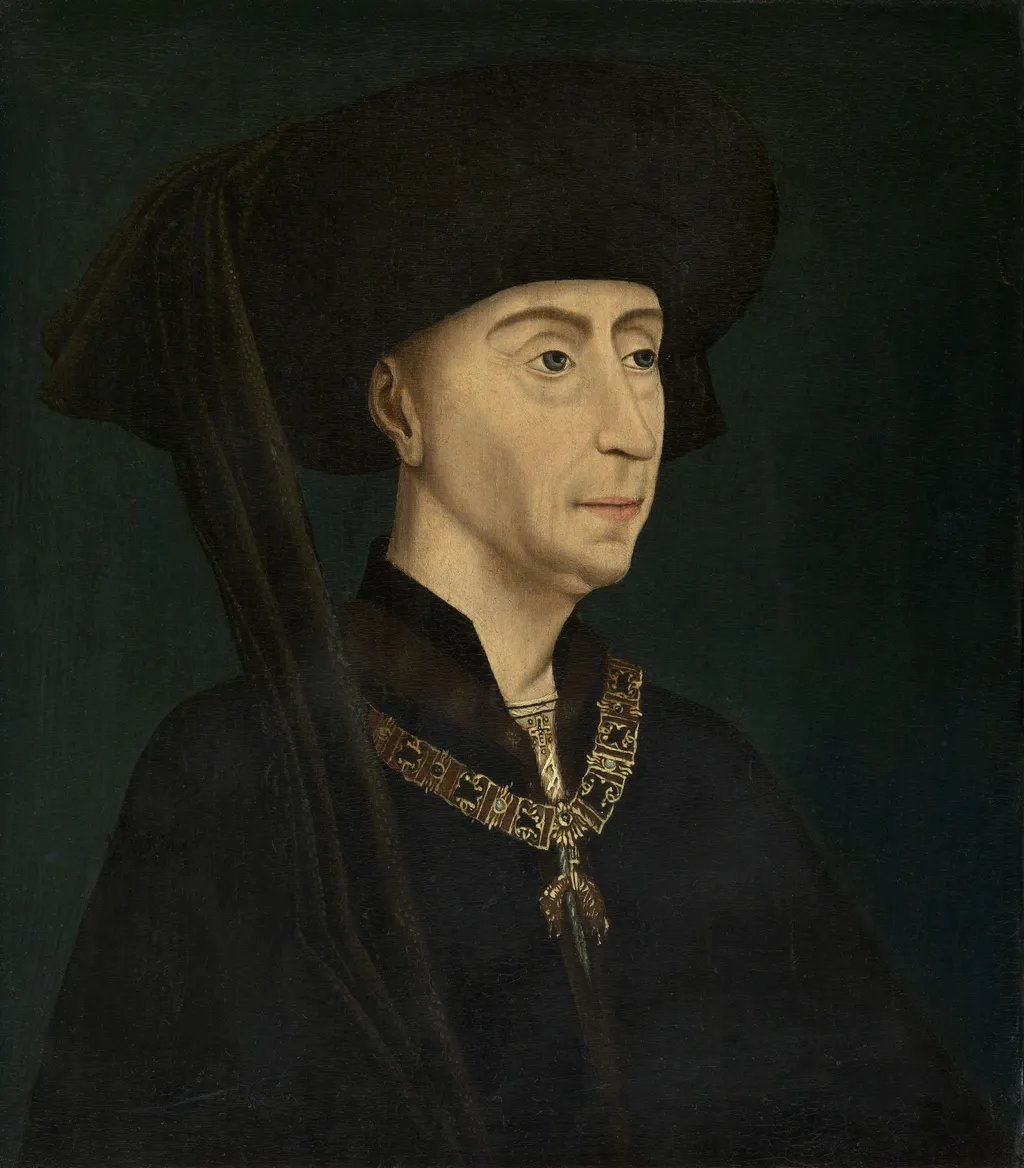
Philip the Good is an oil painting by the Northern Renaissance artist Unknown. It dates from 1496 and is held in the collection of the Royal Museum of Fine Arts Antwerp.
About this work
Overview
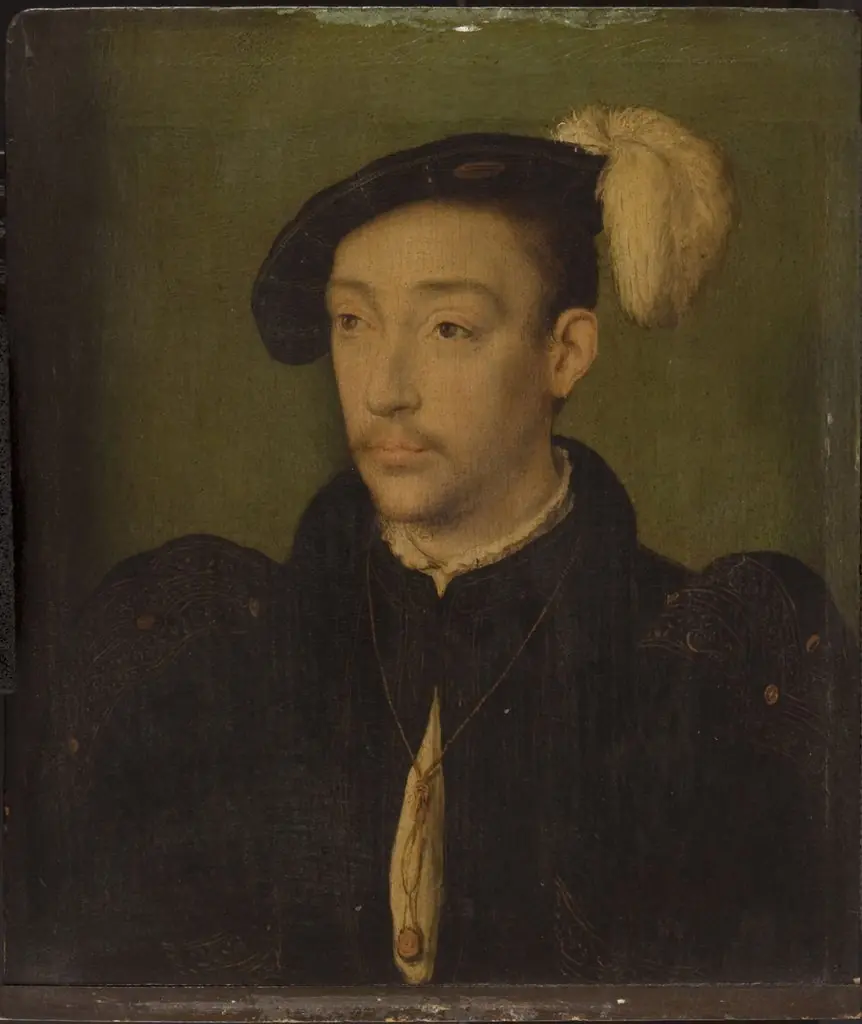
This portrait depicts a man, identified as Philip the Good, set against a somber, dark background. Executed in oil paint, the work emphasizes the subject's solemn demeanor through restrained composition and subtle lighting.
Subject & Meaning
Philip the Good, likely the Duke of Burgundy, is portrayed with symbols of authority, notably a gold chain, conveying his high status. His serious expression and attire suggest a representation of power and gravity.
Technique & Style
The painting utilizes chiaroscuro, with smooth oil paint application, to create dramatic depth. Soft, focused lighting illuminates the subject's face, highlighting his features against the dark, nondistracting backdrop.
Context
The use of chiaroscuro and the emphasis on conveying power through minimal ornamentation reflect artistic trends of the time, possibly influenced by early Netherlandish or Renaissance practices.
Legacy
While specific influence is not detailed here, the portrait's style and technique place it within a broader tradition of European portraiture that valued the depiction of wealth and authority through subtle, yet effective, visual elements.
Artist & collection

 Domestic Scene
 Giacomo and Cardinal Marco, investing Andrea, Abbot of San Zeno, with his Benefice
 The Nymph of Fontainebleau
 Portrait of a Woman
 Madonna and Child with Saints in the Enclosed Garden
 Venus and Minerva
 Family Group of Four on Sofa
 Wall painting from Room H of the Villa of P. Fannius Synistor at Boscoreale
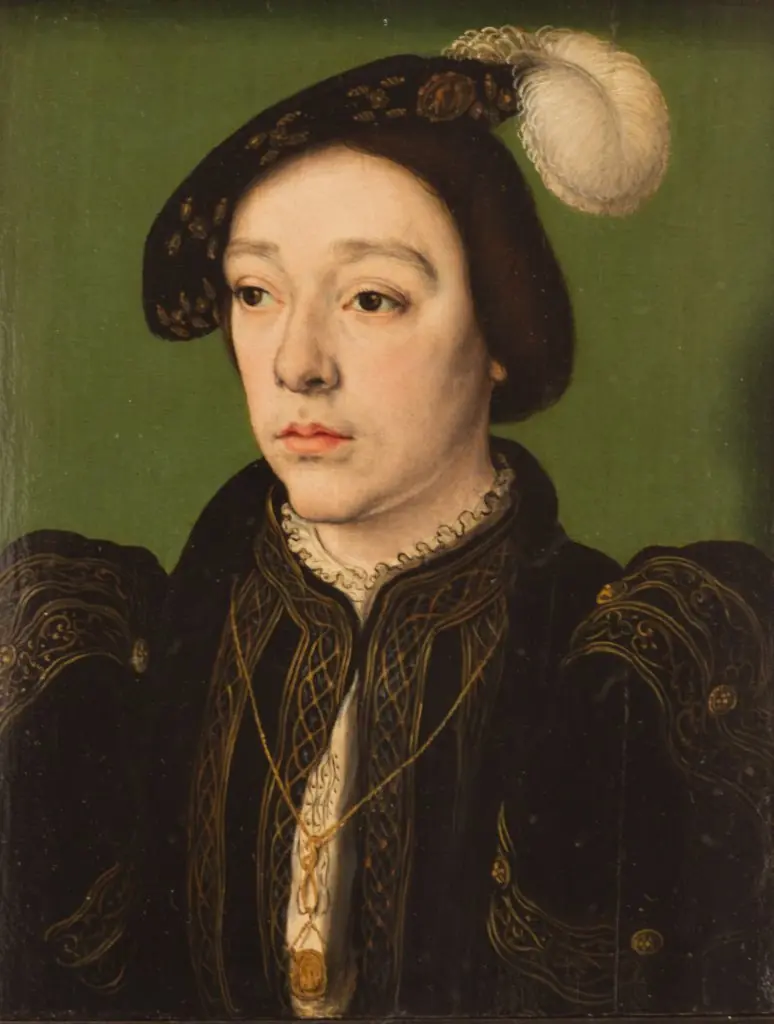 Portrait of Duke Charles of Angoulême
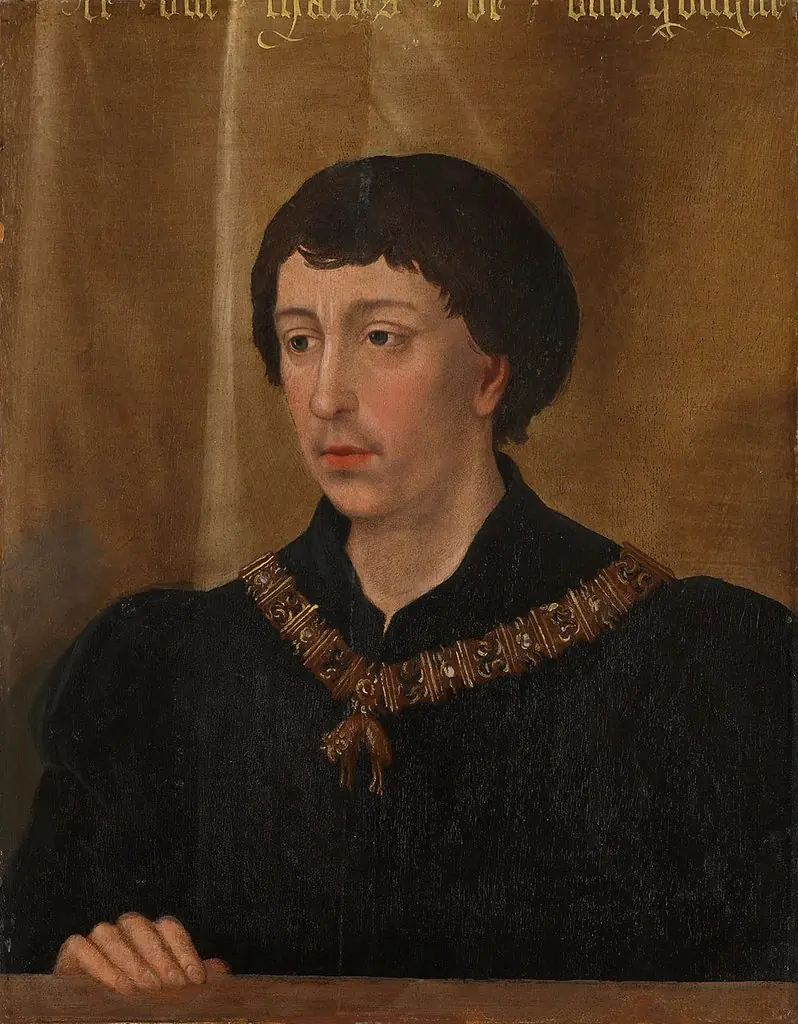 Herzog Karl der Kühne (1433-1477) von Burgund
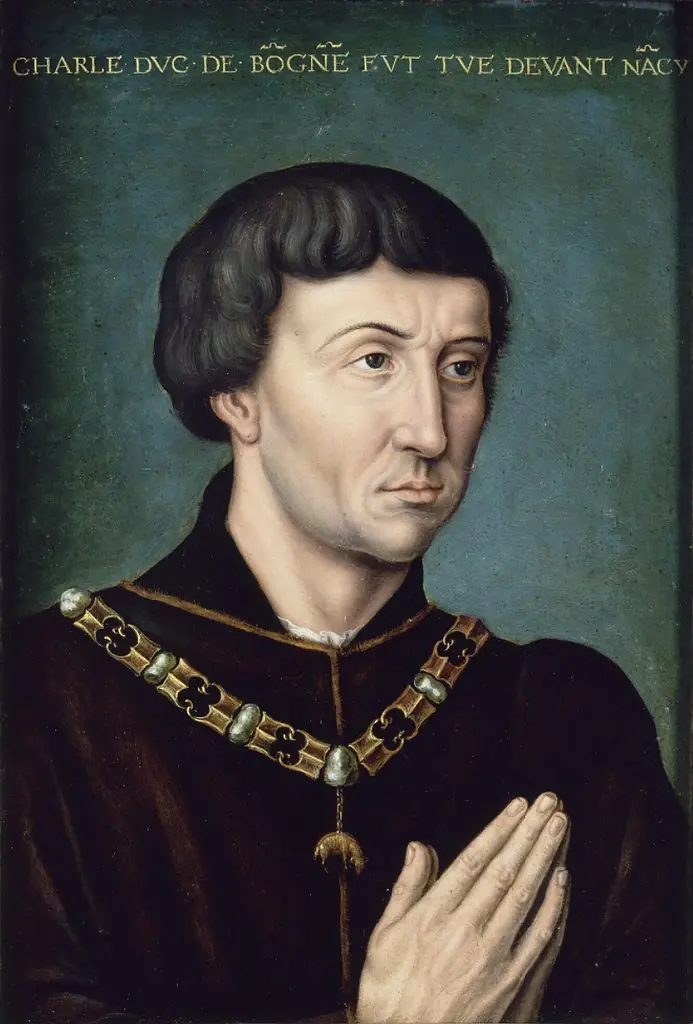 Portrait of Charles the Bold, Duke of Burgundy (1433-1477)
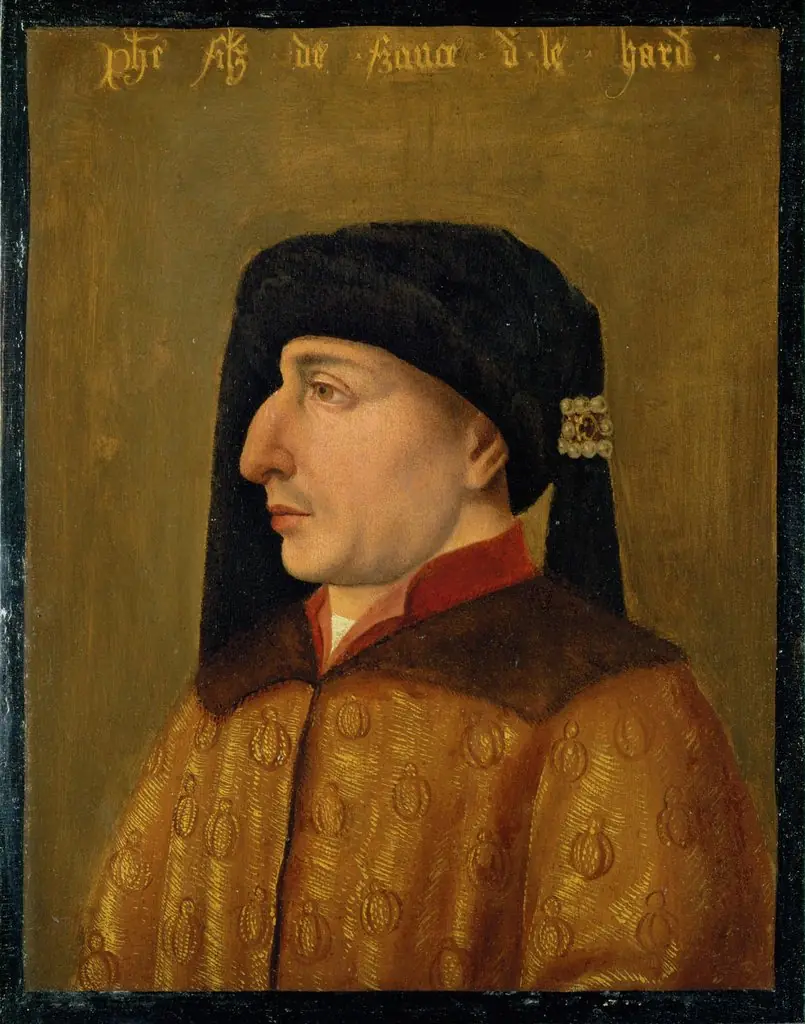 Herzog Philipp der Kühne (1342-1404) von Burgund im Profil
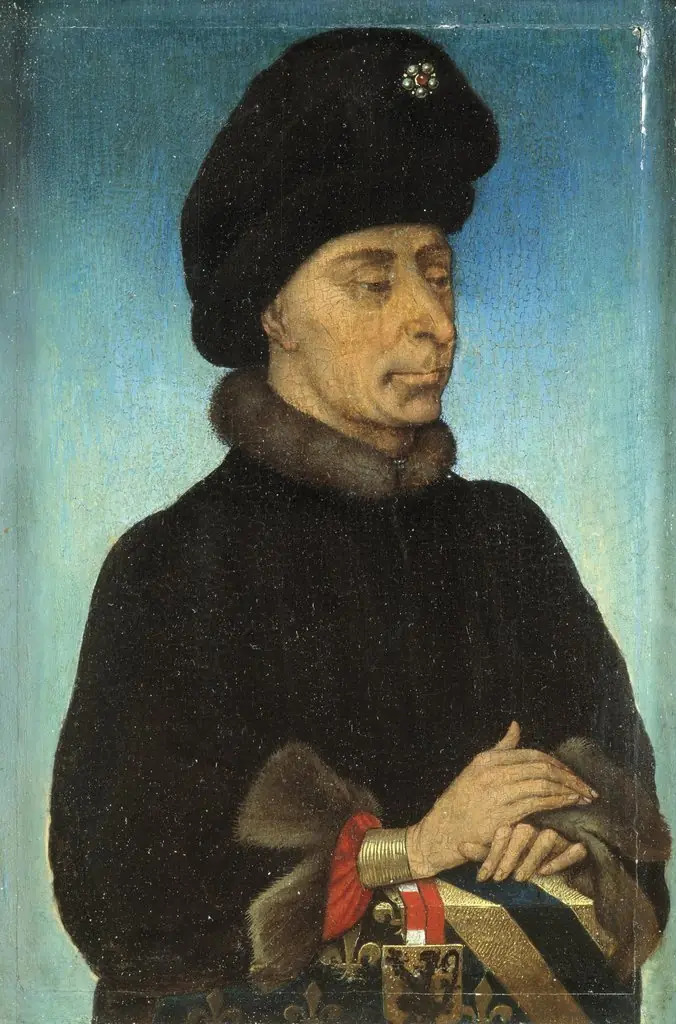 John the Fearless, Duke of Burgundy
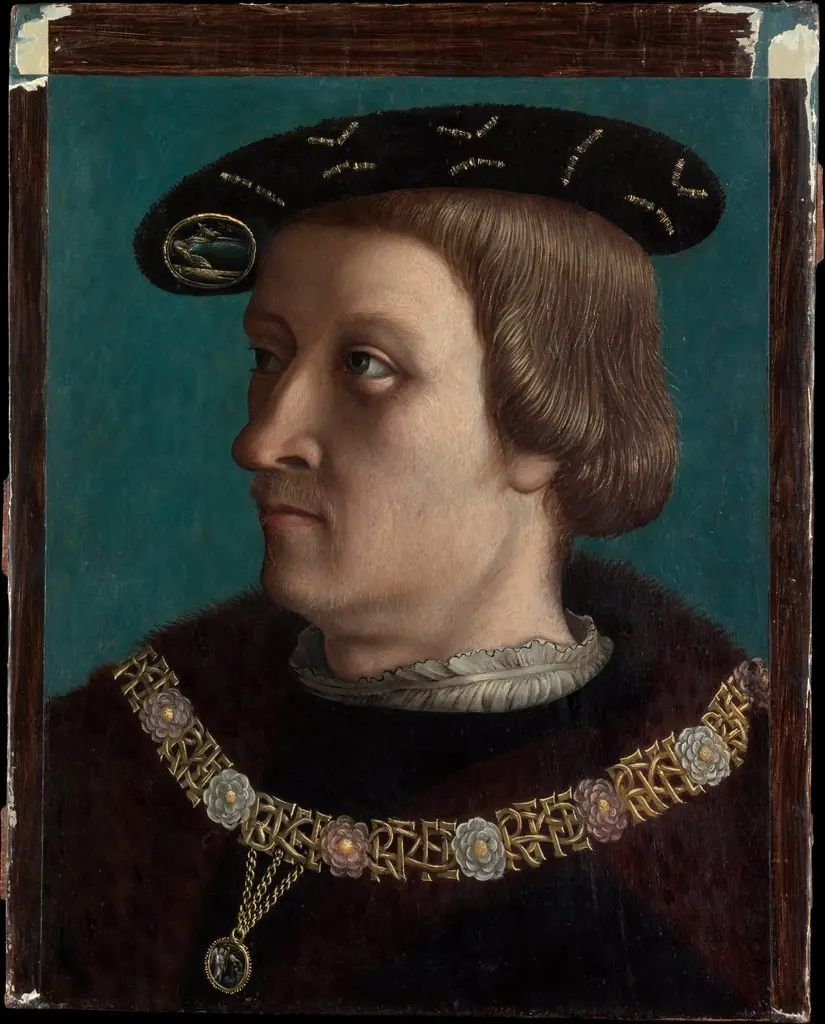 Portrait of a Man Wearing the Order of the Annunziata of Savoy
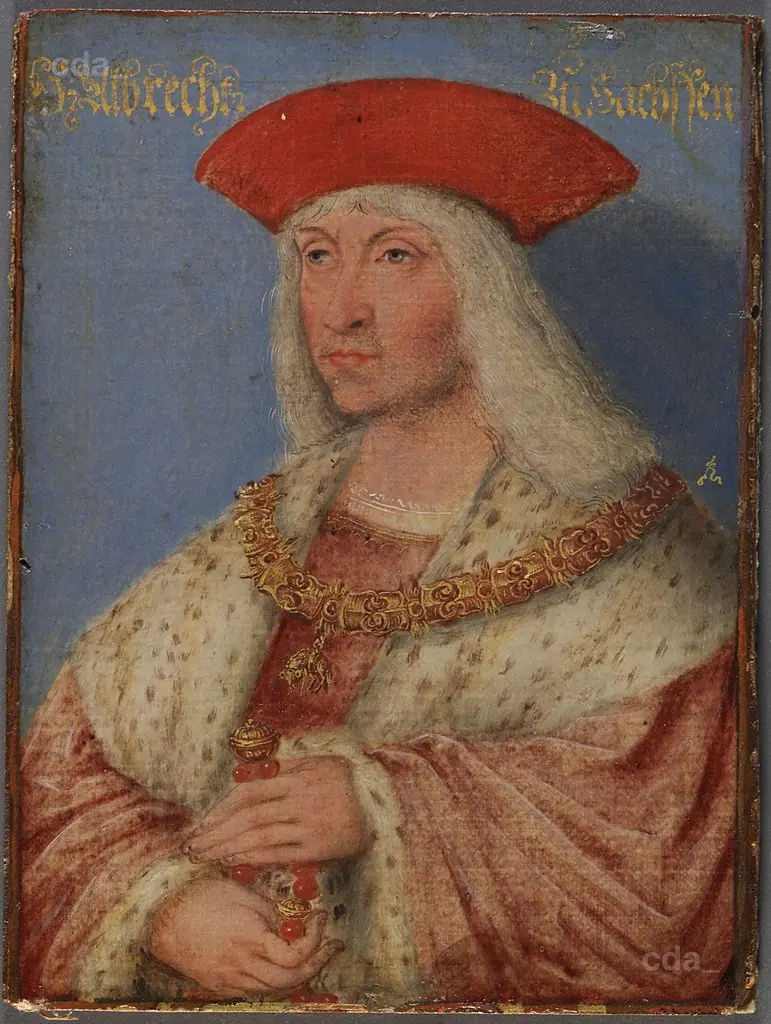 Albrecht the Bold, son of Friedrich II., died 1500
 Portrait of the Dauphin Francis, Son of Francis I