Artwork
Herzog Karl der Kühne (1433-1477) von Burgund
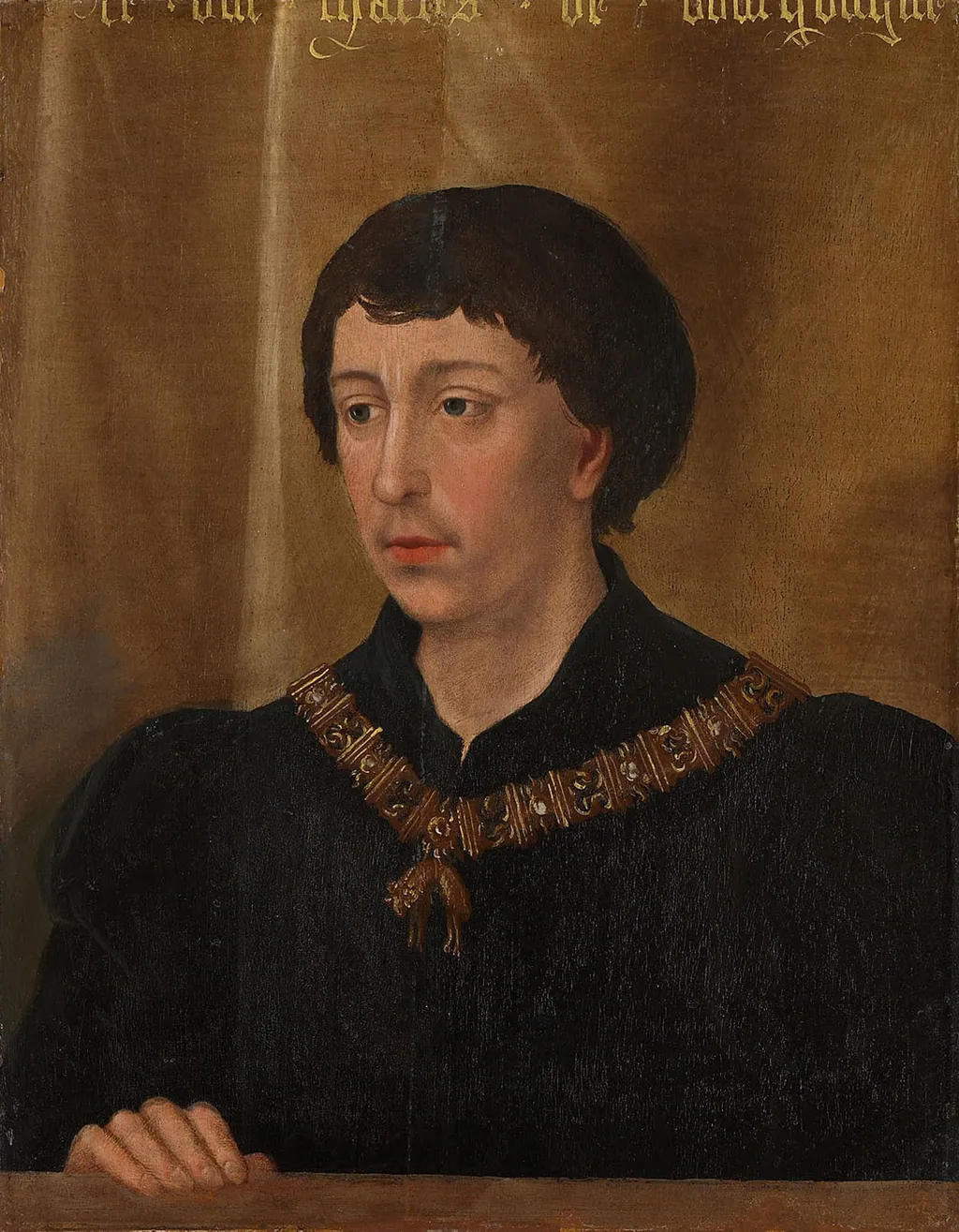
Herzog Karl der Kühne (1433-1477) von Burgund is an unspecified painting by the Northern Renaissance artist Unknown. It dates from 1500 and is held in the collection of the Kunsthistorisches Museum. This portrait depicts Charles the Bold, Duke of Burgundy, a powerful 15th-century ruler known for his ambitious territorial expansions.
About this work
Overview
This portrait depicts Charles the Bold, Duke of Burgundy, a powerful 15th-century ruler known for his ambitious territorial expansions.
This portrait depicts Charles the Bold, Duke of Burgundy, a powerful 15th-century ruler known for his ambitious territorial expansions. Rendered in oil on panel, the image presents him in formal attire against a muted brown background. His expression is stern and composed, reflecting the gravity of his position. The composition emphasizes stillness and authority, typical of noble portraiture in the Burgundian court.
Subject & Meaning
Charles the Bold is shown wearing a black robe and a gold chain, likely the Order of the Golden Fleece, a prestigious chivalric order he inherited. The chain signifies his noble status and political alliances. His hand resting on a ledge suggests control and composure. The absence of elaborate surroundings focuses attention on his presence, reinforcing the image of a ruler defined by dignity and resolve rather than opulence.
Technique & Style
The artist employs chiaroscuro to model the duke’s face and garments, using subtle gradations of light and shadow to create volume and depth. The warm brown background recedes, enhancing the three-dimensionality of the figure. Brushwork is precise but restrained, avoiding decorative flourish. The effect is one of quiet realism, characteristic of Early Netherlandish portraiture, where psychological presence outweighs theatricality.
History & Provenance
The painting likely originated in the Burgundian court during Charles’s lifetime, possibly commissioned to assert his status among European nobility. It remained in regional collections after his death in 1477, following the dissolution of his territorial ambitions. Its survival through centuries suggests it was valued as a historical record rather than a decorative object, though its exact early ownership remains undocumented.
Context
Charles ruled Burgundy during a period of intense political maneuvering between France and the Holy Roman Empire. Portraits like this served as tools of political identity, circulating among courts to project legitimacy. The restrained style contrasts with the flamboyance of later Renaissance portraiture, reflecting the Burgundian preference for understated authority and religious solemnity in public representation.
Legacy
The portrait endures as a visual anchor for understanding Burgundian leadership in the late Middle Ages. Its quiet intensity influenced later Northern European portraiture, particularly in its focus on psychological presence over symbolic excess. Though not widely reproduced, it remains a key reference for scholars studying the material culture and self-representation of secular rulers before the full emergence of the Renaissance ideal.
Artist & collection

 Domestic Scene
 Giacomo and Cardinal Marco, investing Andrea, Abbot of San Zeno, with his Benefice
 The Nymph of Fontainebleau
 Portrait of a Woman
 Madonna and Child with Saints in the Enclosed Garden
 Venus and Minerva
 Family Group of Four on Sofa
 Wall painting from Room H of the Villa of P. Fannius Synistor at Boscoreale
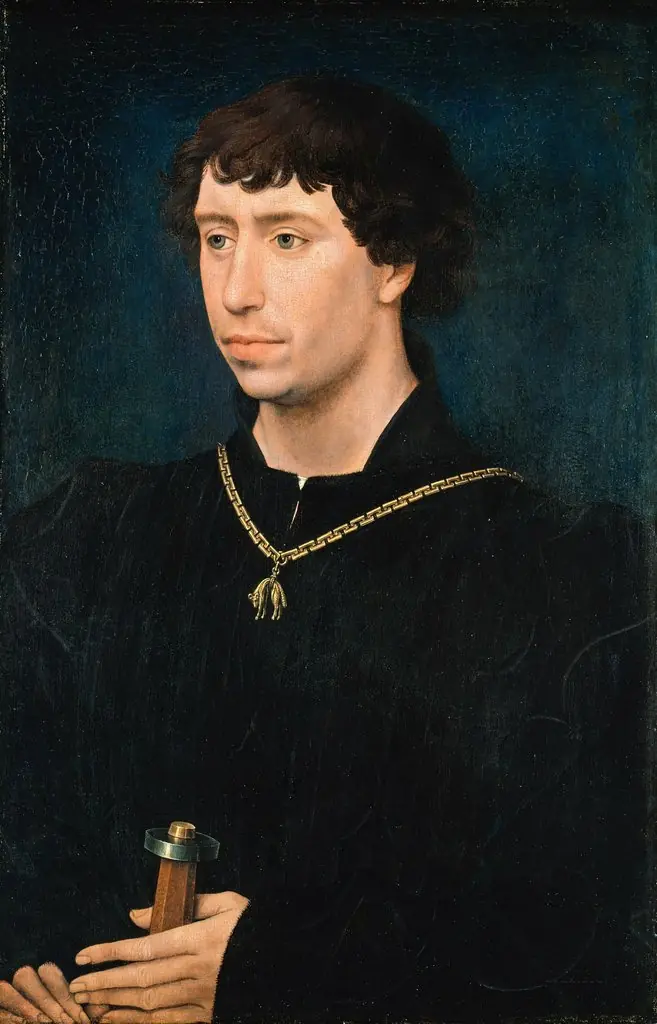 Portrait of Charles the Bold
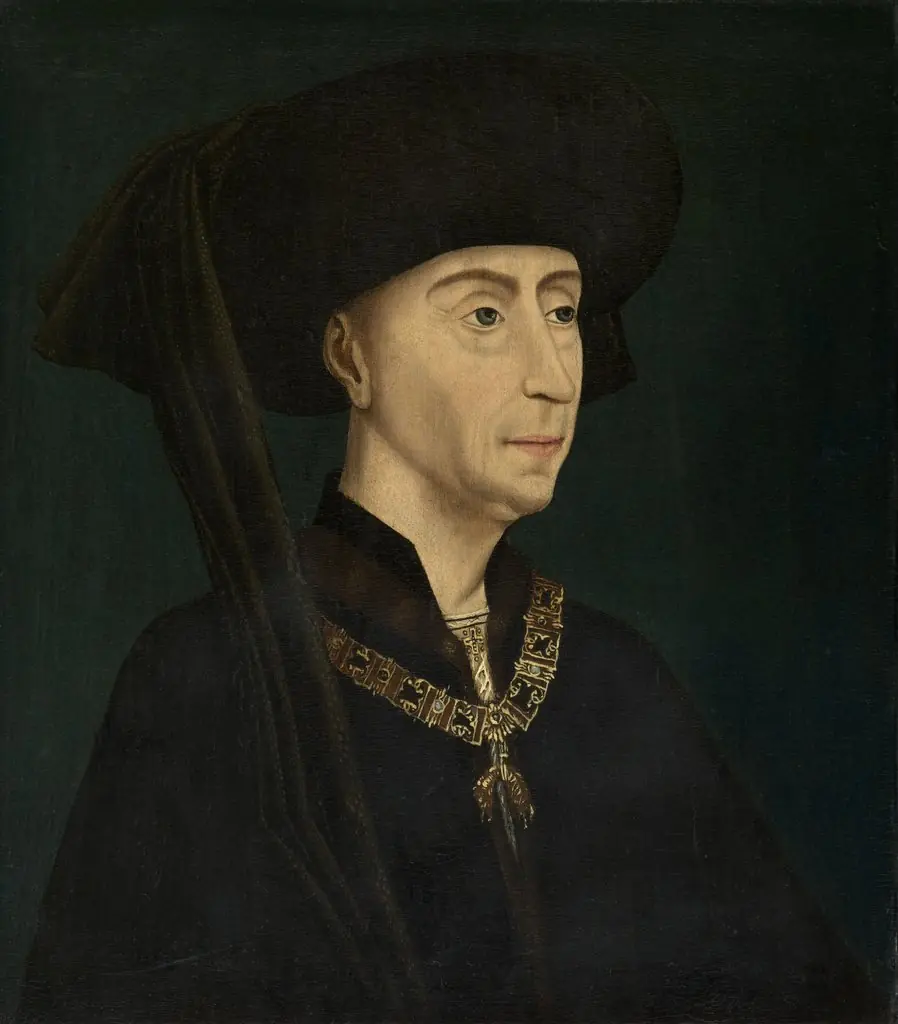 Philip the Good
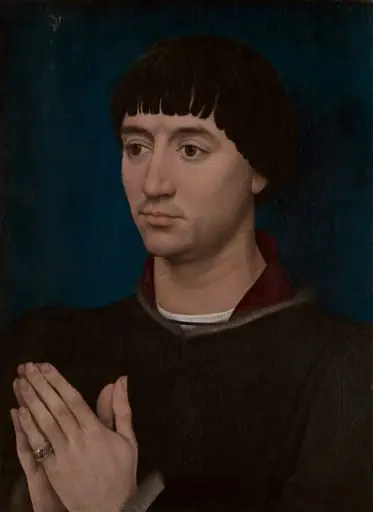 Portrait of Jean Gros (recto); Coat of Arms of Jean Gros (verso)
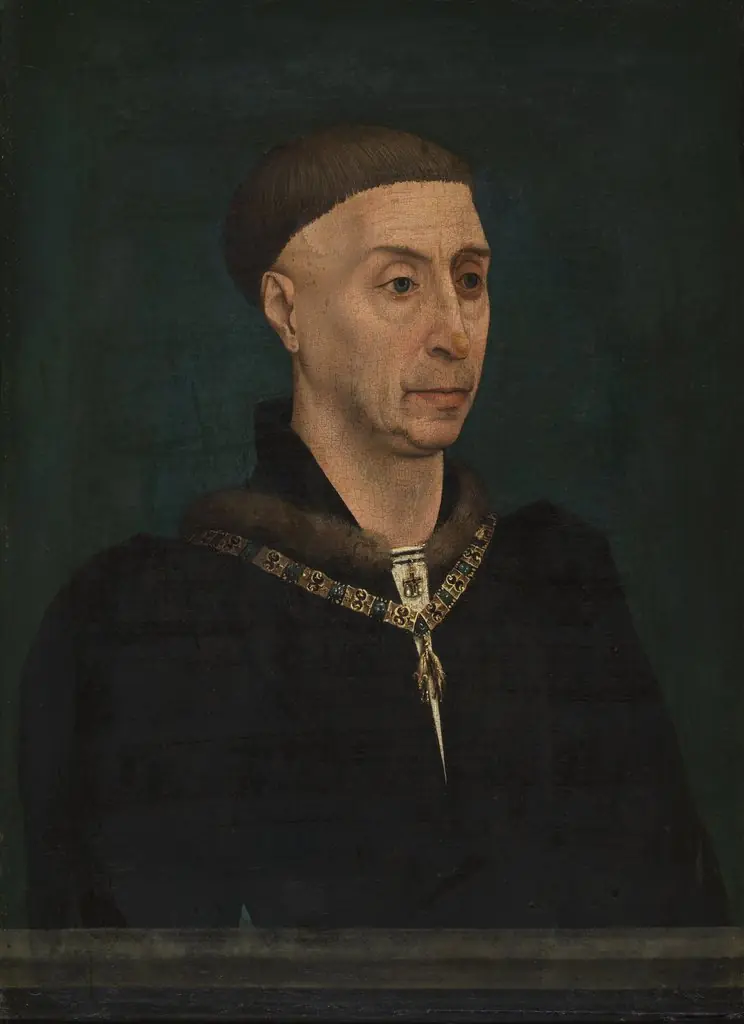 Philip the Good
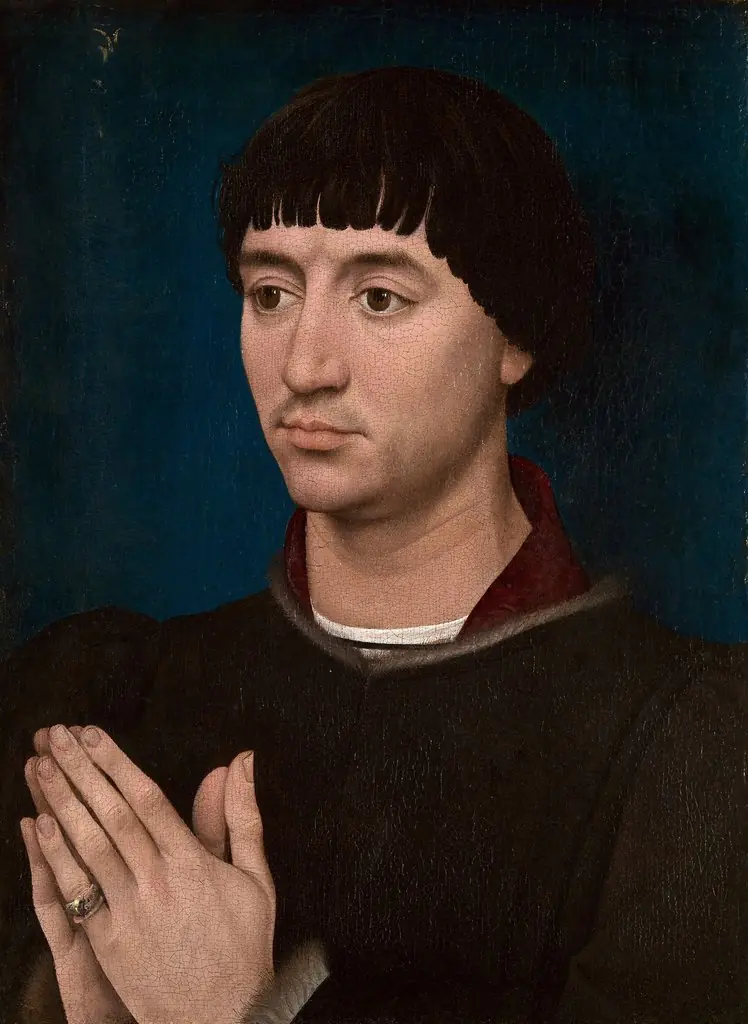 Portrait of Jean Gros
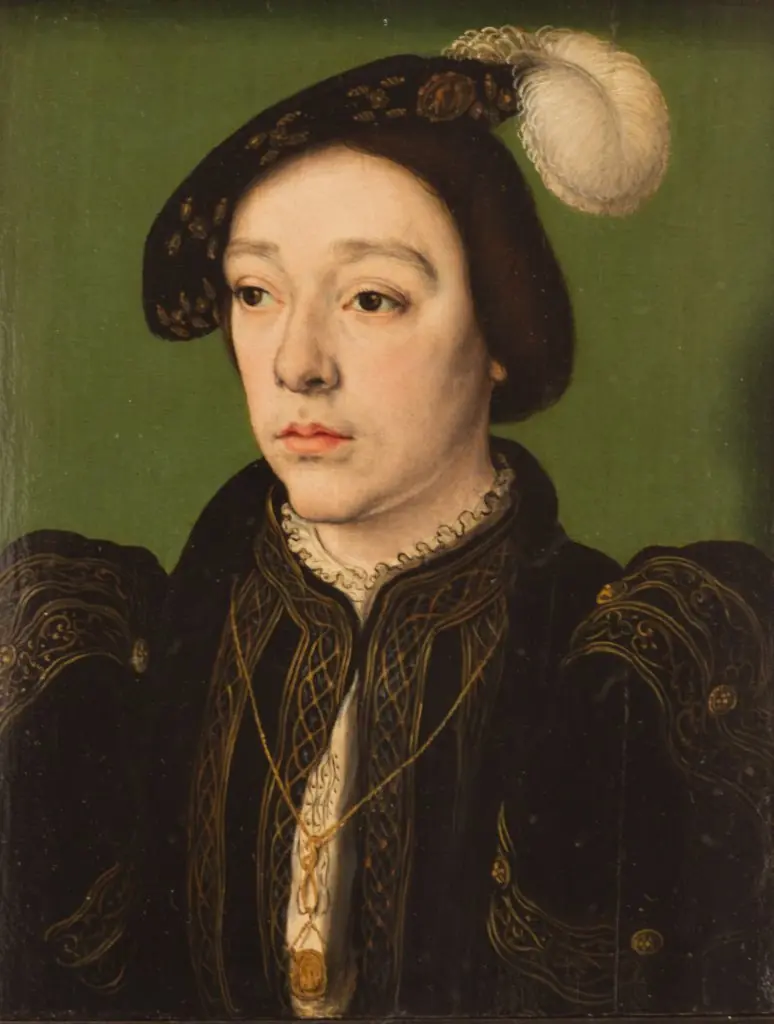 Portrait of Duke Charles of Angoulême
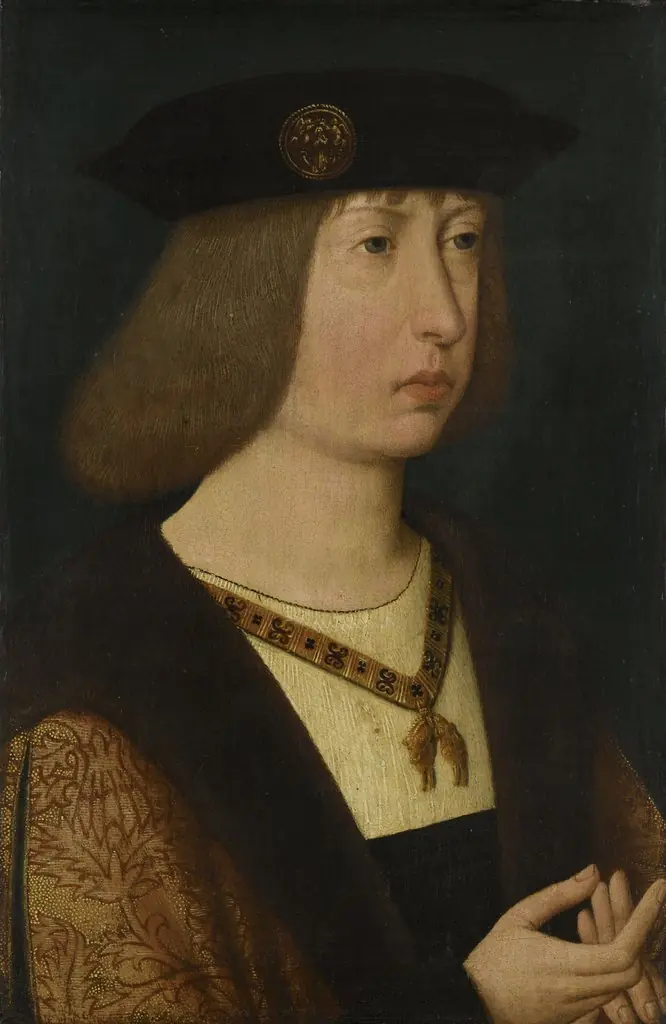 Portrait of Philipp I
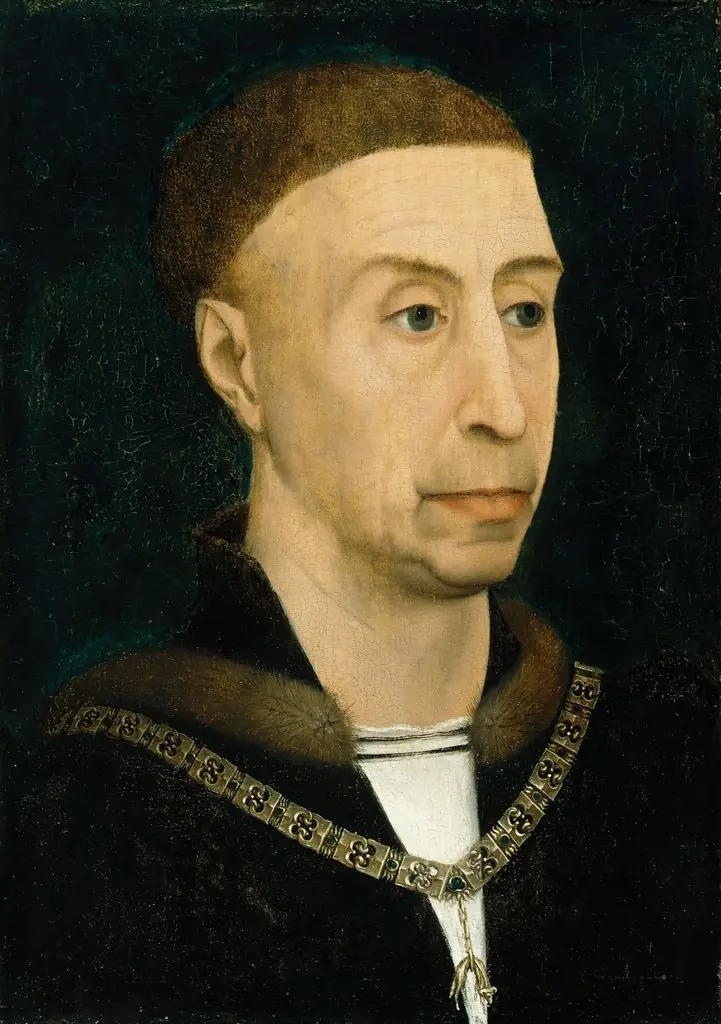 Portrait of Philip the Good, Duke of Burgundy
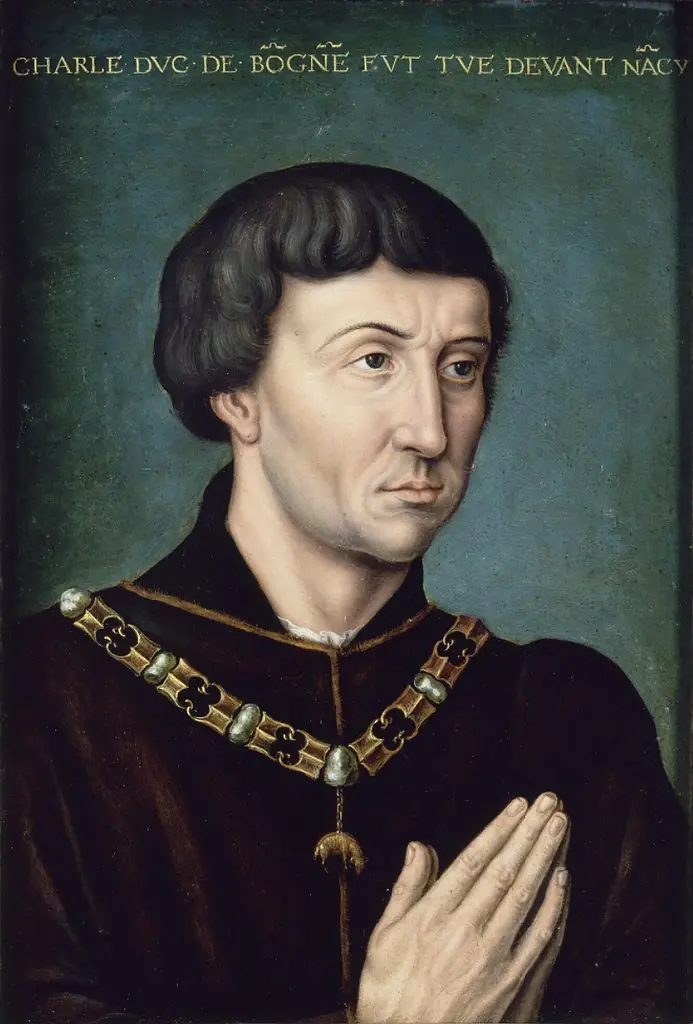 Portrait of Charles the Bold, Duke of Burgundy (1433-1477)