Artwork
Frauenporträt mit dunklem Haar
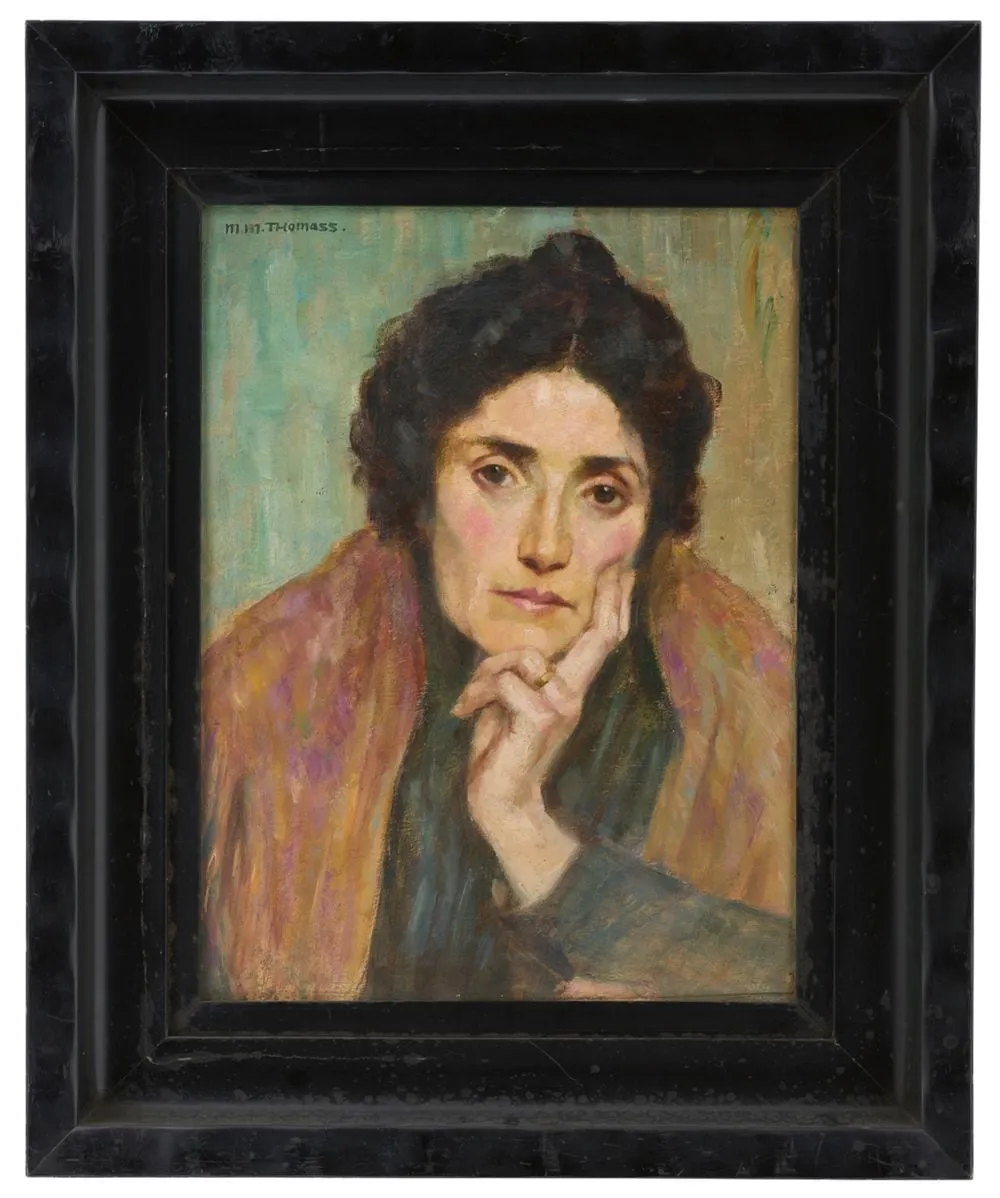
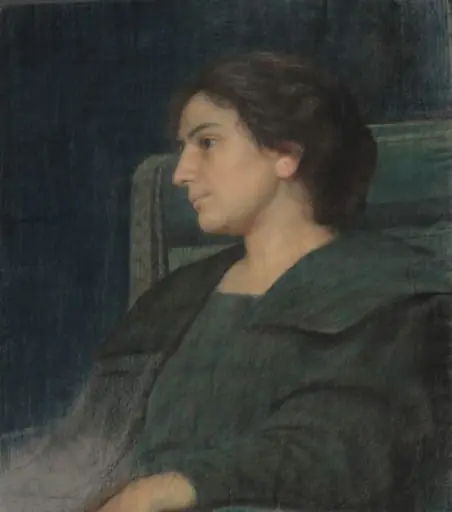
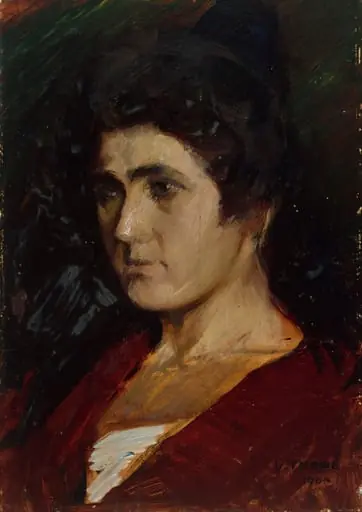
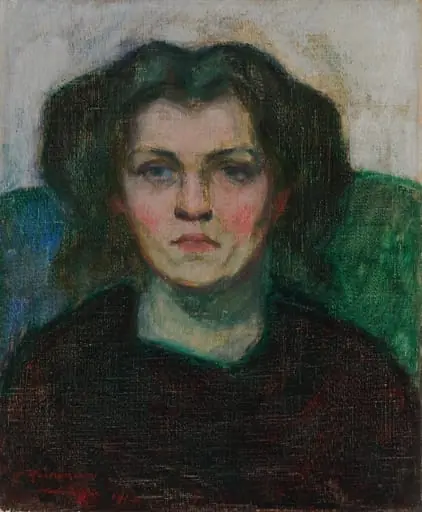
Frauenporträt mit dunklem Haar is a drawing by Thomass, Paula Maria Margarethe. It dates from 1985 and is held in the collection of the City Museums Freiburg. This portrait depicts a woman with dark hair, gazing directly at the viewer with a quiet, somber expression.
About this work
Overview
The medium and composition suggest a deliberate restraint, typical of early 20th-century portraiture in Central Europe.
This portrait depicts a woman with dark hair, gazing directly at the viewer with a quiet, somber expression. Executed in soft pastel tones, the work emphasizes subtle gradations of color and light. A deep, dark frame surrounds the image, enhancing the luminosity of the face and creating a sense of intimate focus. The medium and composition suggest a deliberate restraint, typical of early 20th-century portraiture in Central Europe.
Subject & Meaning
The sitter’s direct gaze and subdued demeanor evoke introspection rather than narrative. Her expression resists easy interpretation—neither sorrowful nor serene, but quietly contemplative. The absence of contextual details or symbolic elements shifts attention entirely to her presence, suggesting a psychological portrait rooted in mood rather than identity. The effect is one of quiet solitude, amplified by the framing and tonal harmony.
Technique & Style
The artist employed pastels to achieve a delicate, atmospheric quality, blending hues softly to model form without harsh lines. The dark surrounding frame intensifies the luminosity of the face, a compositional choice echoing the tonal contrasts found in the work of Ferdinand Hodler. Subtle cross-hatching may be present in the shadows, contributing to depth without disrupting the overall softness of the surface.
History & Provenance
Little is documented about the artist, Thomass. Records indicate she lived in Freiburg from 1927 until her death in 1939 and spent time in Italy, but details of her training, exhibitions, or artistic circle remain obscure. The portrait’s origin and early ownership are unverified, and no known catalogues or contemporary reviews reference this specific work, leaving its creation context largely unknown.
Context
Created in the interwar period, the portrait reflects a broader European trend toward psychological portraiture, where emotional nuance replaced overt narrative. Artists in German-speaking regions often explored introspective subjects using muted palettes and intimate compositions. Thomass’s work aligns with this current, though her individual position within it remains undefined due to limited archival material.
Legacy
As one of the few surviving works attributed to Thomass, this portrait stands as a quiet testament to a largely undocumented artistic practice. Its preservation offers insight into the quiet, personal modes of expression pursued by women artists in early 20th-century Central Europe, whose contributions often escaped institutional recognition. The work endures as a solitary example of a vanished creative voice.