Artwork
Landscapes and Figures: Landscape
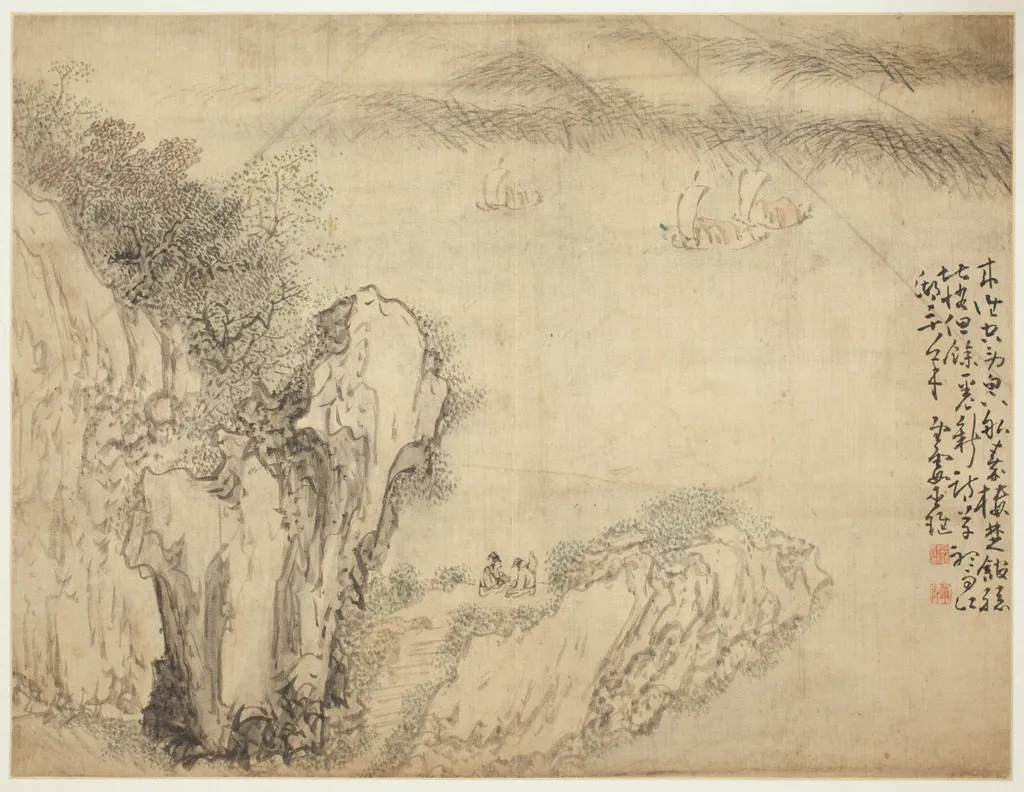
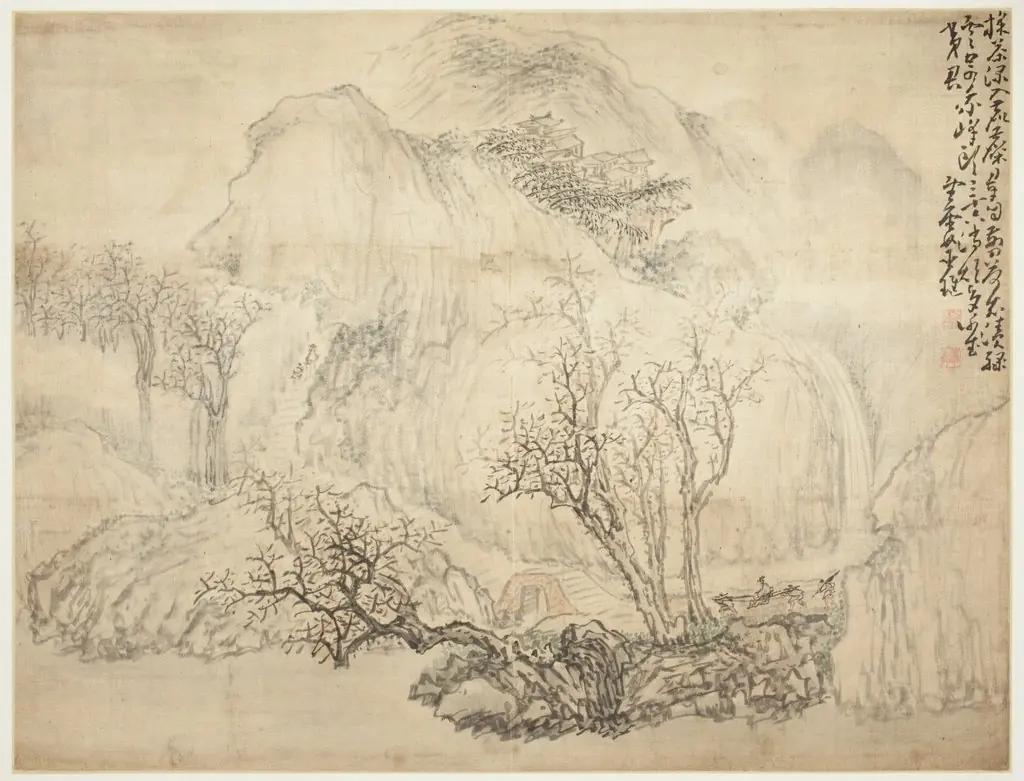
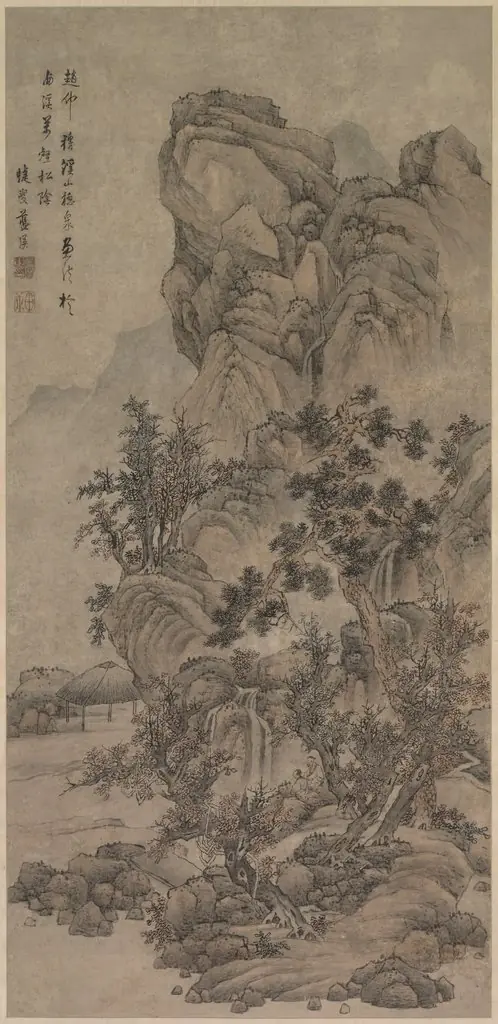
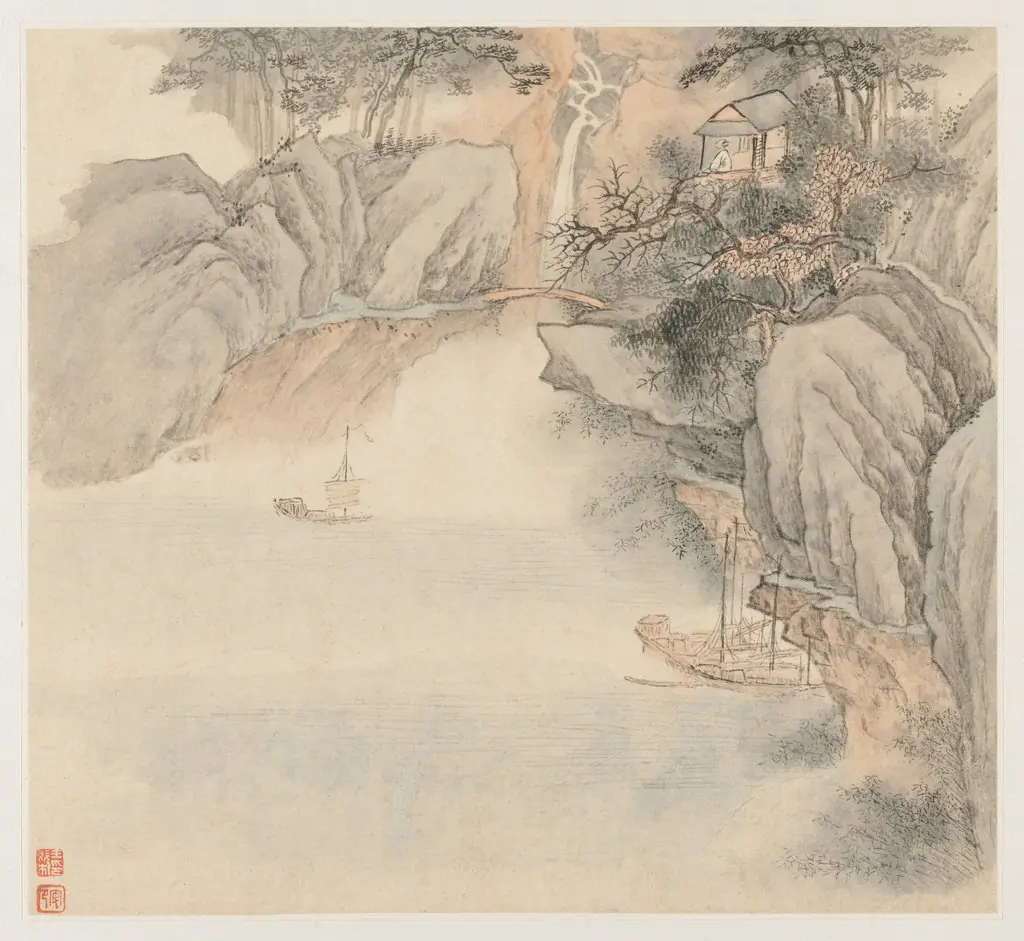
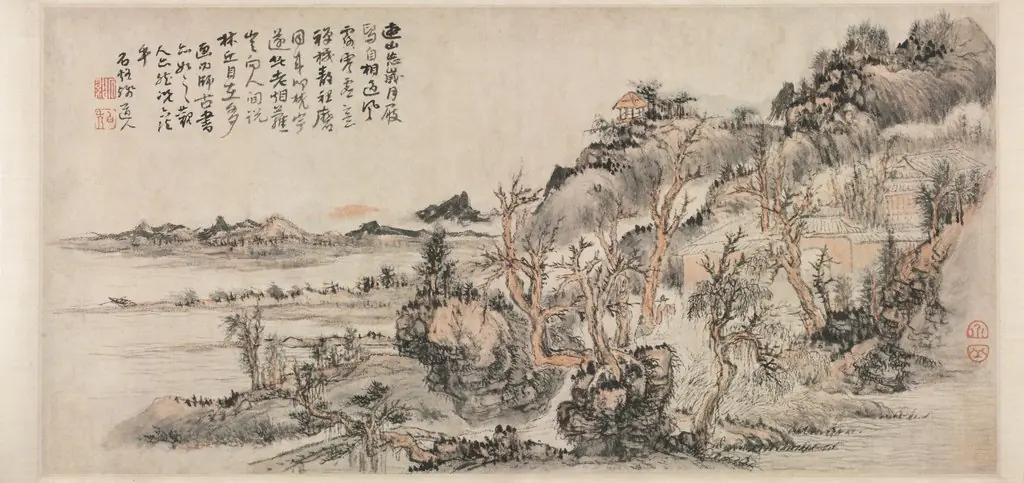
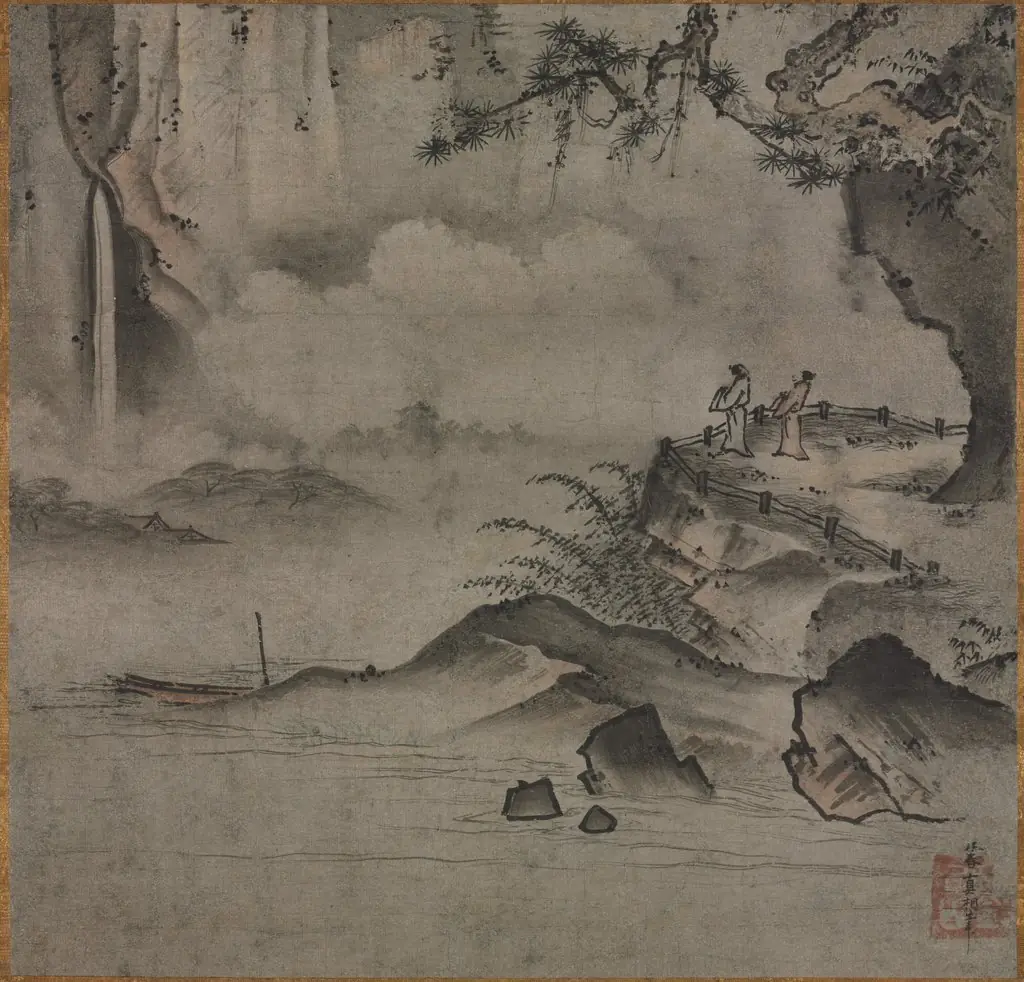
Landscapes and Figures: Landscape is an unspecified painting by the Rococo painting artist Huang Shen. It dates from 1750 and is held in the collection of the Detroit Institute of Arts.
About this work
Overview
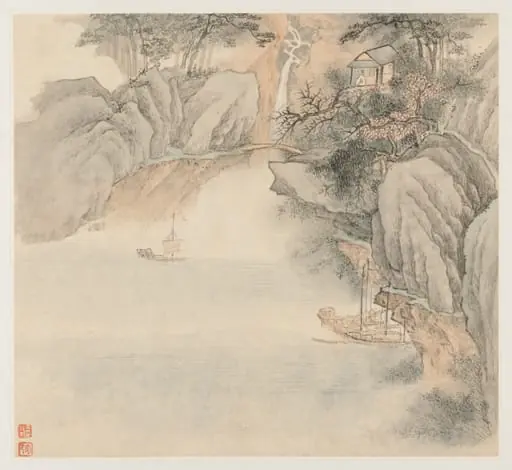
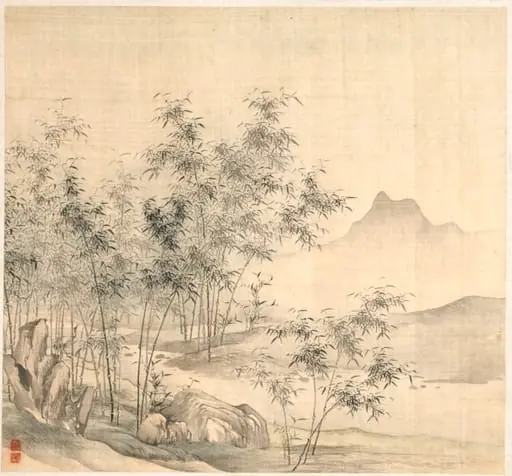
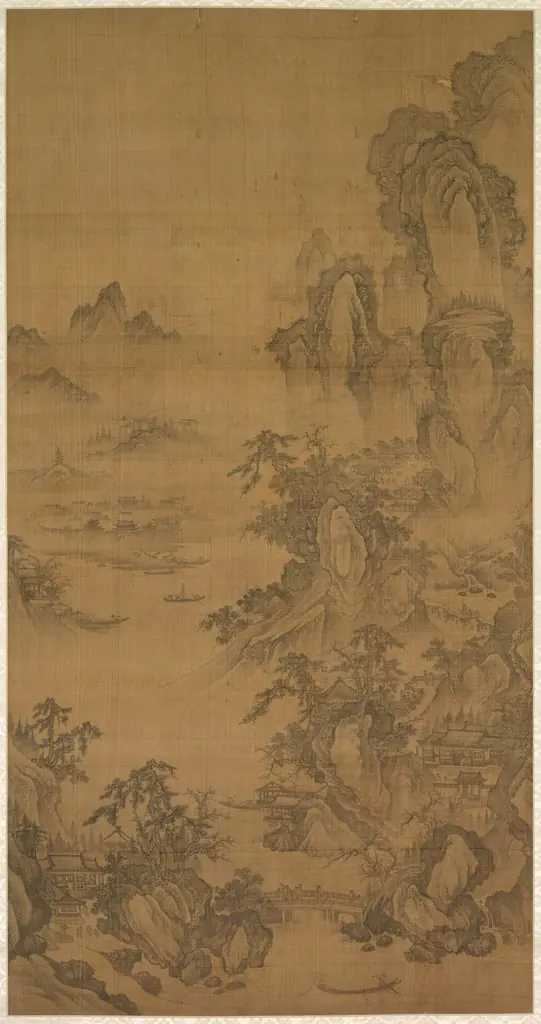
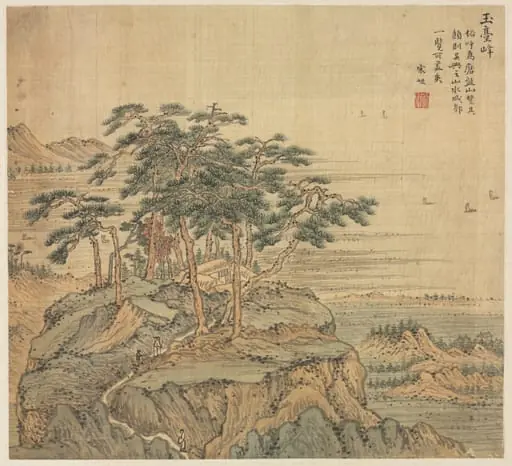
Created around 1750 by Qing Dynasty painter Huang Shen, *Landscapes and Figures: Landscape* is a painting that combines natural scenery with human presence. Characterized by expressive brushwork and a nuanced play of light and shadow, the work reflects the artist's evolution in style.
Subject & Meaning
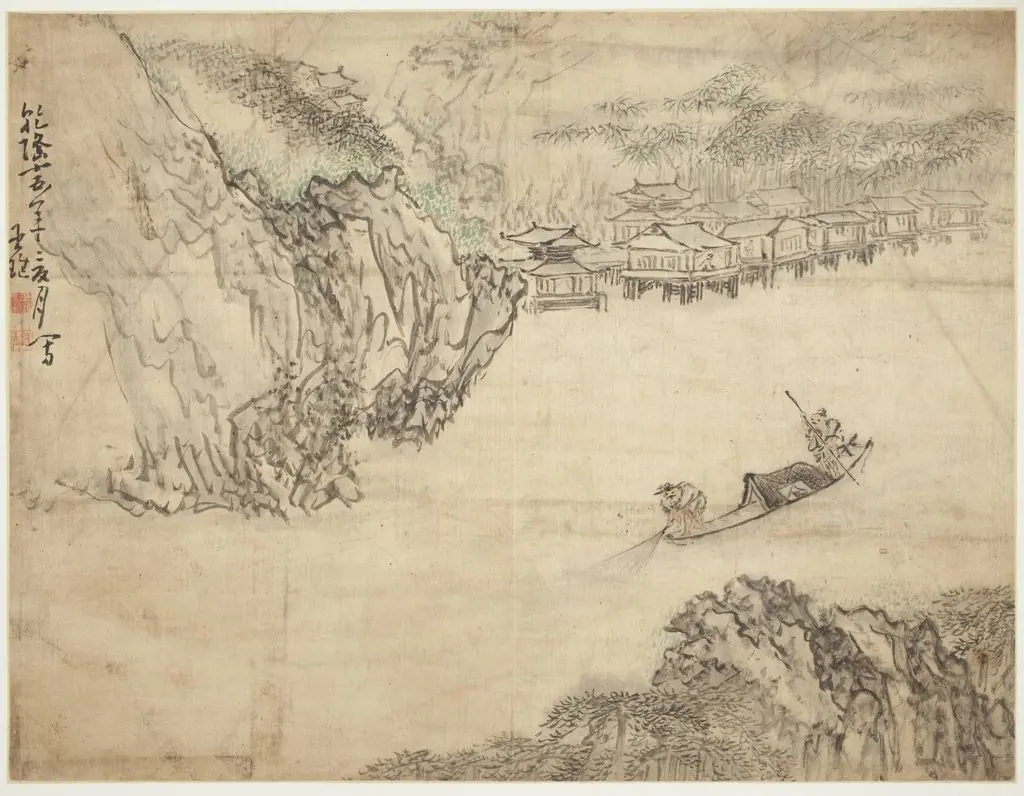
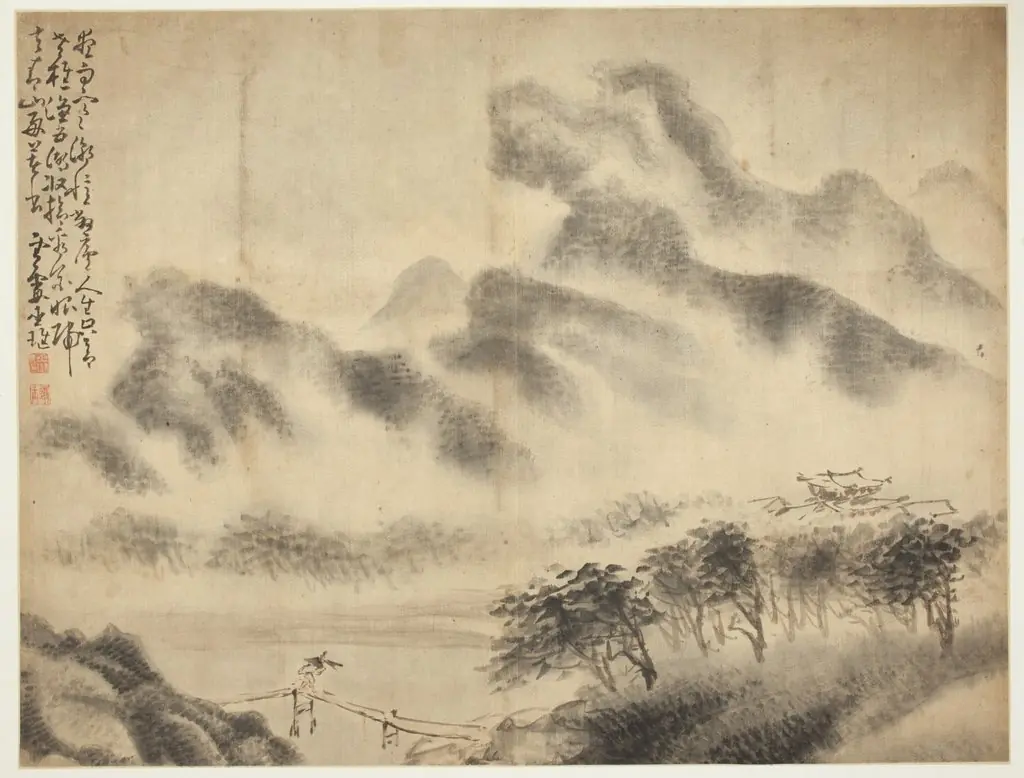
The painting depicts a serene landscape with a rocky cliffside, trees, and a distant body of water, populated by several figures, likely fishermen or travelers, near the water's edge. The scene conveys a sense of everyday life within a natural setting.
Technique & Style
Huang Shen's use of loose, expressive brushstrokes and manipulation of light and shadow to create depth and atmosphere distinguish the work. Initially trained in a meticulous style, this piece shows his departure towards a more fluid technique, aligning with the expressive tendencies of the Eight Eccentrics of Yangzhou.
History & Provenance
Born in 1687 in Fujian province, Huang Shen was influenced by his training under Shangguan Zhou and the early influence of Ni Zan's style. *Landscapes and Figures: Landscape* is now part of the collection at the Detroit Institute of Arts.
Context
While described in a broader context related to the rococo movement, the painting's style is more closely tied to Chinese artistic traditions of the Qing Dynasty, particularly the innovative approaches of the Eight Eccentrics of Yangzhou.
Legacy
As one of the Eight Eccentrics of Yangzhou, Huang Shen's work, including *Landscapes and Figures: Landscape*, contributes to the understanding and appreciation of Qing Dynasty art's diverse and expressive qualities.
Own this work as a print
Artist & collection
Artist
Huang Shen (1687–1772) was a Chinese painter during the Qing Dynasty. Huang was born in Ninghua, Fujian province, to a poor family. His courtesy names were Gongshou (恭壽) and Gongmao (恭懋). His pseudonym was Yingpiaozi…