Artwork
Peasant Dwelling-Place
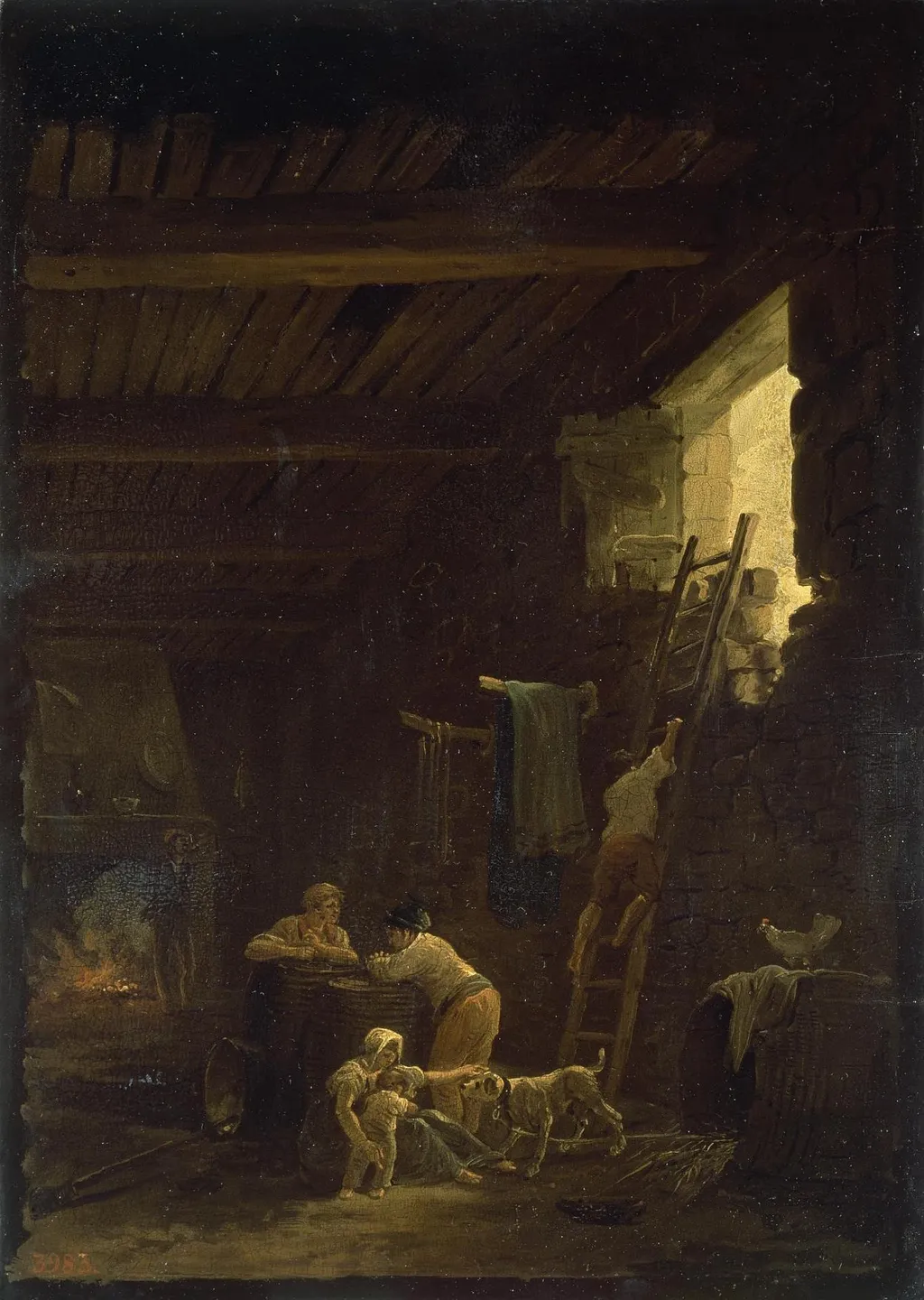
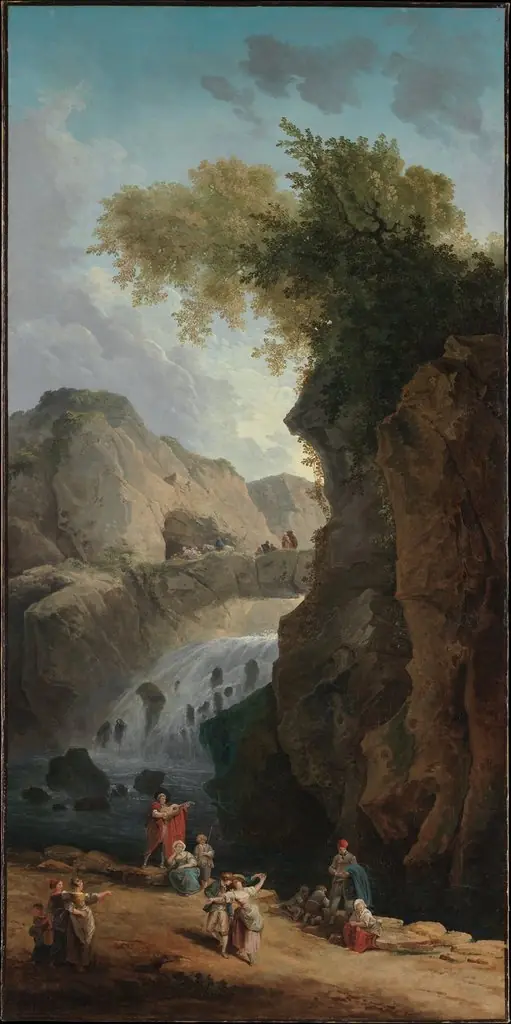
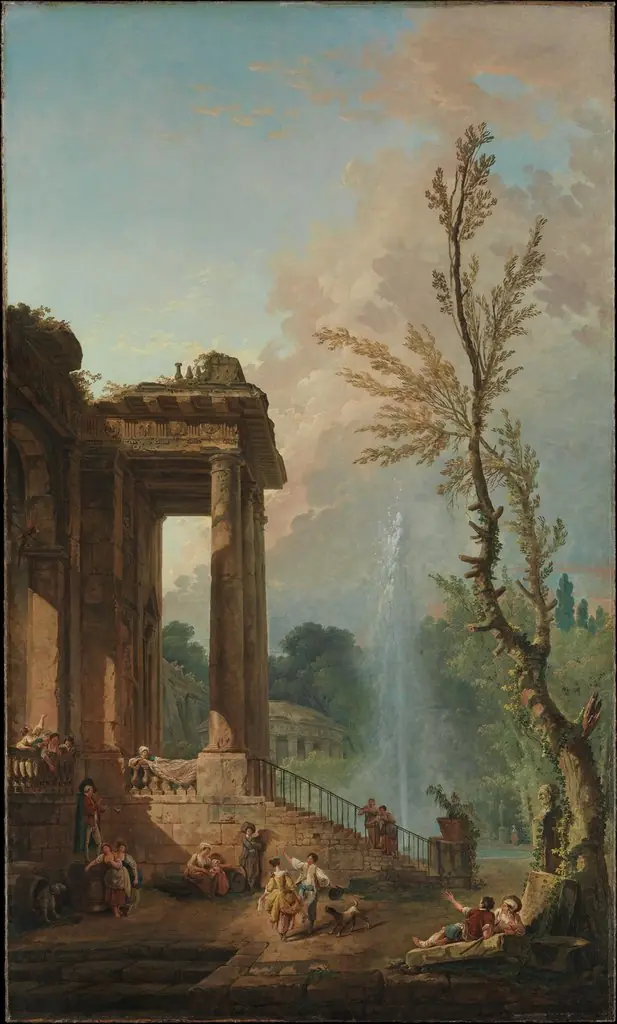
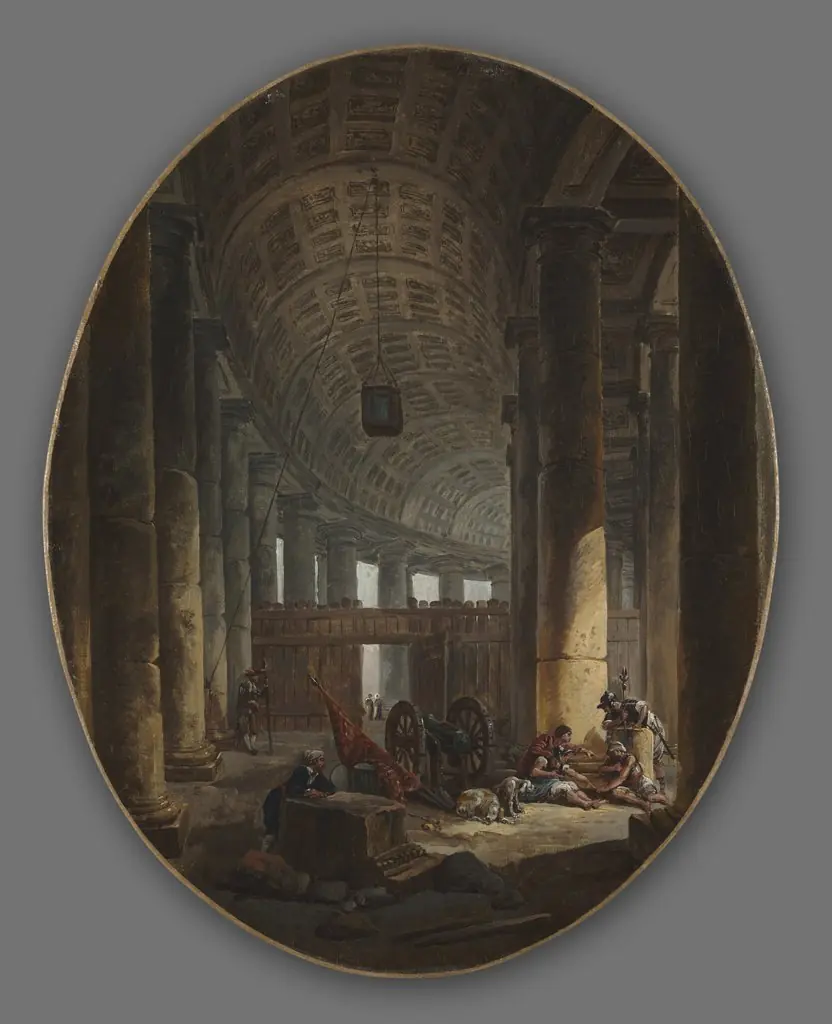
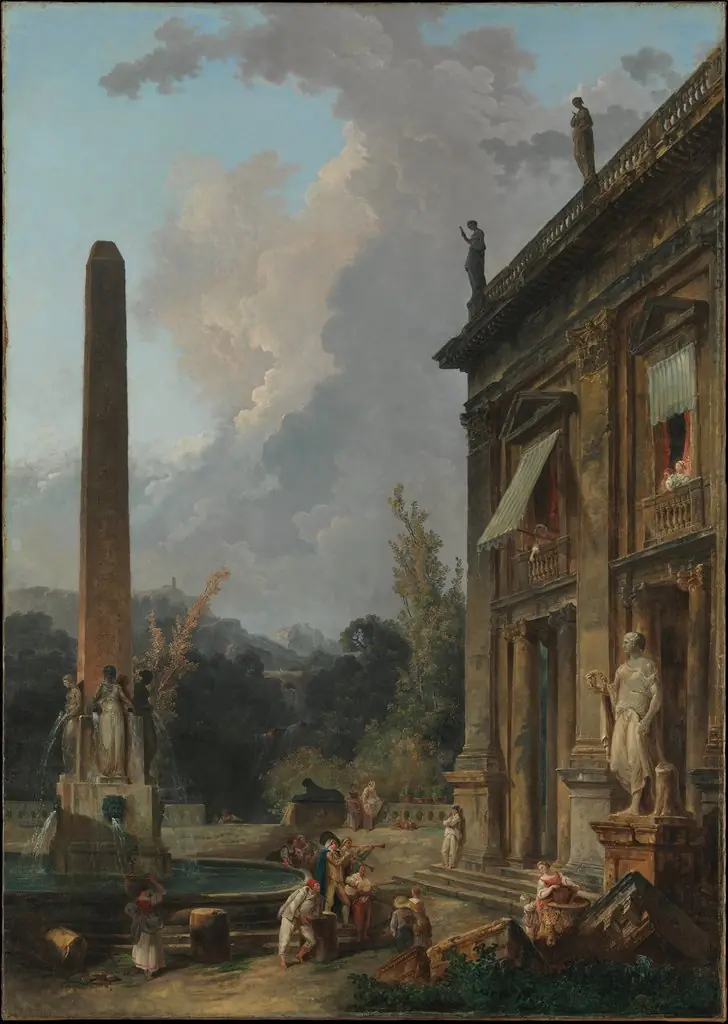
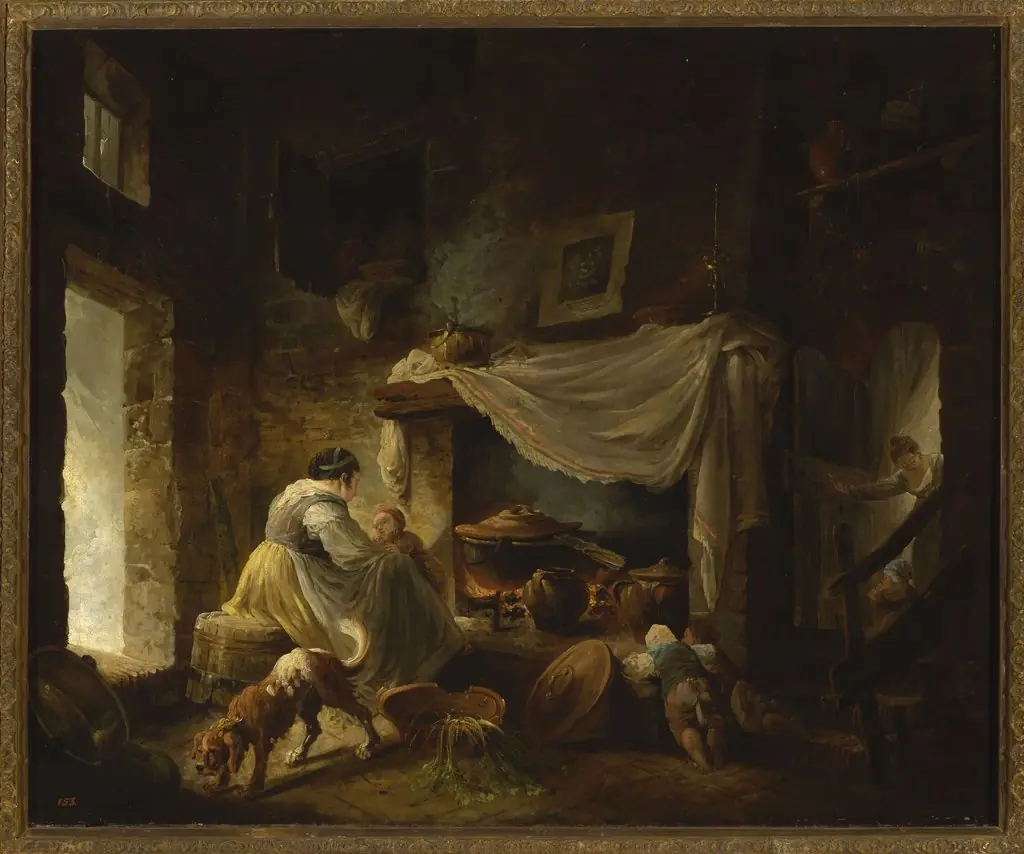
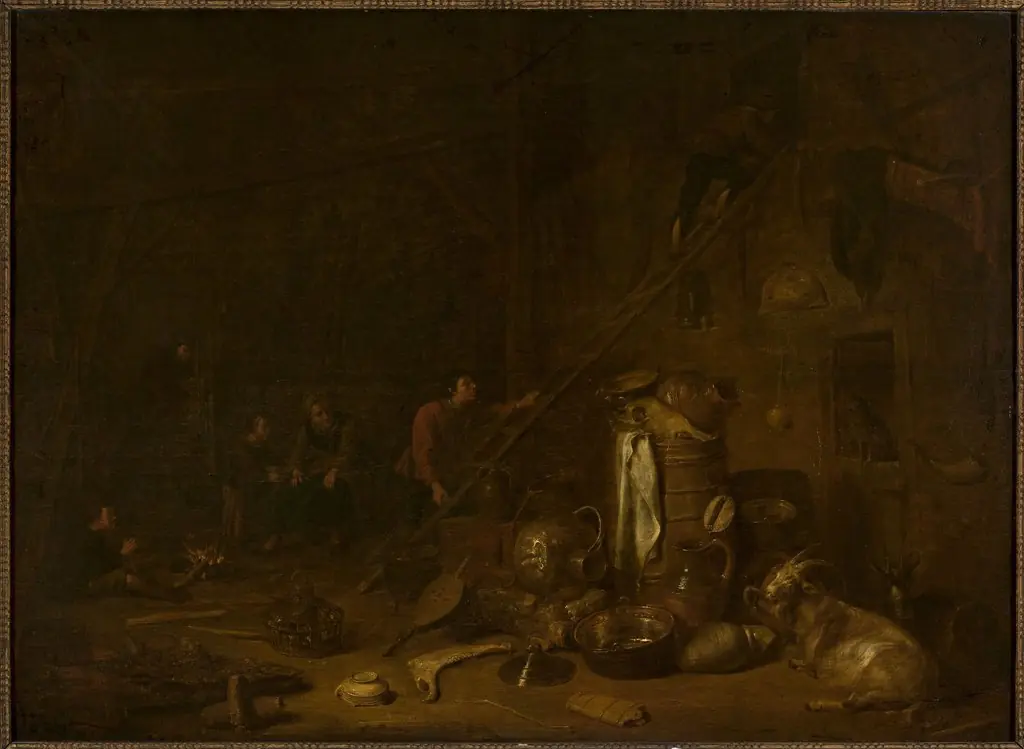
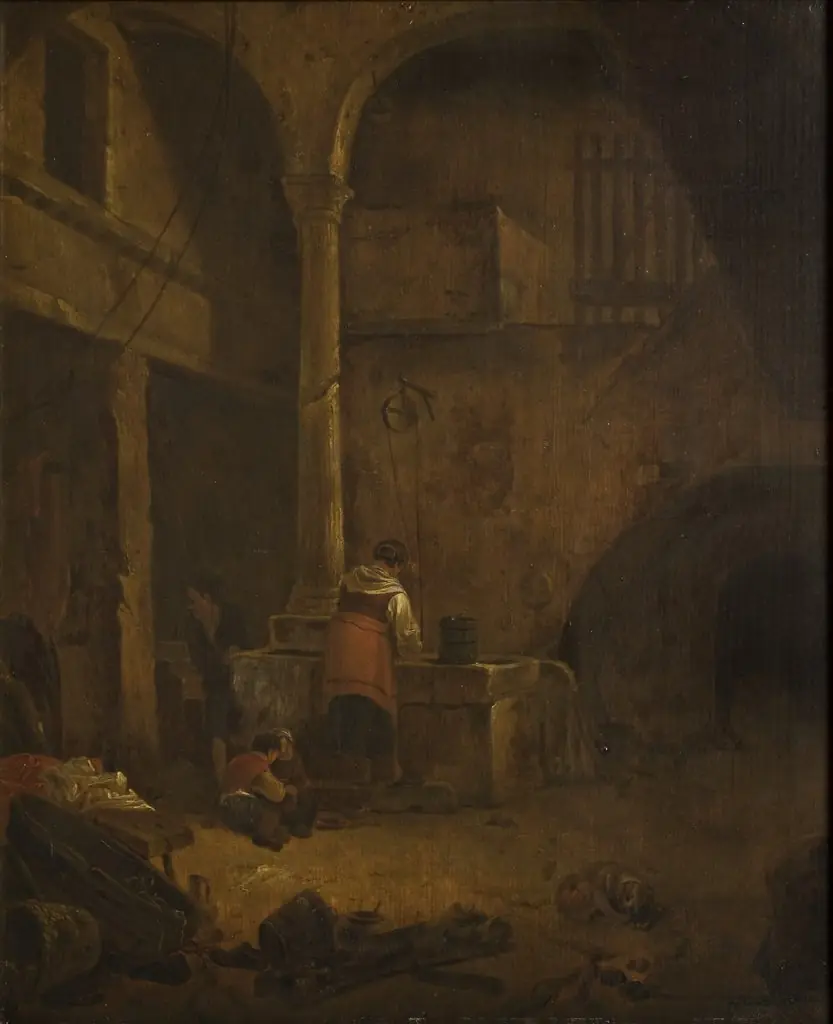
Peasant Dwelling-Place is an oil painting by the Rococo painting artist Hubert Robert. It dates from 1770 and is held in the collection of the Hermitage Museum.
About this work
Overview
Peasant Dwelling-Place is an oil painting created in 1770 by French artist Hubert Robert, associated with the Romantic movement, though this work aligns with the Rococo style. It is housed in the State Hermitage Museum.
Subject & Meaning
The painting depicts a rustic, everyday scene of a peasant's dwelling, characteristic of Robert's focus on capturing serene, picturesque environments. While often known for semi-fictionalized ruins, here Robert turns his attention to a humble, realistic setting.
Technique & Style
Executed in oil paint, the work exemplifies Rococo's lighter, more intimate approach, contrasting with the dramatics often linked to Romanticism. Robert's brushwork and color palette likely contribute to an overall sense of warmth and simplicity.
History & Provenance
Created in 1770, the painting's early history is not detailed in available information. It is now part of the State Hermitage Museum's collection, indicating its eventual recognition as a significant piece of 18th-century French art.
Context
Within Robert's oeuvre, Peasant Dwelling-Place stands as a variation on his typical themes of idyllic, sometimes fictitious landscapes. It reflects the Rococo period's emphasis on domesticity and the beauty of everyday life.
Own this work as a print
Artist & collection
Artist
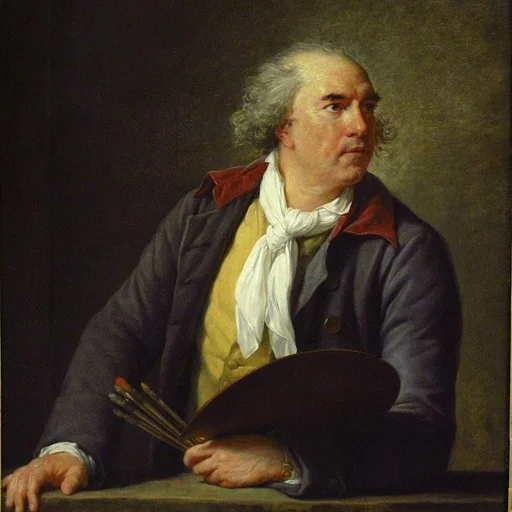
Hubert Robert (French pronunciation: ; 22 May 1733 – 15 April 1808) was a French painter in the school of Romanticism, noted especially for his landscape paintings and capricci, or semi-fictitious picturesque depictions of ruins in Italy…