Artwork
Walter Davies (Gwallter Mechain)
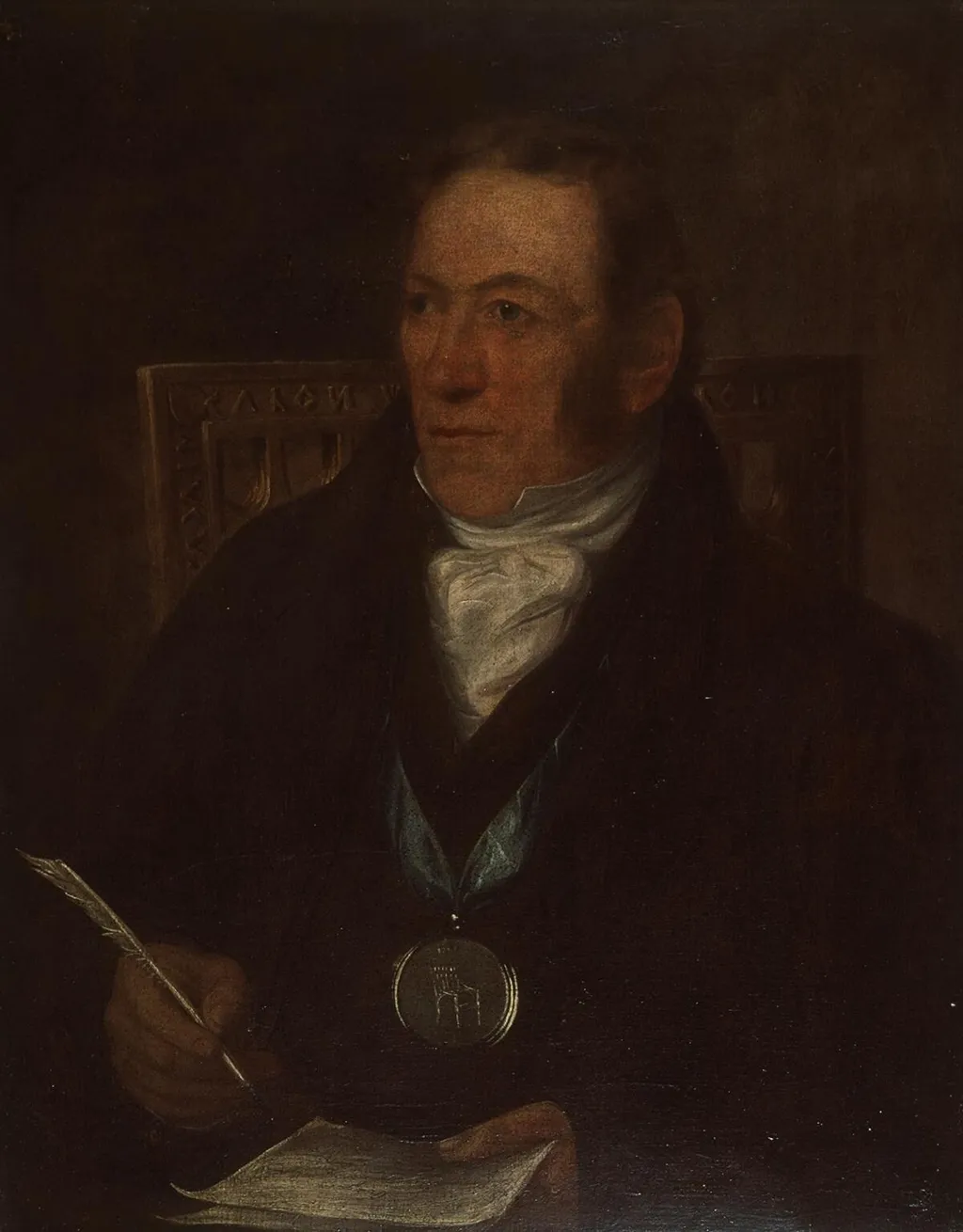
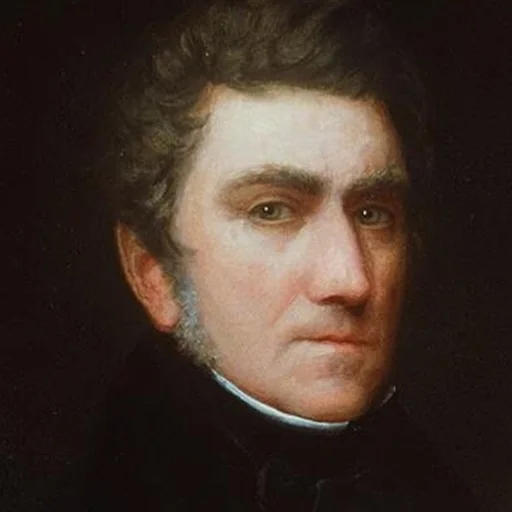
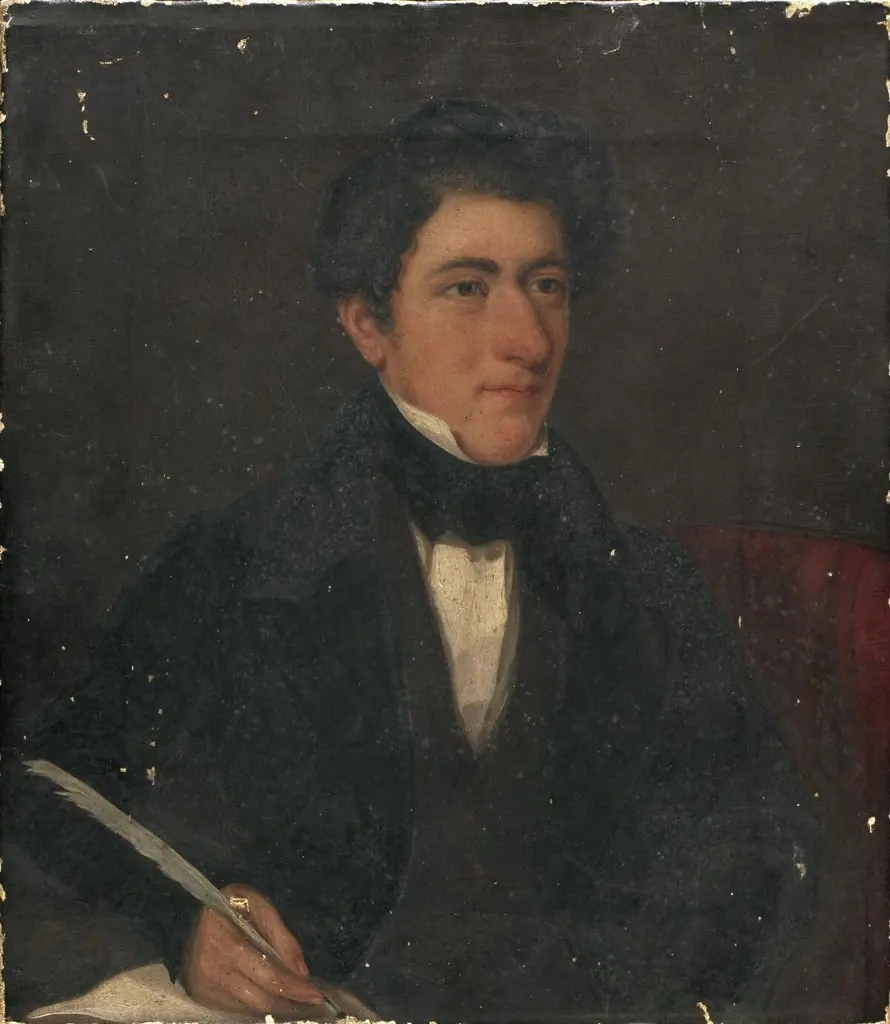
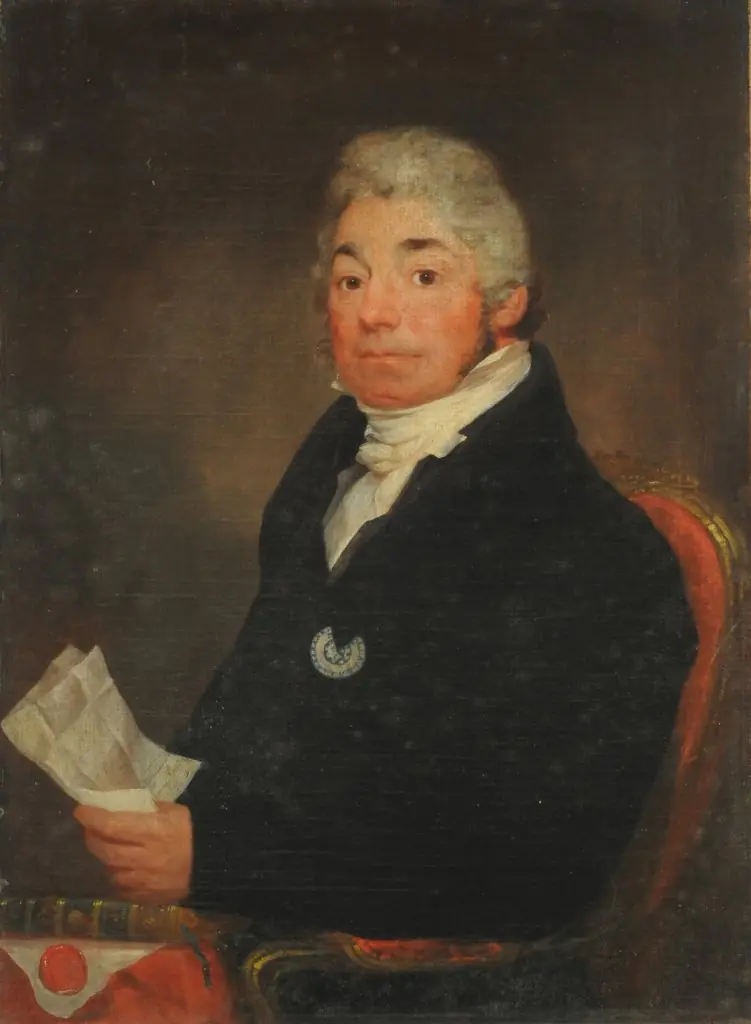
Walter Davies (Gwallter Mechain) is an oil painting by the British Romanticist artist Hugh Hughes. It dates from 1830 and is held in the collection of the National Library of Wales.
About this work
The man's attire and the medallion suggest that he may be a member of a prestigious organization or hold a significant position.
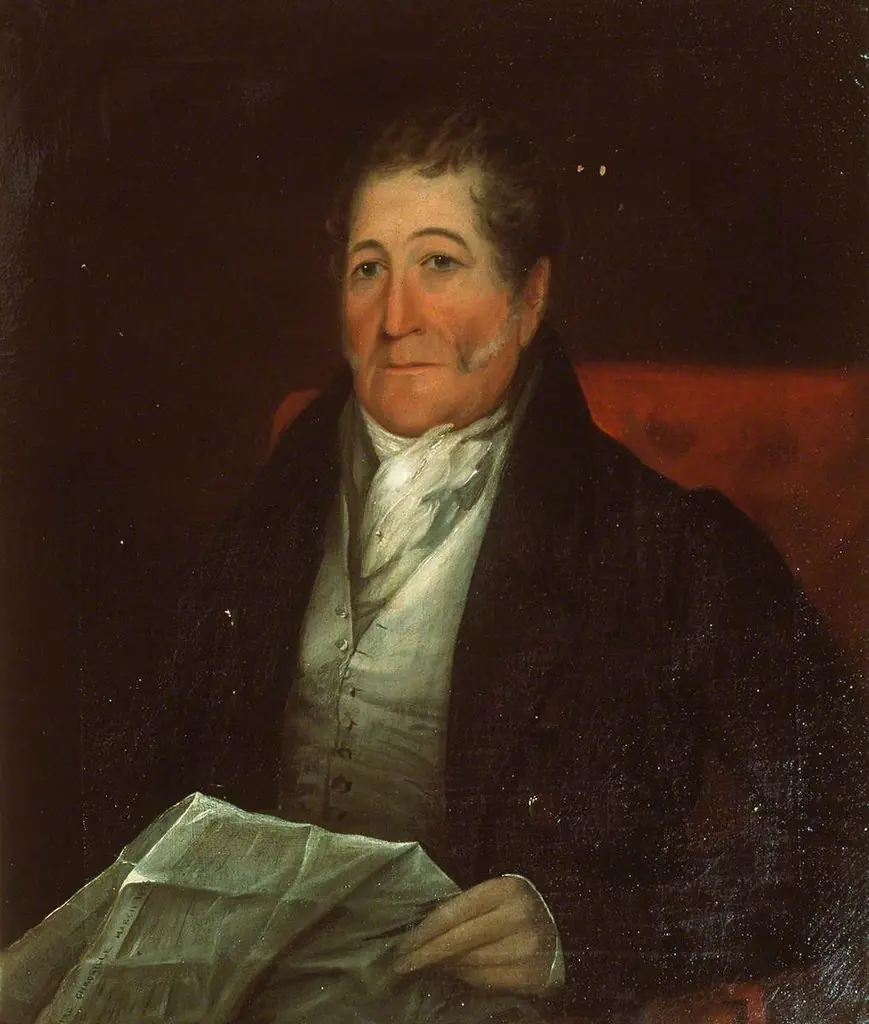
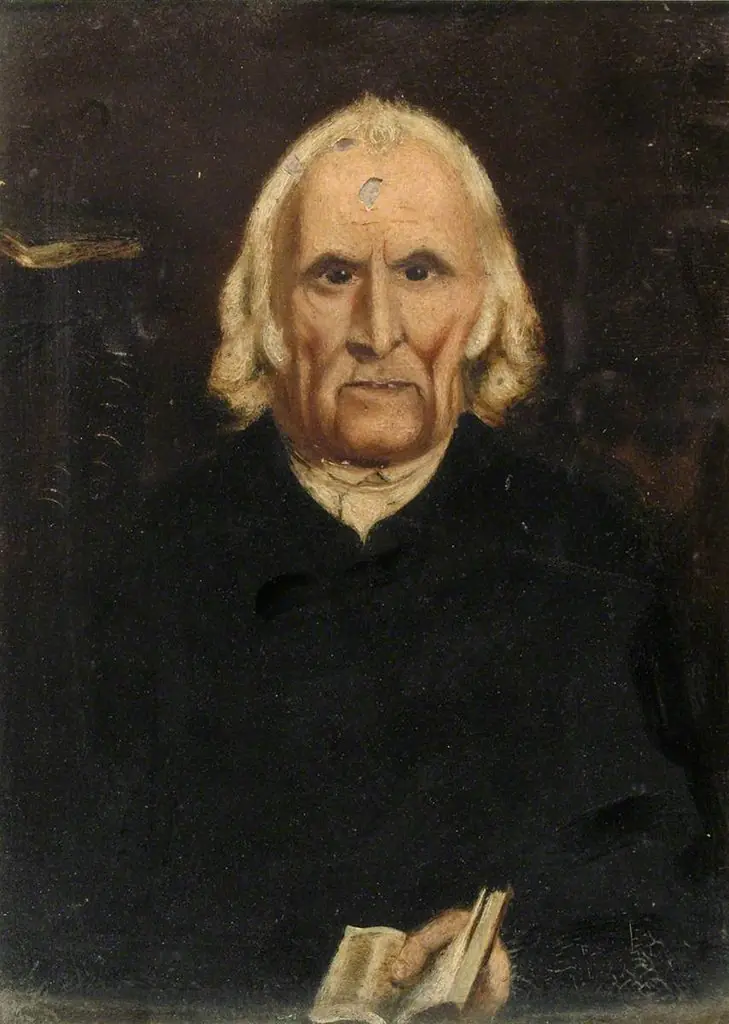
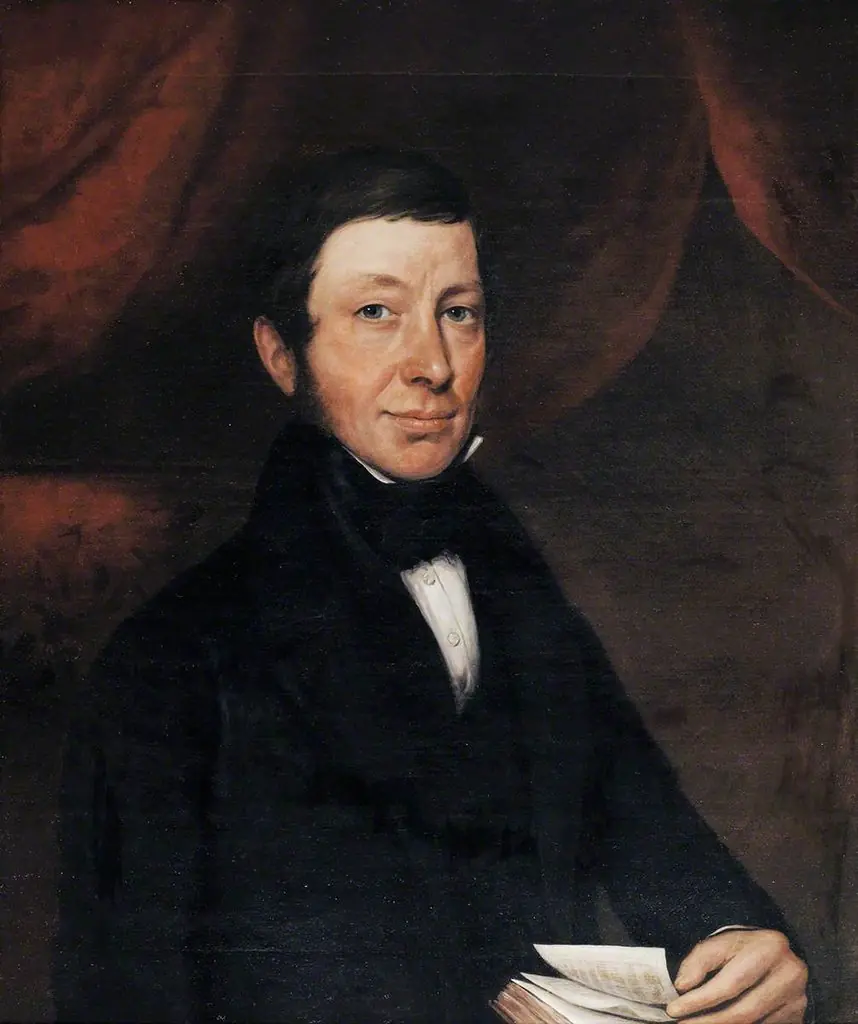
This painting depicts a man sitting in a chair, holding a quill pen in his right hand and a piece of paper in his left. He is dressed in dark attire with a white cravat around his neck. A large medallion hangs from his neck, featuring an embossed image of a chair.
The man's attire and the medallion suggest that he may be a member of a prestigious organization or hold a significant position. The painting's style and the subject's clothing also indicate that it was created in the early 19th century.
To learn more about the artist who created this portrait, explore the works of Hugh Hughes.
Overview
This oil portrait, painted by Hugh Hughes in 1830, captures Walter Davies, known by his Welsh bardic name Gwallter Mechain. The work is part of the National Library of Wales collection and presents the subject in a formal, seated pose. His attire and posture reflect the dignity associated with intellectual and cultural roles in early 19th-century Wales.
Subject & Meaning
Walter Davies was a noted Welsh poet and antiquarian, active in preserving Welsh literary traditions. The quill and paper in his hands signify his literary work, while the medallion around his neck likely represents membership in a scholarly or cultural society, possibly the Gwyneddigion or another Welsh antiquarian group. The image conveys his identity as a guardian of Welsh heritage.
Technique & Style
Hugh Hughes employed a restrained, realistic approach typical of early 19th-century portraiture. The lighting is even, emphasizing the subject’s facial features and the texture of his clothing. The dark tones of the coat contrast with the pale cravat and paper, drawing attention to the hands and the medallion, which serve as symbolic focal points within the composition.
History & Provenance
The painting was completed in 1830 and entered the collection of the National Library of Wales, where it remains today. Its preservation reflects the institution’s commitment to documenting Welsh cultural figures. No record suggests the work was commissioned by a private patron, indicating it may have been created to honor Davies’s public contributions to Welsh letters.
Context
In the early 1800s, Wales experienced a revival of interest in its language and historical traditions. Figures like Davies played key roles in this movement, often through poetry, scholarship, and participation in eisteddfodau. This portrait situates him within that cultural moment, visually affirming his status as a respected intellectual in a society valuing linguistic and literary continuity.
Legacy
The portrait endures as a visual record of a man instrumental in Welsh literary preservation. It continues to be referenced in studies of Welsh cultural history and is displayed as part of the National Library’s efforts to highlight key figures in the nation’s intellectual life. Its quiet composition reflects the dignity of scholarly endeavor in a period of national cultural reawakening.
Artist & collection