Artwork
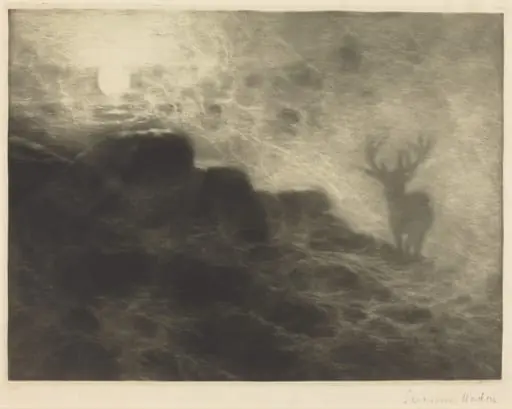
Stag in the Moonlight
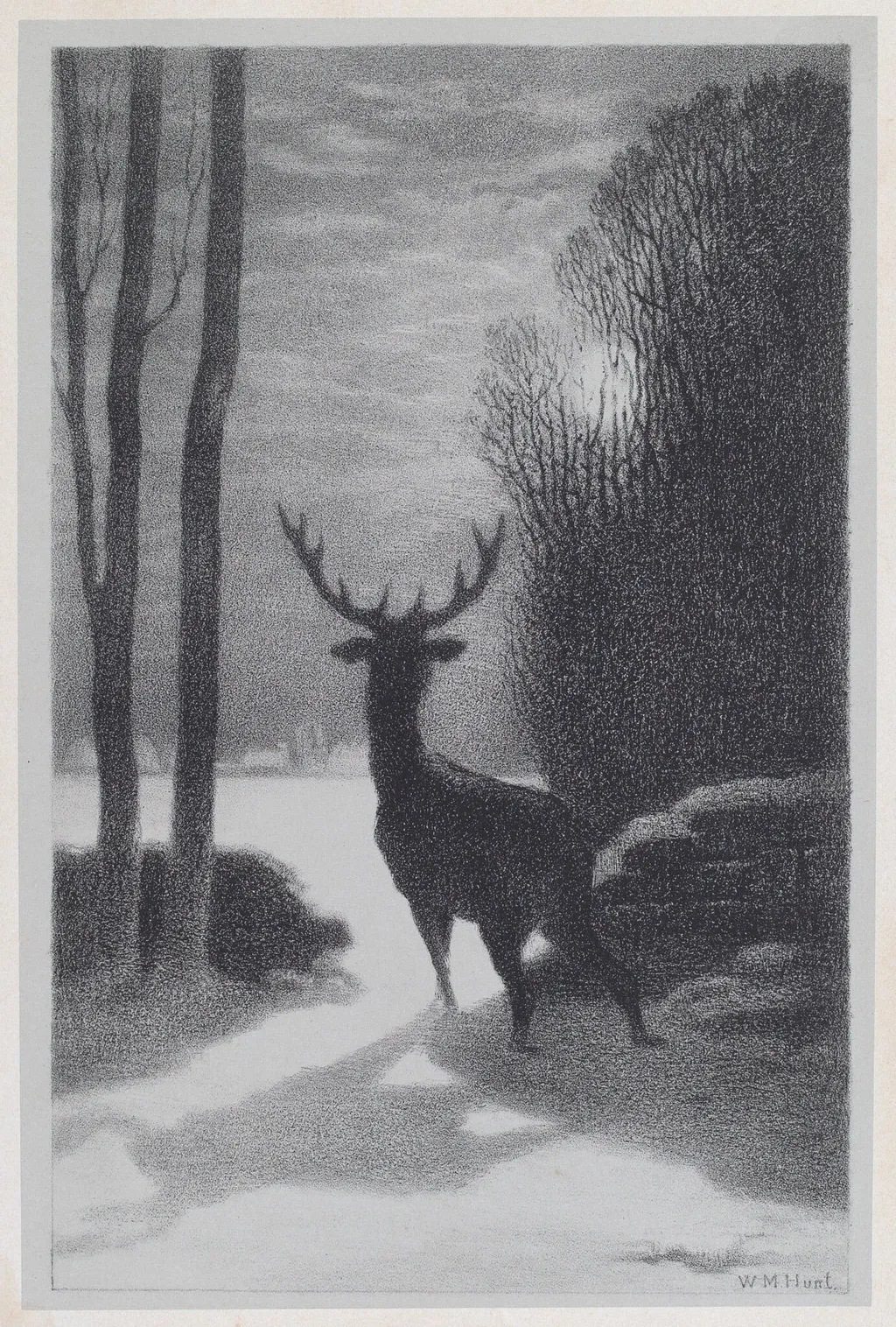
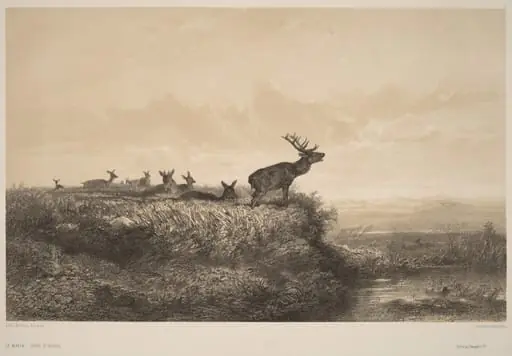
Stag in the Moonlight is an ink print by the Impressionist artist William Morris Hunt. It dates from 1857 and is held in the collection of the National Gallery of Art.
About this work
Overview
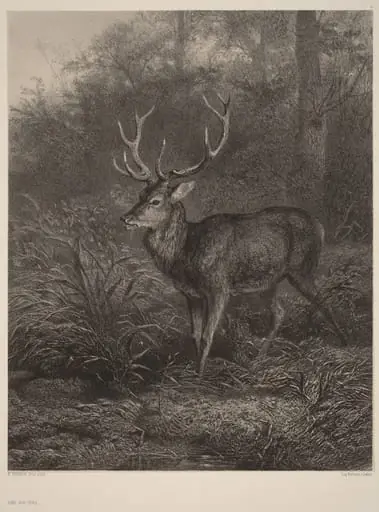
William Morris Hunt’s 1857 lithograph Stag in the Moonlight presents a solitary male deer poised atop a craggy rise beneath a luminous moon. The composition isolates the animal against a darkened sky, emphasizing the contrast between the silvery illumination and the rugged terrain.
Subject & Meaning
The lone stag, rendered in profile, evokes themes of solitude and the quiet majesty of the American wilderness. By placing the animal under a bright moon, Hunt suggests a moment of stillness where nature is observed in a near‑mythic light, inviting contemplation of the creature’s place within the landscape.
Technique & Style
Created with lithography, Hunt employed stone plates to transfer ink, allowing for fluid, gestural marks that mimic brushwork. The soft, diffused lighting and rapid strokes give the image a calm, almost photographic quality, while the tonal gradations convey the subtle interplay of moonlight on rock and fur.
Context
The print emerged in the 1850s, a period when American artists were experimenting with new media to depict the natural world. Lithography offered a reproducible yet expressive avenue, aligning with contemporary interests in realism and the burgeoning appreciation of native scenery.
Artist & collection
Artist
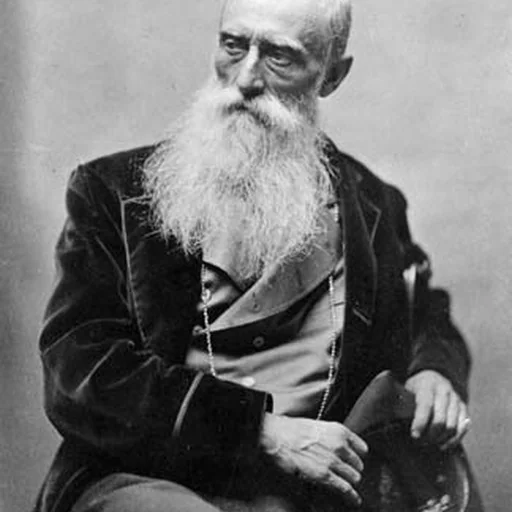
William Morris Hunt (March 31, 1824 – September 8, 1879) was an American painter.