Artwork
Deisis
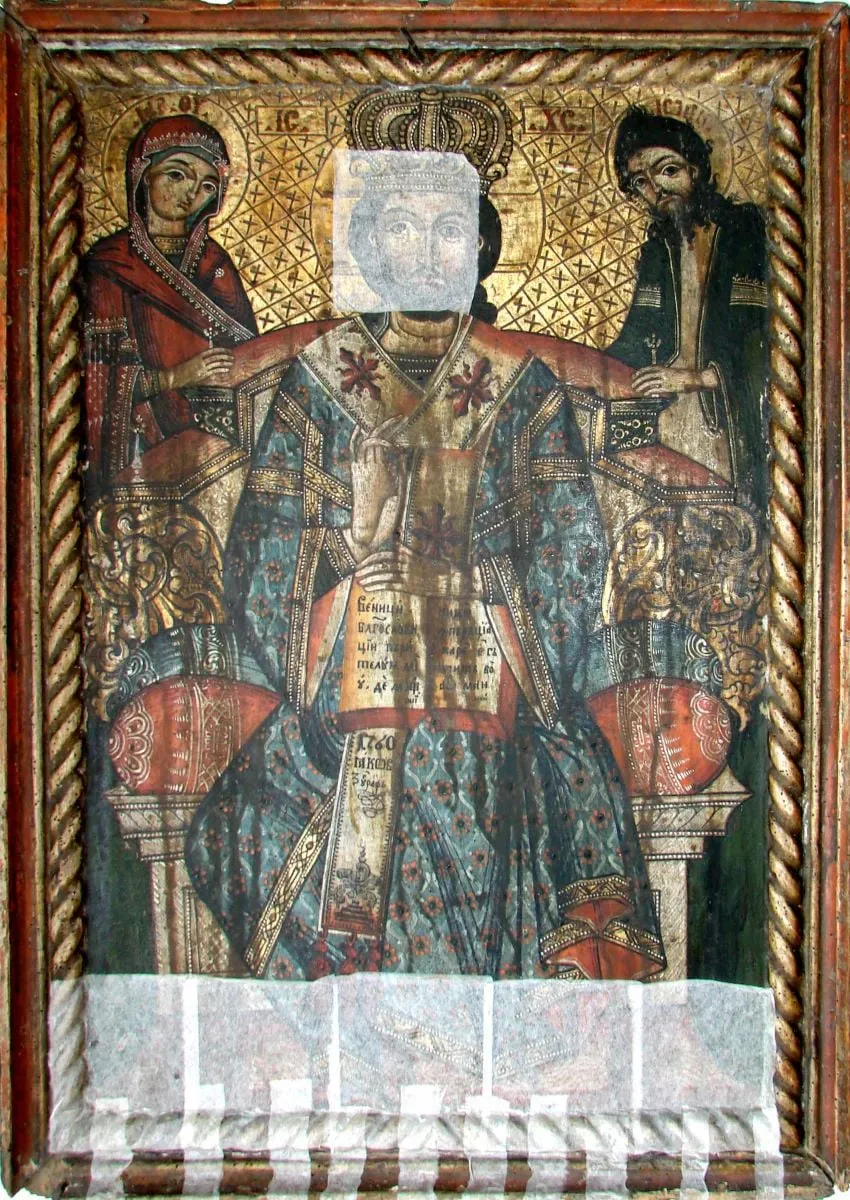
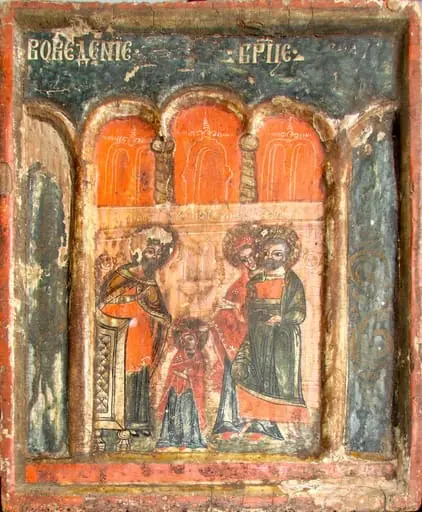
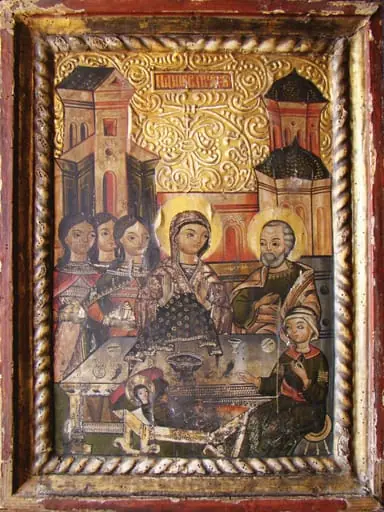
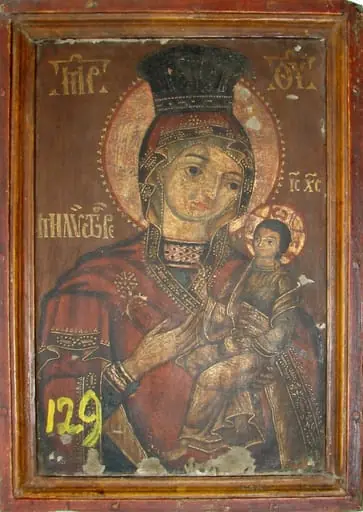
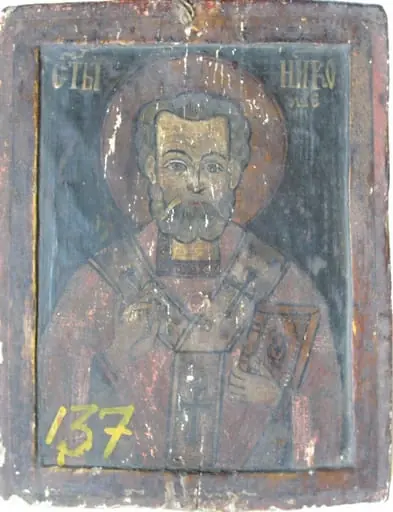
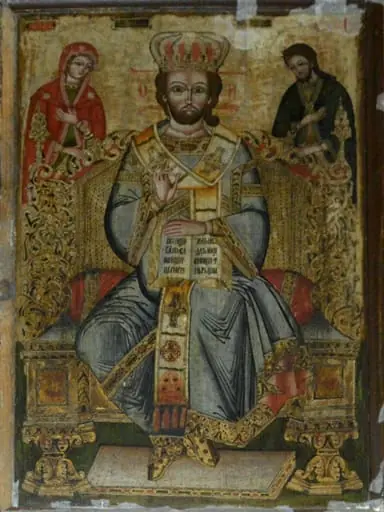
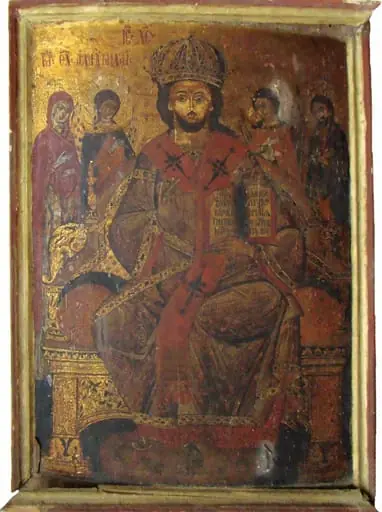
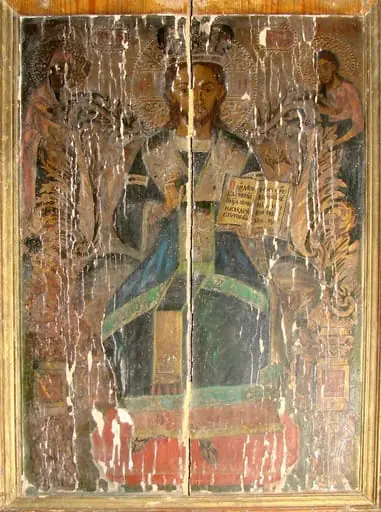
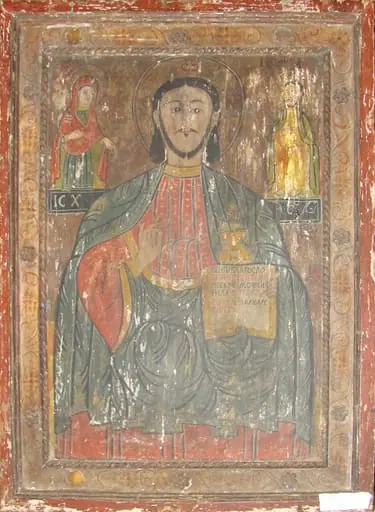
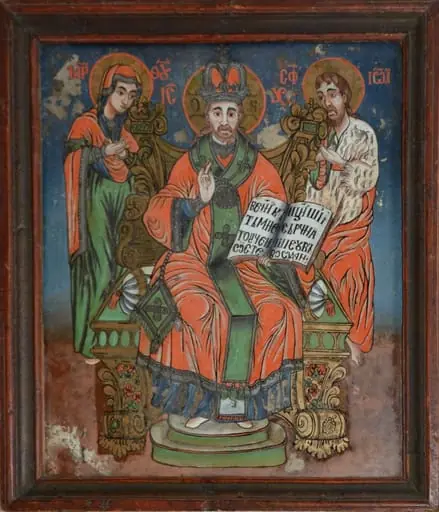
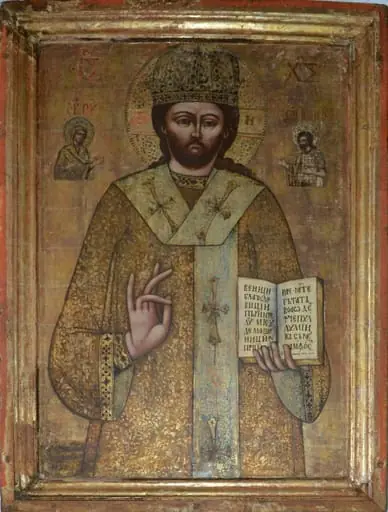
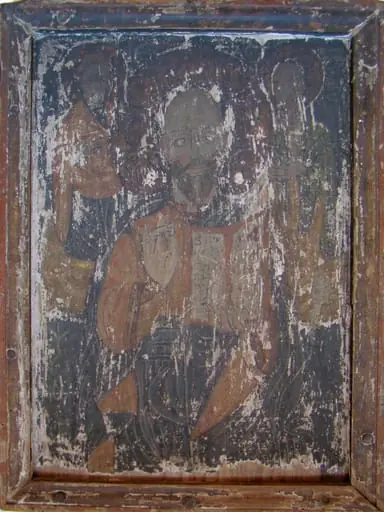
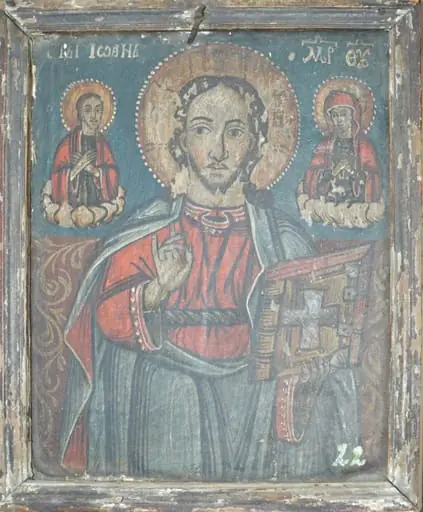
Deisis is an unspecified painting by the Byzantine icon painting artist Iacov din Rășinari. It dates from 1760 and is held in the collection of the Alba Iulia Orthodox Archdiocese.
About this work
Overview
Created in 1760 by Iacov din Rășinari, this religious panel painting belongs to the Eastern Orthodox iconographic tradition.
Created in 1760 by Iacov din Rășinari, this religious panel painting belongs to the Eastern Orthodox iconographic tradition. It is part of the permanent collection at the Museum of Ethnography. The composition follows the Deisis schema, a standard arrangement in Byzantine and post-Byzantine art, featuring a central divine figure flanked by intercessory saints or angels. The work reflects regional Romanian ecclesiastical painting practices of the 18th century.
Subject & Meaning
The central figure, crowned and holding a book, likely represents Christ Pantocrator, the Almighty Judge. Flanking figures are traditionally the Virgin Mary and John the Baptist, depicted in supplication on behalf of humanity. The gold background and hierarchical scale emphasize divine presence and spiritual authority. The icon serves a liturgical function, inviting prayer and contemplation rather than mere aesthetic appreciation.
Technique & Style
Executed in tempera or oil on wood, the painting employs flat, stylized forms typical of Orthodox iconography. Gold leaf outlines and decorative patterns define the background, while rich reds and golds in the robes convey sacredness. Facial features are serene and frontal, adhering to canonical models. The border, framed in red and gold, functions both decoratively and as a visual threshold between the earthly and divine realms.
History & Provenance
The painting originated in a religious context within Transylvania, likely commissioned for a local church or private chapel. It entered the Museum of Ethnography’s collection through documented acquisitions of ecclesiastical artifacts from Romanian communities. Its preservation reflects 19th- and 20th-century efforts to safeguard regional religious art amid secularization and political change.
Context
This work emerged during a period when Orthodox communities in the Habsburg Empire maintained distinct artistic traditions despite Western influences. While Western Europe embraced Baroque naturalism, Romanian icon painters continued Byzantine conventions, blending local motifs with established theological imagery. The Deisis format was widely reproduced in monasteries and homes as a focus for devotion.
Legacy
The painting remains a representative example of 18th-century Romanian iconography, illustrating the endurance of Byzantine aesthetics in rural and ecclesiastical settings. It contributes to scholarly understanding of how religious identity was visually sustained in multi-ethnic regions. Today, it is studied not as a product of Romanticism, but as part of a continuous Eastern Christian artistic lineage.
Artist & collection
Artist
Iacov din Rășinari kept a small wooden box under his bed for decades, filling it with drawings of saints so delicate they looked woven from candlelight.