Artwork
charity
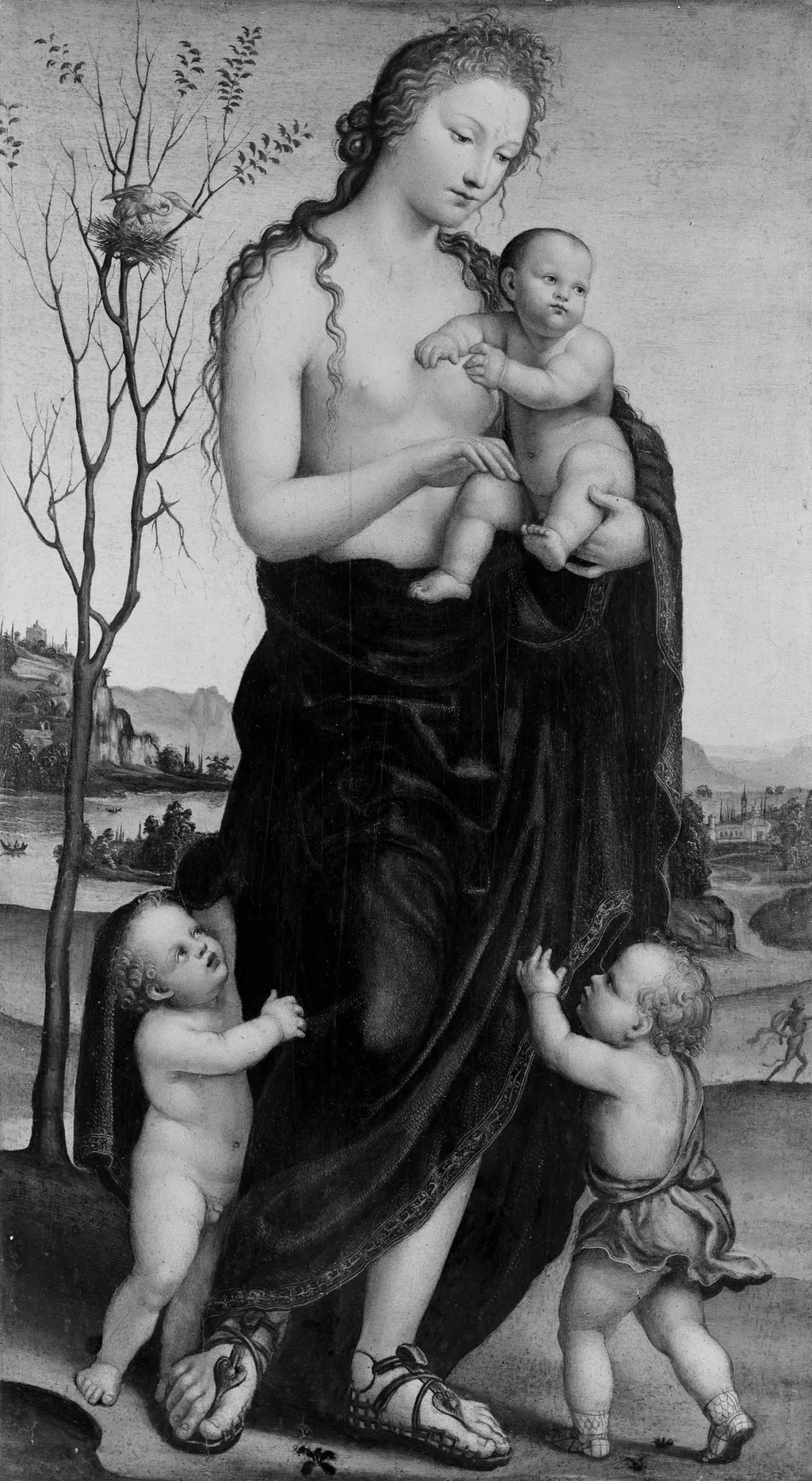
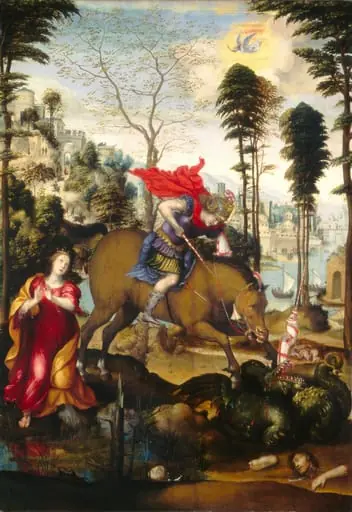
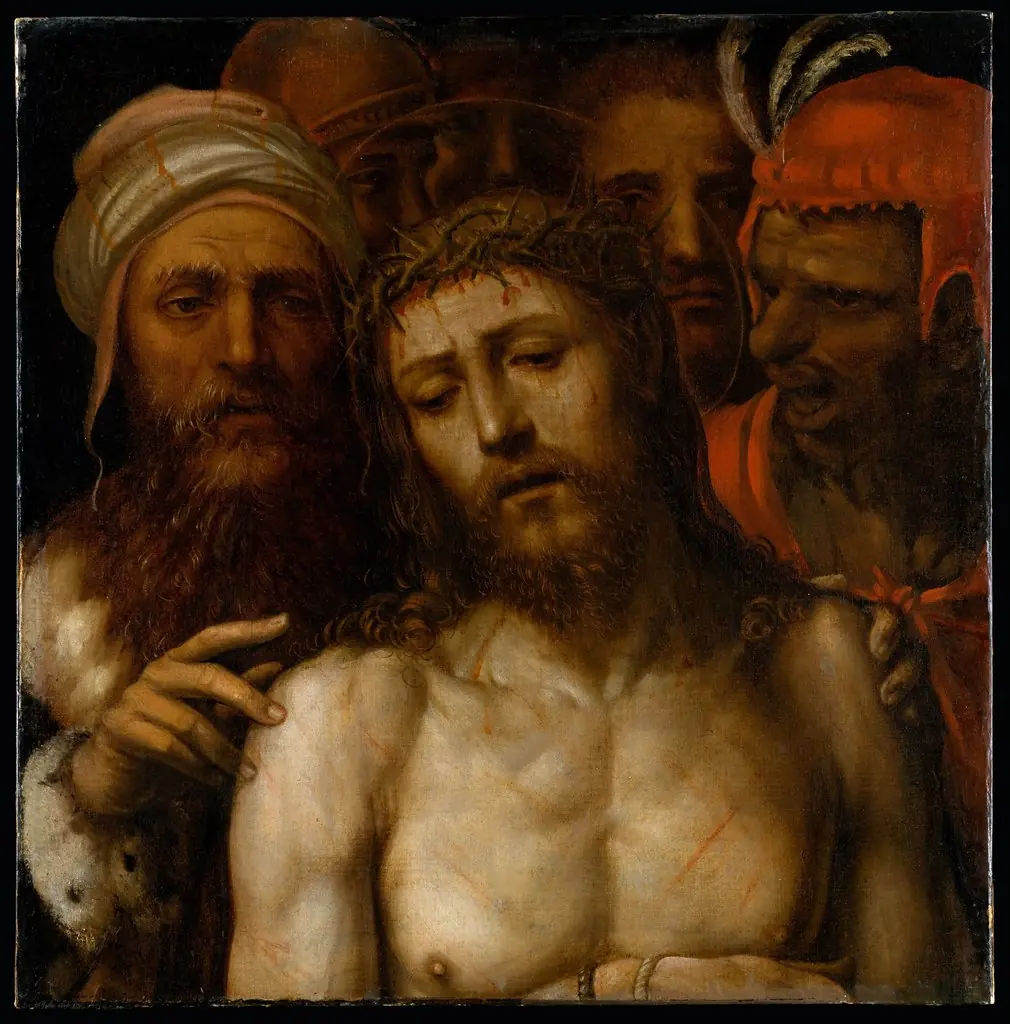
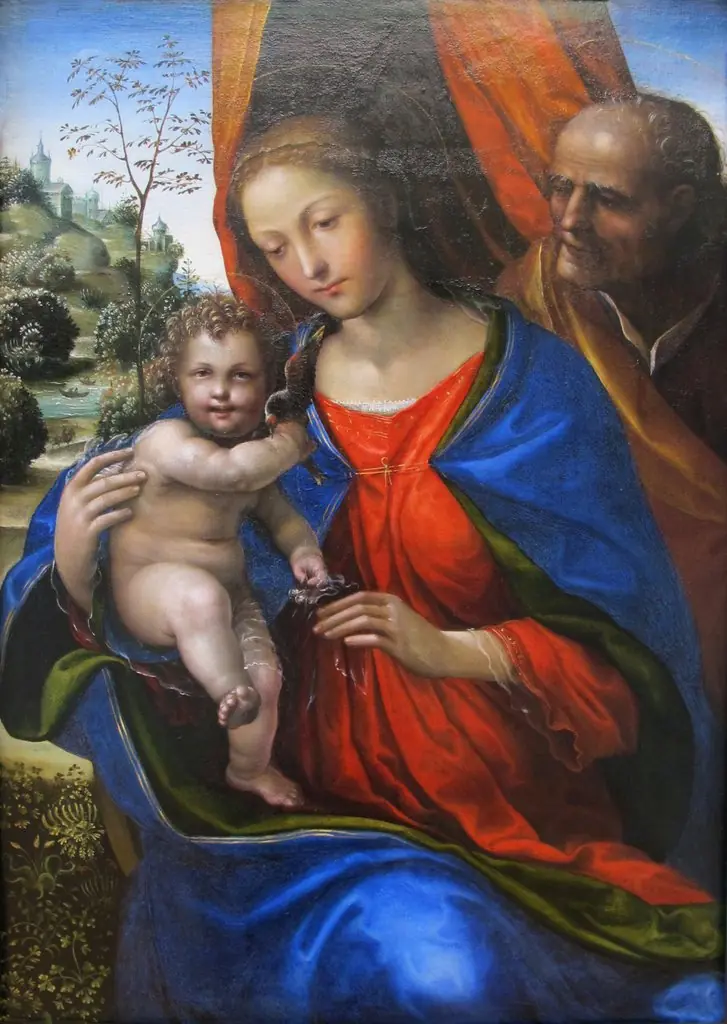
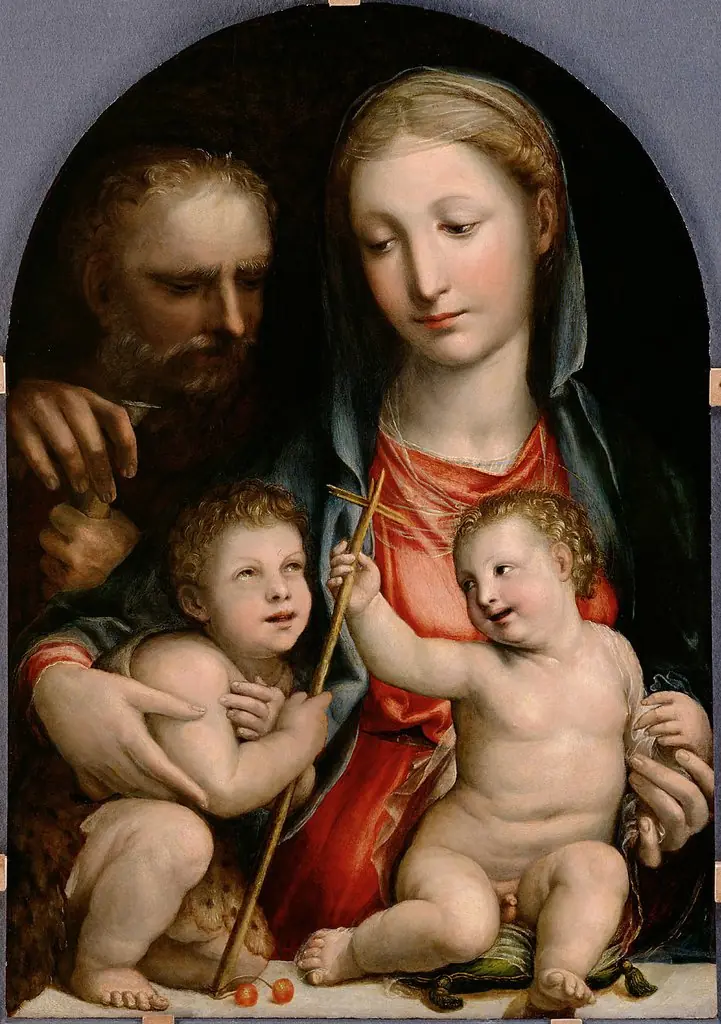
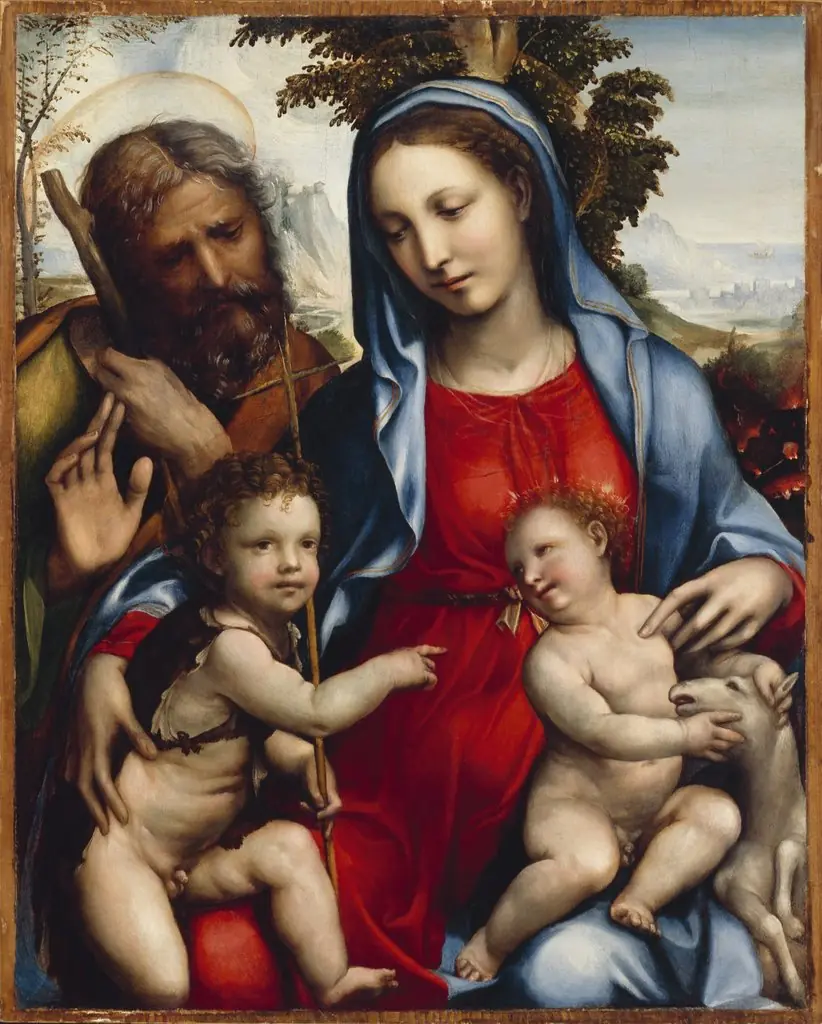
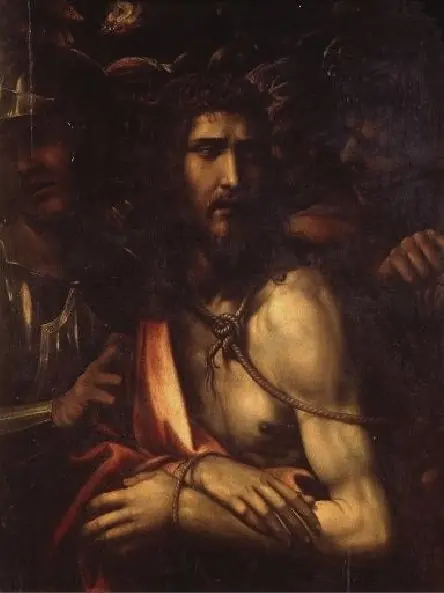
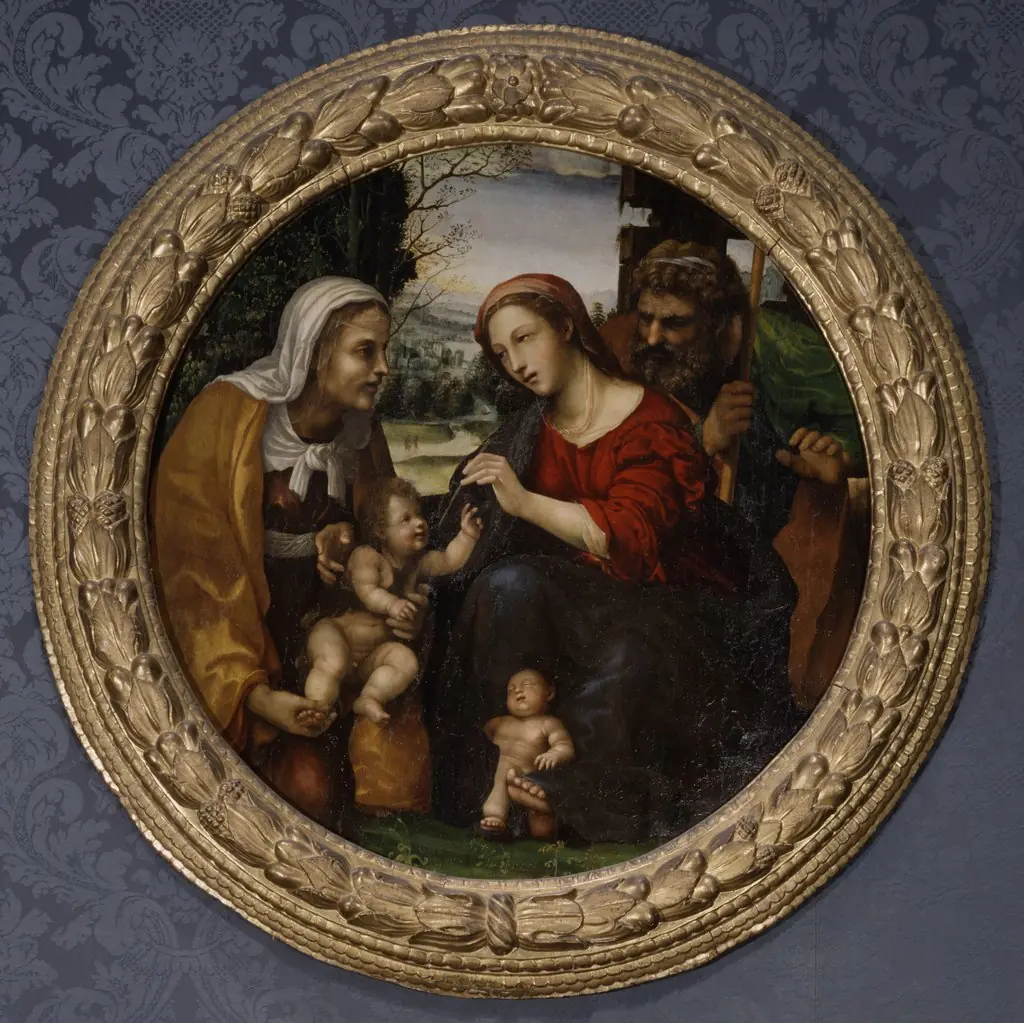
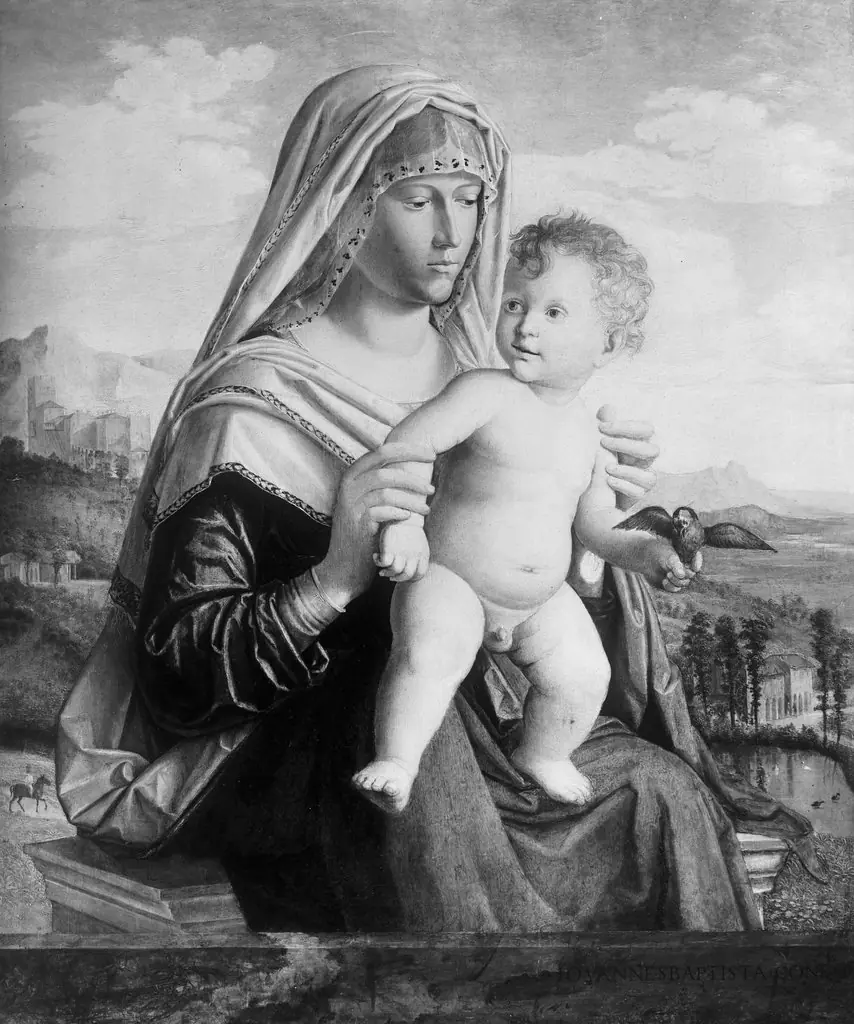
charity is a paint painting by the High Renaissance artist Sodoma. It dates from 1504 and is held in the collection of the Gemäldegalerie Berlin.
About this work
Overview
Its quiet dignity and naturalistic rendering distinguish it within Sodoma’s oeuvre, which often balanced devotional themes with refined technique.
Painted in 1504 by Giovanni Antonio Bazzi, known as Il Sodoma, this work is a religious panel from the High Renaissance. It reflects the artist’s synthesis of Roman compositional clarity and Sienese lyrical sensibility. The painting resides in the Gemäldegalerie, Berlin, as part of its early Italian collection. Its quiet dignity and naturalistic rendering distinguish it within Sodoma’s oeuvre, which often balanced devotional themes with refined technique.
Subject & Meaning
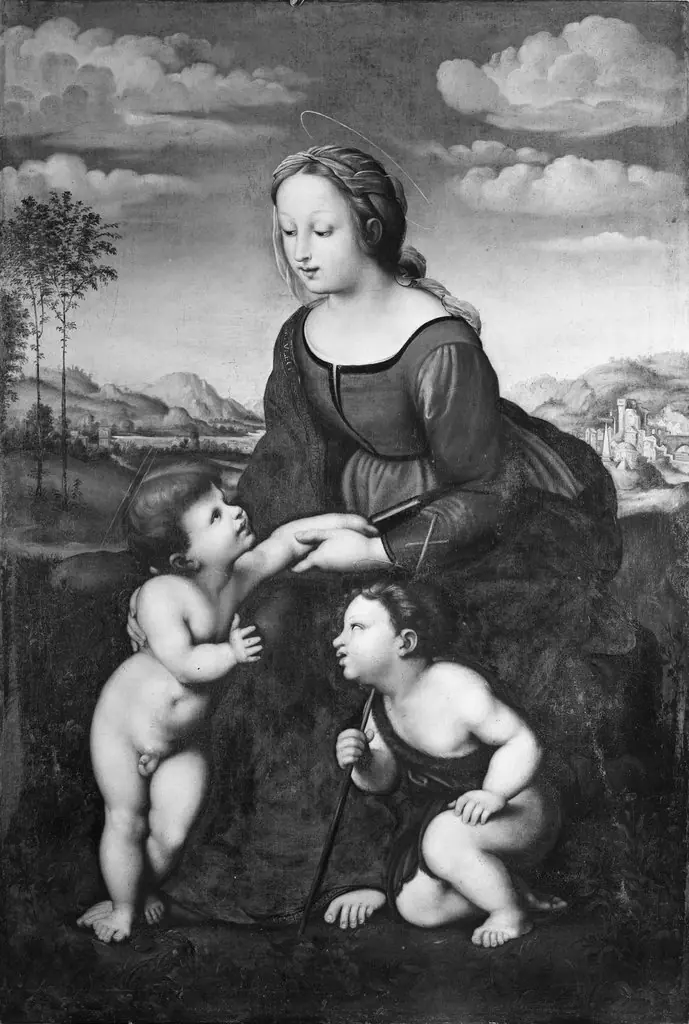
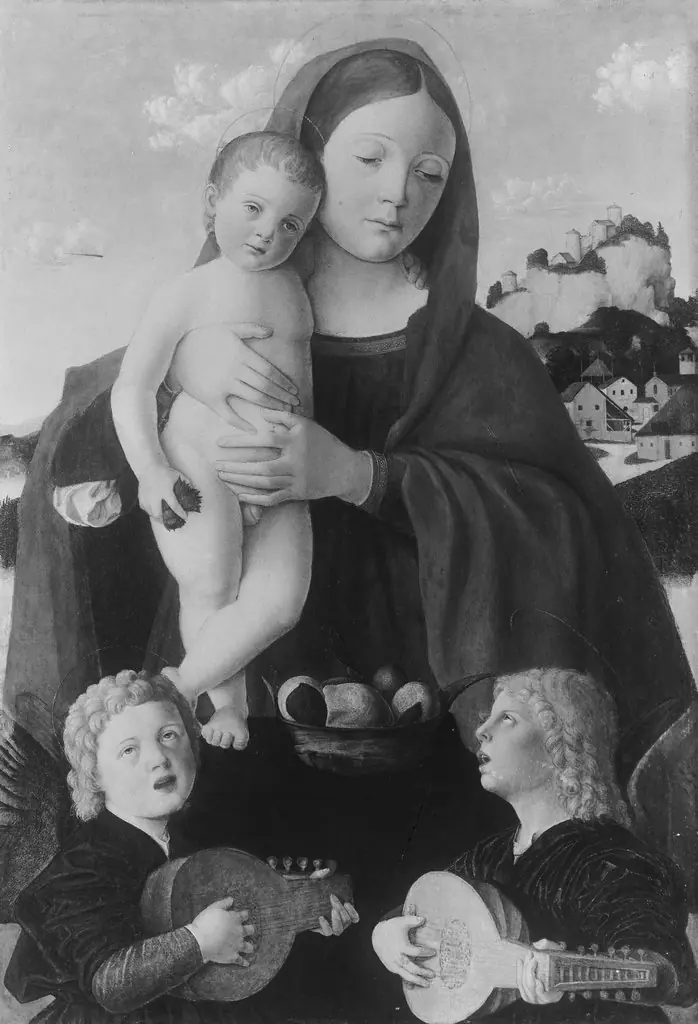
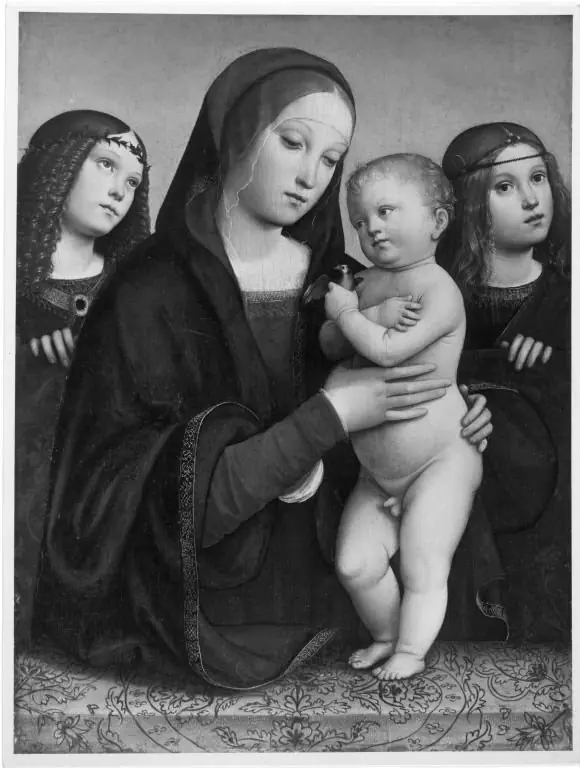
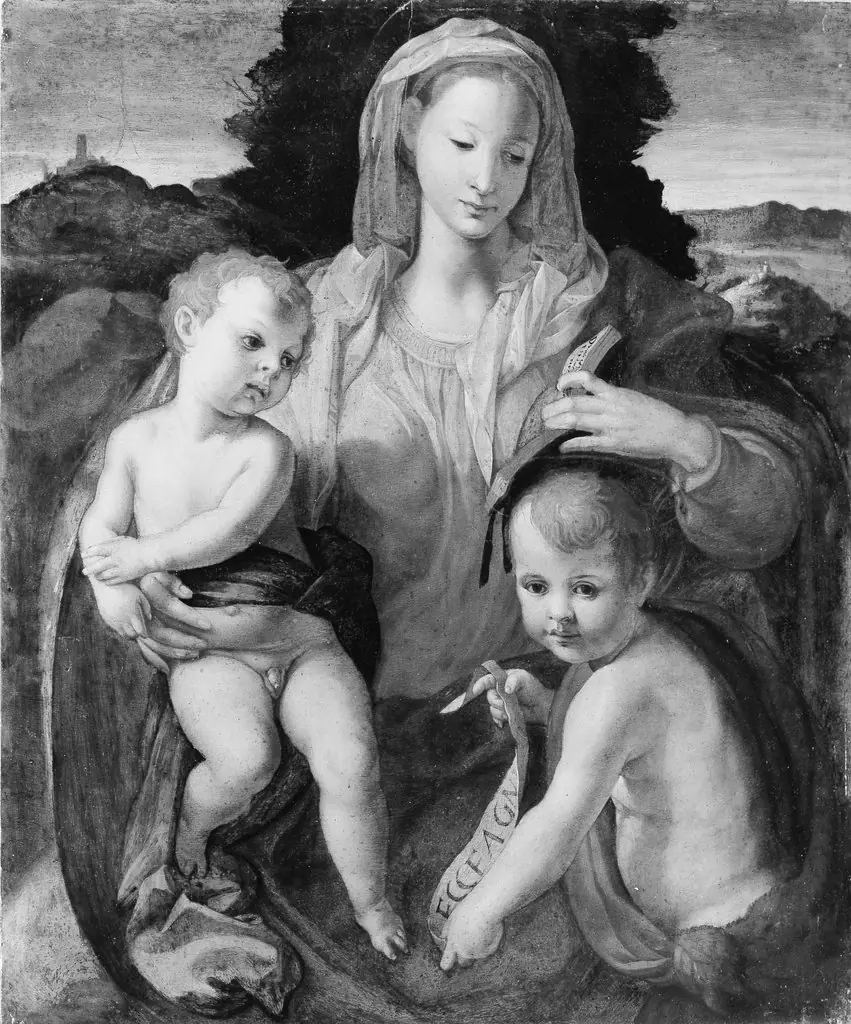
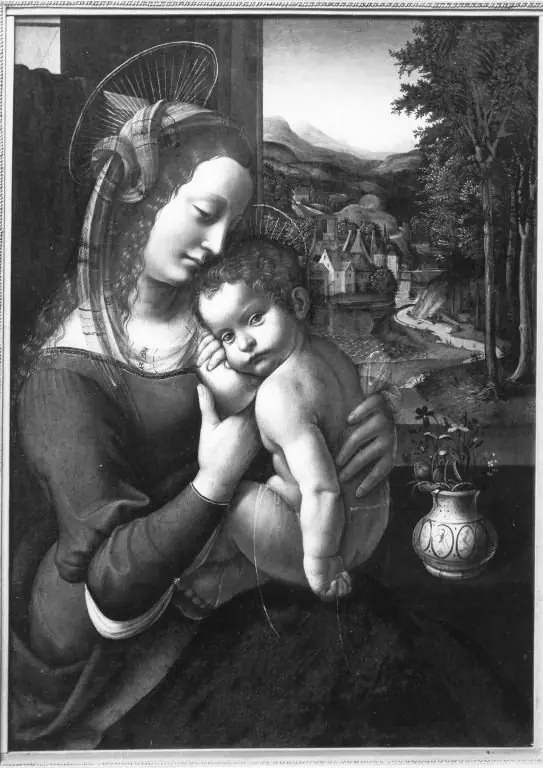
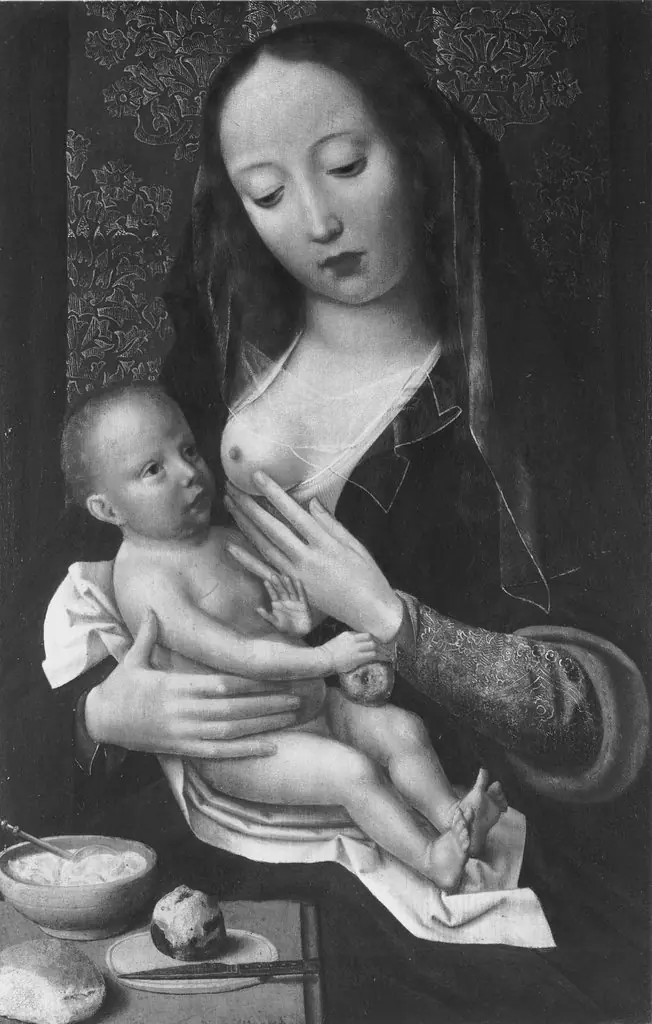
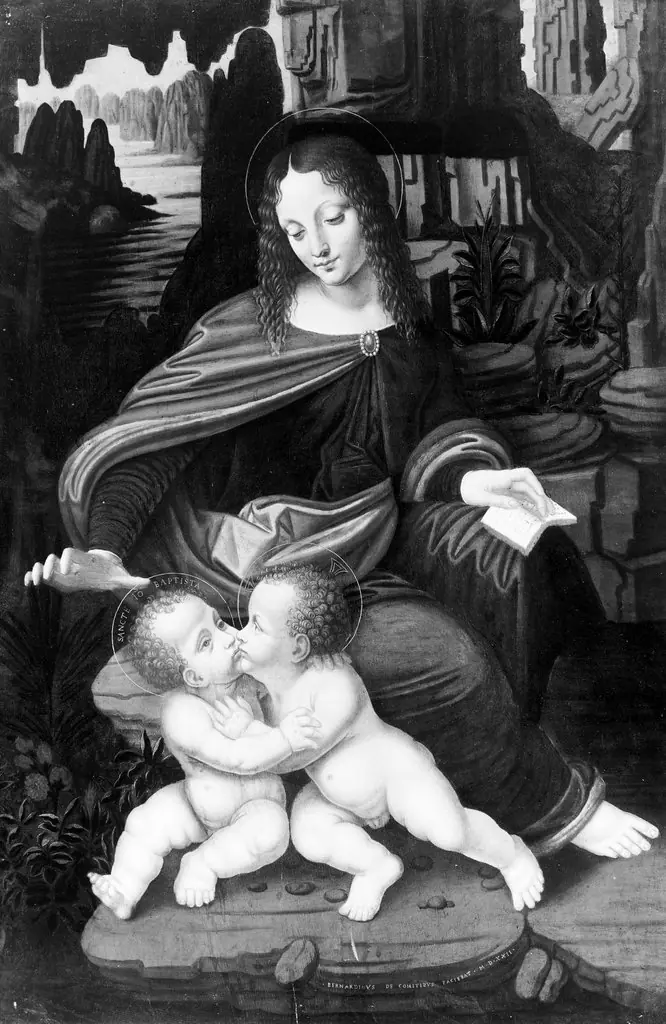
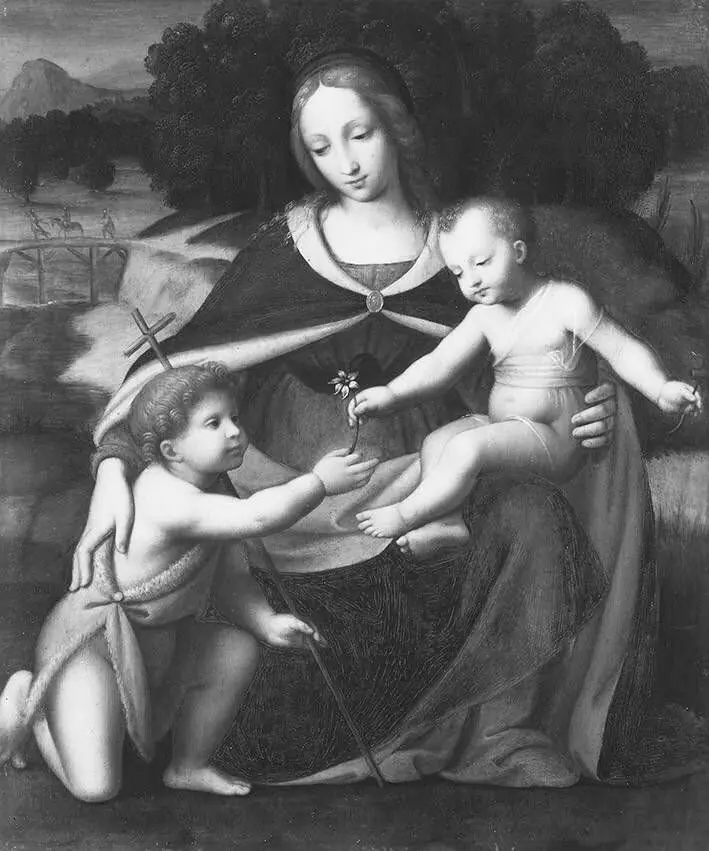
The figure represents Charity, one of the theological virtues, depicted as a serene woman cradling an infant. Three additional children gather at her feet, one reaching toward her garment, suggesting nurturing abundance. The composition avoids overt symbolism, instead conveying moral virtue through tenderness and stillness. The lone figure, unadorned and grounded in a natural setting, emphasizes humility and quiet devotion over theatrical piety.
Technique & Style
Sodoma employed subtle chiaroscuro to model the figure with soft volume, enhancing the tactile quality of fabric and skin. The landscape background, rendered in muted tones and hazy perspective, recedes gently, focusing attention on the central group. Brushwork is precise yet unobtrusive, with attention to texture in hair, wool, and foliage. The palette is restrained, dominated by earth tones and deep shadows, reinforcing the painting’s contemplative mood.
History & Provenance
Commissioned during Sodoma’s mature period, the painting likely originated in Siena, where he spent most of his career after early training in Rome. It entered the Berlin collection in the 19th century, possibly through the acquisition of private Italian holdings. No documented patronage records survive, but its intimate scale and devotional tone suggest it was intended for private contemplation rather than public altarpiece use.
Context
Created amid the flourishing of High Renaissance ideals in central Italy, the work diverges from the grandeur of Florence or Rome by embracing Sienese delicacy. While contemporaries like Raphael emphasized idealized forms, Sodoma retained a softer, more personal approach. The painting reflects a regional tradition that valued emotional resonance over monumental scale, aligning with devotional practices in late medieval and early Renaissance Tuscany.
Legacy
Though less widely studied than his frescoes, *Charity* exemplifies Sodoma’s ability to merge narrative restraint with emotional depth. It influenced later Sienese painters who favored intimate religious scenes over grand allegory. Today, it stands as a quiet testament to the persistence of regional styles within the broader Renaissance movement, offering a counterpoint to the more dominant Florentine aesthetic.
Artist & collection

Artist
Il Sodoma was the name given to the Italian Renaissance painter Giovanni Antonio Bazzi.