Artwork
Portrait of Princess Maria Klavdievna Tenisheva while working
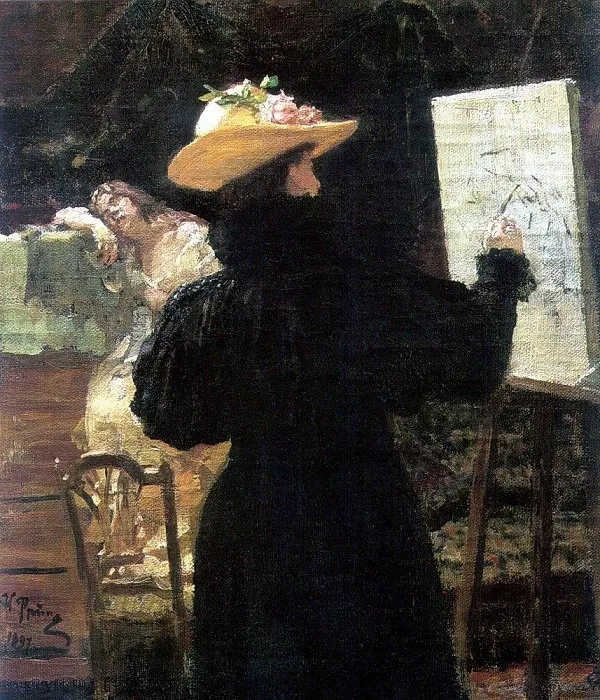
Portrait of Princess Maria Klavdievna Tenisheva while working is an oil painting by the Realist artist Ilya Repin. It dates from 1899 and is held in the collection of the National Gallery of Armenia.
About this work
Overview
Unlike formal portraits, this image emphasizes engagement over status, focusing on the subject’s专注 and presence in her creative space.
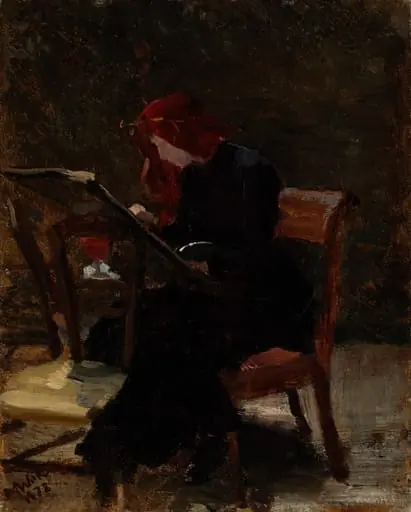
Painted in 1899 by Ilya Repin, this oil portrait captures Princess Maria Klavdievna Tenisheva in the act of painting. The work belongs to the National Gallery of Armenia’s collection and reflects Repin’s interest in portraying intellectual and artistic figures in moments of quiet labor. Unlike formal portraits, this image emphasizes engagement over status, focusing on the subject’s专注 and presence in her creative space.
Subject & Meaning
Princess Tenisheva, a patron of the arts and a painter herself, is depicted not as a noble figure in ceremonial attire, but as a working artist. Her posture and expression convey deep concentration, suggesting a personal commitment to her craft. The inclusion of her easel and brush underscores her dual identity—aristocrat and creator—challenging traditional expectations of women’s roles in late 19th-century society.
Technique & Style
Repin employs a restrained palette dominated by dark tones, with subtle highlights on the princess’s face and hands to draw attention to her activity. The brushwork is precise yet fluid, particularly in the rendering of fabric and loose hair, which adds a sense of immediacy. The background is minimally suggested, avoiding distraction and reinforcing the intimacy of the moment, a hallmark of Repin’s psychological portraiture.
History & Provenance
The painting was completed during a period when Repin was deeply involved with Russia’s artistic intelligentsia and often portrayed cultural figures in their studios. It entered the National Gallery of Armenia’s collection in the 20th century, likely through state acquisition following the redistribution of private collections after the Russian Revolution. Its provenance reflects broader shifts in cultural ownership during that era.
Context
In late 19th-century Russia, women of the nobility who pursued art were often seen as amateurs, yet Tenisheva was a respected figure in artistic circles, founding the Talashkino art colony. Repin’s decision to depict her at work aligns with a growing cultural shift that valued artistic labor over social status. The portrait quietly participates in this redefinition of female agency within the arts.
Legacy
The portrait remains a quiet testament to the intersection of class, gender, and artistic identity in imperial Russia. It is not widely reproduced, but among scholars, it is recognized for its unembellished dignity and its role in documenting the lives of women who shaped cultural life beyond the salon. Repin’s approach here anticipates later realist portrayals of artists as workers, not just icons.
Artist & collection
Artist
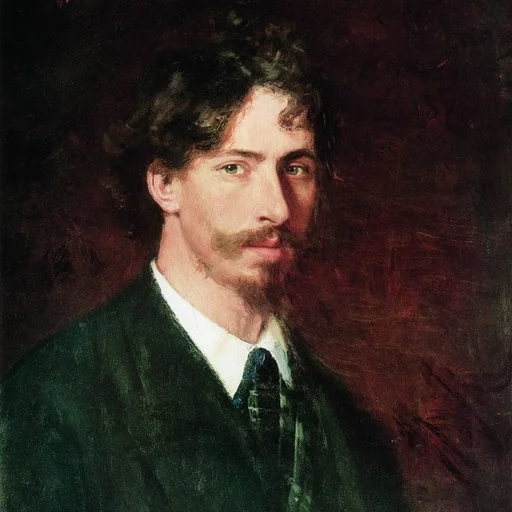
Ilya Yefimovich Repin (5 August 1844 – 29 September 1930) was a Ukrainian-born Russian painter.

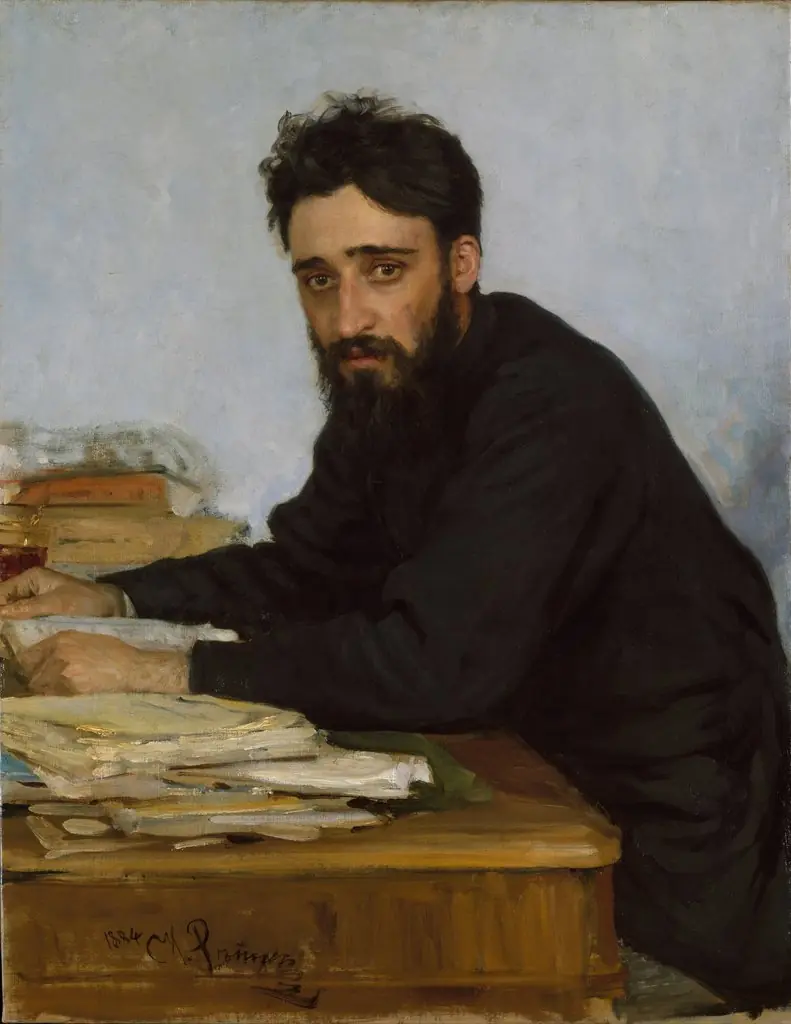 Vsevolod Mikhailovich Garshin (1855–1888)
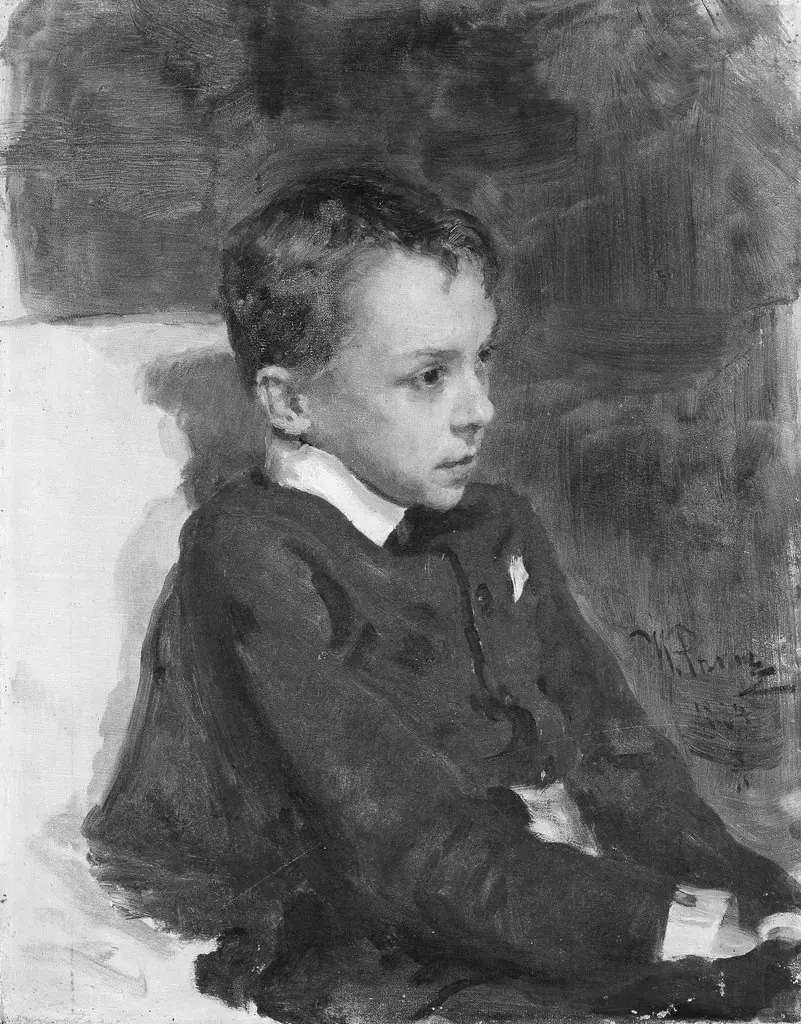 Portrait of a Boy
 Shepherd with a Flock of Sheep
 The Annual Memorial Meeting Near the Wall of the Communards in the Cemetery of Père-Lachaise in Paris
 The Great Men of Finland
 Portrait of Emperor Nicholas II
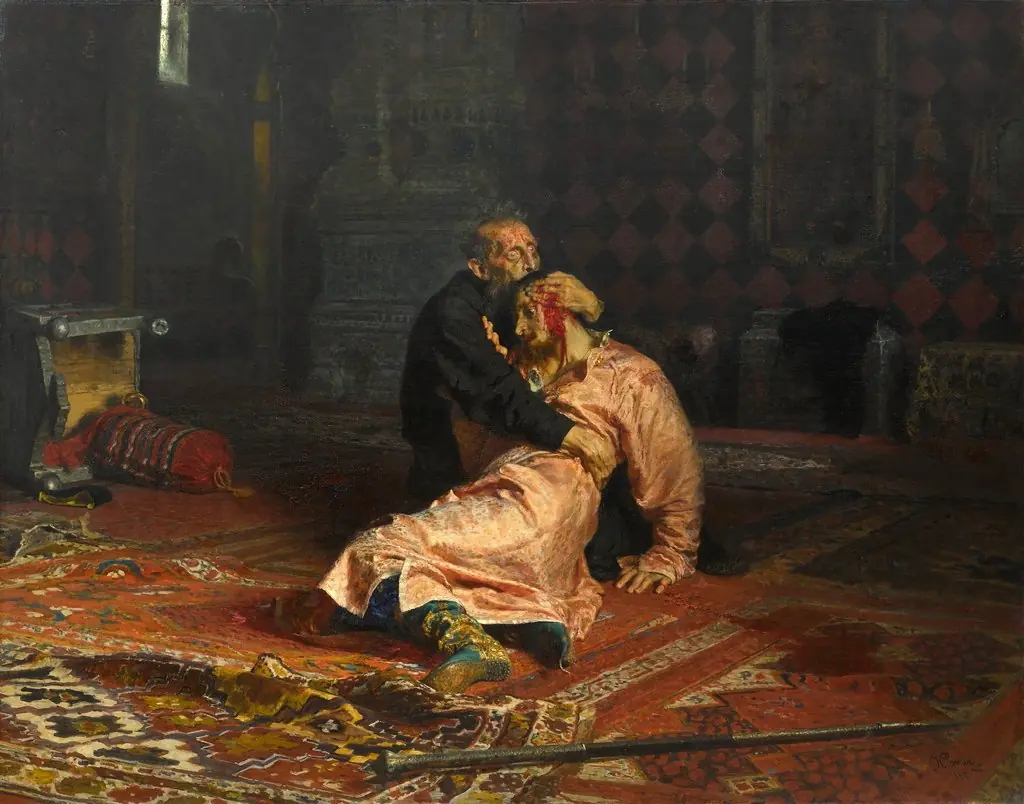 Ivan the Terrible and his son Ivan on November 16, 1581
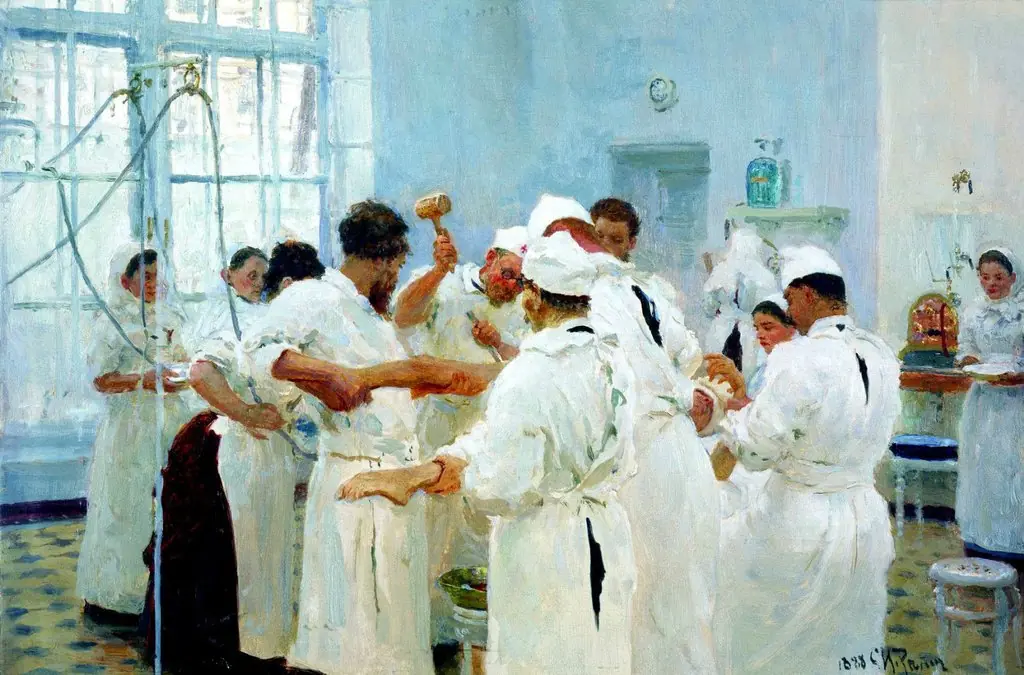 Surgeon E. V. Pavlov in the operating room