Artwork
Interior de atelier
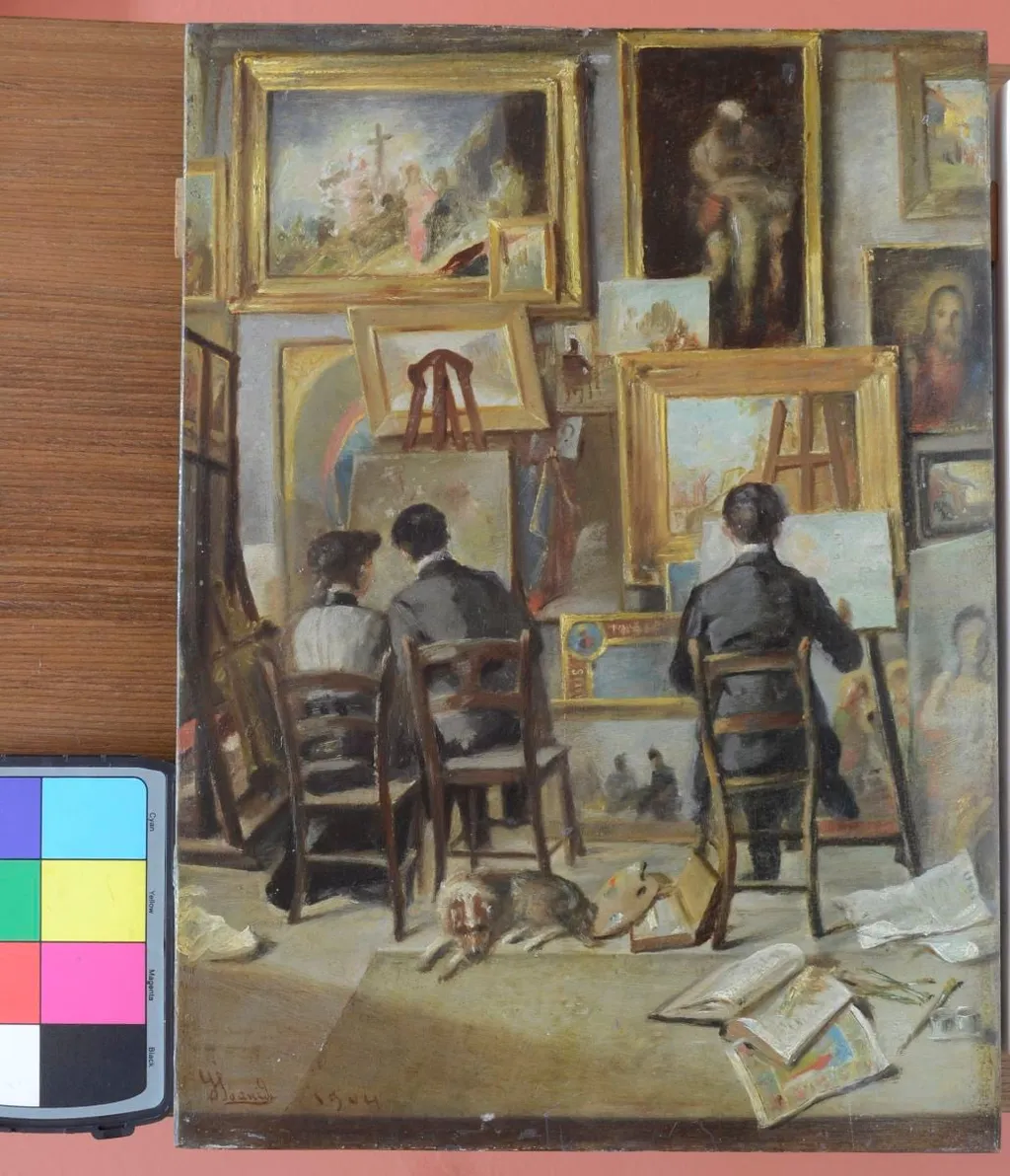
Interior de atelier is an unspecified painting by Gheorghe Ioanid. It dates from 1904 and is held in the collection of the National Museum of Art of Romania.
About this work
Overview
Gheorghe Ioanid’s 1904 composition titled *Interior de atelier* depicts a cramped studio space bustling with activity.
Gheorghe Ioanid’s 1904 composition titled *Interior de atelier* depicts a cramped studio space bustling with activity. Within the room three figures are present: two seated on wooden chairs at a modest table, attentively viewing a work on an easel, while a third stands, applying paint to his own canvas. The scene is populated by numerous framed artworks, scattered papers, brushes, and a dog resting on the floor.
Subject & Meaning
The painting offers a glimpse into the daily routine of an artist’s workshop, emphasizing the collaborative and observational aspects of creation. By showing colleagues examining a piece together, Ioanid suggests a shared critical dialogue, while the standing painter embodies the act of production. The inclusion of a dog and the disorder of materials underscores the lived‑in, informal nature of artistic labor.
Technique & Style
Ioanid employs a pronounced impasto technique, laying on thick layers of paint that capture light and shadow with tactile vigor. The brushwork is textured and expressive, lending a sense of depth to the cluttered interior. Warm, muted tones dominate, avoiding glossy finishes and reinforcing the intimate, bustling atmosphere of the studio environment.
History & Provenance
Created in 1904, *Interior de atelier* reflects a period when Romanian artists were increasingly documenting their own working conditions. While specific ownership records are limited, the work has been referenced in early 20th‑century exhibitions of Romanian genre painting, indicating its recognition as a representative example of studio scene narratives of the era.
Artist & collection
Artist
Gheorghe Ioanid made a single painting in our bundle: *Interior de atelier* from 1904.

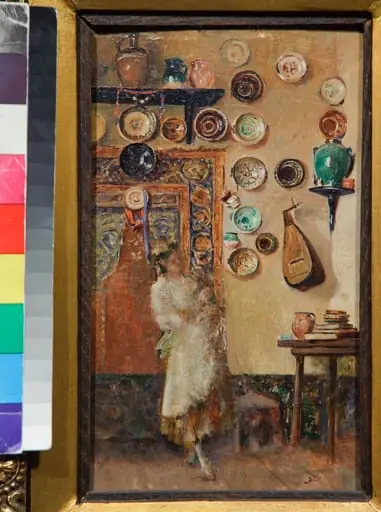 Interior
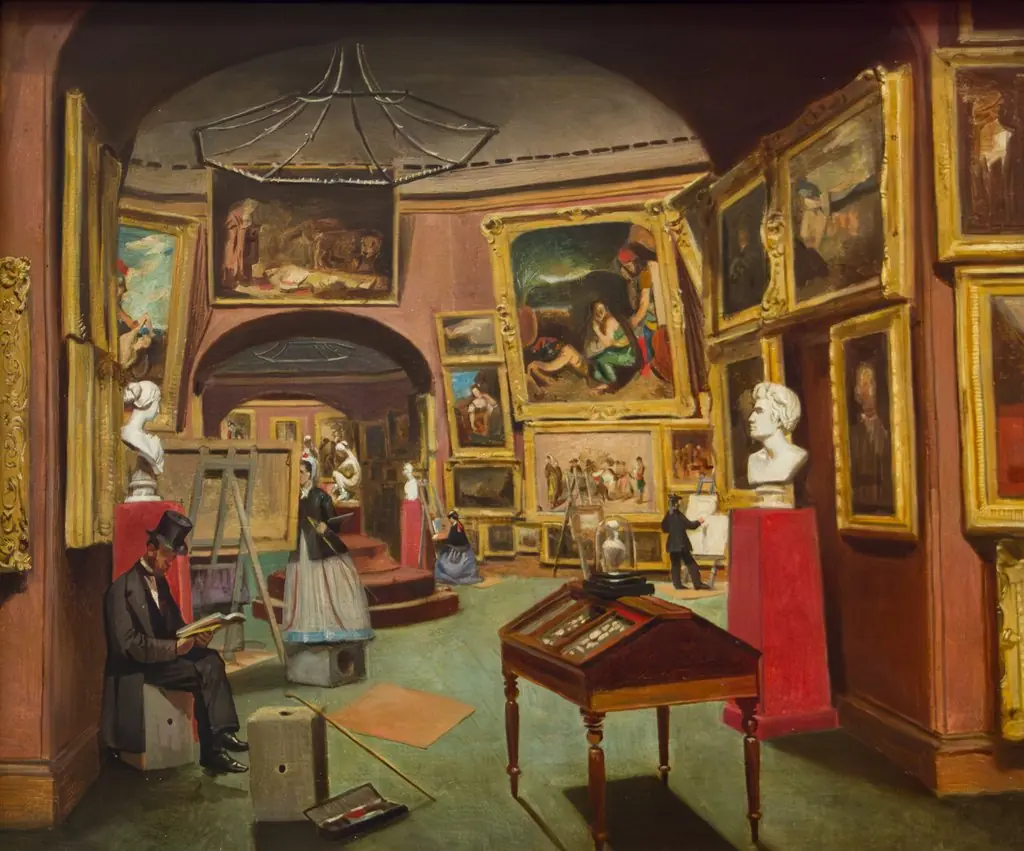 The Interior of the National Gallery of Scotland, c 1867 - 1877
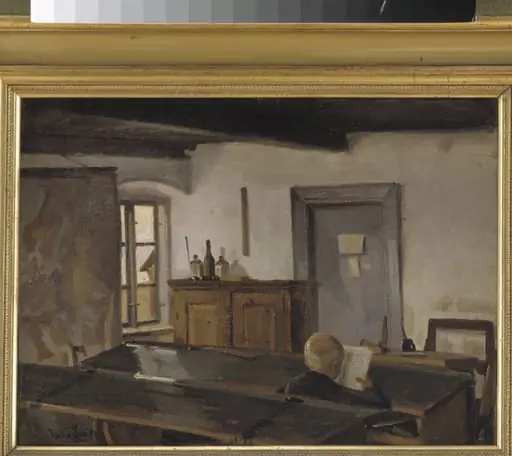 En skolestue med en læsende dreng
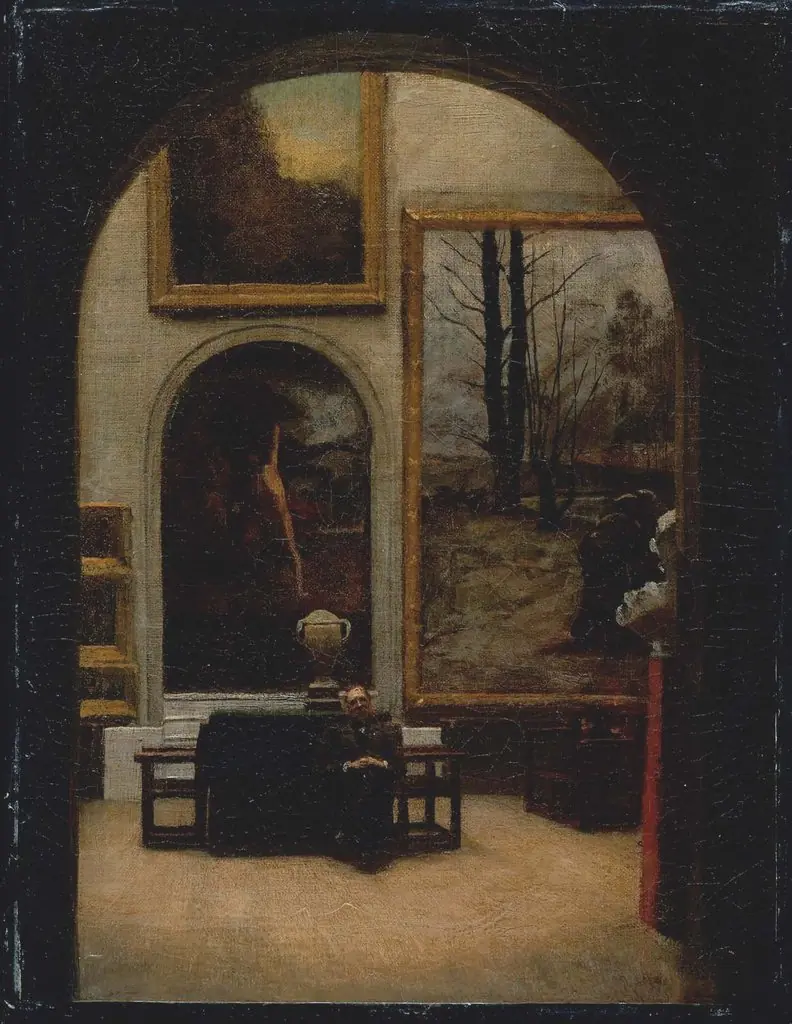 Gallery of the Museum of Fine Arts, Copley Square
 Interiør fra et bondehus
 Interior din atelierul pictorului
 Et hus på Alheden
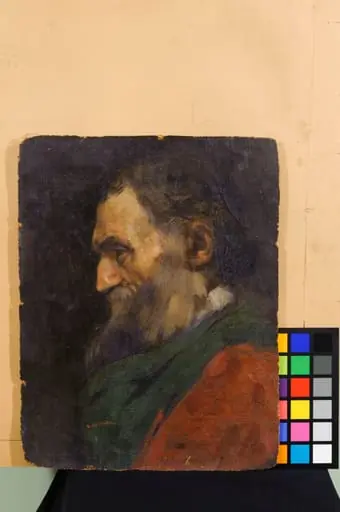 Profil de bărbat
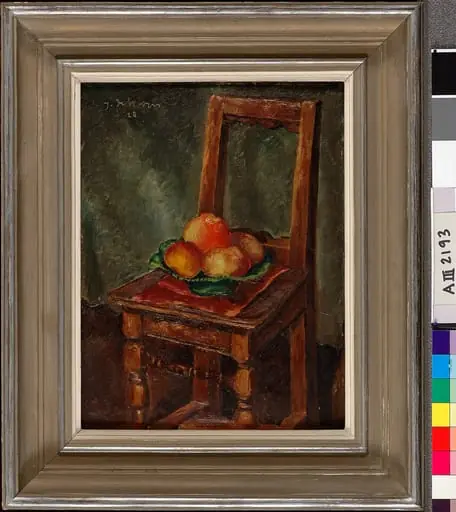 Asetelma tuolilla
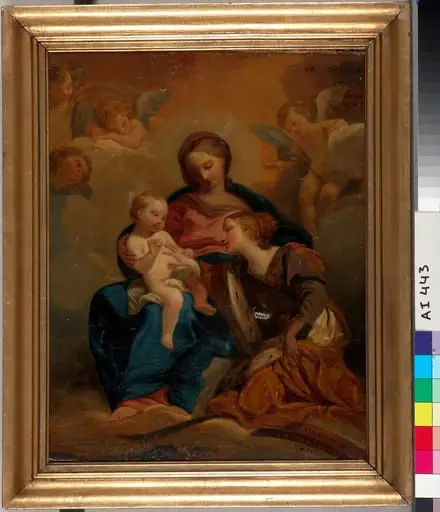 Pyhän Katariinan kihlaus, kopio
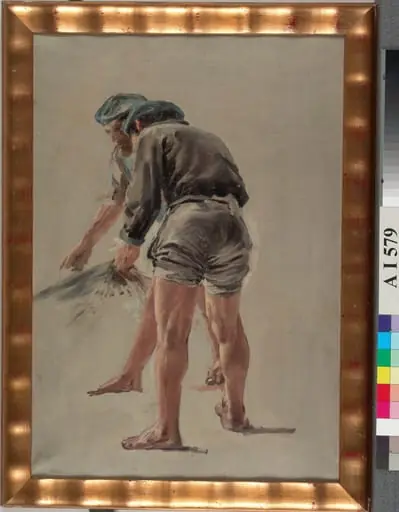 Kaksi italialaista kalastajaa, harjoitelma Nuotanveto Korsikan rannikolla-nimistä maalausta varten
 Buchet cu flori într-un vas