Artwork
Ηλεκτρικό κύκλωμα
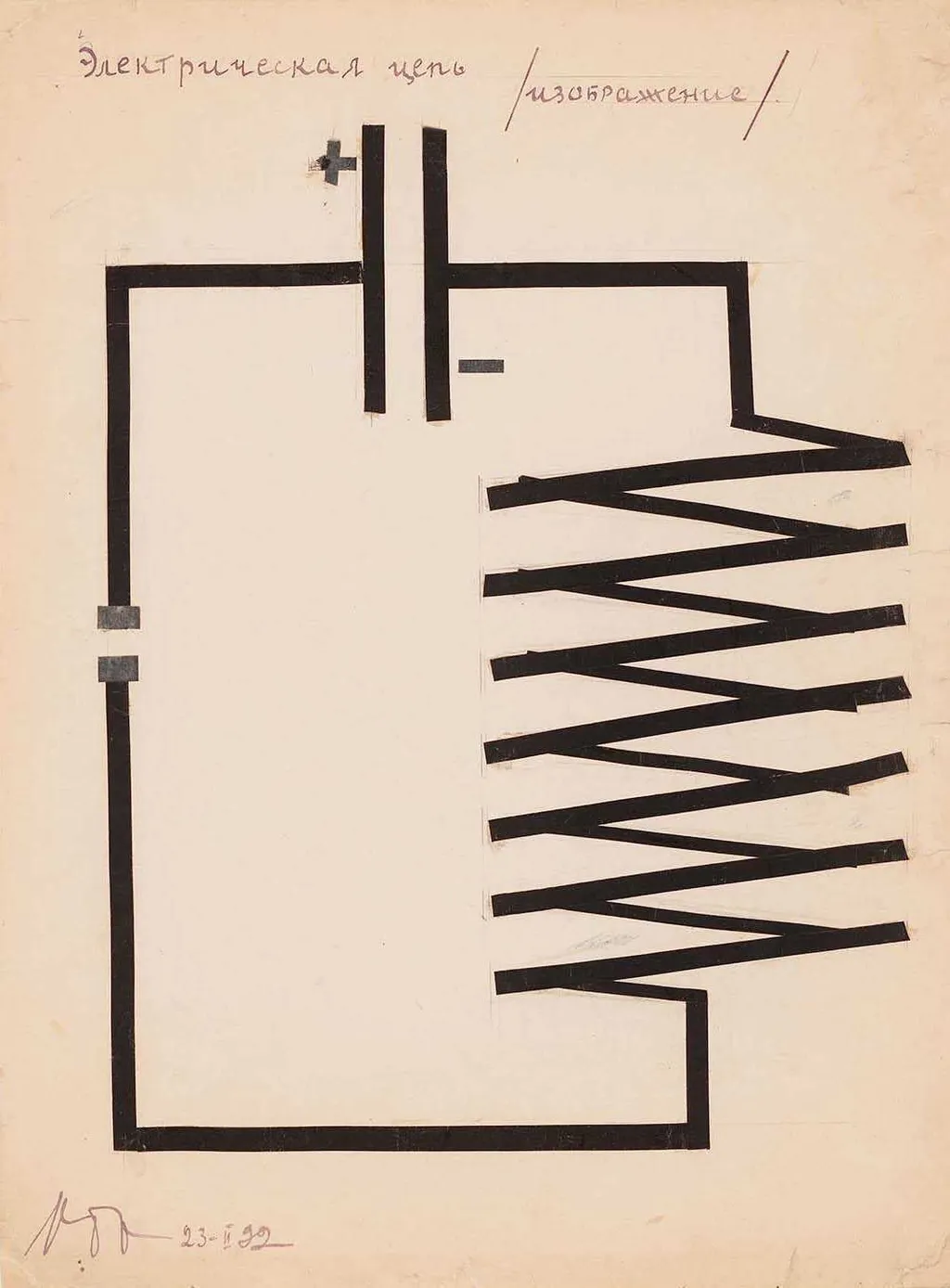
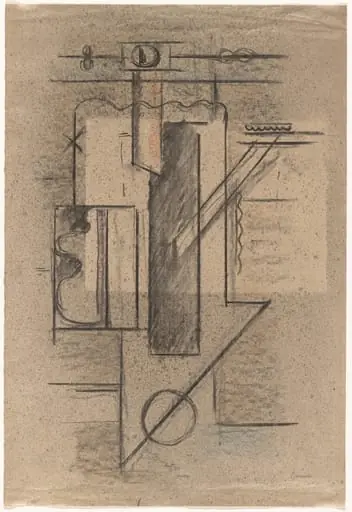
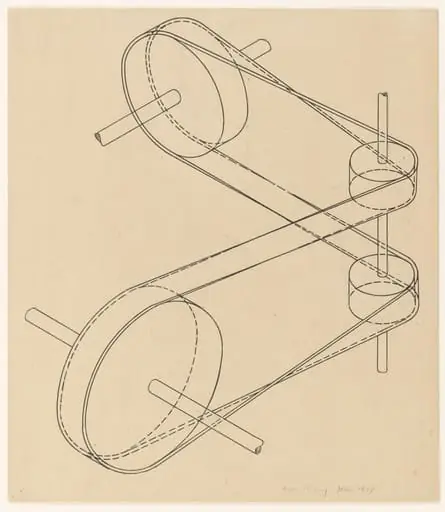
Ηλεκτρικό κύκλωμα is a drawing by Karel Ioganson. It dates from 1922 and is held in the collection of the Metropolitan Organisation of Museums of Visual Arts of Thessaloniki – MOMus.
About this work
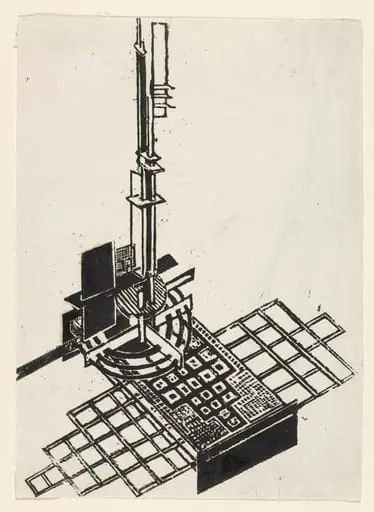
This drawing shows tangled wires on a blank page. The lines look sharp and precise, like a diagram. It’s not just art—it’s almost scientific in how it’s drawn.
Ioganson made this in 1922. Back then, some artists loved machines and electricity. They thought art should look like new technology, not old paintings.
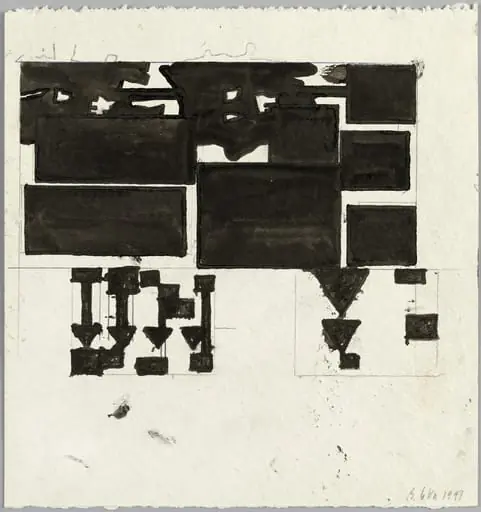
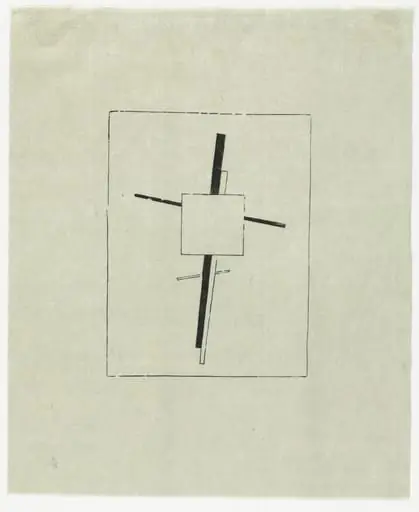
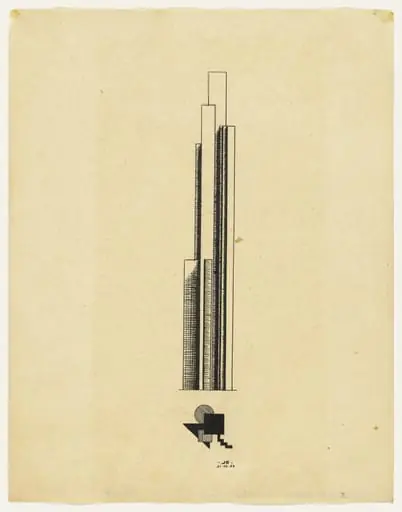
See more like this at the Museum of Ethnography.
Overview
Created in 1922, the drawing titled “Electric Circuit” by Karel Ioganson belongs to the Russian avant‑garde’s experimental phase. Executed as part of the Institute of Artistic Culture’s (INKHUK) constructive exercises, the work consists of a network of sharply rendered wires against a plain background, echoing the visual language of technical diagrams.
Subject & Meaning
The composition celebrates electricity as a defining invention of modernity. By arranging tangled yet precise lines, Ioganson visualizes the invisible flow of energy, positioning the drawing as a homage to the transformative power of electrical technology within early‑twentieth‑century culture.
Technique & Style
Rendered with meticulous line work, the piece adopts a quasi‑scientific aesthetic. The crisp, diagrammatic quality reflects the avant‑garde’s interest in reducing form to its functional essence, aligning visual practice with the rational principles of engineering and physics.
Context
In the late 1910s Russian artists, inspired by rapid technological change, embraced theories that linked light, color, and form. Kliment Redko’s manifesto on “Electro‑Organism” argued that understanding light’s laws dictated artistic texture. Ioganson’s drawing translates this idea, treating light as an energetic force comparable to electricity.
Legacy
“Electric Circuit” exemplifies the period’s shift toward mechanistic representation, influencing subsequent constructivist and suprematist works that integrated scientific concepts into visual art. The drawing remains a reference point for studies of how early Soviet artists incorporated technological discourse into their practice.
Artist & collection
Museum
Metropolitan Organisation of Museums of Visual Arts of Thessaloniki – MOMus
Continue through works from the same source collection.