Artwork
Untitled
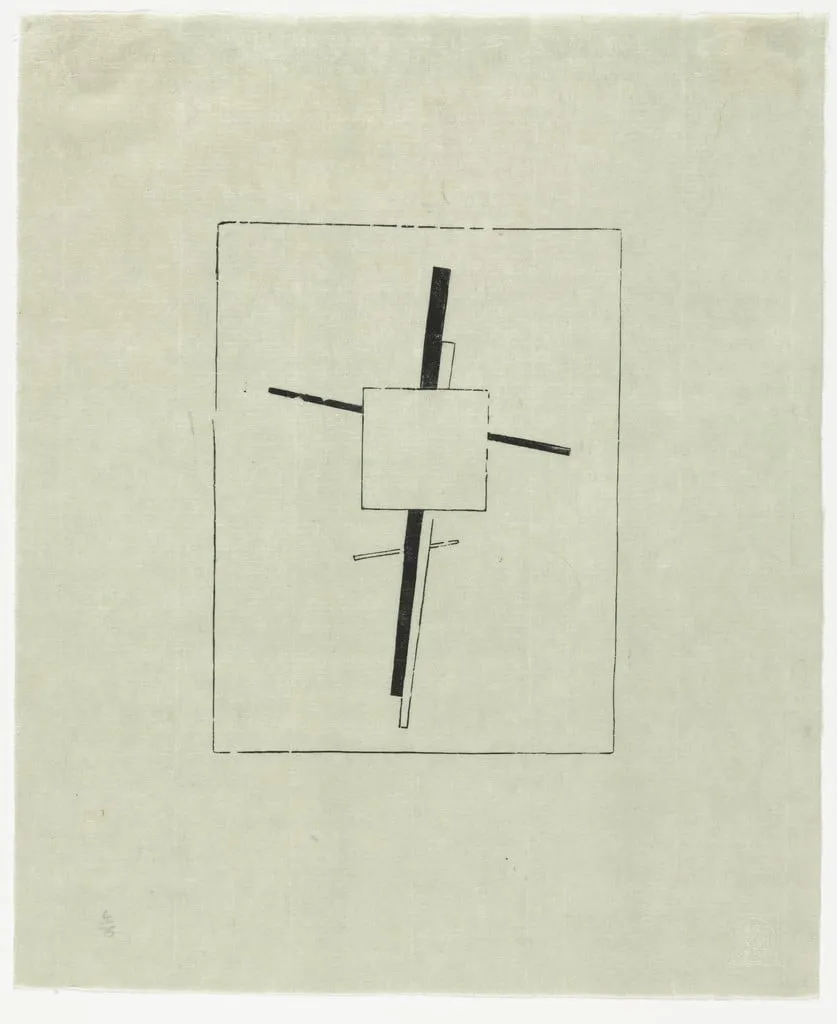
Untitled is a print by Kazimir Malevich. It dates from 1920 and is held in the collection of the Museum of Modern Art.
About this work
Overview
Created in 1920, this linoleum cut is one of Kazimir Malevich’s post-painting works, reflecting his continued exploration of abstract form beyond canvas.
Created in 1920, this linoleum cut is one of Kazimir Malevich’s post-painting works, reflecting his continued exploration of abstract form beyond canvas. Though titled *Untitled*, it embodies the principles of Suprematism, the movement he initiated in 1915. The print’s minimal composition—black lines on a pale ground—demonstrates his shift toward printmaking as a means to disseminate geometric abstraction, aligning with broader avant-garde goals of accessibility and industrial reproduction.
Subject & Meaning
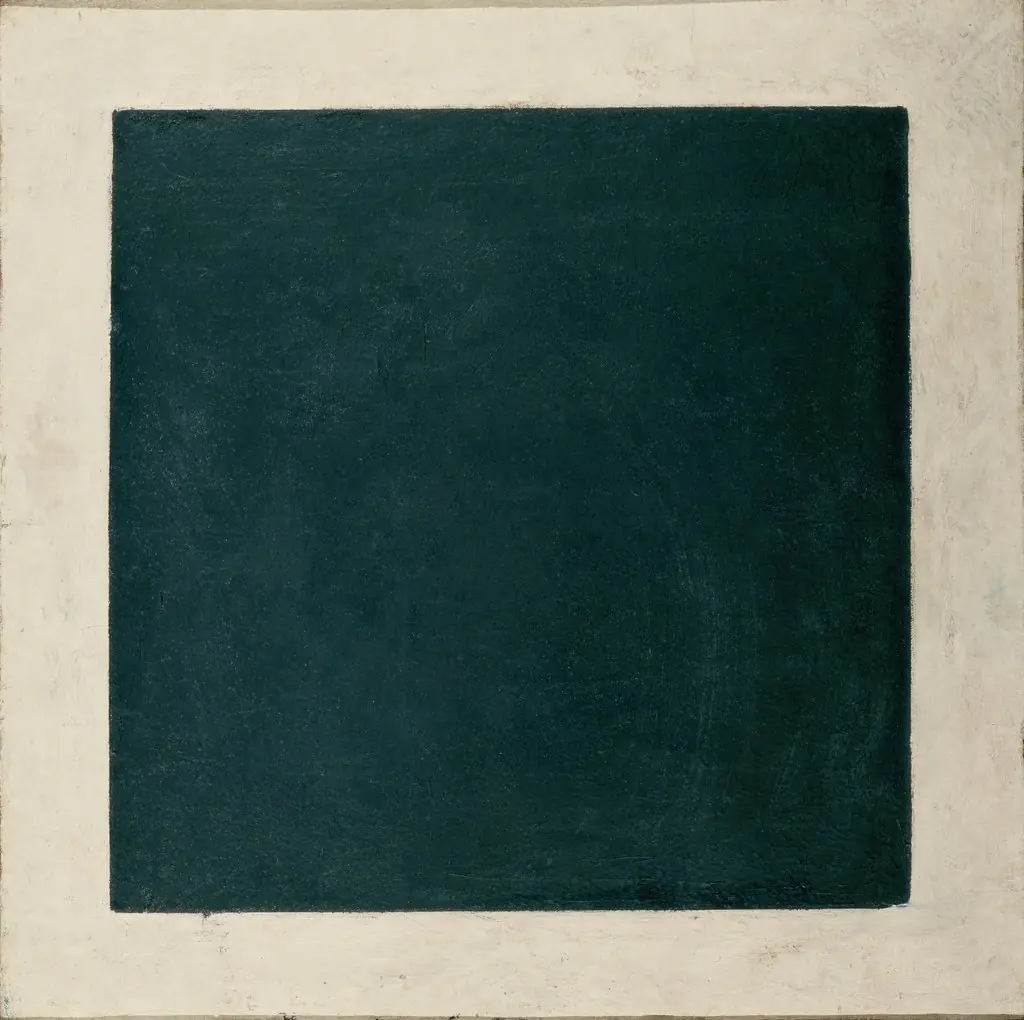
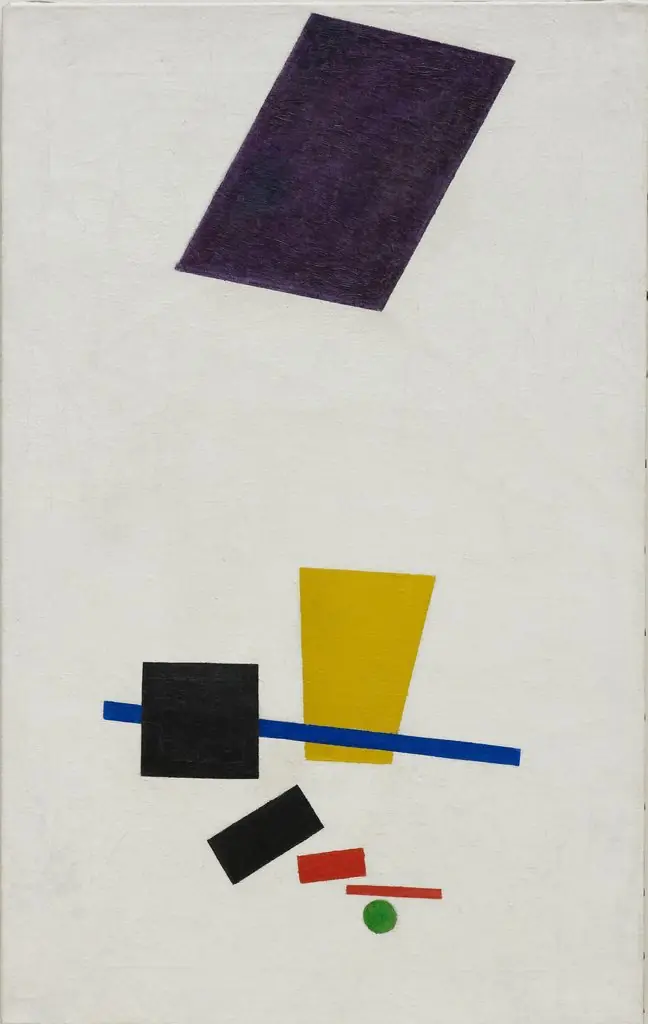
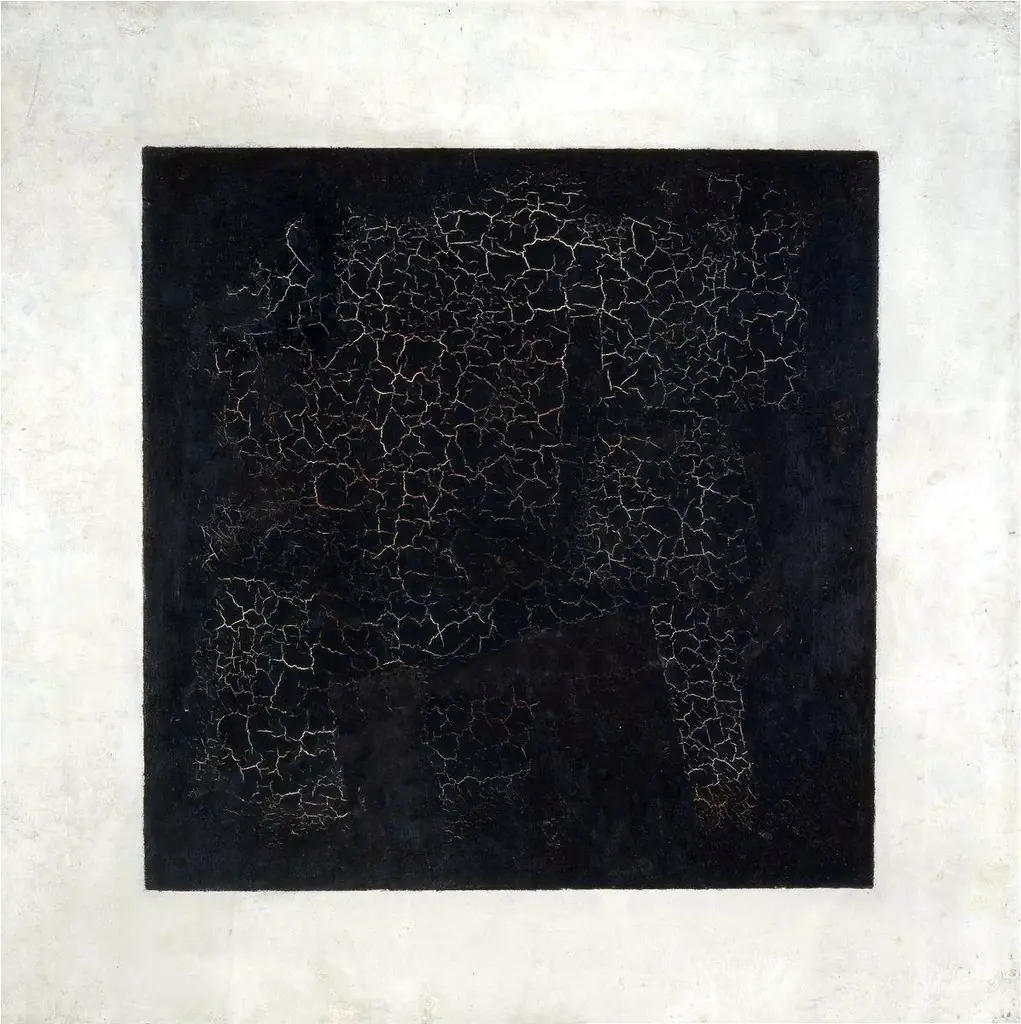
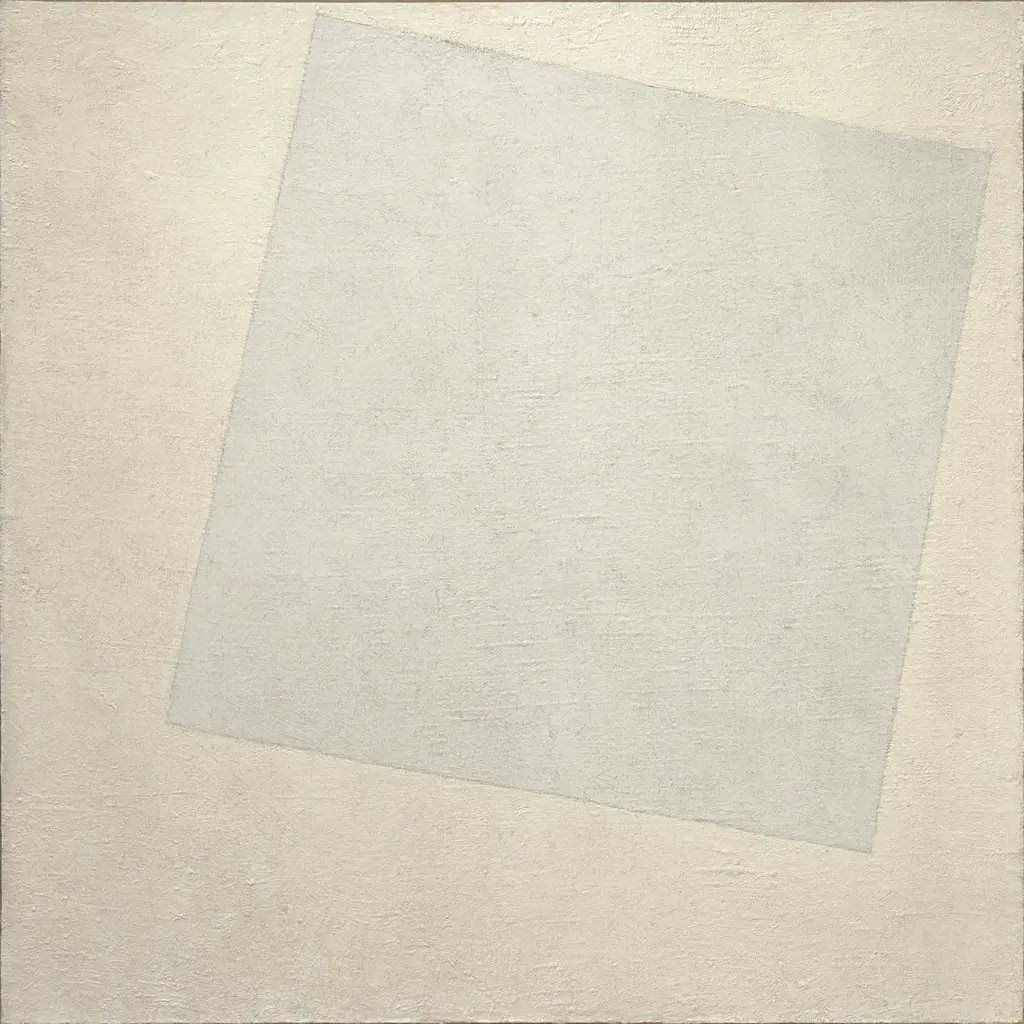
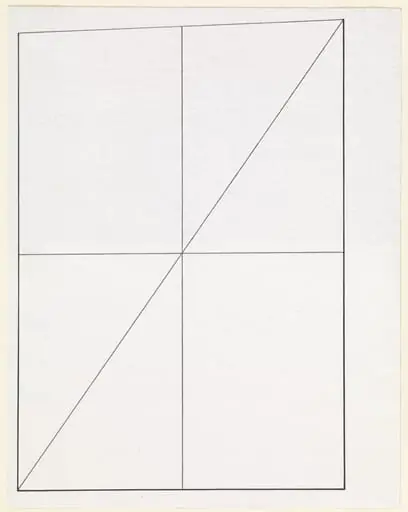
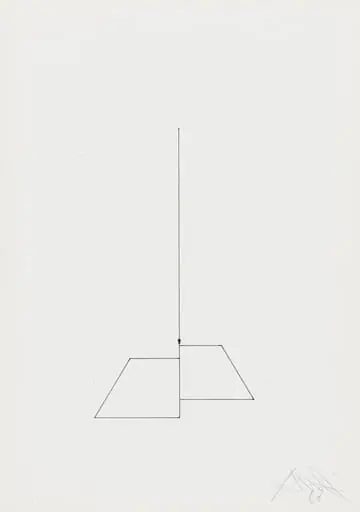
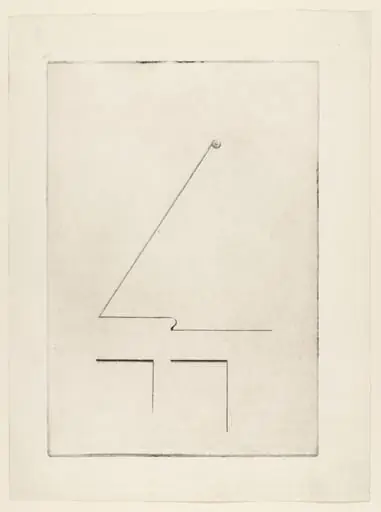
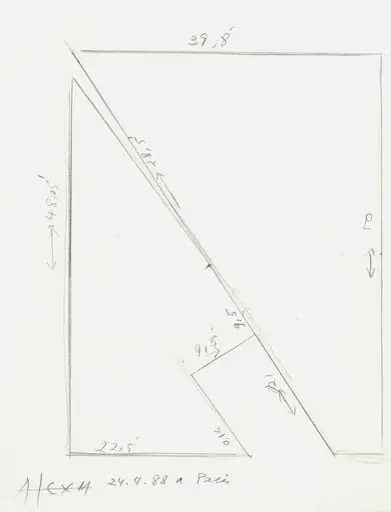
The work contains no representational elements; its subject is pure form. A central square, bisected by a single line, anchors the composition, surrounded by sparse, asymmetrical strokes. These elements evoke spatial relationships without referencing the physical world. Malevich intended such forms to express pure feeling and spiritual purity, stripping art of narrative or objectivity to focus on the emotional resonance of geometry itself.
Technique & Style
Executed as a linoleum cut, the print relies on bold, hand-carved lines and flat tonal contrasts. The artist’s hand is evident in the slight irregularities of the edges, suggesting a direct, tactile process. The stark black-on-light palette and restrained geometry reflect Suprematist ideals: reduction to essential forms, elimination of ornament, and emphasis on balance through asymmetry. The technique’s simplicity allowed for multiple impressions, supporting Malevich’s interest in art’s broader social reach.
History & Provenance
This print entered The Museum of Modern Art’s collection in the mid-20th century, following the international recognition of Russian avant-garde work after World War II. Its preservation reflects growing scholarly interest in Malevich’s lesser-known graphic output. Prior to its acquisition, it likely circulated among Soviet artists and collectors during the 1920s, a period when Malevich’s ideas influenced design and pedagogy despite political pressures.
Context
In 1920, Russia was emerging from revolution and civil war. Malevich, once celebrated by the new Soviet state, faced increasing ideological scrutiny as socialist realism gained favor. His turn to printmaking may have been both a practical adaptation and a quiet resistance—using accessible media to preserve abstract ideals outside state-sanctioned imagery. This work exists alongside other graphic experiments from his late 1910s to early 1920s period.
Legacy
Though less visible than his paintings, Malevich’s linoleum cuts influenced later generations of minimalist and conceptual artists. Their emphasis on reduction, repetition, and industrial technique prefigured movements in postwar design and print culture. This piece remains a quiet testament to his belief that art could transcend representation—not through complexity, but through the clarity of elemental form.
Artist & collection
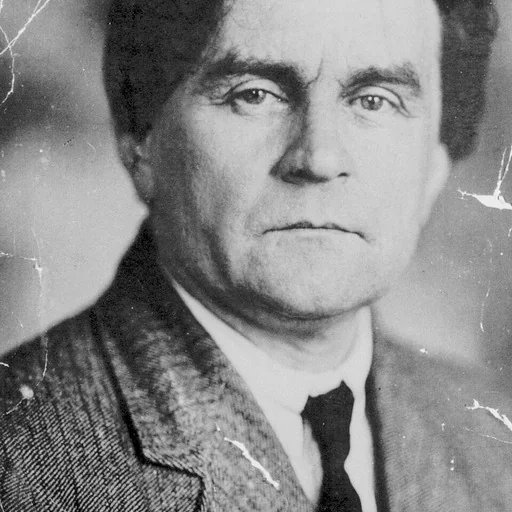
Artist
Kazimir Severinovich Malevich (23 February 1879 – 15 May 1935) was a Russian avant-garde artist and art theorist, whose work and writings pioneered the development of abstract painting in the 20th century.