Artwork
Moară de vânt
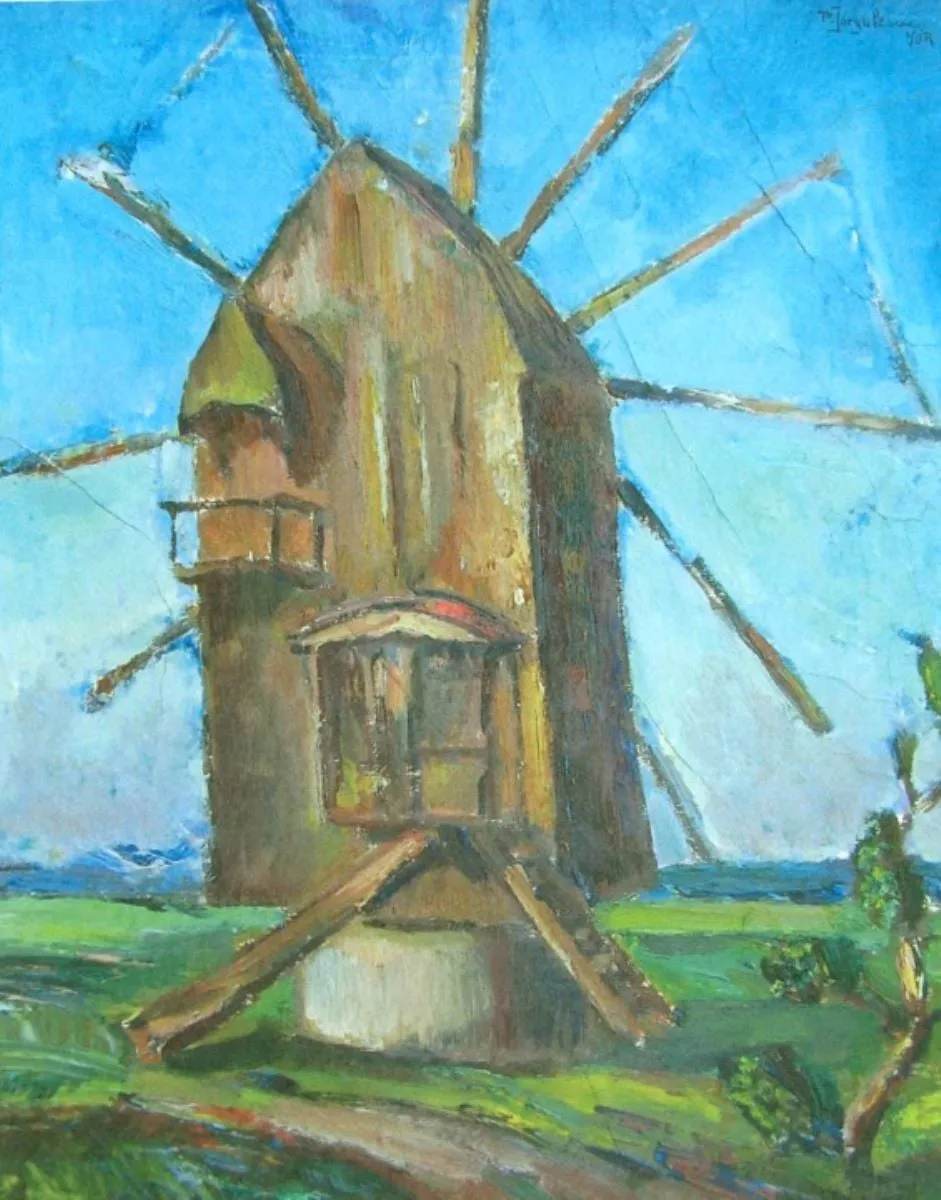
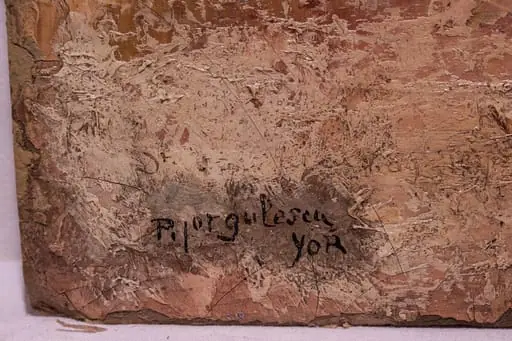
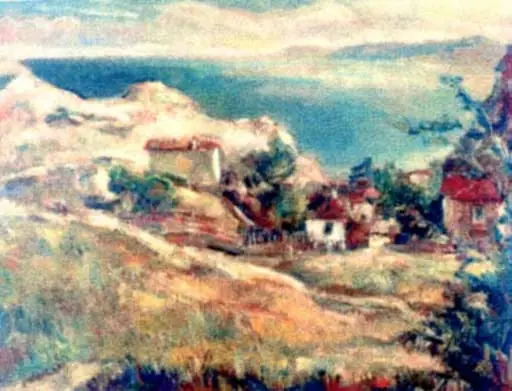
Moară de vânt is an unspecified painting by Petre Iorgulescu-Yor. It dates from 1924 and is held in the collection of the Octavian Moșescu Râmnicu Sărat Municipal Museum.
About this work
Overview
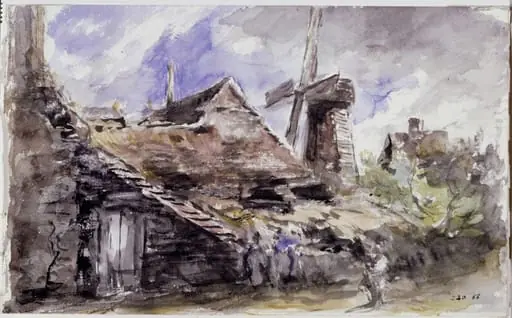
Painted around 1924 by Romanian artist Petre Iorgulescu-Yor, *Moară de vânt* is a landscape dominated by a solitary windmill. Executed in an Expressionist idiom, the work prioritizes emotional resonance over literal representation. The painting is part of the Museum of Ethnography’s collection, reflecting its cultural significance within Romanian modernist art of the early 20th century.
Subject & Meaning
The windmill stands as a quiet emblem of rural life, isolated against a pale sky. Its weathered form, simplified yet sturdy, suggests endurance amid change. The absence of human figures or narrative detail shifts focus to the structure’s presence, evoking themes of resilience and the passage of time rather than depicting a specific event or location.
Technique & Style
The sky is rendered in flat, even tones, contrasting with the rough, dark lines of the blades and the earthy greens and browns of the ground.
Iorgulescu-Yor employed thick, textured brushwork to convey the windmill’s wooden surfaces, using impasto to suggest age and materiality. The sky is rendered in flat, even tones, contrasting with the rough, dark lines of the blades and the earthy greens and browns of the ground. This deliberate simplification and emphasis on tactile surfaces align with Expressionist priorities over naturalistic detail.
History & Provenance
Created during a period of intense artistic experimentation in Romania, the painting entered the Museum of Ethnography’s holdings early in its history. Its preservation within an institution focused on cultural heritage underscores its role as both an artistic and anthropological document of rural Romanian life in the interwar years.
Context
Iorgulescu-Yor worked amid a broader European shift toward emotional expression in art, distancing from academic realism. In Romania, artists like him engaged with local motifs through modernist lenses, blending folk imagery with avant-garde techniques. *Moară de vânt* reflects this synthesis, grounding Expressionism in the visual language of the Romanian countryside.
Legacy
The painting remains a representative example of Romanian Expressionism’s engagement with vernacular subjects. While not widely exhibited internationally, it holds a steady place in national collections as a quiet testament to how modernist sensibilities were adapted to local landscapes and cultural memory.
Artist & collection
Artist
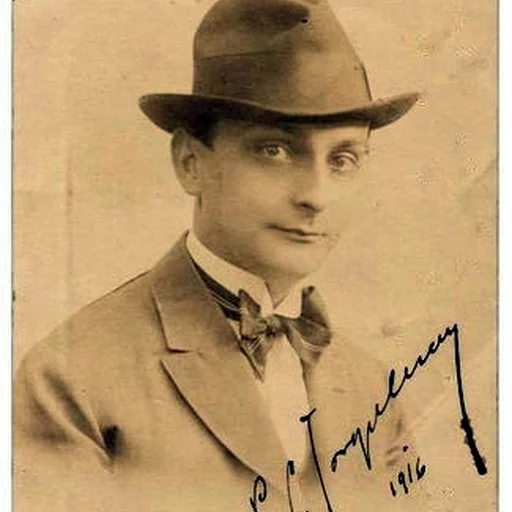
Petre Iorgulescu-Yor (24 December 1890, Râmnicu Sărat – 29 April 1939, Bucharest) was a Romanian Expressionist painter of Jewish and Greek ancestry.
Museum
Octavian Moșescu Râmnicu Sărat Municipal Museum
Continue through works from the same source collection.