Artwork
Amsterdam household maids
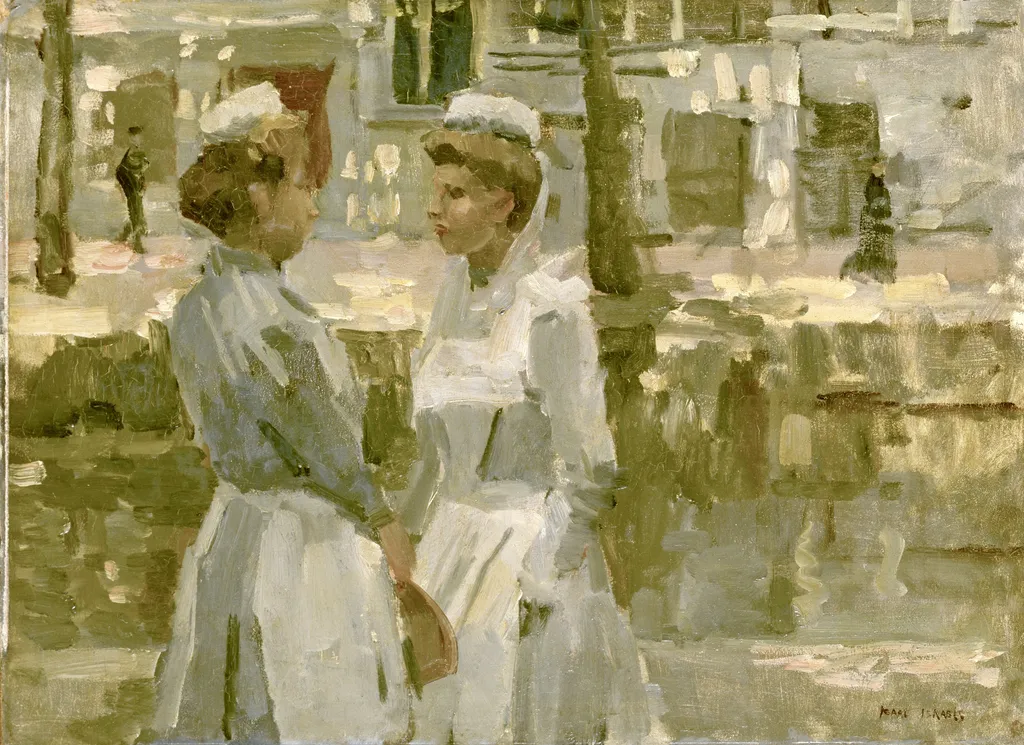
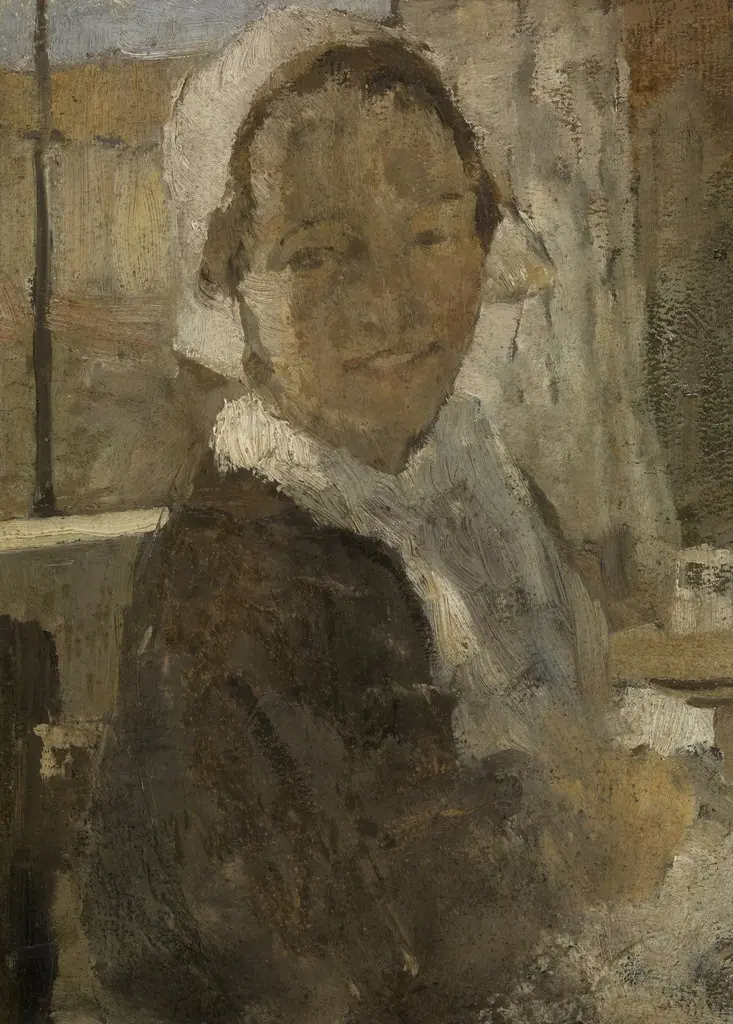
Amsterdam household maids is an oil painting by the Impressionist artist Isaac Israëls. It dates from 1898 and is held in the collection of the Rijksmuseum.
About this work
It captures the quiet intimacy of a moment between two women, and invites the viewer to ponder their story.
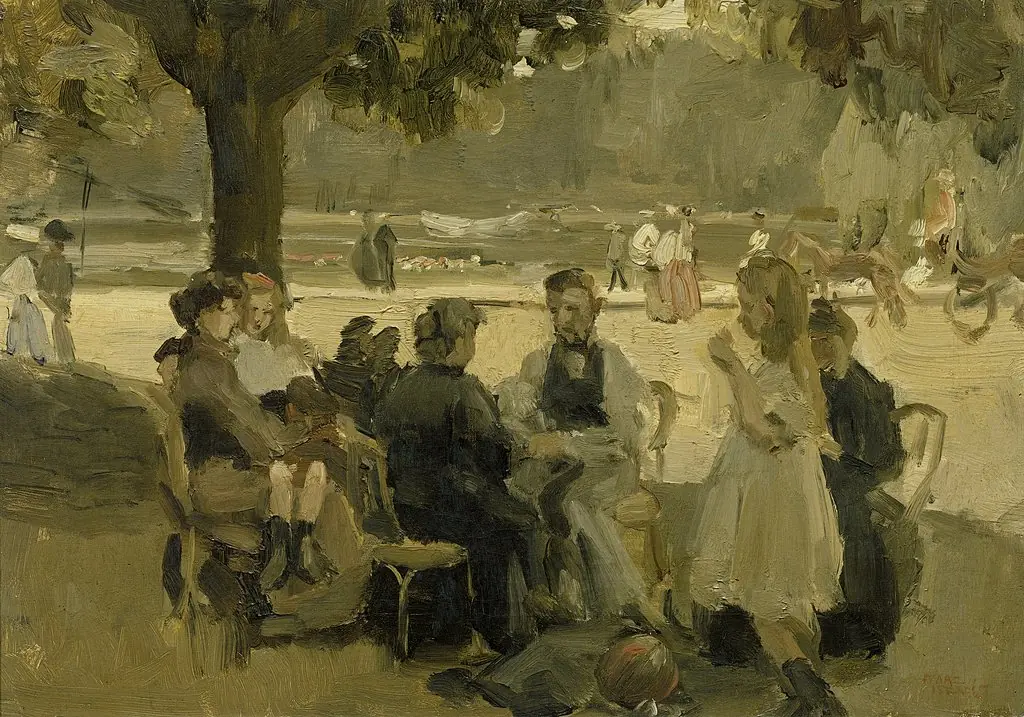
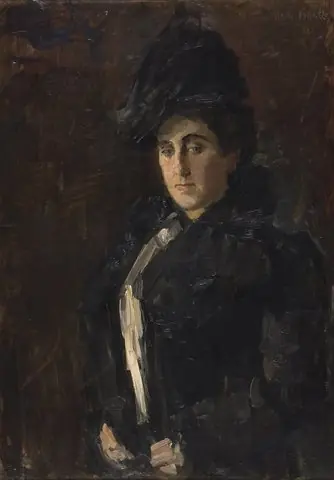
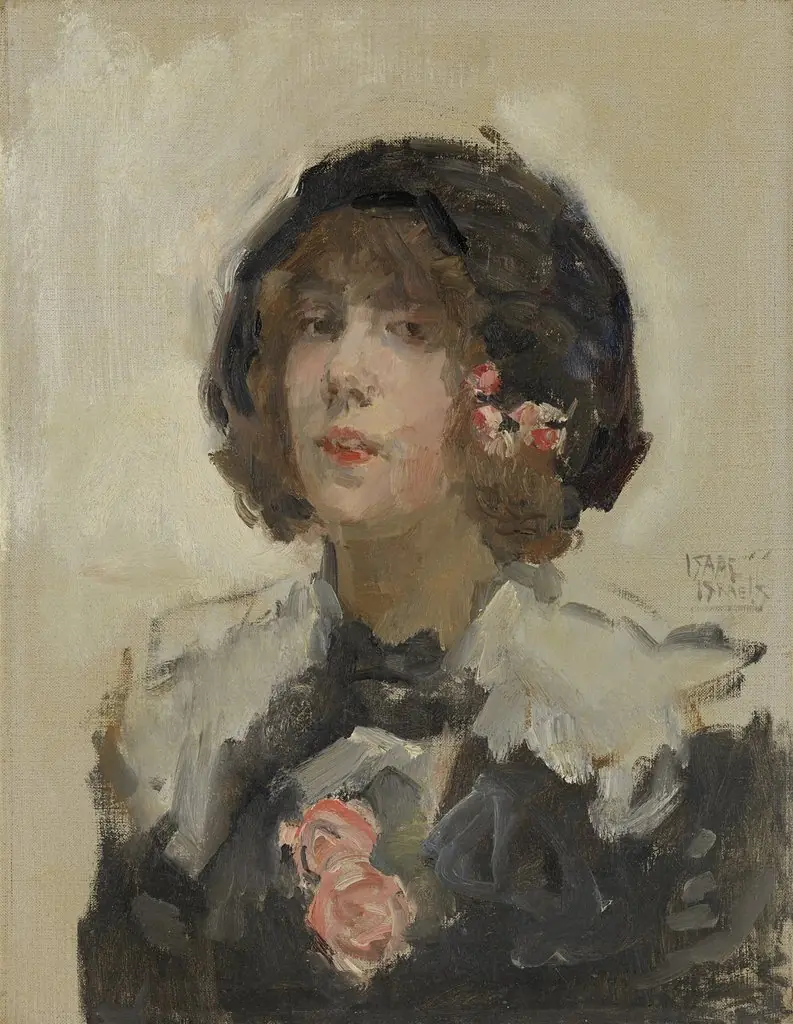
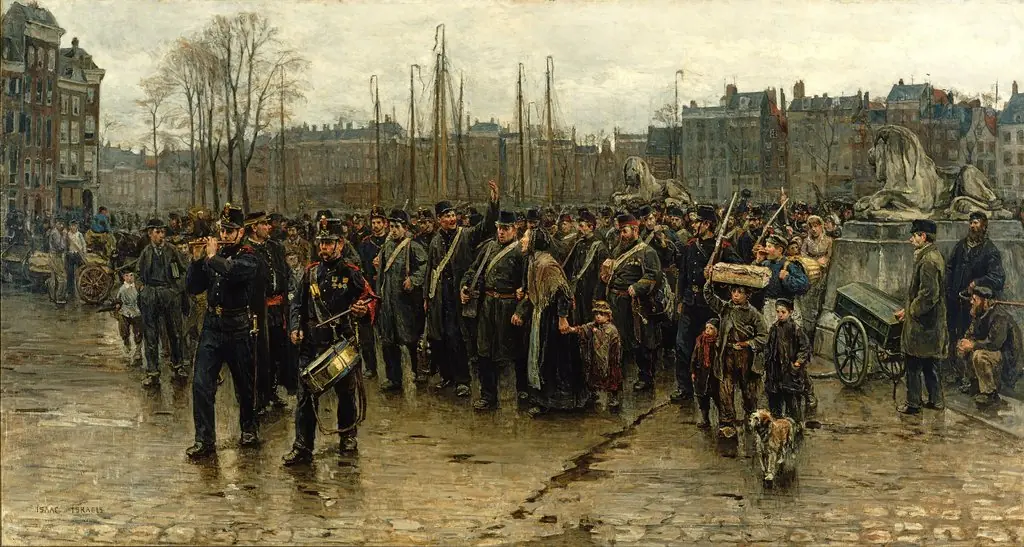
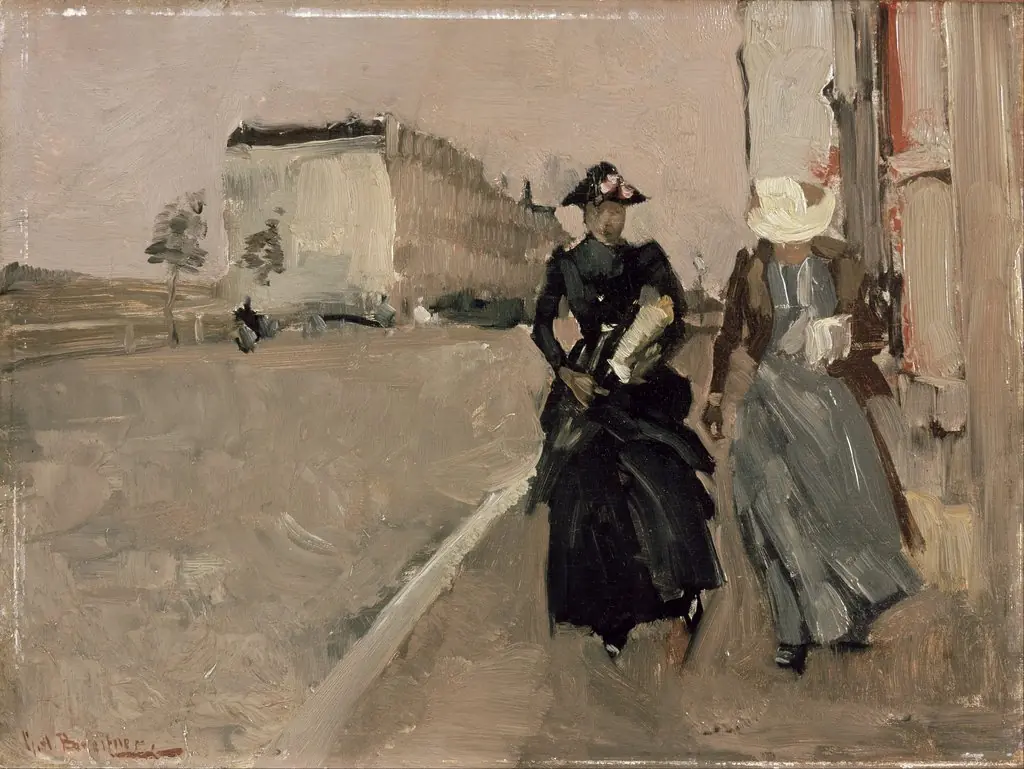
This painting depicts two women in white dresses and aprons, standing in front of a building. They are wearing hats and appear to be engaged in conversation. The background is a blurred cityscape with a few people walking in the distance.
The artist has used a muted color palette, with shades of gray, brown, and beige dominating the scene. The brushstrokes are loose and expressive, giving the painting a sense of movement and energy.
The painting is a snapshot of everyday life in Amsterdam in the late 19th century. It captures the quiet intimacy of a moment between two women, and invites the viewer to ponder their story. Check out more works by the artist: Isaac Israëls.
Overview
Painted in 1898 by Isaac Israëls, this oil-on-canvas work portrays two domestic workers in Amsterdam, capturing a fleeting moment of quiet interaction. Belonging to the genre of everyday life scenes, it reflects the artist’s engagement with urban realism and the informal aesthetics of late 19th-century Dutch painting. The piece is part of the Rijksmuseum’s permanent collection, where it contributes to broader narratives of social observation in Dutch art.
Subject & Meaning
The painting centers on two maids in white dresses and aprons, standing near a building facade, engaged in subdued conversation. Their hats and posture suggest a pause in labor, hinting at brief moments of respite amid routine work. Israëls avoids dramatization, instead presenting them with dignity and anonymity, inviting reflection on the private lives of working women in a rapidly modernizing city.
Technique & Style
Israëls employed loose, visible brushwork to convey atmosphere rather than detail, aligning with Impressionist tendencies. The palette is restrained—dominated by grays, beiges, and muted browns—enhancing the sense of urban subtlety. Background figures and architecture are rendered with soft focus, drawing attention to the central figures while preserving the ambient texture of city life.
History & Provenance
Created during Israëls’s mature period, the painting entered the Rijksmuseum’s collection in the early 20th century. It has remained in public ownership since, with no documented private transactions. Its inclusion in the museum’s holdings reflects institutional recognition of Israëls’s role in documenting Amsterdam’s social fabric through intimate, unidealized scenes.
Context
In late 19th-century Amsterdam, domestic service was a common occupation for women, often performed under modest conditions. Israëls’s focus on such figures aligns with broader European trends toward depicting working-class life without romanticization. The painting reflects a shift in artistic interest from grand narratives to the quiet rhythms of urban labor and social interaction.
Legacy
The work endures as a quiet testament to the visibility of domestic labor in art. While not widely reproduced, it contributes to scholarly discussions on gender, class, and representation in Dutch Impressionism. Its presence in the Rijksmuseum ensures continued access for viewers interested in the everyday lives of historical urban populations.
Own this work as a print
Artist & collection

Artist
Isaac Lazarus Israëls (Dutch pronunciation: ; 3 February 1865 – 7 October 1934) was a Dutch painter associated with the Amsterdam Impressionism movement.