Artwork
Jan Hendrik van Rijswijk (b 1717)
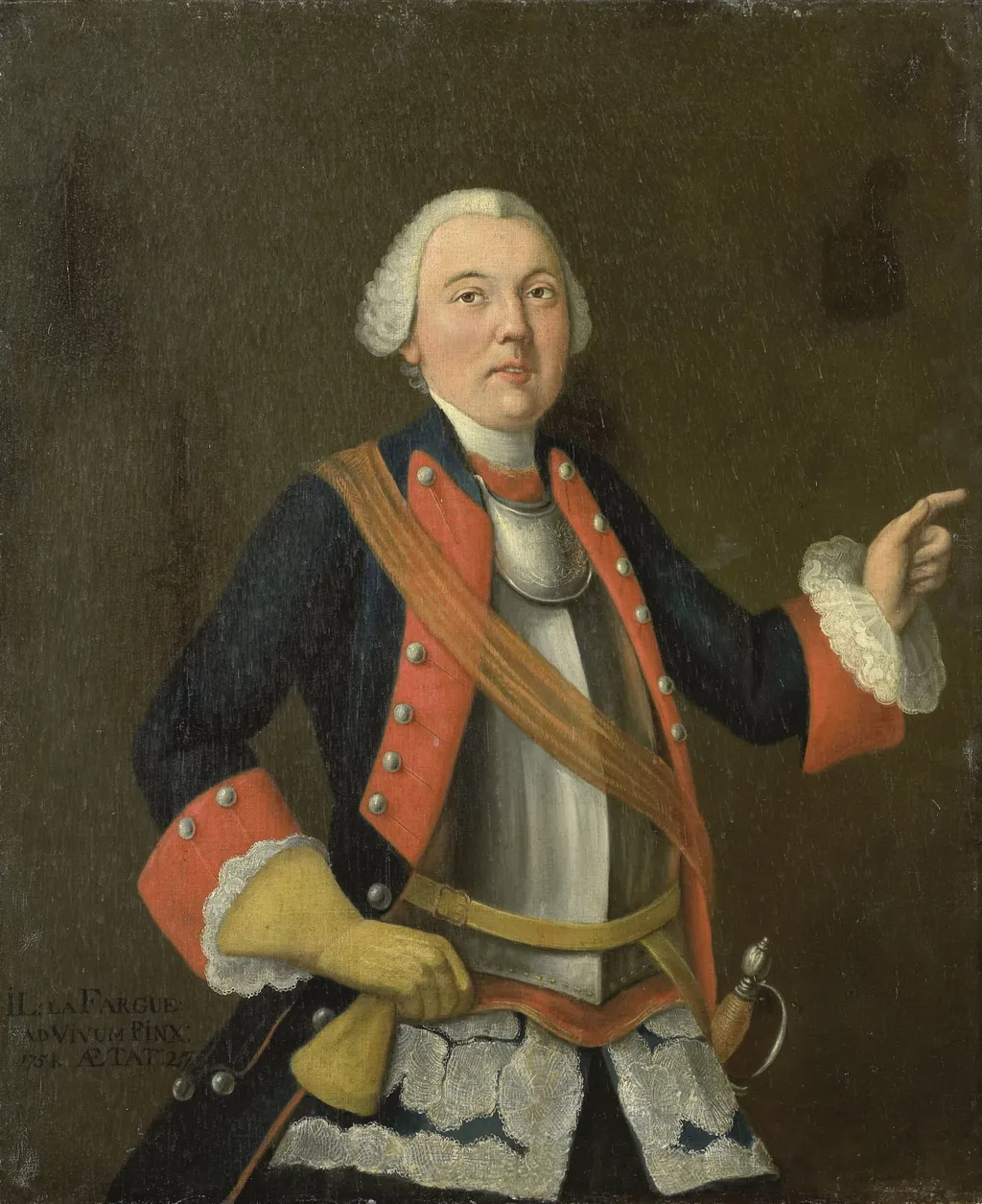
Jan Hendrik van Rijswijk (b 1717) is an unspecified painting by the Rococo painting artist Isaac Lodewijk la Fargue van Nieuwland. It dates from 1754 and is held in the collection of the Rijksmuseum. This portrait depicts Jan Hendrik van Rijswijk, born in 1717, rendered in half-length pose against a neutral background.
About this work
Overview
He stands in military attire, his posture composed and upright, one hand resting at his hip, the other extended in a deliberate gesture.
This portrait depicts Jan Hendrik van Rijswijk, born in 1717, rendered in half-length pose against a neutral background. He stands in military attire, his posture composed and upright, one hand resting at his hip, the other extended in a deliberate gesture. The painting was conceived as a pendant to a companion portrait of his wife, forming a matched pair typical of Dutch elite portraiture in the early eighteenth century.
Subject & Meaning
Van Rijswijk’s expression is reserved, his gaze direct but unemotional, conveying dignity rather than individuality. The uniform signals his status as an officer, while the pointing gesture may imply authority or civic duty. The absence of elaborate props or landscape emphasizes his identity as a man of rank, defined by bearing and attire rather than setting or symbolism.
Technique & Style
The artist rendered the uniform’s gold embroidery with meticulous, fine brushwork, highlighting texture without overt ornamentation. Powdered hair, crisp lines of fabric, and subtle tonal shifts in the skin suggest a restrained realism. The background is deliberately plain, focusing attention on the figure’s form and the quiet precision of the execution, characteristic of Dutch portraiture of the period.
History & Provenance
The portrait was created as one half of a diptych, its counterpart being the likeness of his wife, now held in the same collection. Both works were likely commissioned to affirm familial status and continuity. Their survival as a pair reflects their original intent as domestic symbols of social standing, preserved through generations within the same institutional collection.
Context
In early 18th-century the Netherlands, paired portraits of married couples were common among the merchant and military elite. They served as markers of lineage and respectability, often displayed in private homes. The subdued palette and formal composition align with prevailing tastes that valued restraint over theatricality, distinguishing Dutch portraiture from more flamboyant European styles.
Legacy
The portrait endures as an example of quiet, disciplined representation in Dutch art. Its pairing with its companion piece offers insight into domestic ideals of the time. Though not widely exhibited, it remains a reference point for studies of civilian and military portraiture in the Northern Netherlands during the early Enlightenment.
Own this work as a print
Artist & collection
Artist
Isaac Lodewijk la Fargue van Nieuwland
Isaac Lodewijk la Fargue van Nieuwland (1726–1805) was an artist, born in The Hague.

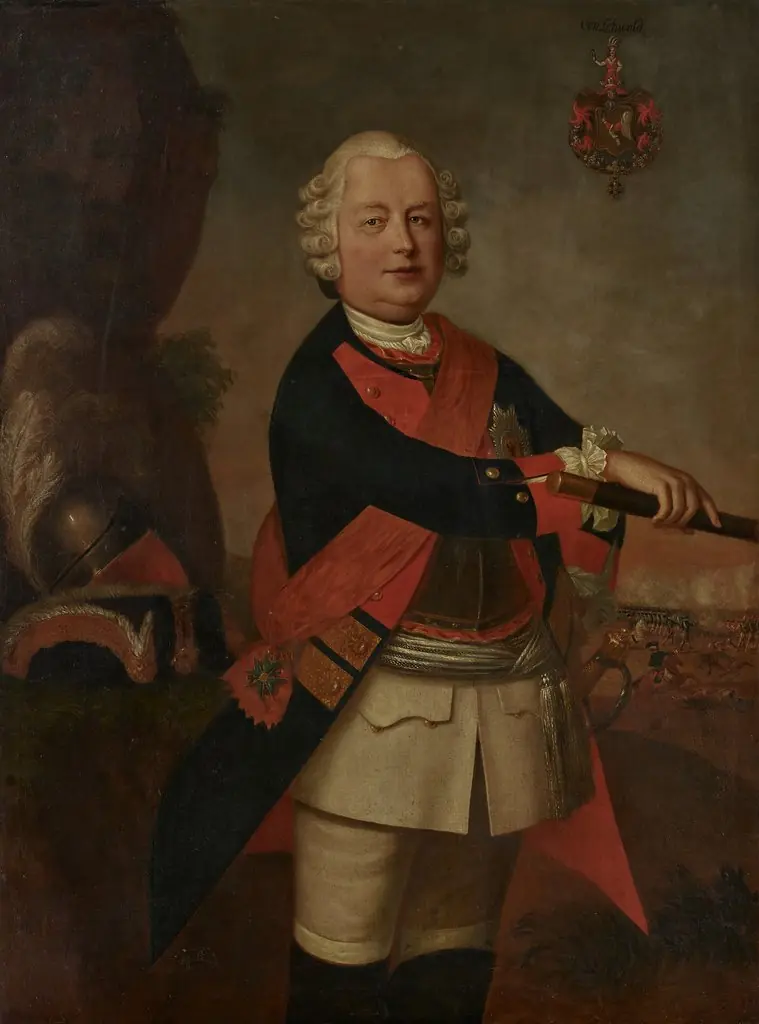 Lieutenant General Johann (Hans) von Lehwald
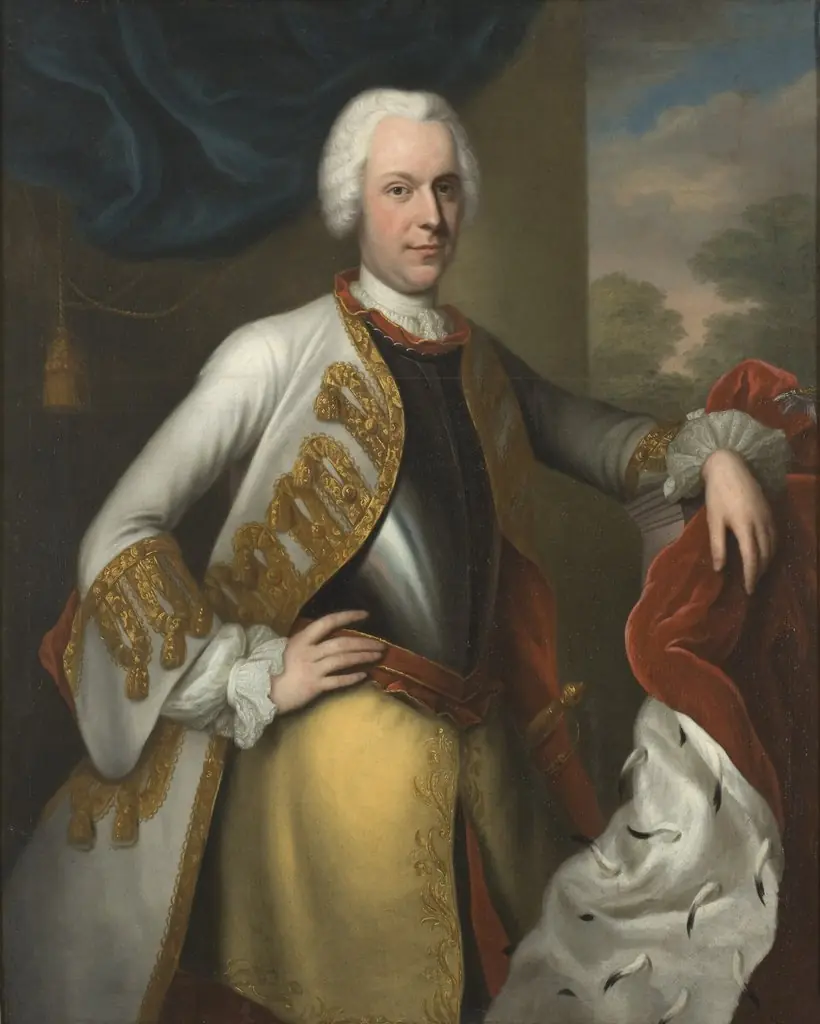 Adolf Fredrik (1710-1771), king of Sweden, duke of Holstein-Gottorp, prince bishop of Lübeck, married to Lovisa Ulrika of Prussia
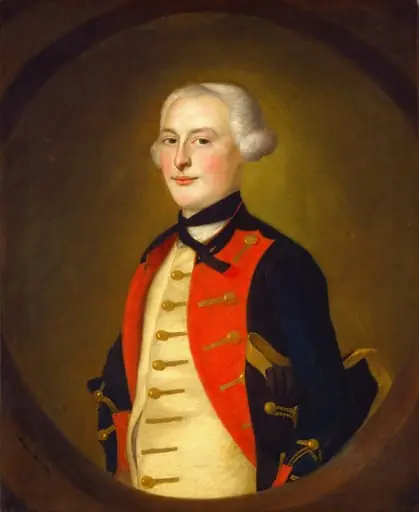 A Military Officer
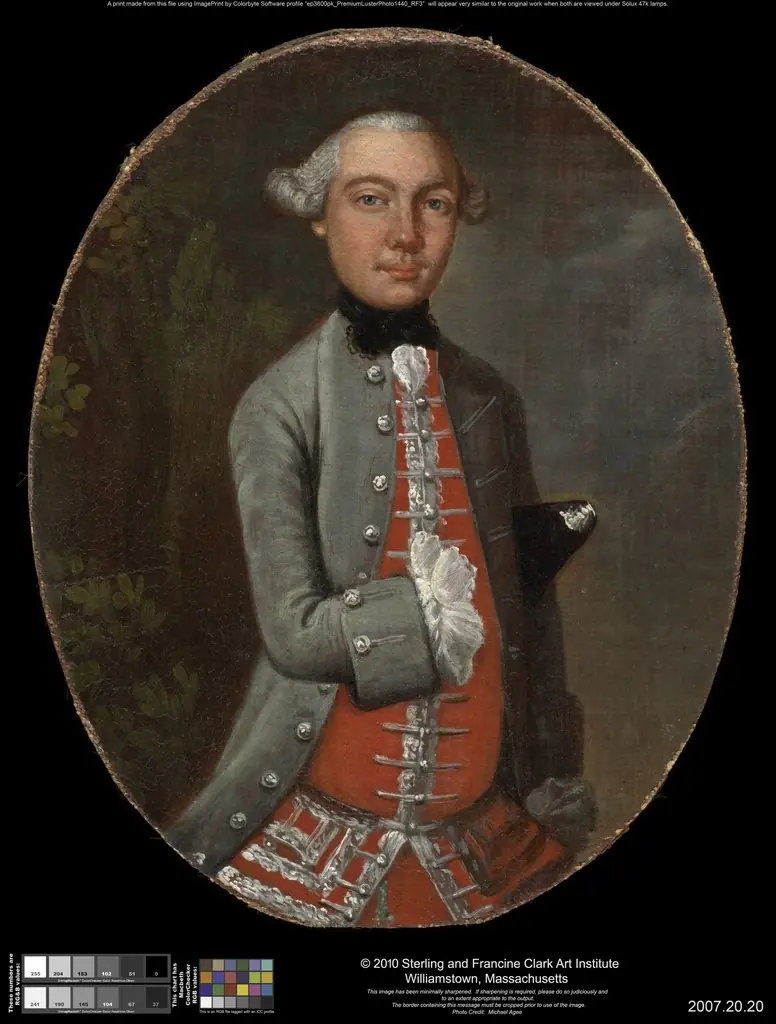 Portrait of a Gentleman
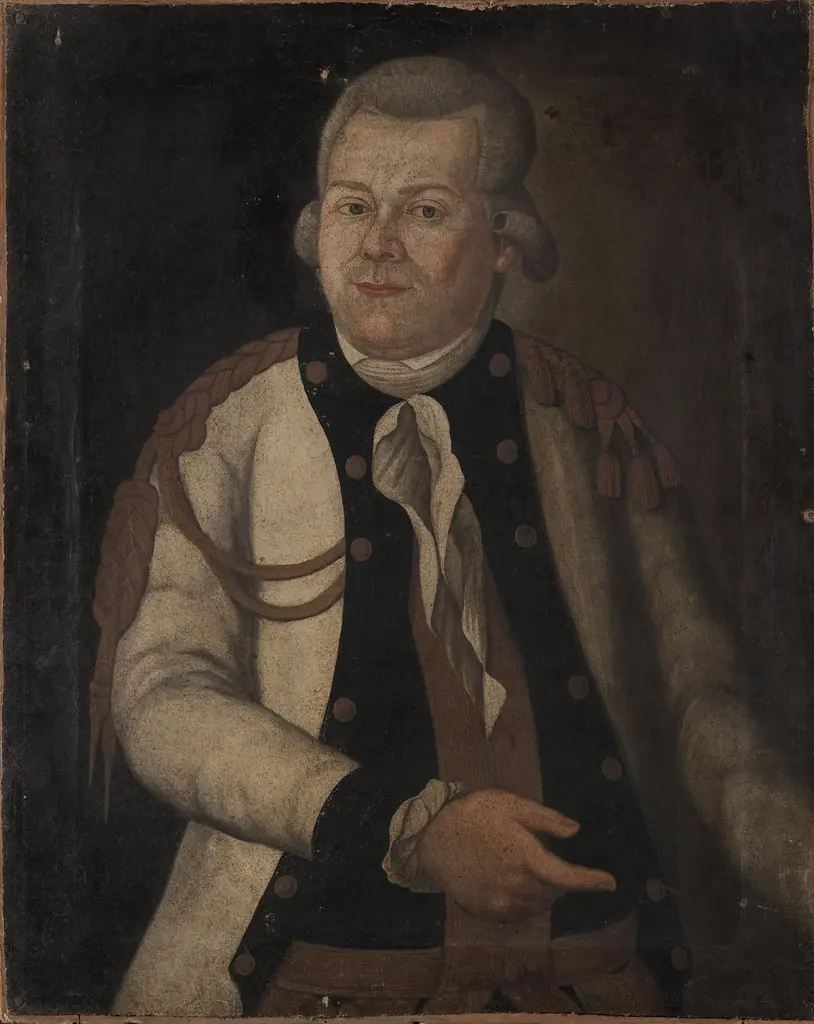 Portrait of Józef Morykoni
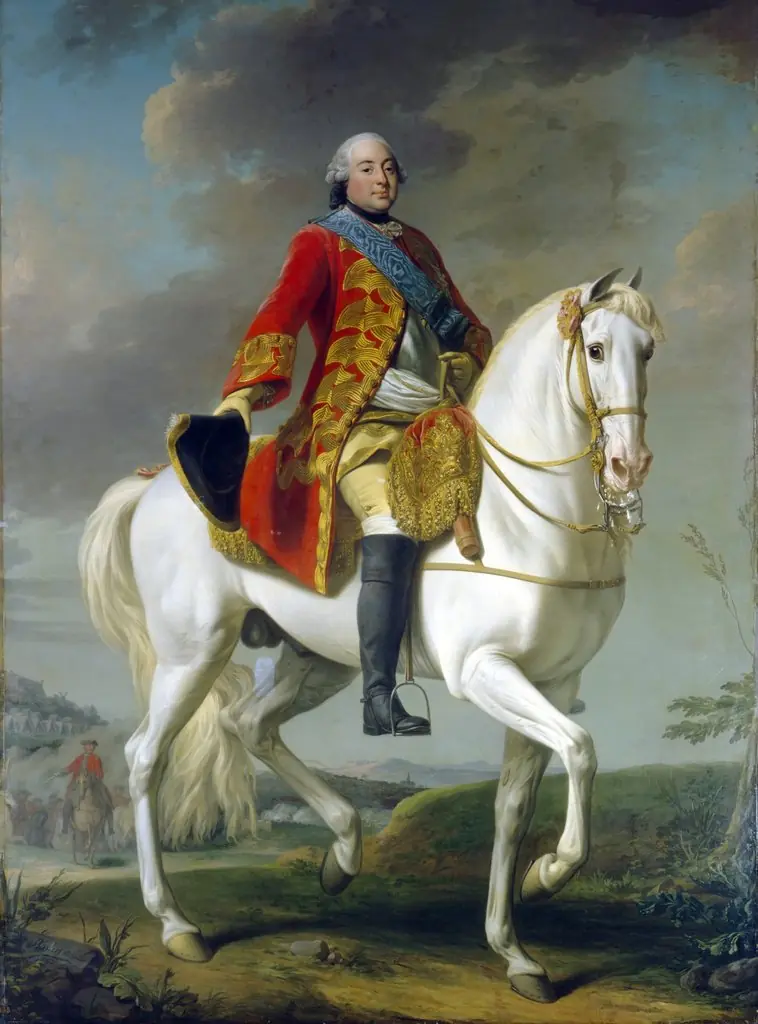 Louis-Philippe, Duc d'Orleans, Saluting his Army on the Battlefield
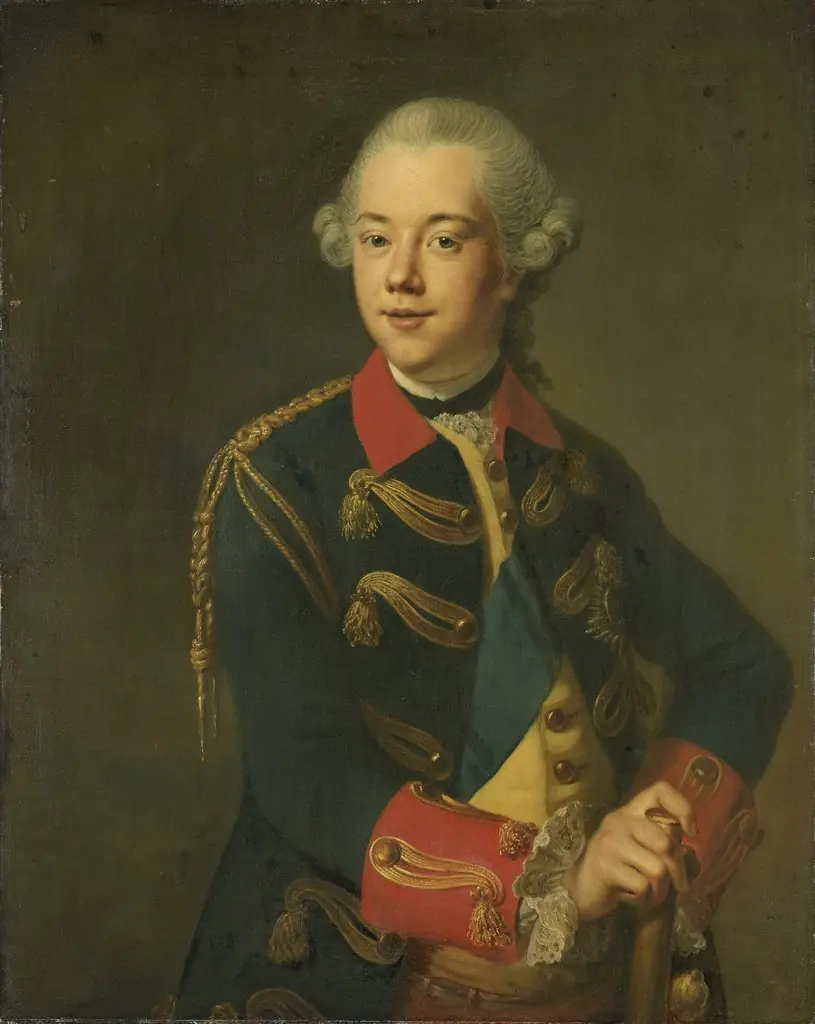 Portrait of William V, Prince of Orange-Nassau
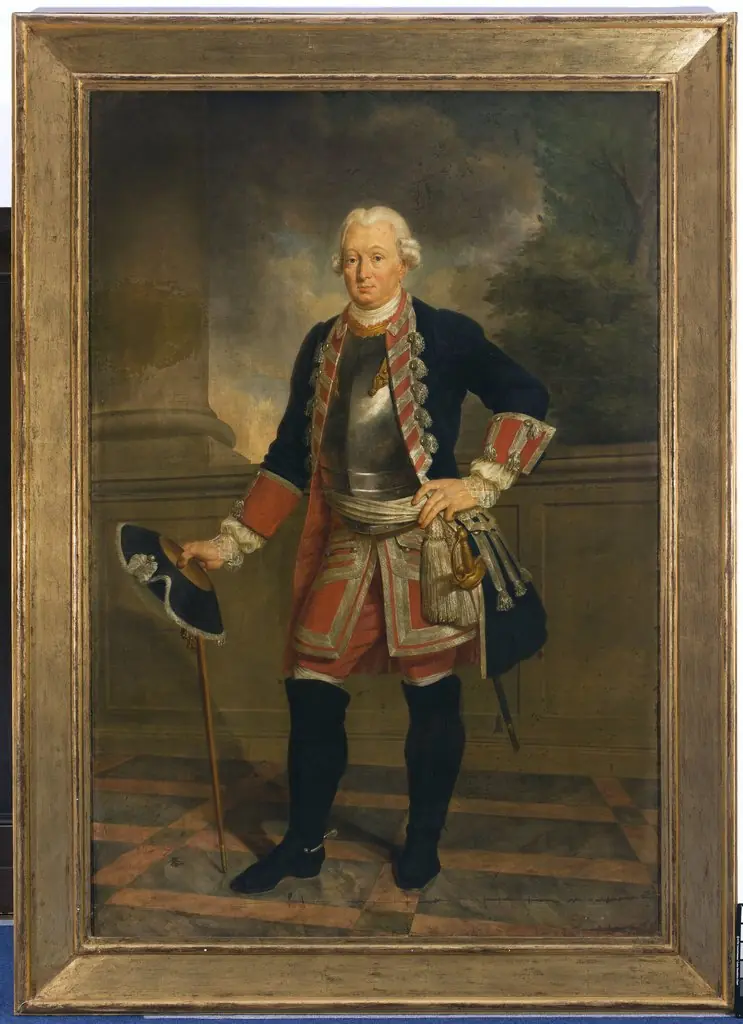 Portrait of Michał Krasiński (1712–1784), marshal general of Bar Confederation
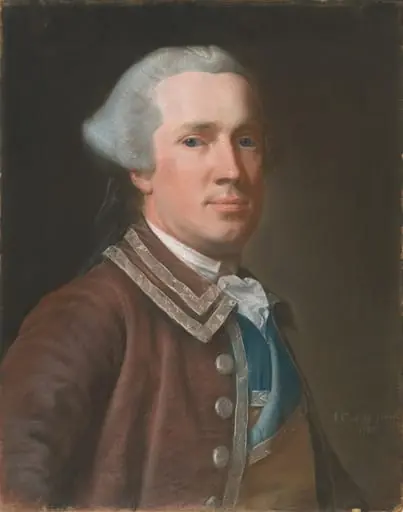 John Temple
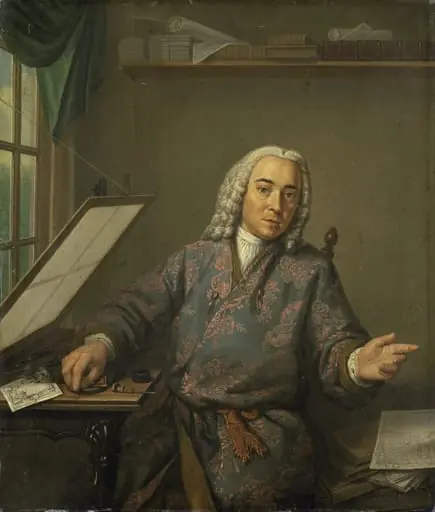 Portrait of the Engraver Jan Caspar Philips