Artwork
John Temple
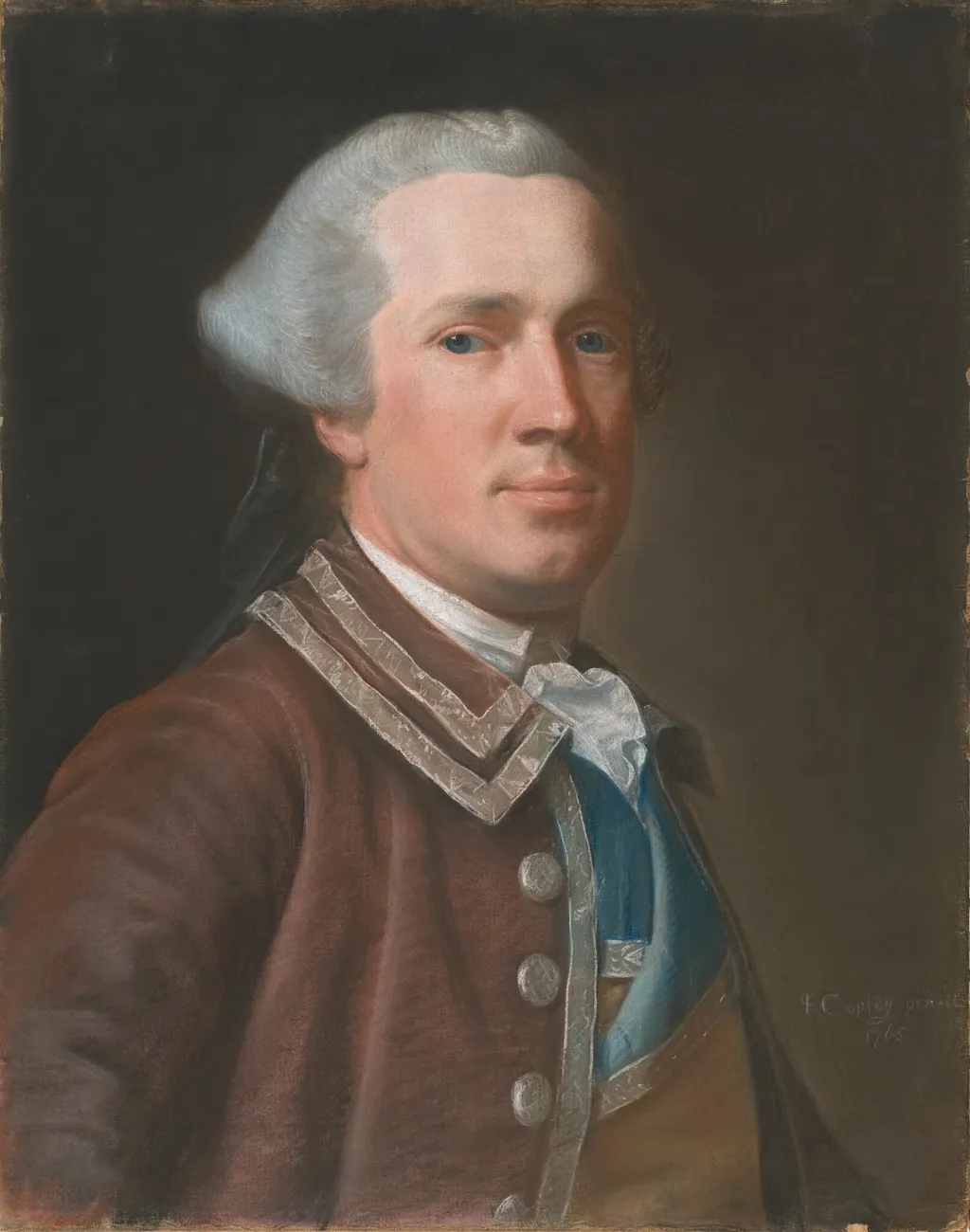
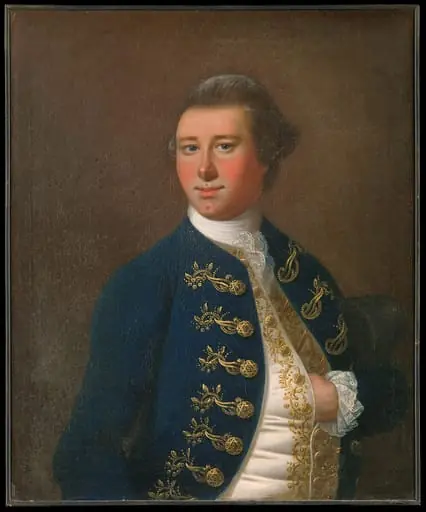
John Temple is a pastel drawing by the Romanticist artist John Singleton Copley. It dates from 1765 and is held in the collection of the National Gallery of Art.
About this work
Overview
Created in 1765, this portrait depicts John Temple, a British diplomat, rendered in pastel on tan laid paper and mounted on canvas.
Created in 1765, this portrait depicts John Temple, a British diplomat, rendered in pastel on tan laid paper and mounted on canvas. The work exemplifies the 18th-century preference for pastel as a medium for portraiture, valued for its ability to capture fine detail and subtle tonal shifts with relative speed. The soft, blended texture of the pigment enhances the lifelike quality of the subject’s features without the gloss of oil paint.
Subject & Meaning
John Temple, portrayed in formal attire, conveys a composed, dignified presence. His dark brown coat with silver buttons and white ruffled cravat signal his social standing, while the powdered wig reflects contemporary aristocratic fashion. The restrained expression—serious yet with a faint smile—suggests measured confidence rather than overt display, aligning with the values of polite society in mid-18th-century Britain.
Technique & Style
Copley employed pastel sticks to build layers of color directly on the textured paper, exploiting the medium’s capacity for delicate gradations. The soft edges and muted highlights mimic the play of light on silk and lace, while the dark background isolates the figure, drawing attention to facial nuance and textile detail. The technique avoids heavy brushwork, favoring a tactile immediacy that preserves the spontaneity of the sitter’s likeness.
History & Provenance
The portrait was completed during Copley’s early career in Boston, before his permanent move to London. It likely served as a personal or diplomatic gift, given Temple’s role as a colonial official. The work remained in private hands for much of its history before entering a public collection, where its fragile pastel surface required careful mounting and conservation to preserve its original vibrancy.
Context
In the 1760s, pastel portraiture was widely favored in both Britain and the American colonies for its efficiency and refined aesthetic. Artists like Copley adopted it to compete with the popularity of French pastellists such as Rosalba Carriera. The medium allowed for intimate, lifelike depictions suited to the rising middle and professional classes who sought to document their status without the expense of oil painting.
Legacy
This work stands as an early example of Copley’s mastery in a medium he would later abandon for oil, yet it reveals his acute sensitivity to texture and expression. It contributes to the broader understanding of how American artists engaged with European conventions before the Revolution, preserving a quiet record of colonial elite identity through the delicate, transient qualities of pastel.
Own this work as a print
Artist & collection

Artist
John Singleton Copley (July 3, 1738 – September 9, 1815) was an American-born British painter active in both the Thirteen Colonies and England.

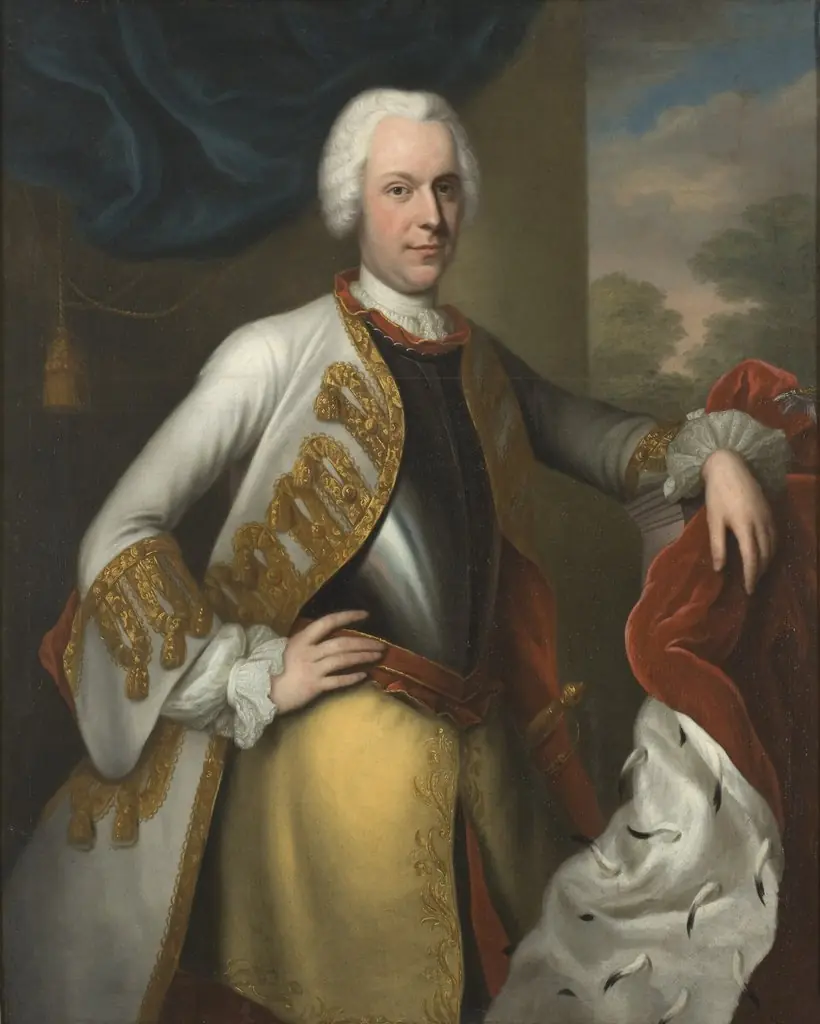 Adolf Fredrik (1710-1771), king of Sweden, duke of Holstein-Gottorp, prince bishop of Lübeck, married to Lovisa Ulrika of Prussia
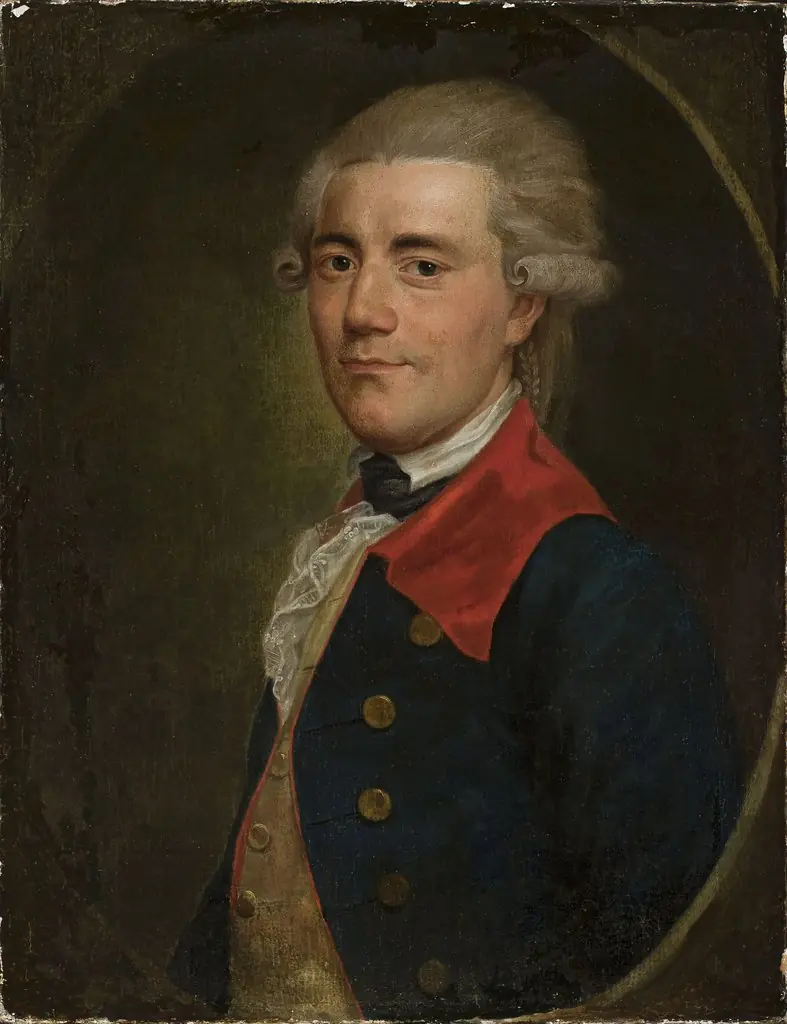 Portrait of Johann Heinrich Muyschel (1755–1825)
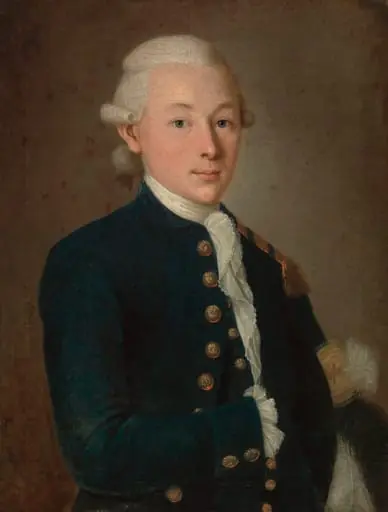 Johan Gustav Olander
 Admiral Harry Paulet (1719/20–1794), Sixth Duke of Bolton
 Portrait of king Stanisław August in armour
 Jan Hendrik van Rijswijk (b 1717)
 Portrait of a Young Man in Uniform
 Kommandørkaptajn Henrik Gerner
 Gustav III with the Armlet of Freedom
 Carl Gustaf Tessin (1695–1770), Count and Senator
 Levi Willard
 John Dart