Artwork
Simion Balint
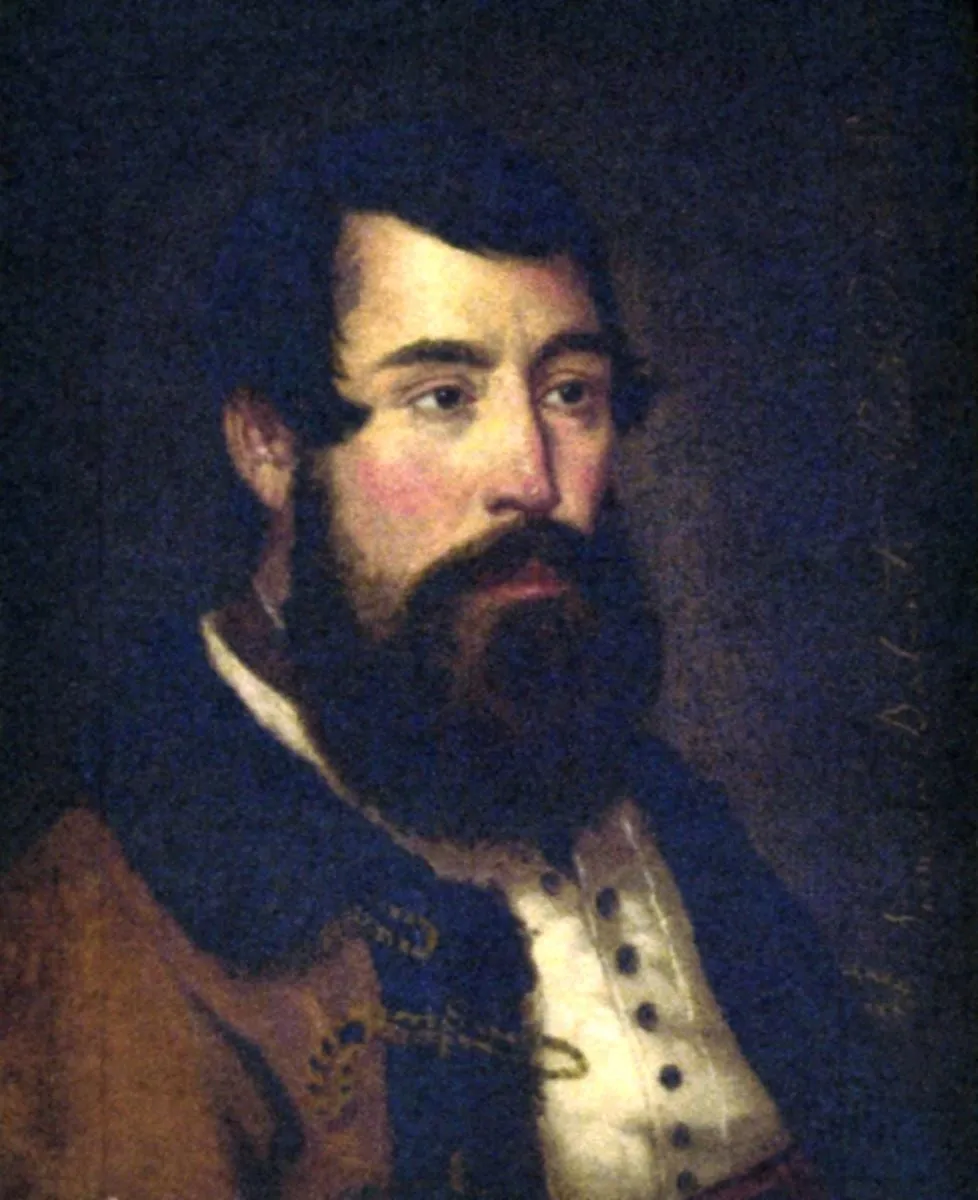
Simion Balint is a print by the Romanticist artist Barbu Iscovescu. It dates from 1848 and is held in the collection of the National Museum of Romanian History.
About this work
Overview
Executed in oil on canvas, the work presents a seated male figure rendered with restrained palette and focused composition.
Simion Balint is a portrait painted in 1848 by Romanian artist Barbu Iscovescu. Executed in oil on canvas, the work presents a seated male figure rendered with restrained palette and focused composition. The subject’s face and upper torso are illuminated against a near-black background, emphasizing a quiet intensity. The painting reflects mid-19th-century portraiture conventions in the Romanian cultural sphere, where individual identity was conveyed through subtle expression and formal attire.
Subject & Meaning
The subject, Simion Balint, appears as a man of middle age, distinguished by a full beard and mustache. His attire—a dark coat with crisp white collar and cuffs—suggests social standing, possibly professional or civic. The direct gaze and still posture convey dignity rather than grandeur. No symbolic objects or settings are present, directing attention to the man’s presence itself. The portrait functions as a personal record, capturing character through restraint rather than narrative.
Technique & Style
Iscovescu employs chiaroscuro to model the face and hands, using strong lateral lighting to carve volume from shadow. The dark coat merges with the background, while the white collar and cuffs act as tonal anchors. Brushwork is precise but unobtrusive, avoiding decorative flourish. The limited color range—dominated by blacks, grays, and off-whites—enhances the somber mood. This approach aligns with academic portraiture of the period, prioritizing psychological presence over environmental context.
History & Provenance
Painted in 1848, the work emerged during a period of national awakening in Romanian territories under Habsburg and Ottoman influence. It likely originated in a private collection, possibly commissioned by the sitter or a family member. The painting remained within Romanian cultural circles, later entering institutional holdings. No documented exhibition history exists prior to the 20th century, suggesting it was valued locally rather than widely circulated.
Context
In mid-19th-century Romania, portraiture served as a tool for asserting individual and communal identity amid political fragmentation. Artists like Iscovescu, trained in Western European academies, adapted classical techniques to local subjects. Simion Balint reflects this synthesis: the formal structure echoes French and Italian models, while the subject’s demeanor and dress reflect Romanian bourgeois norms. The absence of aristocratic trappings signals a shift toward civic self-representation.
Legacy
The portrait stands as an early example of Romanian academic portraiture that prioritized psychological depth over ornamentation. It contributed to a visual language that later artists would refine in depicting national figures. Though not widely reproduced, it remains a reference point in studies of 19th-century Romanian art for its disciplined technique and quiet realism. Its endurance lies in its unadorned humanity.
Artist & collection
Artist
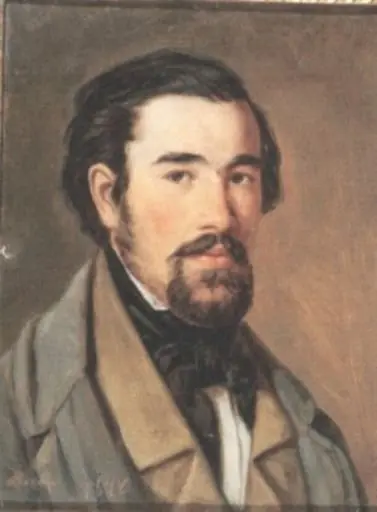
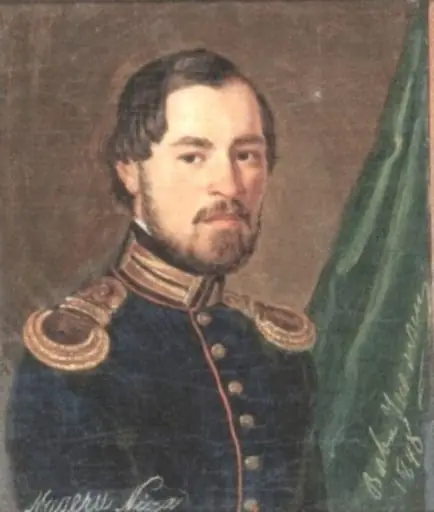
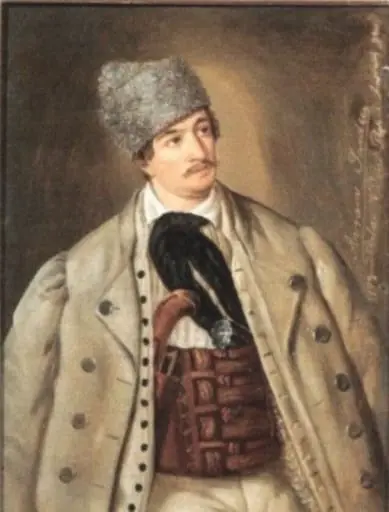
Romanian artist Barbu Iscovescu painted and printed portraits in the mid-1800s. His 1848 oil *Portretul lui Petre Dobra* shows a serious man in dark coat and cravat. The collection also includes a self-portrait and…

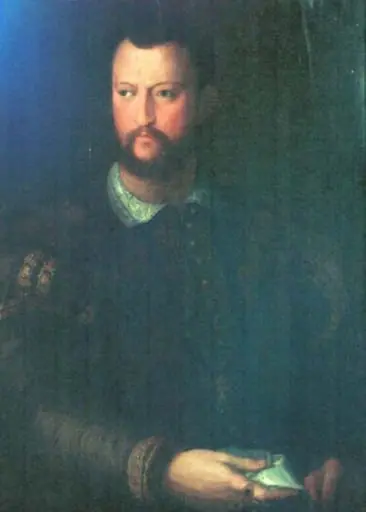 Cosimo di Medici
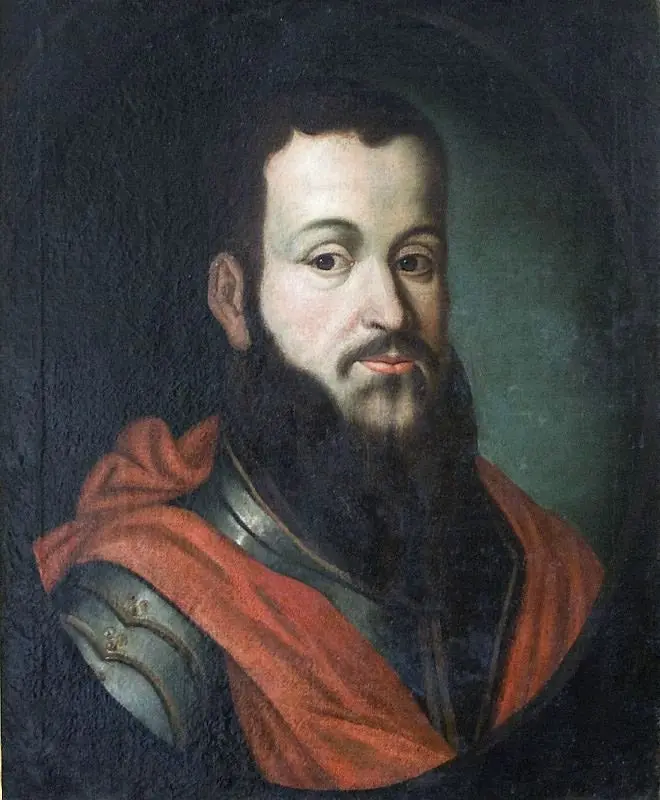 Portrait of Sigismund II Augustus (1520–1572), King of Poland
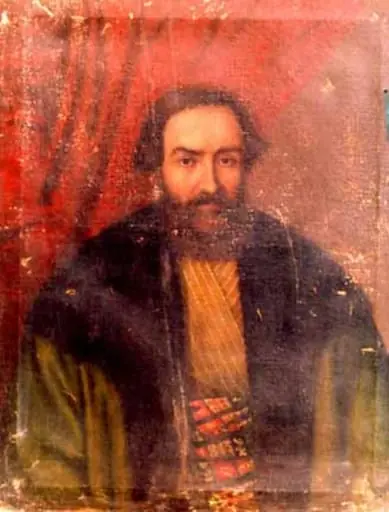 Portret de bărbat
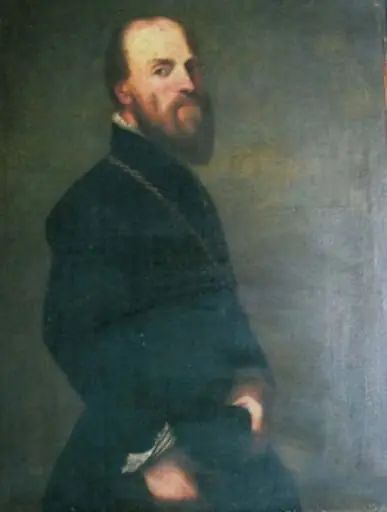 Portret de bărbat cu barbă
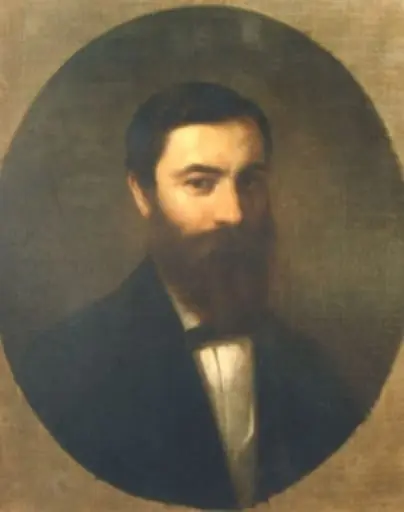 Dumitru Tattarescu
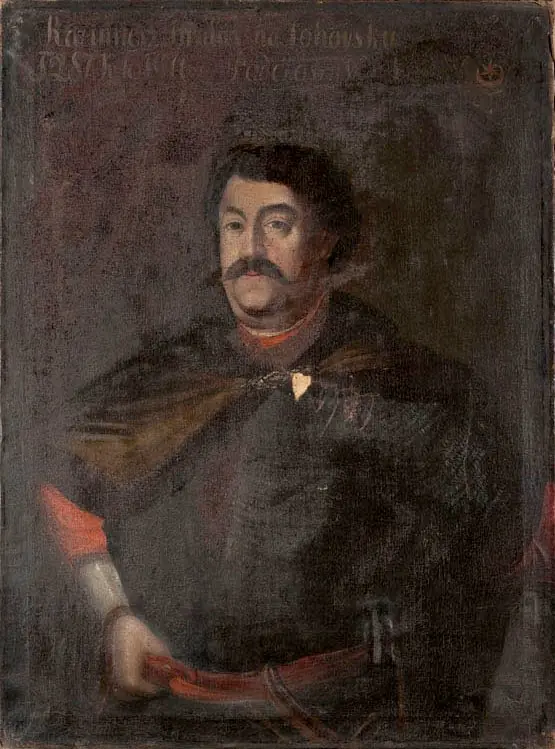 Portrait of Kazimierz Tyszkiewicz, Leliwa coat of arms (?–1652), cup-bearer of the Grand Duchy of Lithuania
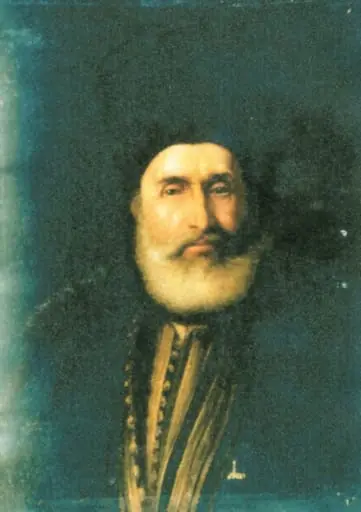 Marele Ban Năsturel Herescu
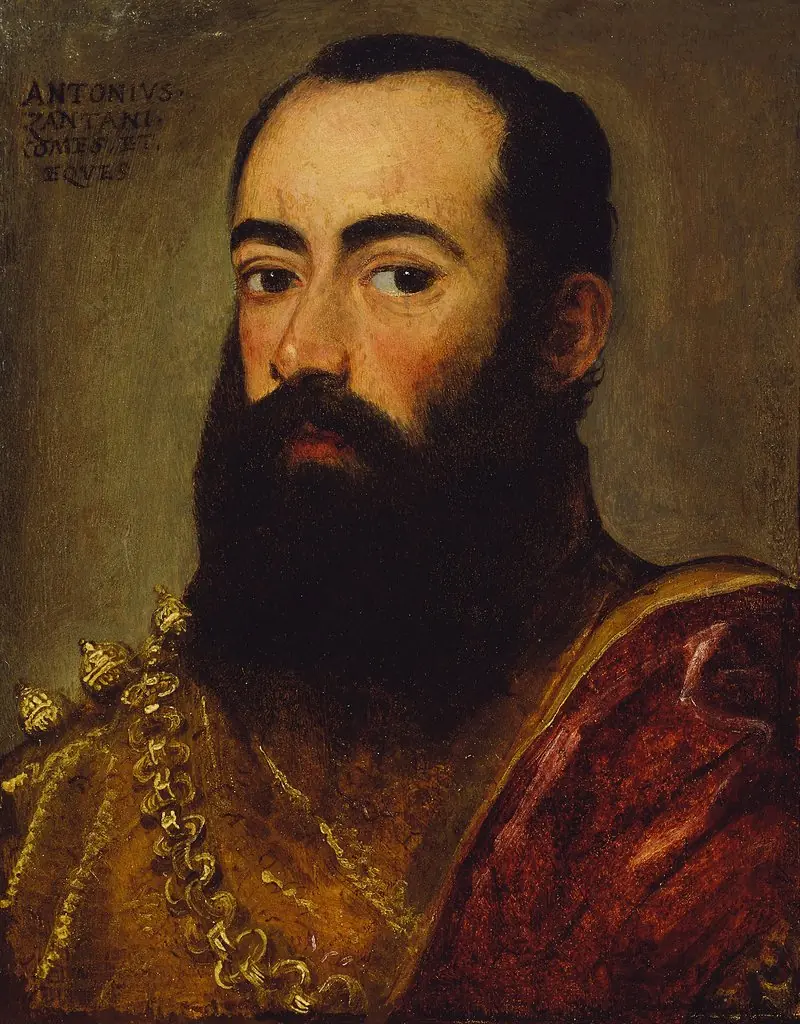 Portrait Presumed to Be of Antonio Zantani
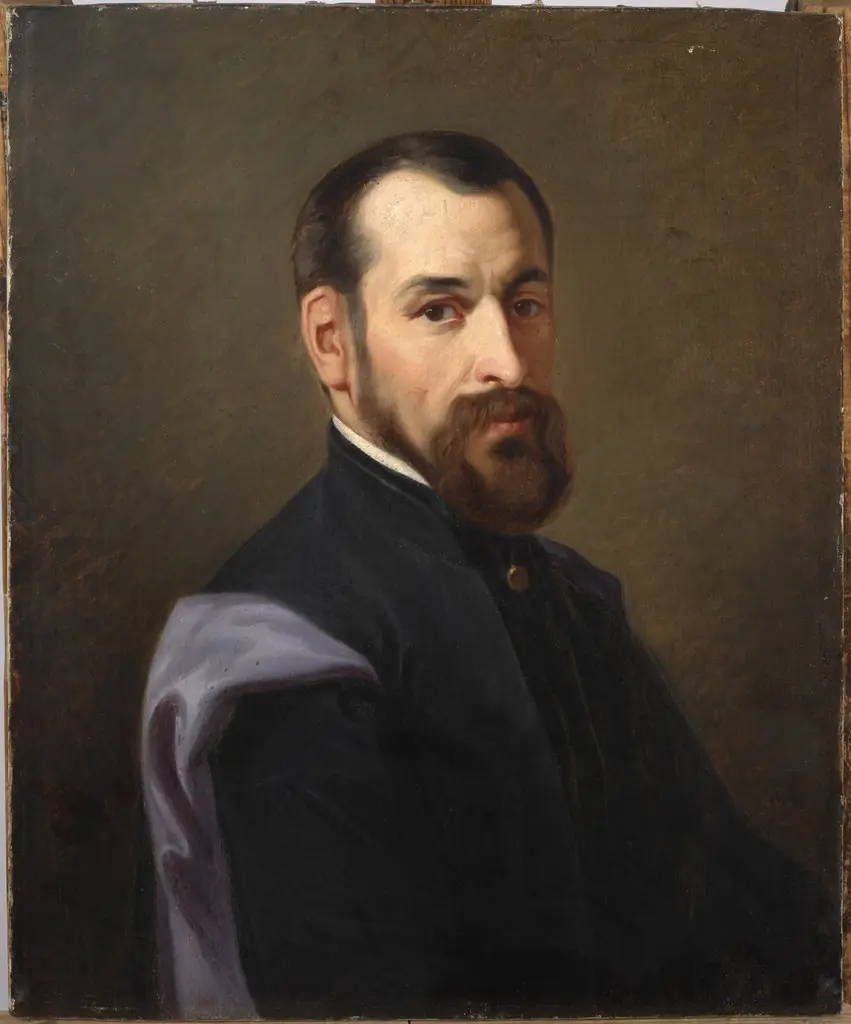 Portrait of Prince Witold Adam Czartoryski (1822–1865)