Artwork
Afrodita (schiță)
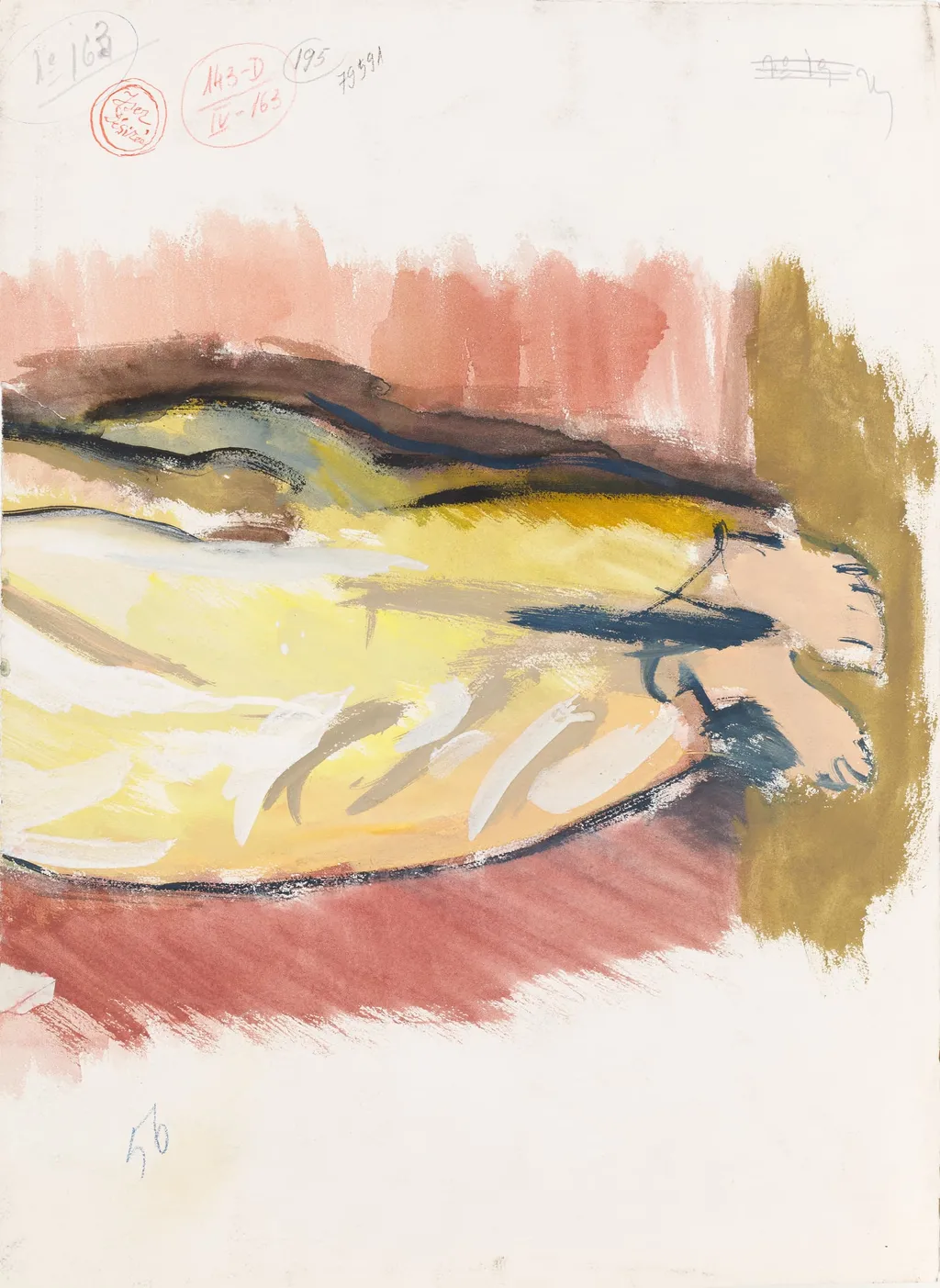
Afrodita (schiță) is a print by Iosif Iser. It dates from 1937 and is held in the collection of the National Museum of Art of Romania.
About this work
Overview
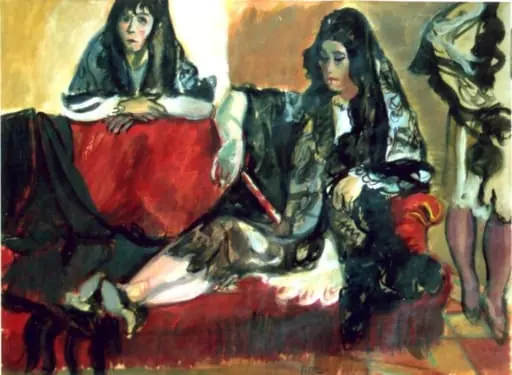
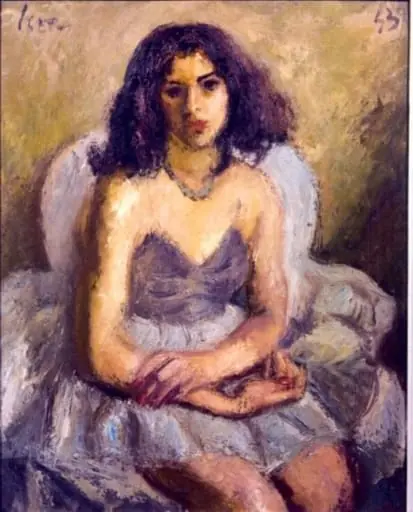
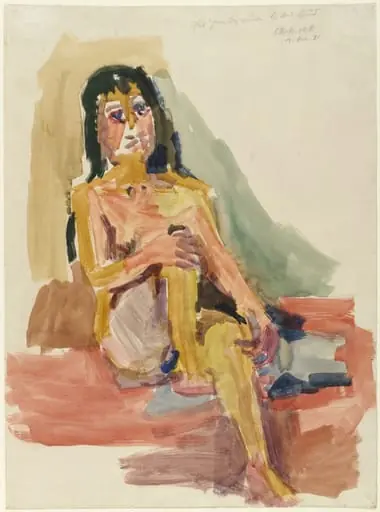
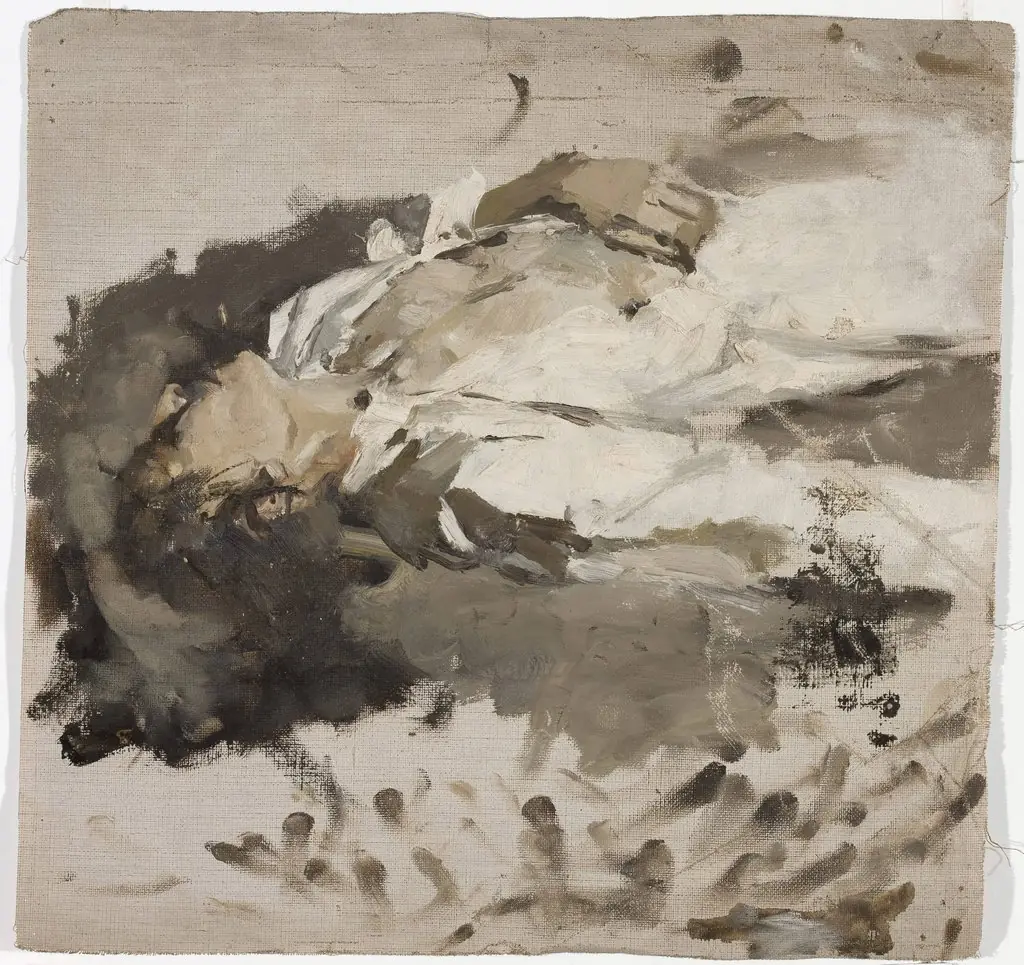
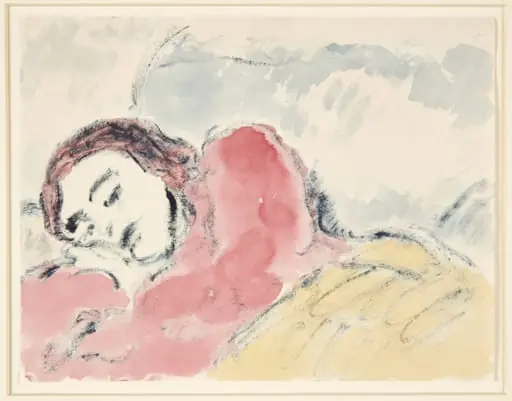
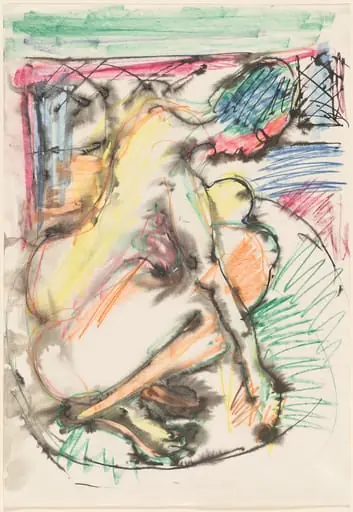
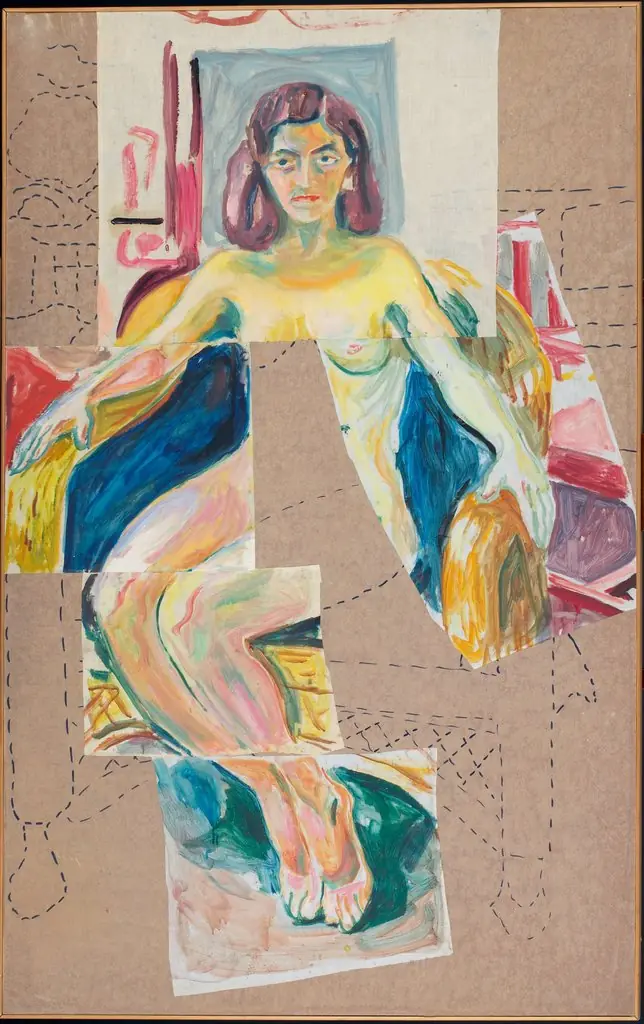
Afrodita (schiță), dated 1937, is a preparatory sketch by Romanian artist Iosif Iser. Executed in paint on canvas, it captures a reclining female figure in a moment of stillness. The work is not a finished painting but a study, revealing the artist’s process in exploring form and light. Its intimate scale and subdued palette suggest a private, contemplative approach to the human body.
Subject & Meaning
The figure, loosely identified as Aphrodite, is rendered without mythological attributes, focusing instead on physical presence.
The figure, loosely identified as Aphrodite, is rendered without mythological attributes, focusing instead on physical presence. Her curled posture, head resting on an arm, conveys quiet repose rather than idealized divinity. The title evokes classical reference, but the treatment is grounded in observation. The absence of narrative or symbolism shifts emphasis to the vulnerability and naturalism of the pose.
Technique & Style
Iser employs soft, warm tones—golden hues for the skin, earthy browns for the background—to model form with subtle gradations. Brushwork is loose yet deliberate, suggesting volume without heavy definition. The lack of sharp contours and the blending of tones create a sense of atmospheric depth, aligning with a post-impressionist sensitivity to light and texture rather than academic precision.
History & Provenance
Created in 1937, the sketch emerged during Iser’s mature period in Bucharest, when he frequently turned to the nude as a subject for formal exploration. It remained in private hands for decades, with no public exhibition record until late 20th-century retrospectives. Its survival as a sketch rather than a final work reflects Iser’s practice of using studies to refine composition before larger pieces.
Context
In 1930s Romania, academic traditions still dominated art education, yet modernist tendencies were gaining ground among younger artists. Iser, influenced by French post-impressionism and Romanian Symbolism, balanced classical themes with intimate, non-heroic depictions. This sketch reflects a broader shift toward personal, introspective imagery amid a cultural climate still tethered to historical conventions.
Legacy
Afrodita (schiță) exemplifies Iser’s contribution to Romanian modernism through his quiet reimagining of the nude. Unlike grandiose national narratives, his work emphasized quiet observation and emotional resonance. The sketch endures as a testament to his method—valuing process over polish—and continues to inform interpretations of interwar Romanian art focused on the individual over the monumental.
Artist & collection