Artwork
The Girl from Nordland: Five Fragments
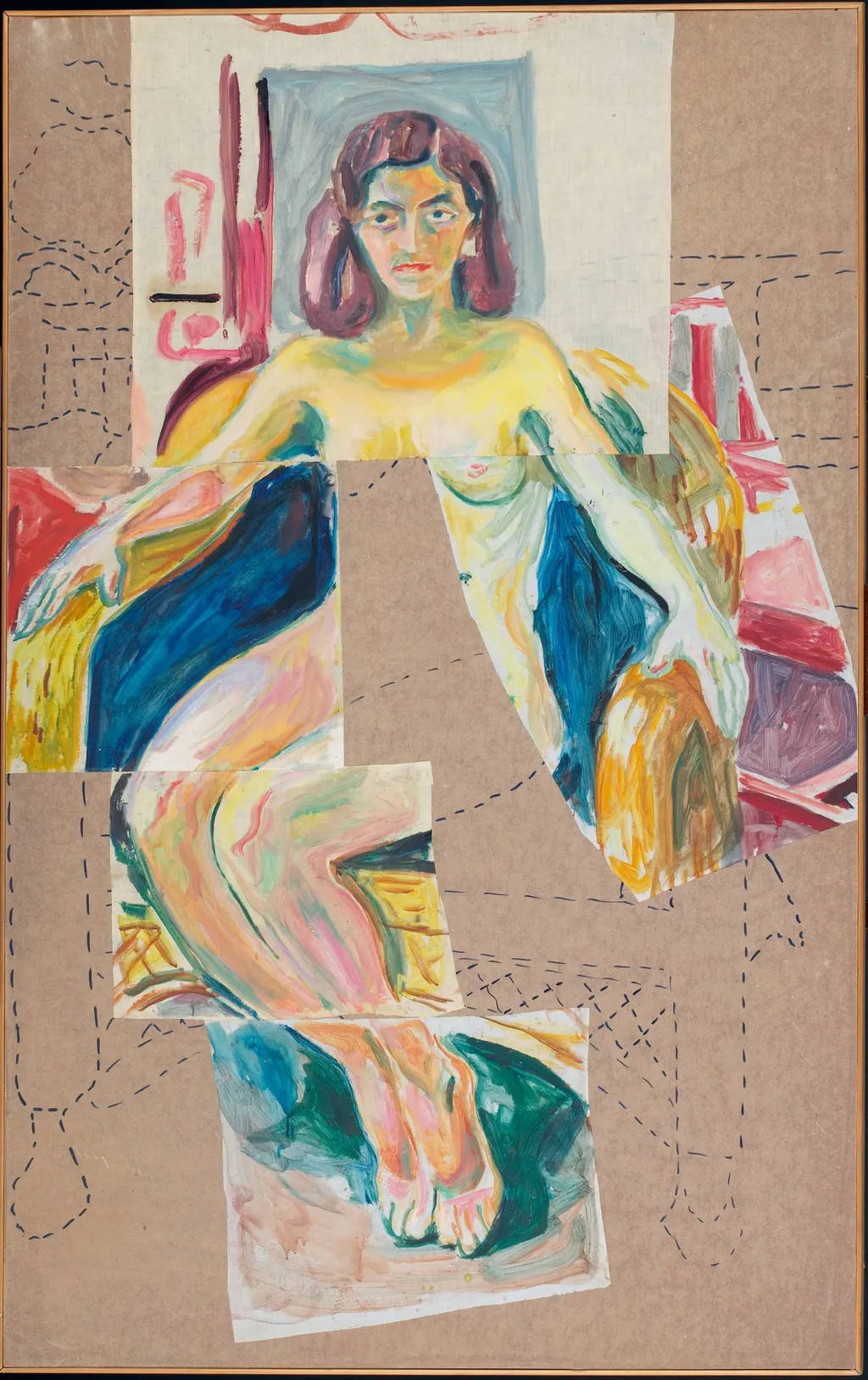
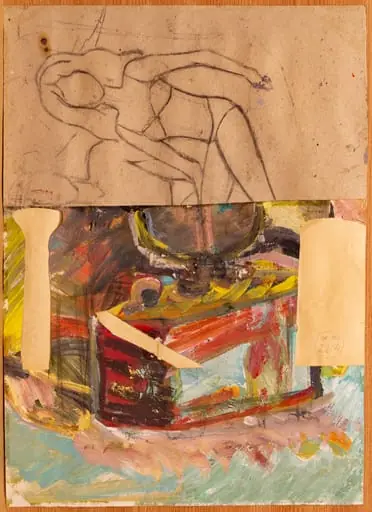
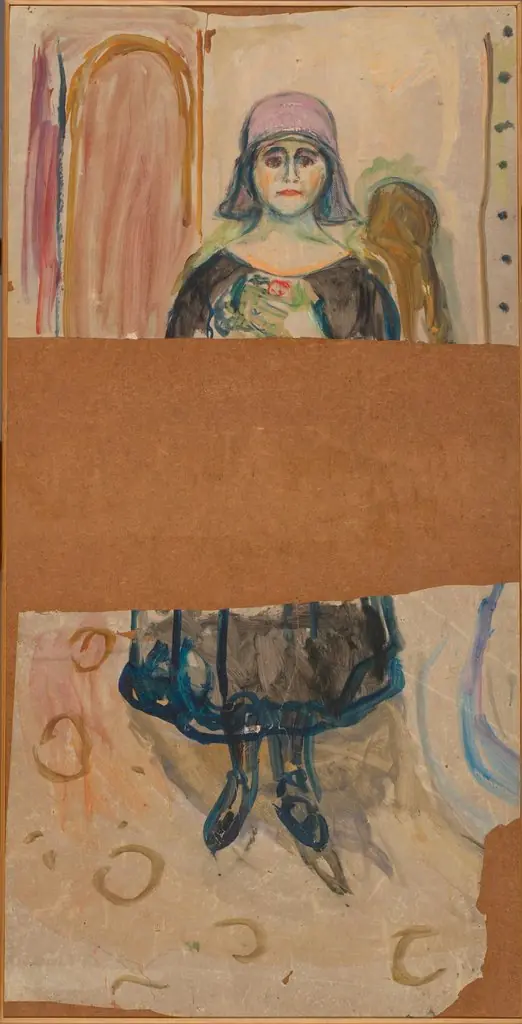
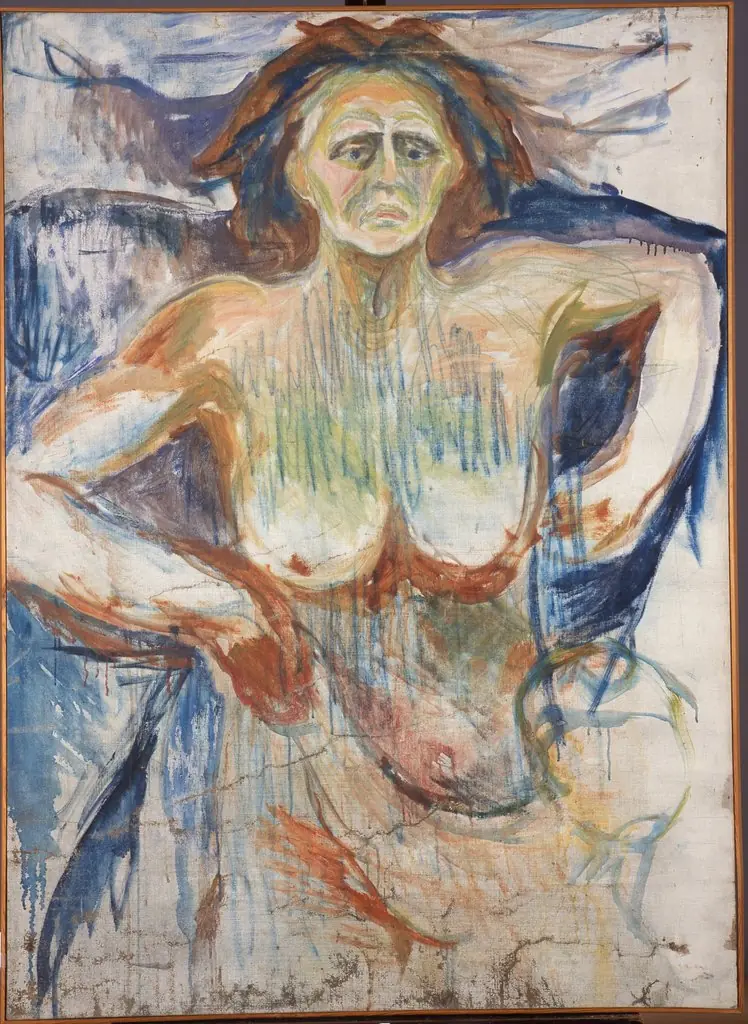
The Girl from Nordland: Five Fragments is an oil painting by the Post-Impressionist artist Edvard Munch. It dates from 1932 and is held in the collection of the Munch Museum.
About this work
Overview
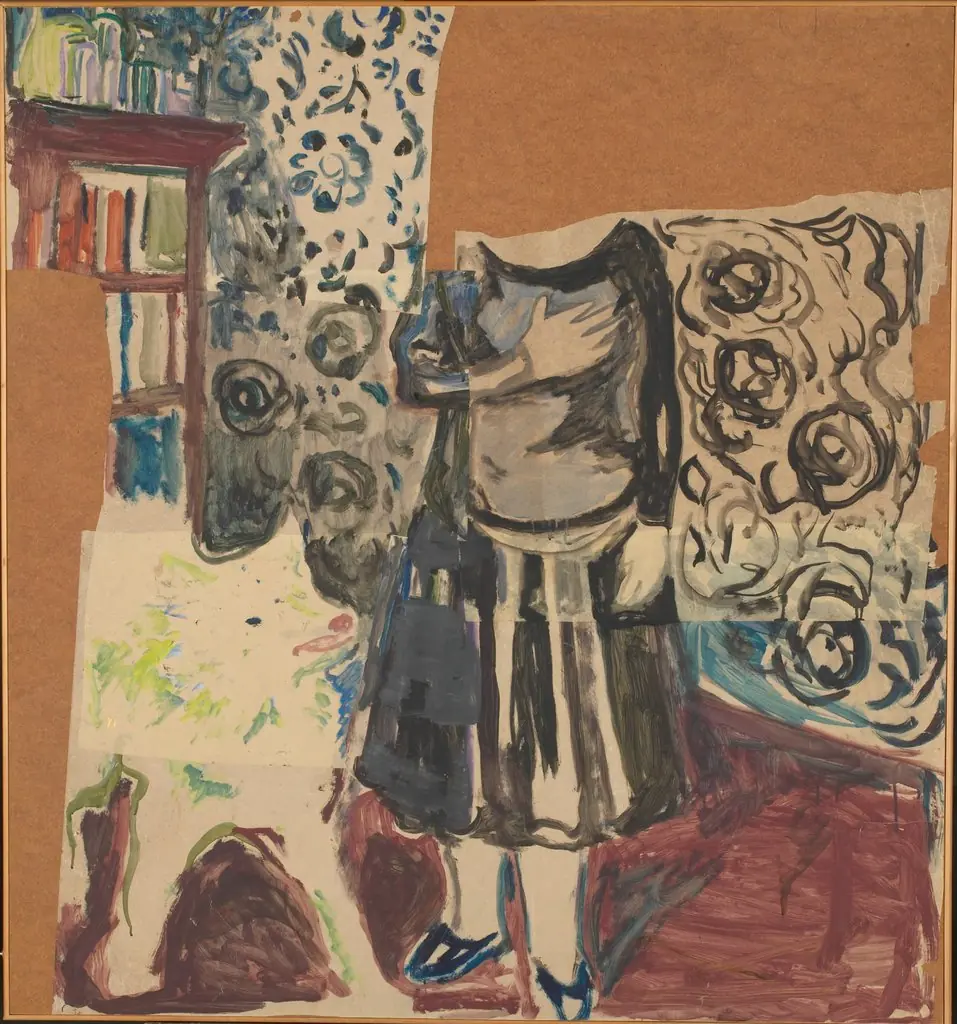
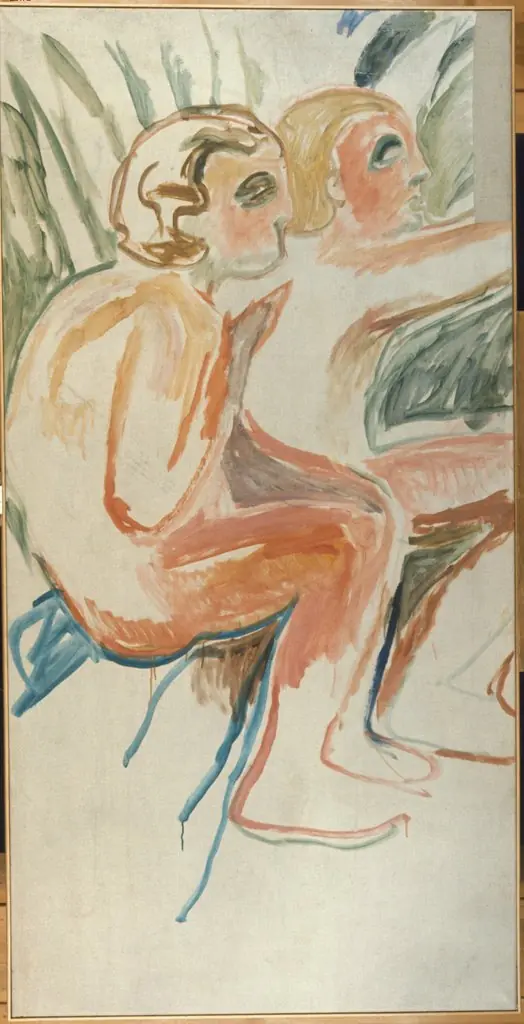
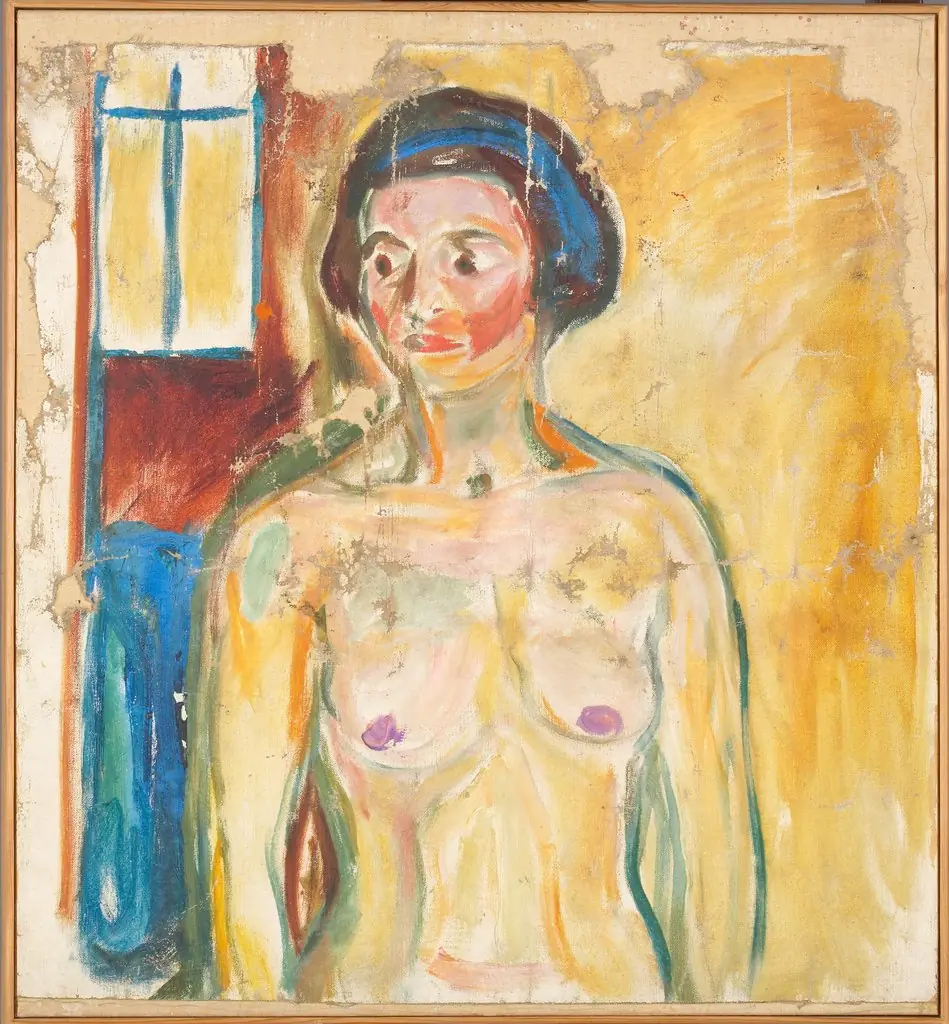
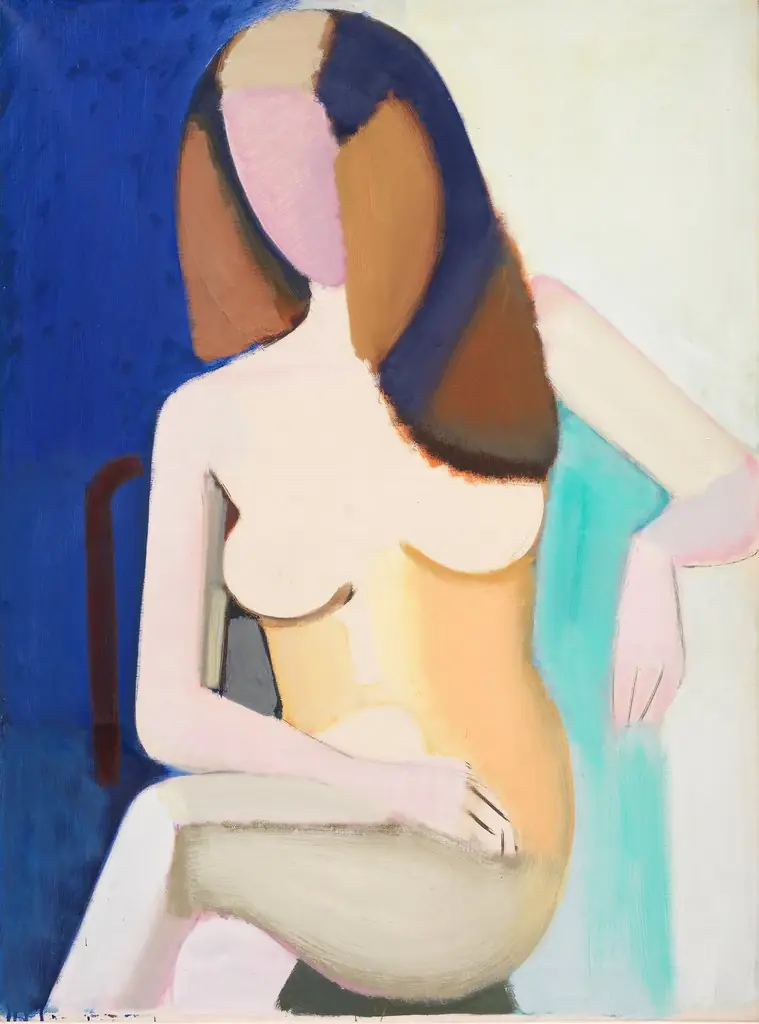
The Girl from Nordland: Five Fragments is a 1932 oil painting by Edvard Munch, composed of five fragmented depictions of a woman's body, arranged to evoke movement and emotional intensity.
Subject & Meaning
The painting portrays Hanna Brieschke in a nude study, conveying a sense of seriousness and subtle sadness through her expression. The fragmented form may symbolize the disjointedness of human emotion or the artist's own experiences with loss.
Technique & Style
Executed in thick, expressive oil paint brushstrokes with a predominantly muted palette (blues, yellows, reds), the work exemplifies Munch's emotionally charged, post-impressionist style, emphasizing texture and dynamic energy.
History & Provenance
Created during Munch's mature period, the painting is part of the Munch Museum's collection, reflecting the artist's enduring legacy in Norwegian cultural institutions.
Context
Rooted in Munch's background of personal tragedy and influenced by nihilist philosopher Hans Jæger, the work extends his exploration of the human condition through distorted, emotionally laden forms.
Legacy
As a unique, fragmented representation of the female form, the painting contributes to Munch's reputation for innovative, emotionally profound artworks that transcend traditional portraiture.
Artist & collection

Artist
Edvard Munch ( MUUNK; Norwegian: ; 12 December 1863 – 23 January 1944) was a Norwegian painter.