Artwork
DOI COPII
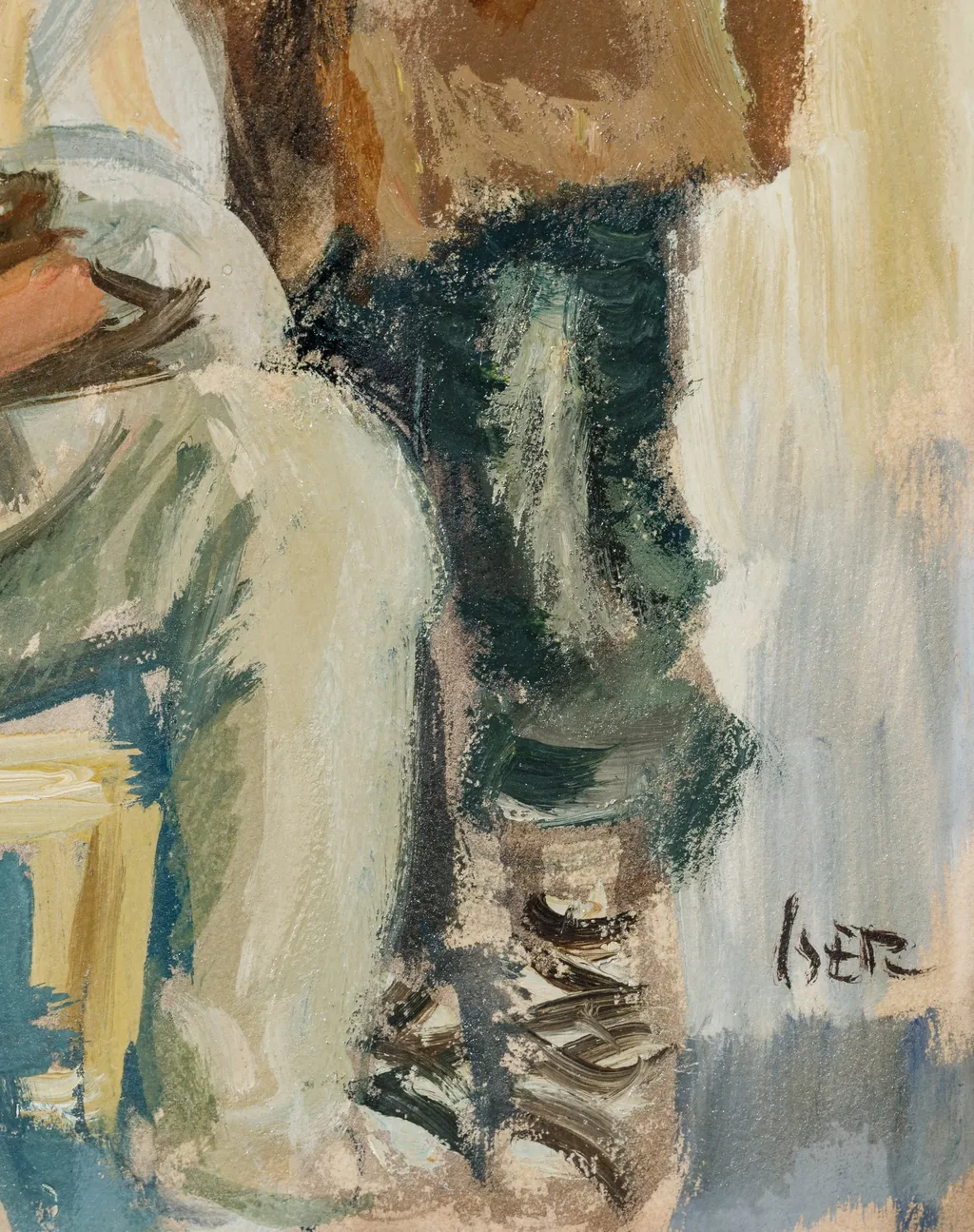
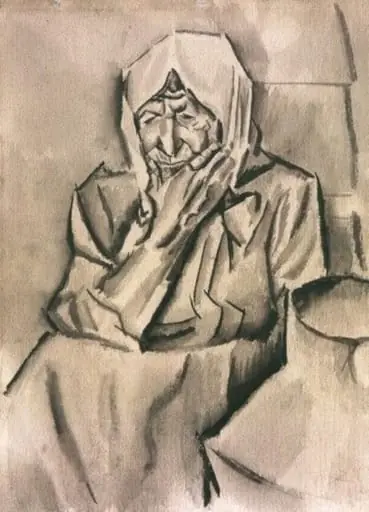
DOI COPII is a print by Iosif Iser. It dates from 1850 and is held in the collection of the National Museum of Art of Romania.
About this work
Overview
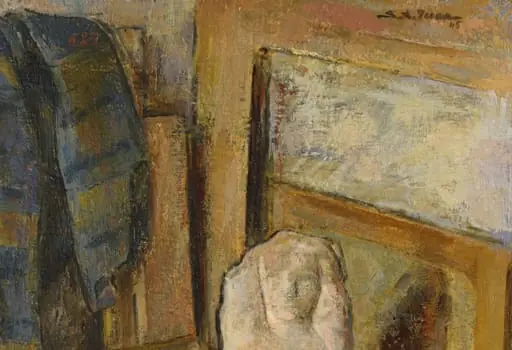
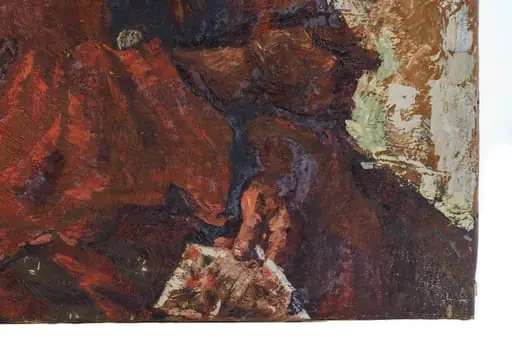
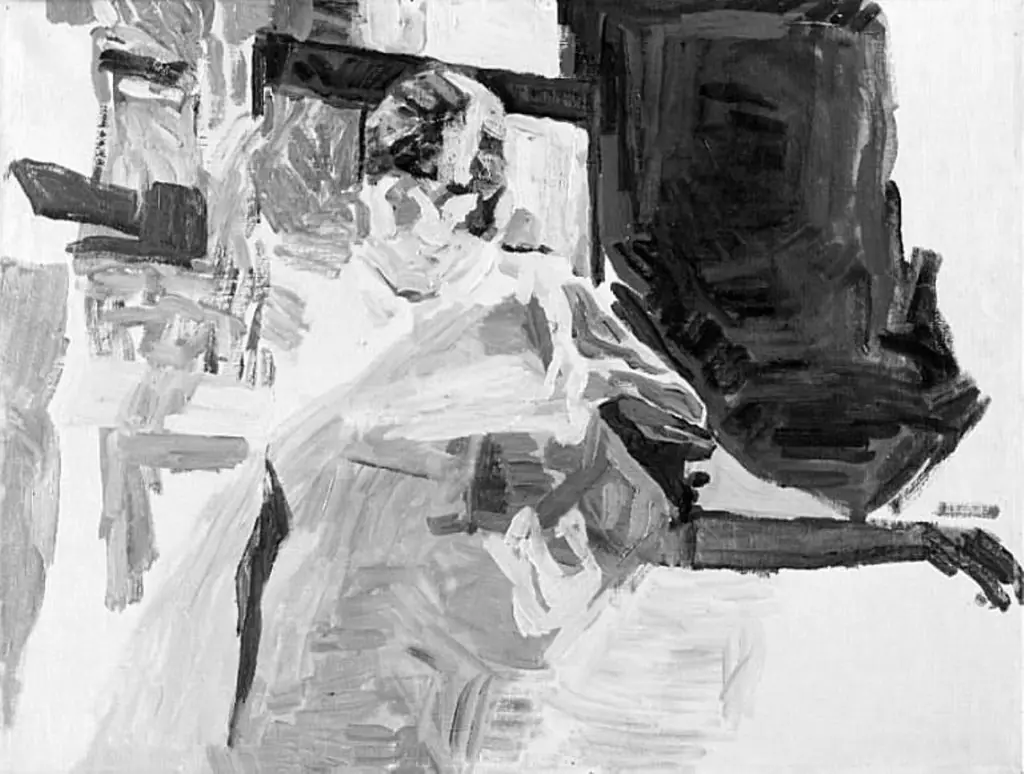
It lacks a defined narrative or recognizable subject, instead presenting a composition of overlapping dark forms and irregular light areas.
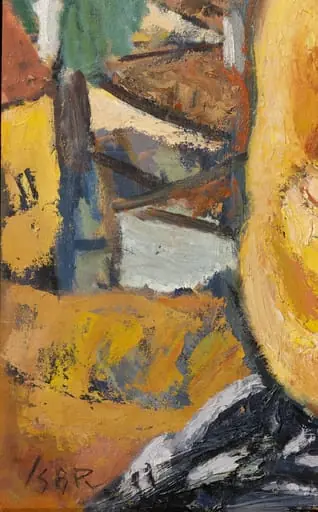
Created around 1850 by Iosif Iser, this work is a small, unframed image executed with rapid, tactile marks. It lacks a defined narrative or recognizable subject, instead presenting a composition of overlapping dark forms and irregular light areas. The surface is heavily textured, suggesting direct application of pigment—possibly ink or thick wash—without refinement. Its raw appearance aligns with the artist’s practice of prioritizing gesture over finish.
Subject & Meaning
No clear subject emerges from the composition. The central masses of dark pigment suggest abstracted shadows or volumes, while the surrounding lighter zones imply ambient space or atmospheric diffusion. The absence of detail or symbolic elements resists interpretation, positioning the work as an exploration of form and tone rather than representation. Its ambiguity invites attention to the act of marking itself.
Technique & Style
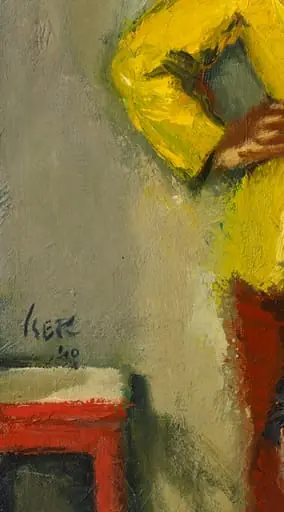
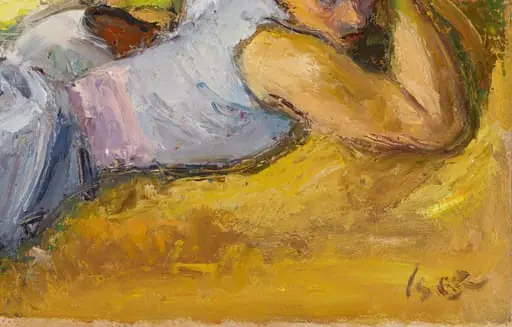
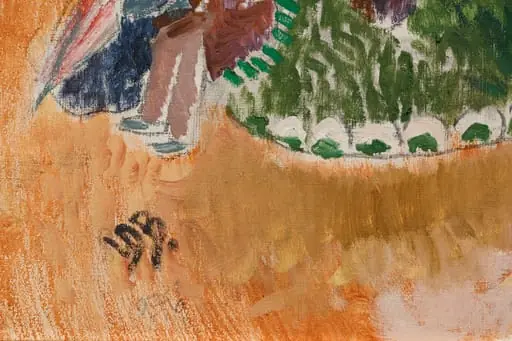
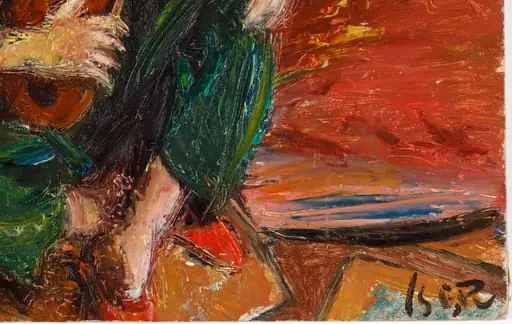
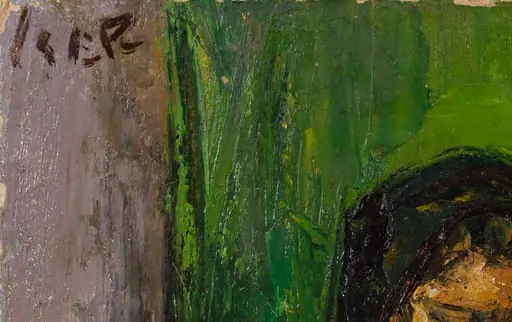
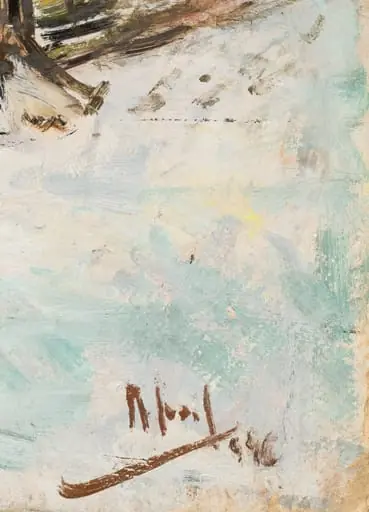
Iser applied pigment with urgency, using broad, uneven strokes that build density through layering rather than blending. Thick accumulations of ink or paint create tactile ridges, while sparse areas reveal the paper’s texture. The brushwork appears spontaneous, with no attempt at smoothing or precision. The scrawled signature in the corner reinforces the impression of a private, unpolished exercise rather than a public-facing piece.
History & Provenance
The work’s origin lies within Iser’s personal output during the mid-nineteenth century, likely produced in his studio as a study or experimental sketch. No documented exhibition or ownership history is known prior to its modern cataloging. Its survival suggests it was retained by the artist or a close associate, valued not for its finish but for its expressive immediacy.
Context
In mid-1800s Romania, where Iser worked, academic art emphasized polished realism. This piece diverges sharply from that norm, aligning more with emerging interests in spontaneity and material presence. Though not part of any known movement, it reflects a quiet rebellion against formal constraints, paralleling broader European tendencies toward expressive sketching among artists seeking personal expression beyond institutional ideals.
Legacy
Though not widely exhibited during Iser’s lifetime, this work contributes to a growing recognition of his experimental side. Later scholars have cited it as evidence of his engagement with non-traditional modes of mark-making. It remains a quiet example of how individual artists in peripheral regions explored abstraction and materiality before such practices gained broader acceptance in art discourse.
Artist & collection