Artwork
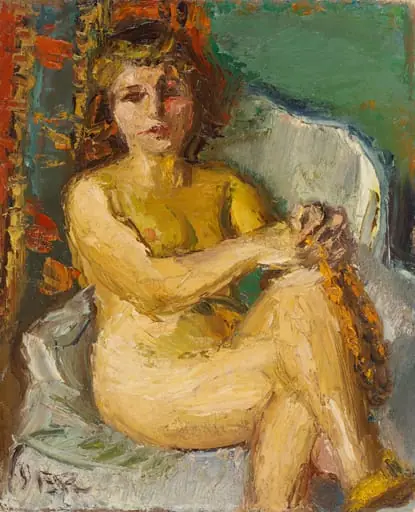
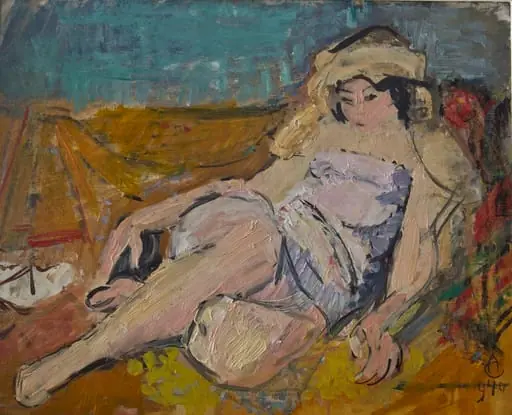
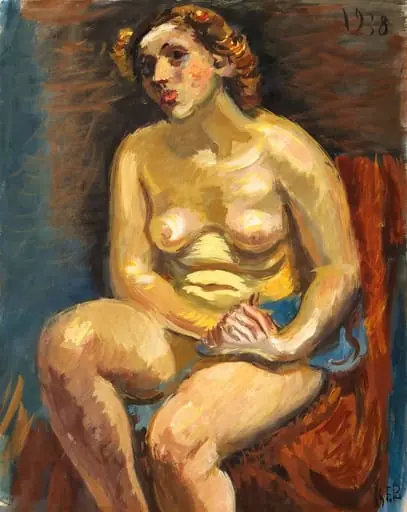
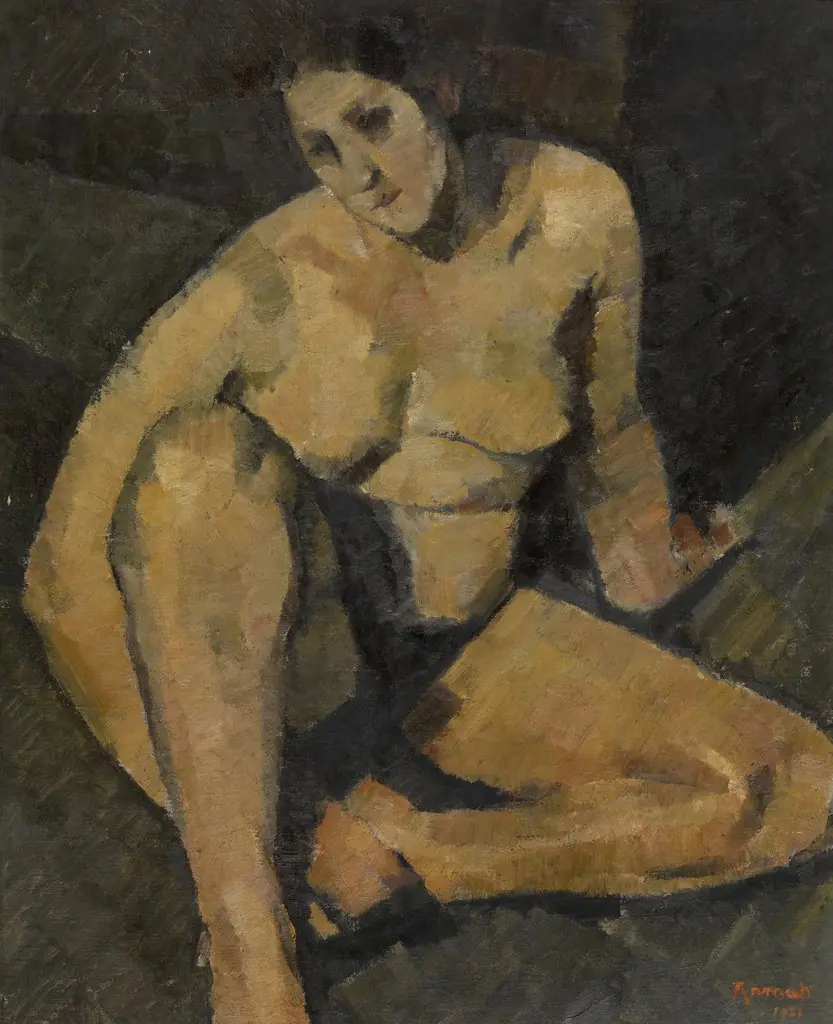
Nud șezând
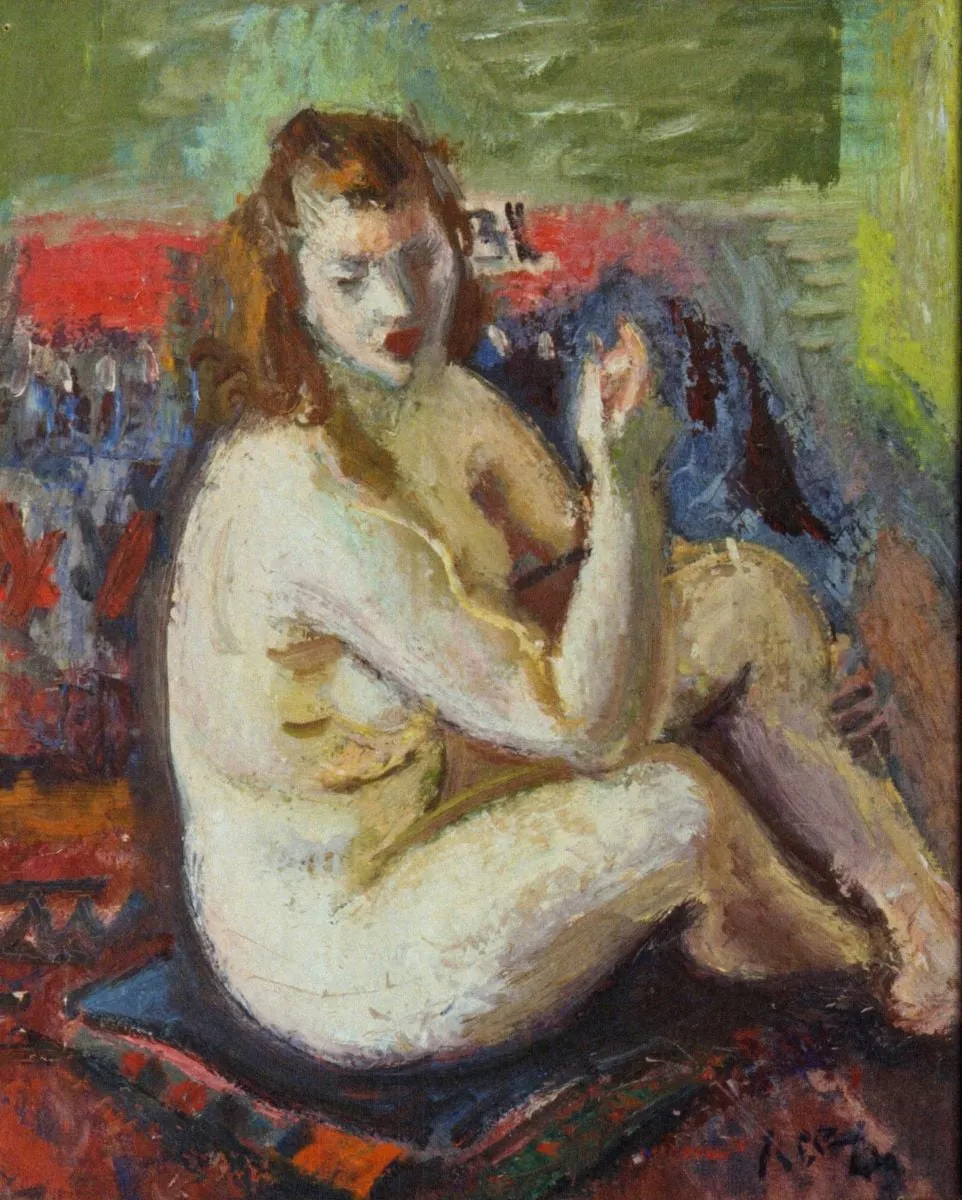
Nud șezând is a print by Iosif Iser. It dates from 1944 and is held in the collection of the Bucharest Municipality Museum.
About this work
A man sits nude on a simple wooden chair in a dim room. His hands rest on his knees, head slightly tilted. The rough grain of the chair shows in the print.
Iosif Iser made this in 1944 during tough years in Romania. The print feels raw and direct, not polished. You can almost feel the quiet of the space.
See more like this at the Museum of Ethnography.
Overview
It is part of the collection at the Museum of Ethnography, where it is preserved as an example of mid-20th-century Romanian graphic art.
Nud șezând is a 1944 print by Romanian artist Iosif Iser, executed in a direct, unadorned style. The work depicts a seated nude male figure in a modest interior setting. It is part of the collection at the Museum of Ethnography, where it is preserved as an example of mid-20th-century Romanian graphic art. The image conveys a sense of stillness and introspection, shaped by the material constraints and emotional climate of its time.
Subject & Meaning
The figure, a man seated nude on a plain wooden chair, is rendered without idealization or narrative context. His posture—hands resting on knees, head slightly inclined—suggests contemplation rather than performance. The absence of external detail focuses attention on the body’s vulnerability and solitude. The work reflects a quiet humanism, rooted in personal observation rather than symbolic intent, characteristic of Iser’s approach during a period of national hardship.
Technique & Style
Iser employed a rough, tactile printing technique that emphasizes texture over refinement. The grain of the wooden chair is rendered with visible, uneven lines, and the figure’s form is suggested through sparse, deliberate strokes. There is no attempt at smooth modeling or idealized contours; instead, the image retains the immediacy of a sketch translated into print. This rawness enhances the sense of intimacy and unvarnished presence.
History & Provenance
Created in 1944, during the final years of World War II and amid political instability in Romania, the print emerged from a time of scarcity and uncertainty. Iser, known for his focus on everyday subjects, produced this work in relative isolation. It entered the Museum of Ethnography’s collection shortly after its creation, where it has remained as part of a broader archive of Romanian visual culture from the mid-20th century.
Context
In wartime Romania, artistic production often turned inward, away from grand themes toward intimate, personal observations. Iser’s work reflects this shift, prioritizing quiet realism over propaganda or ornament. The dim interior and minimal furnishings suggest limited resources, while the nude figure—unusual in public art of the period—hints at a private, almost defiant act of human focus amid societal strain.
Legacy
Nud șezând stands as a quiet testament to Iser’s commitment to unembellished observation. While not widely exhibited beyond Romania, it remains a significant example of how artists navigated personal expression under difficult conditions. Its preservation in the Museum of Ethnography underscores its value as a document of everyday life, offering insight into the emotional texture of Romanian art during a turbulent era.
Artist & collection