Artwork
Horse caparisoned
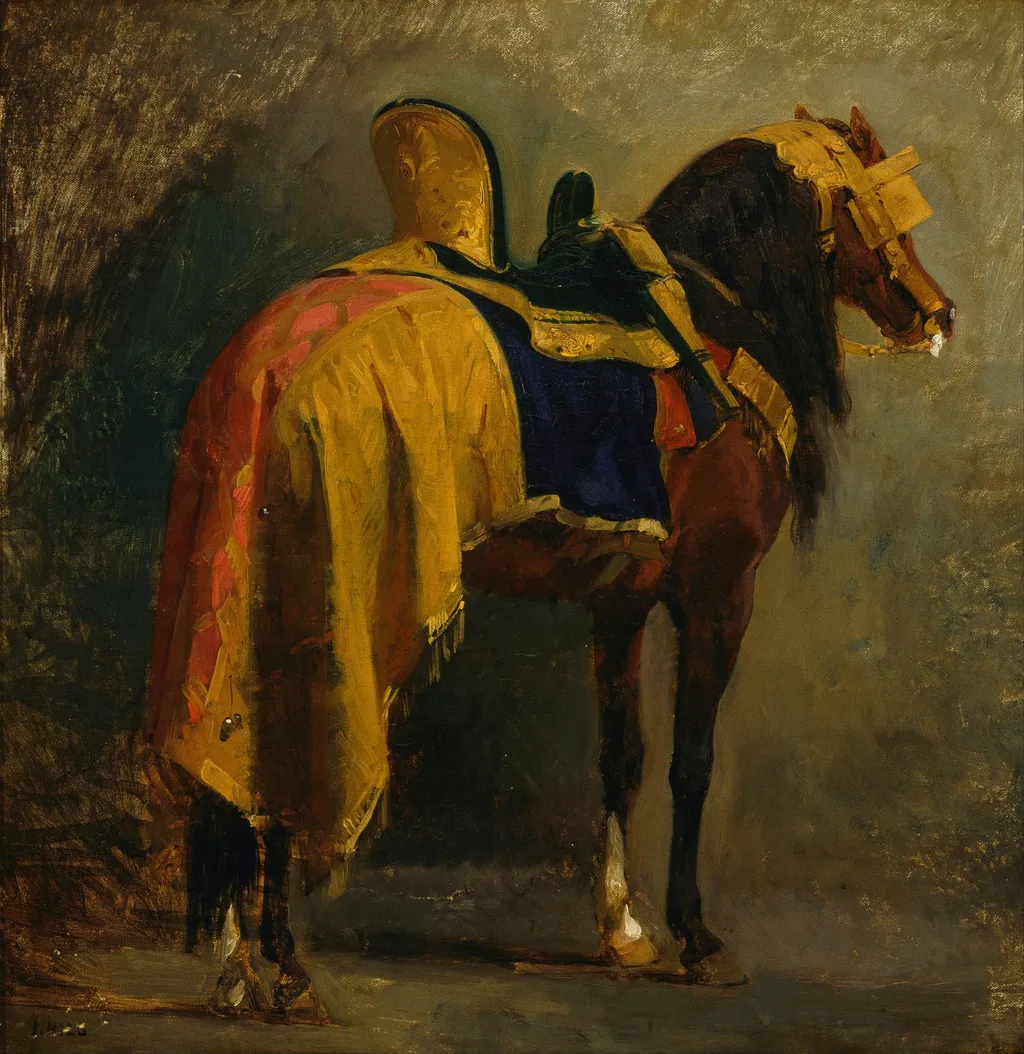
Horse caparisoned is an oil painting by Isidore Pils. It dates from 1860 and is held in the collection of the Art Gallery of New South Wales.
About this work
Overview
The composition is tightly focused, with no human figures present, directing attention solely to the horse and its elaborate harness.
Painted in 1860 by Isidore Pils, this oil work depicts a caparisoned horse viewed from behind. The subject is rendered with attention to ornamental detail, emphasizing the ceremonial attire rather than the animal’s anatomy. The composition is tightly focused, with no human figures present, directing attention solely to the horse and its elaborate harness. The painting resides in the collection of the Art Gallery of New South Wales.
Subject & Meaning
The horse is adorned in a richly decorated caparison, suggesting a ceremonial or military context. The gold headpiece, red and yellow blanket, and blue saddle imply status and formality, possibly linked to royal processions or equestrian displays. The absence of riders or spectators heightens the sense of the horse as a symbol of power, presented in isolation as an object of visual grandeur.
Technique & Style
Pils employs smooth, controlled brushwork to render the textures of fabric and metal, contrasting the glossy sheen of gold accents with the matte depth of the horse’s mane and dark legs. The background is muted and indistinct, allowing the vibrant caparison to dominate. Light falls evenly across the scene, minimizing shadows and reinforcing the decorative, almost static quality of the image.
History & Provenance
Created in 1860, the painting entered the Art Gallery of New South Wales’ collection through documented acquisition, though its earlier ownership remains unrecorded in public sources. It reflects Pils’s interest in equestrian subjects during the mid-19th century, a period when such imagery was often tied to state pageantry and military tradition in France.
Context
In mid-19th century France, detailed depictions of caparisoned horses were common in official art, celebrating military parades and royal ceremonies. Pils, trained in academic traditions, aligned with this trend, focusing on precision and ornamentation rather than narrative. This work fits within a broader genre that prioritized visual splendor over emotional or historical storytelling.
Legacy
Though not widely reproduced or studied today, the painting remains a quiet example of academic equestrian art from the period. Its preservation in a major Australian institution underscores the global reach of 19th-century French artistic production. It serves as a reference for the visual language of ceremonial equine presentation in Western art.
Own this work as a print
Artist & collection
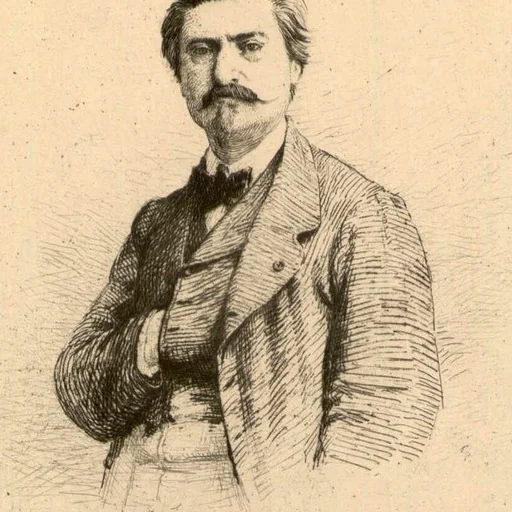
Artist
Isidore Pils (1813–1875) was a French artist, born in former 10th arrondissement of Paris.

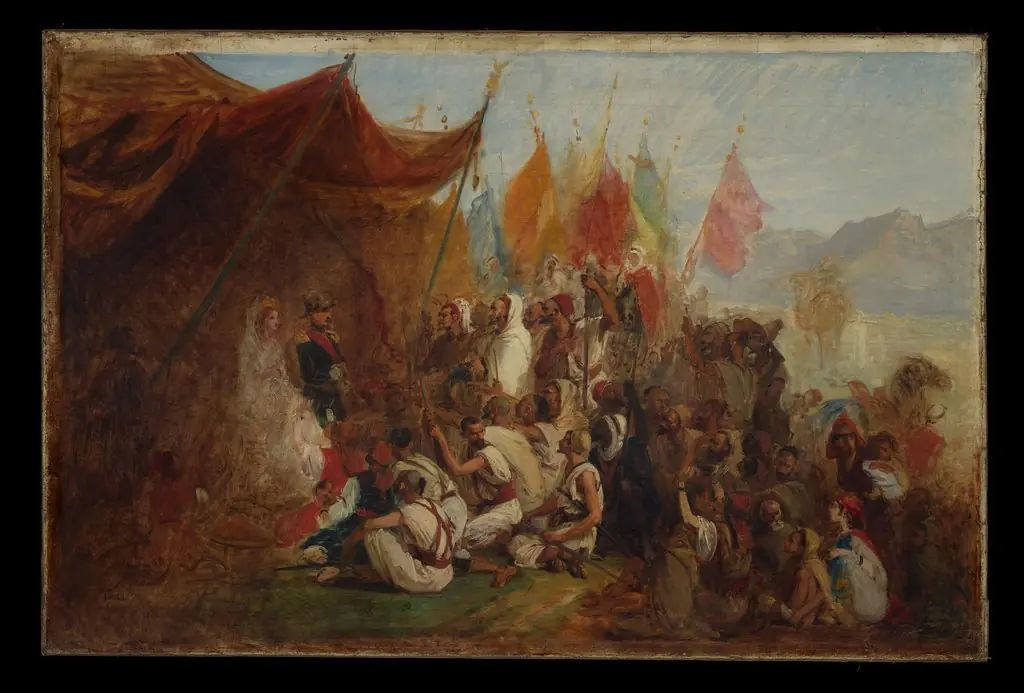 Sketch for "Reception of Emperor Napoleon III and Empress Eugénie by the Kabyle Leaders at Algiers on September 18, 1860"
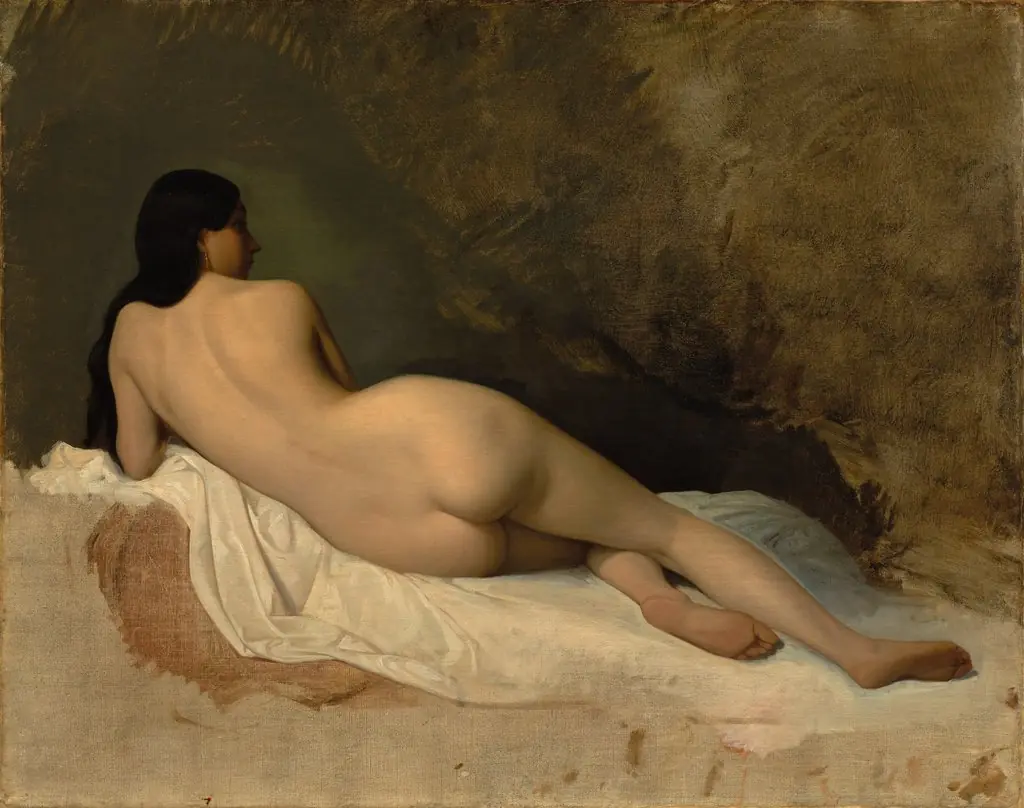 Study of a Reclining Nude
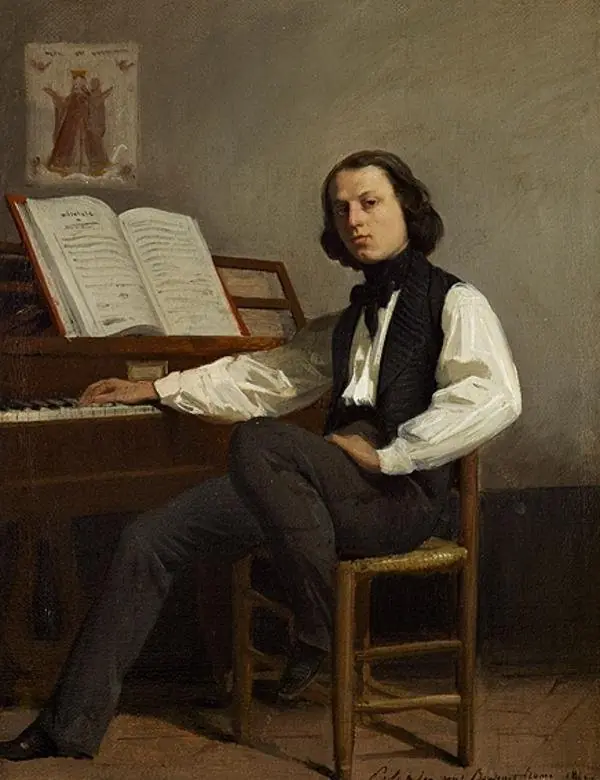 Portrait de Georges Bousquet
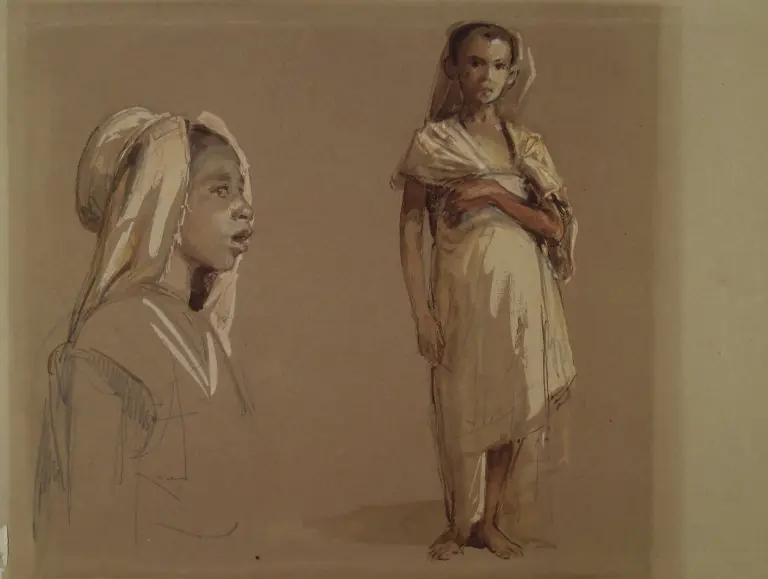 Kabyle Children
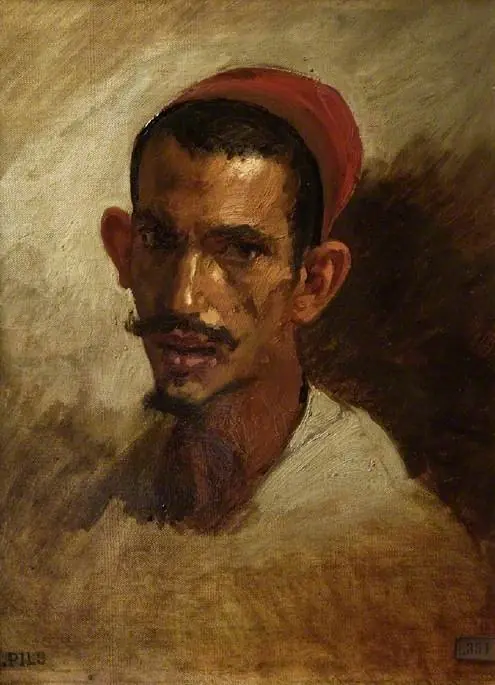 Study for the head of a young Arab
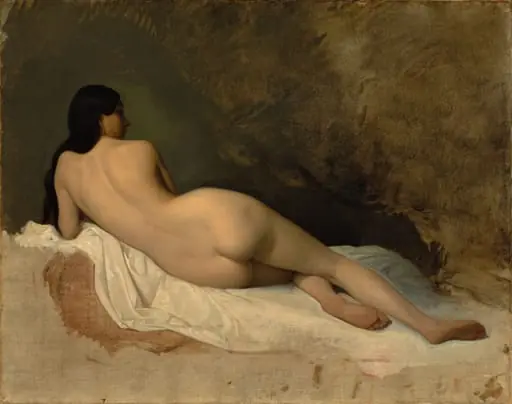 Study of a Reclining Nude
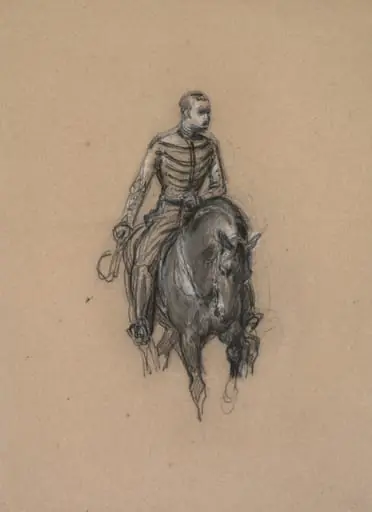 Militaire a cheval (Soldier on Horseback)
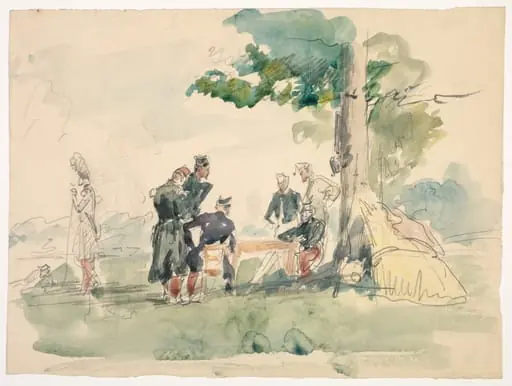 Militaires sous un arbre (Soldiers under a Tree)