Artwork
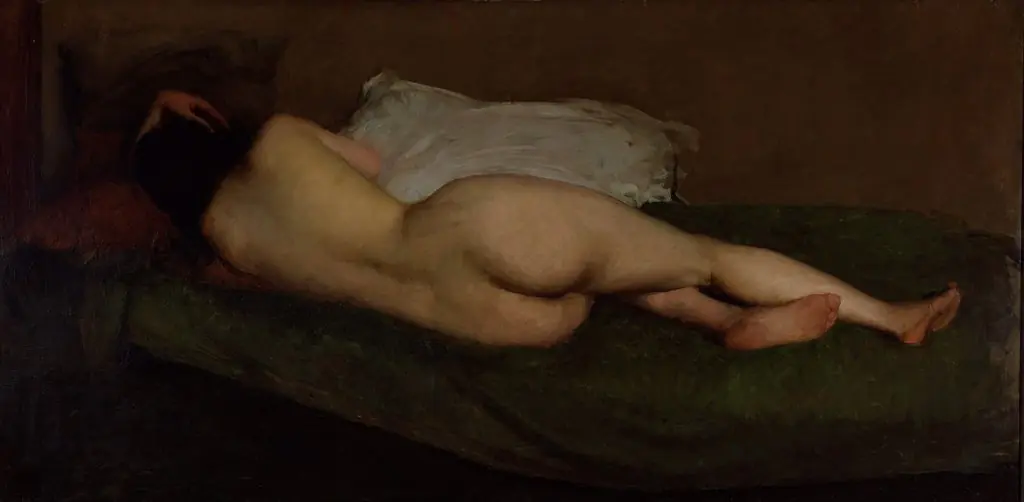
Study of a Reclining Nude
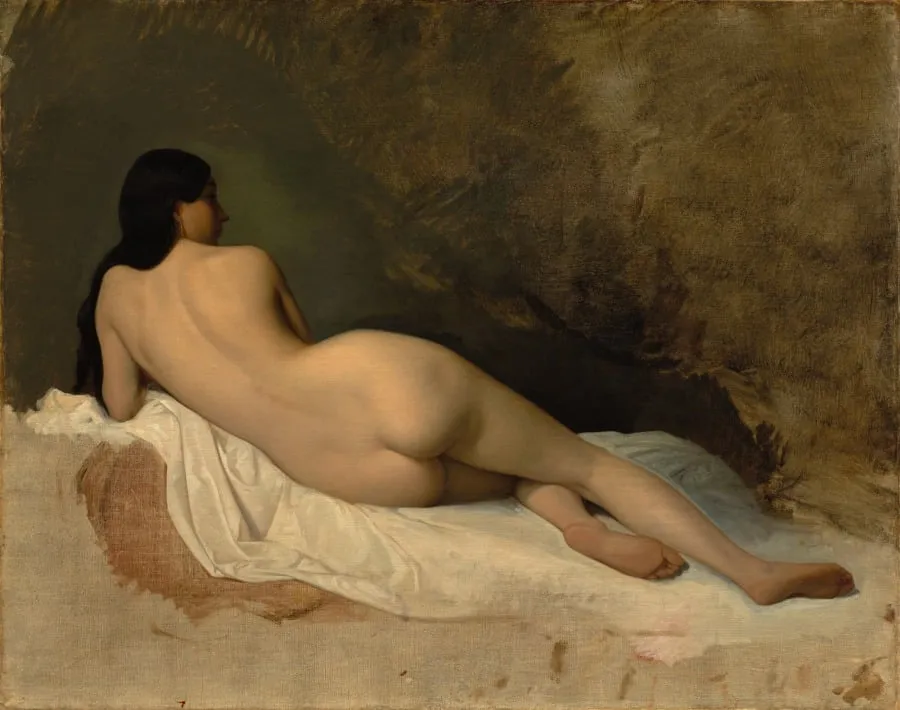
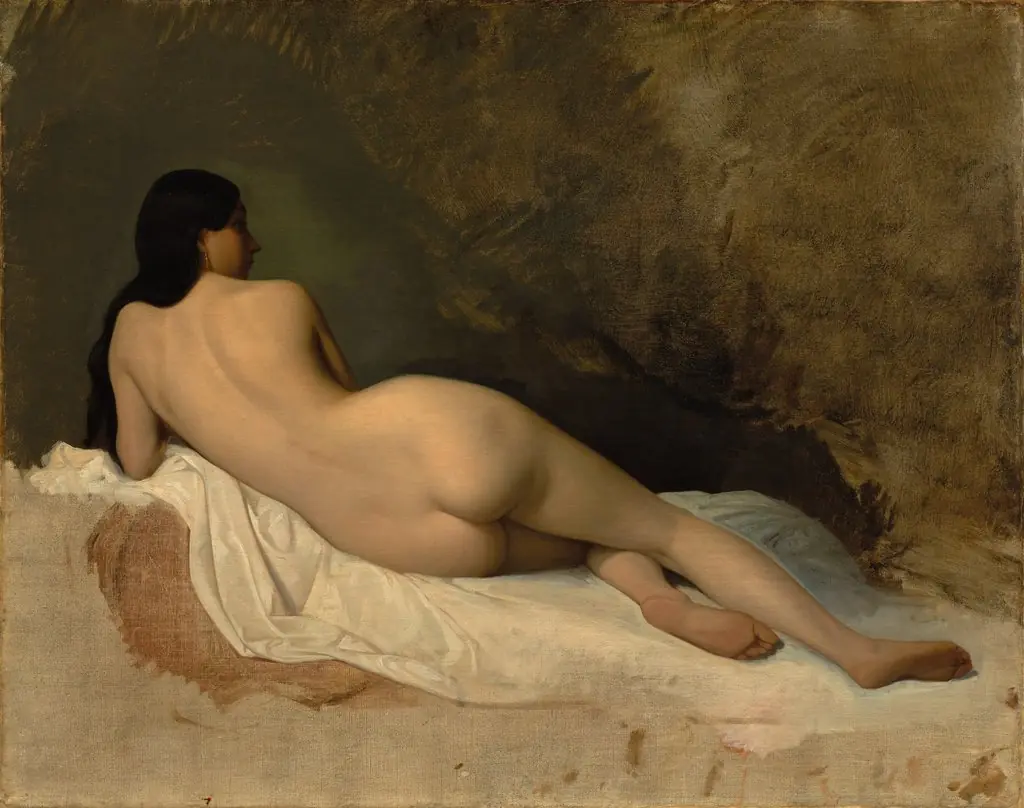
Study of a Reclining Nude is an unspecified painting by the French Romanticist artist Isidore Pils. It dates from 1841 and is held in the collection of the Cleveland Museum of Art. This unfinished oil study depicts a reclining female figure in a lateral pose, with parts of the canvas left raw or thinly rendered.
About this work
Overview
The work reflects the academic training practices of 19th-century France, where drawing the nude was essential to demonstrating technical mastery.
This unfinished oil study depicts a reclining female figure in a lateral pose, with parts of the canvas left raw or thinly rendered. Its incomplete state suggests it was created as a preparatory exercise rather than a final composition. The work reflects the academic training practices of 19th-century France, where drawing the nude was essential to demonstrating technical mastery. The artist focused narrowly on capturing form, omitting background and detail.
Subject & Meaning
The figure’s posture aligns with the odalisque tradition popularized by Ingres, referencing idealized depictions of women in Eastern harems. While not narrative, the pose evokes a historical trope of passive femininity. The lack of contextual elements—clothing, setting, or expression—reduces the subject to anatomical study. The pose’s familiarity implies the artist was engaging with established visual conventions rather than inventing a new one.
Technique & Style
The artist employed rapid, economical brushwork, concentrating pigment only along the body’s contours to define volume and curvature. Unpainted canvas areas remain visible, emphasizing the work’s function as a sketch. There is no attempt at texture, shading, or atmospheric depth. This restraint reflects the academic emphasis on line and form over decorative finish, prioritizing structural accuracy over finish.
History & Provenance
Created during the height of the French Academy’s influence, this study likely originated in a life-drawing class at an official art school. Such exercises were mandatory for students seeking recognition or entry into the Salon. The work’s survival suggests it was retained by the artist or instructor as a pedagogical example, though its specific origin and ownership prior to modern collection remain undocumented.
Context
In 19th-century France, the academic curriculum elevated the nude as the highest form of artistic expression, rooted in classical ideals. Students trained by copying masterworks and drawing from live models who held brief, static poses. The odalisque motif, though exoticized, served as a convenient vehicle for studying anatomy without confronting contemporary social norms. This study exemplifies how tradition shaped pedagogical practice.
Legacy
Though not widely exhibited or celebrated, such studies formed the foundation of artistic training for generations. They reveal the disciplined, repetitive nature of academic art education and the extent to which convention guided even preliminary work. Today, they offer insight into the unseen labor behind canonical paintings, preserving the process rather than the polished result.
Artist & collection
Artist
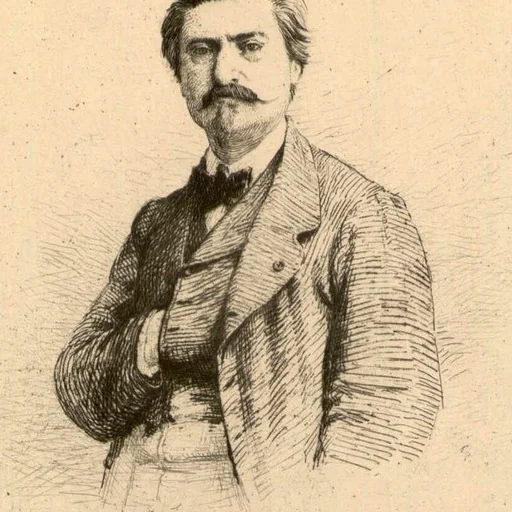
Isidore Pils (1813–1875) was a French artist, born in former 10th arrondissement of Paris.

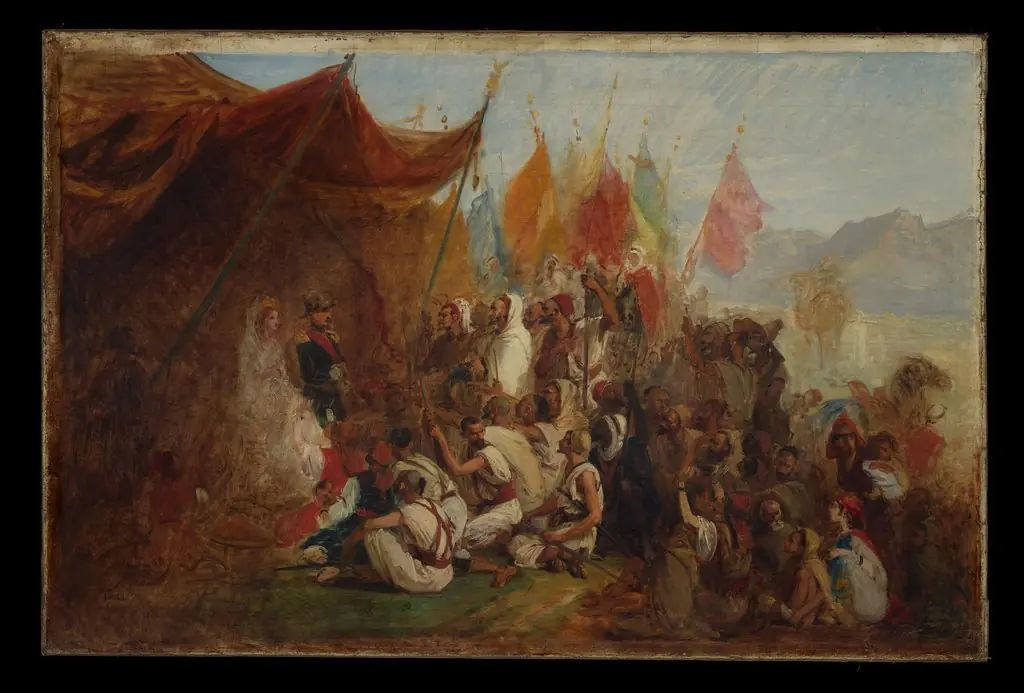 Sketch for "Reception of Emperor Napoleon III and Empress Eugénie by the Kabyle Leaders at Algiers on September 18, 1860"
 Study of a Reclining Nude
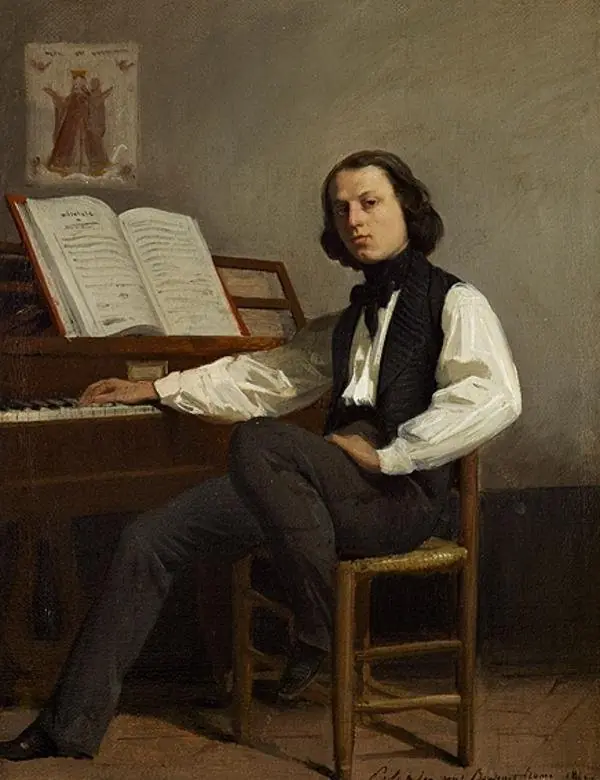 Portrait de Georges Bousquet
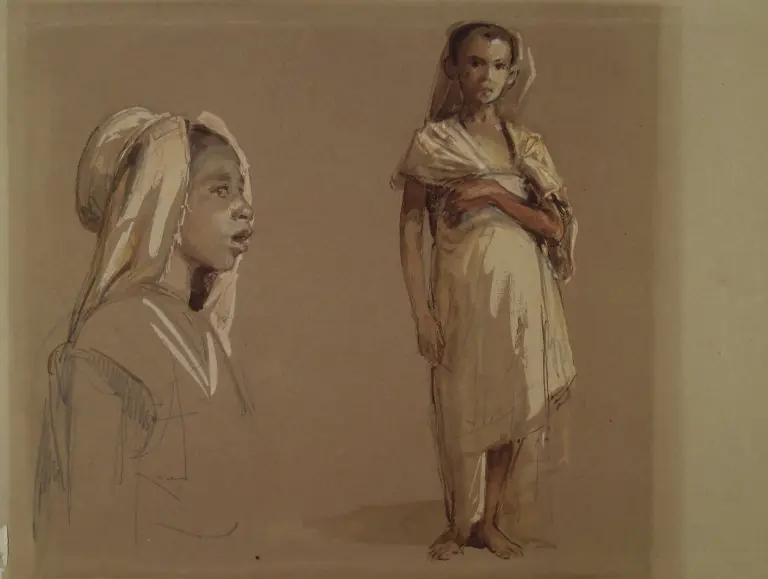 Kabyle Children
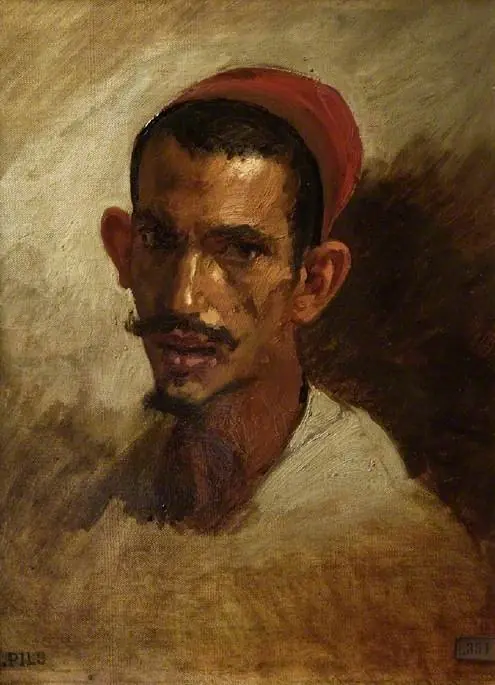 Study for the head of a young Arab
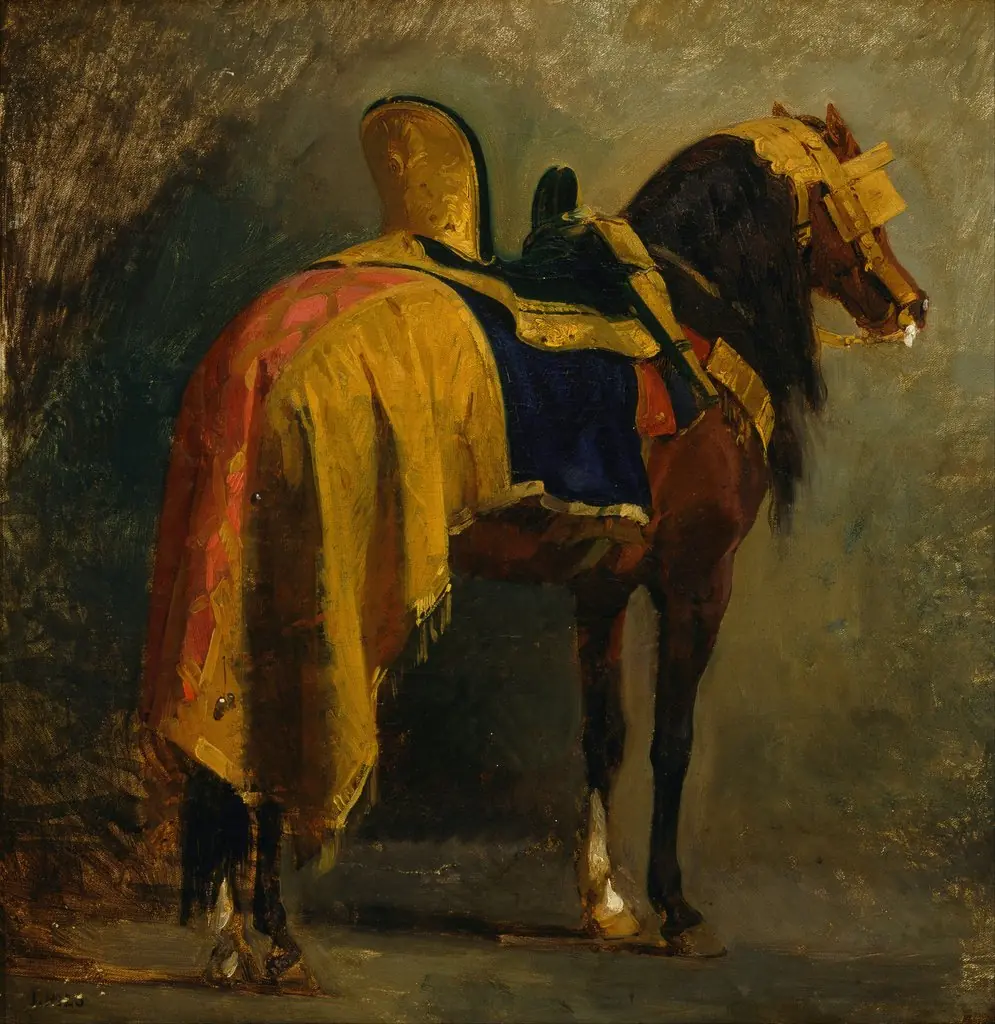 Horse caparisoned
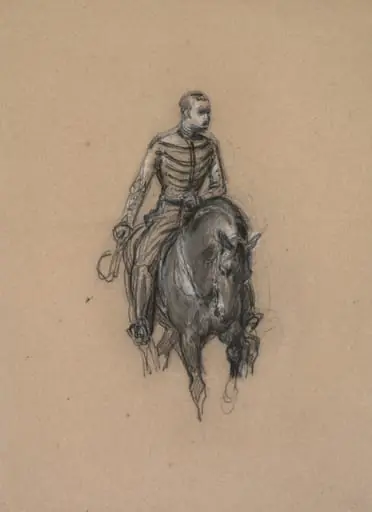 Militaire a cheval (Soldier on Horseback)
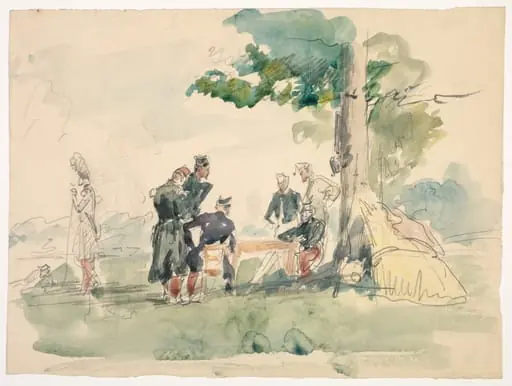 Militaires sous un arbre (Soldiers under a Tree)