Artwork
Self-portrait
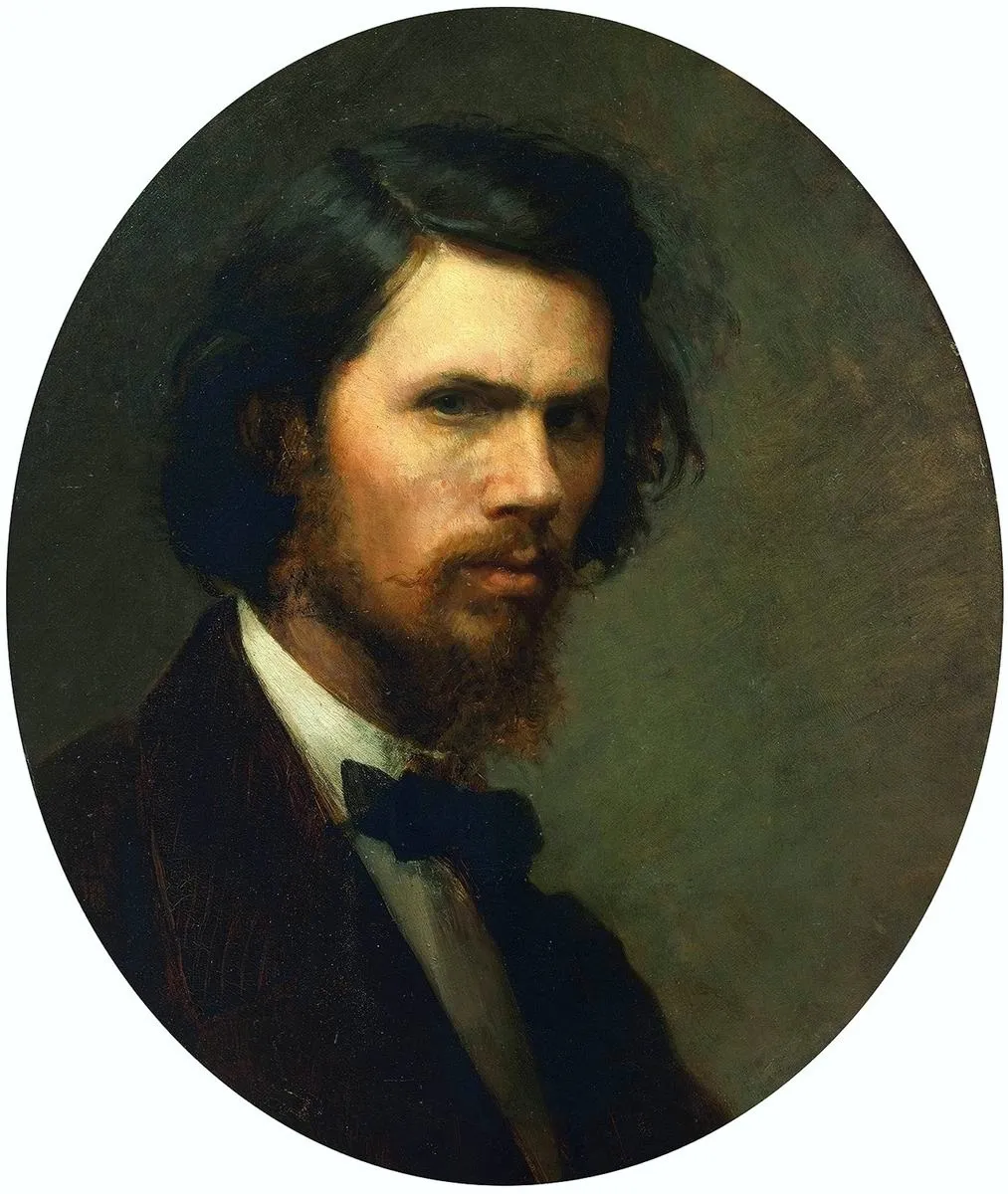
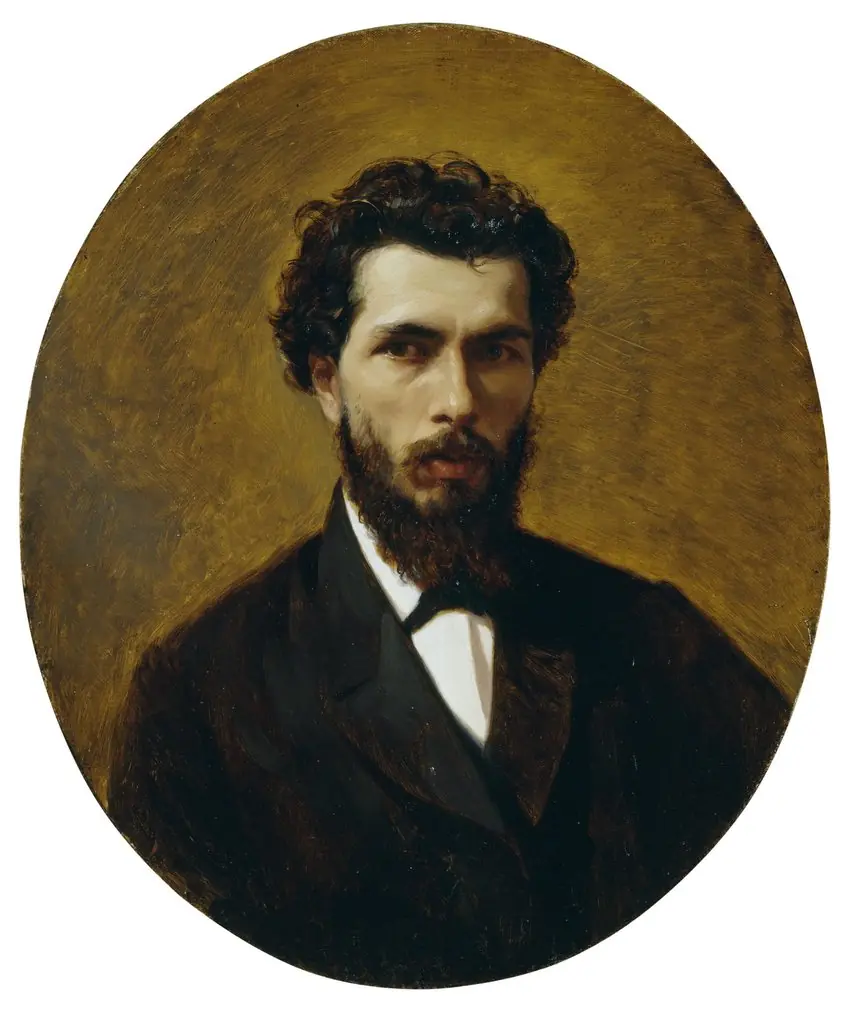
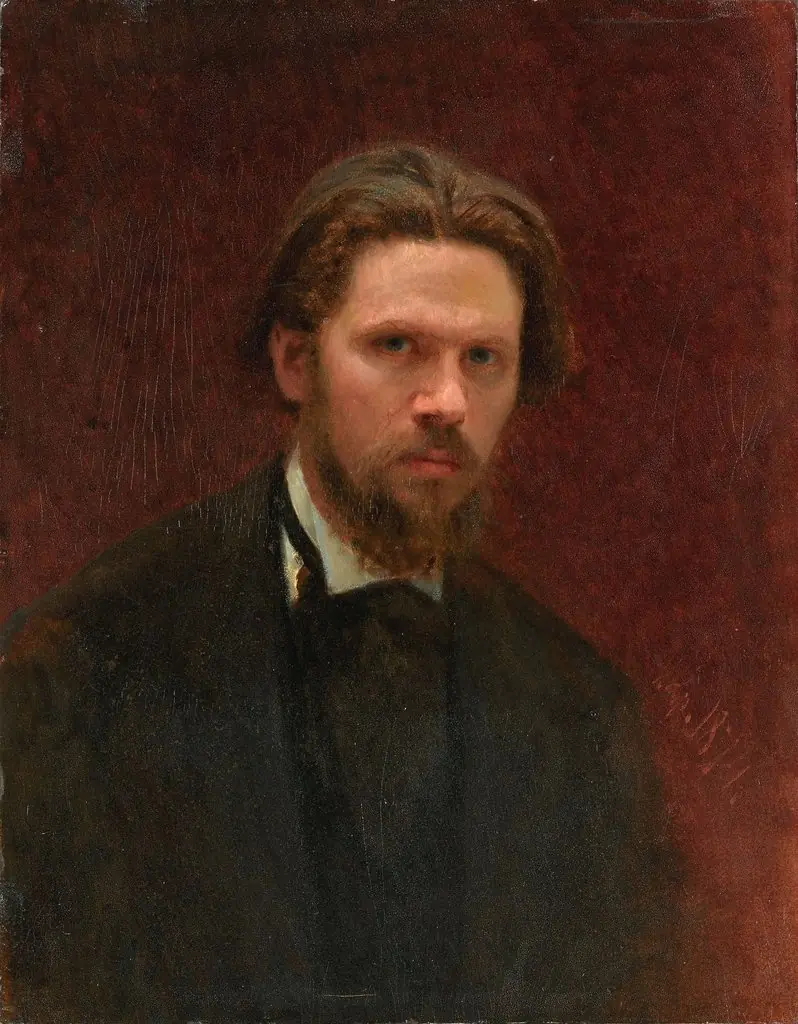
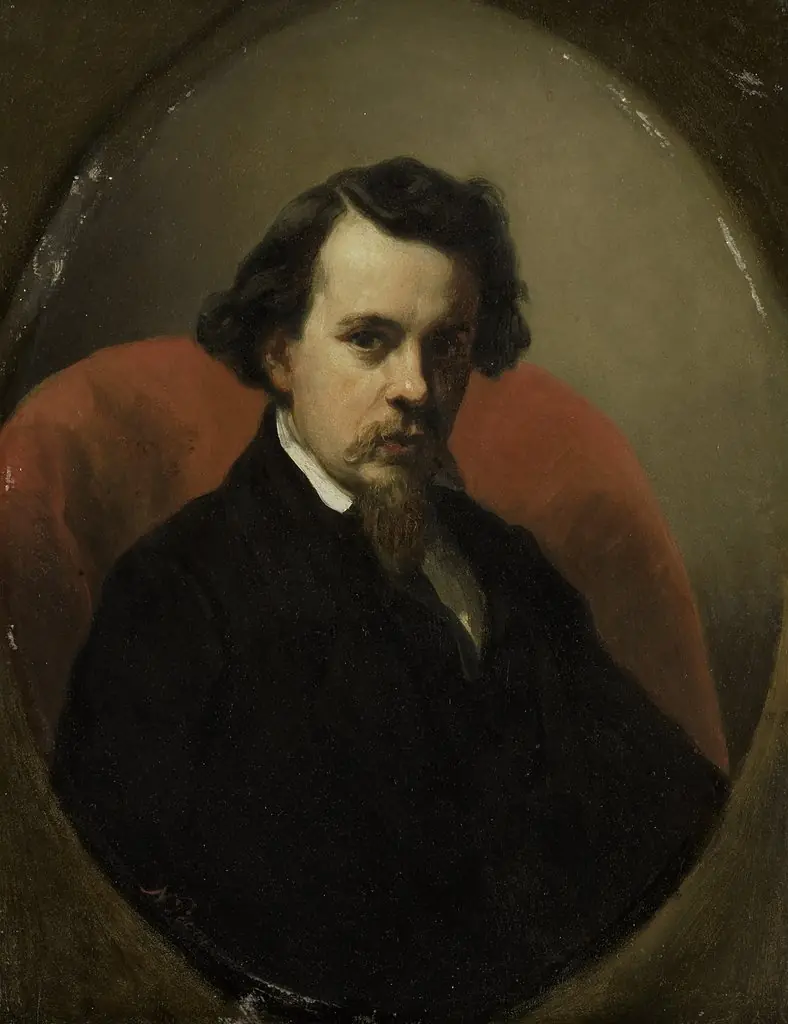
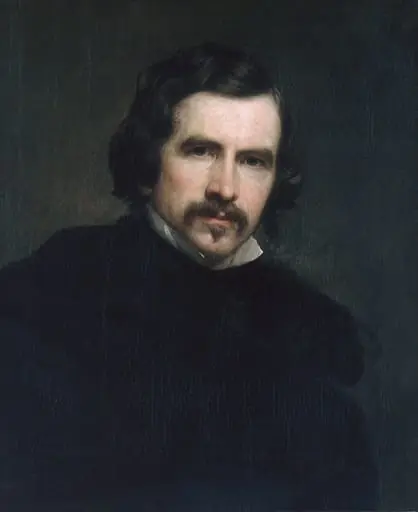
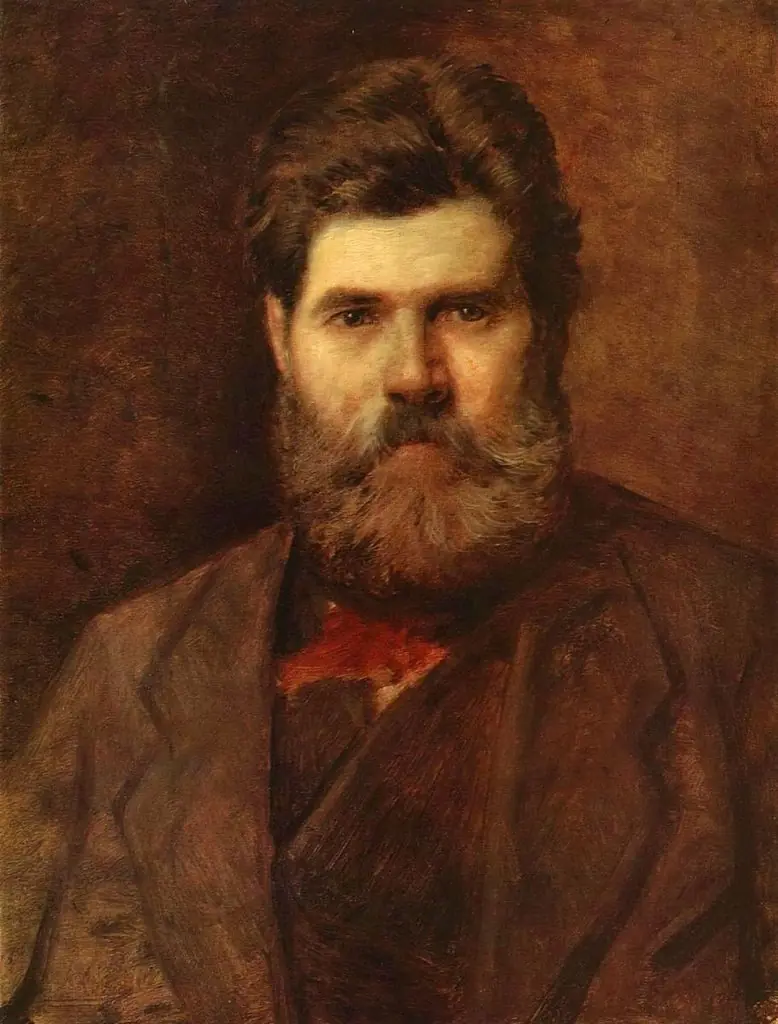
Self-portrait is an oil painting by the Realist artist Ivan Kramskoi. It dates from 1867 and is held in the collection of the Tretyakov Gallery.
About this work
Overview
The composition isolates his face and upper torso against a dark, unadorned background, emphasizing psychological presence over narrative context.
Painted in 1867, this oil-on-canvas self-portrait by Ivan Kramskoi presents the artist at age thirty, rendered in an oval format. The composition isolates his face and upper torso against a dark, unadorned background, emphasizing psychological presence over narrative context. His formal attire and direct gaze establish a tone of introspection and authority, reflecting both personal identity and artistic self-awareness.
Subject & Meaning
Kramskoi portrays himself not as an idealized figure but as a man of intellect and resolve. His downward gaze, slightly stern and unyielding, suggests a critical engagement with the viewer, as if challenging perception or demanding recognition of inner depth. The painting functions as a visual statement of character—conveying seriousness, self-possession, and the weight of artistic responsibility.
Technique & Style
The artist employs subtle chiaroscuro to model the contours of his face, with soft transitions between light and shadow that define the structure beneath his beard and around his eyes. Brushwork is controlled and precise, particularly in the rendering of skin and fabric, avoiding overt texture to maintain a sense of quiet realism. The dark background enhances the luminosity of his features, drawing focus to the intensity of his expression.
History & Provenance
Completed in 1867, the portrait remained in Kramskoi’s possession until his death. It entered the collection of the Tretyakov Gallery in Moscow in 1896, following the artist’s bequest. Its early reception was marked by admiration from peers like Ilya Repin, who noted the penetrating quality of the eyes. The work has since been consistently exhibited as a key example of 19th-century Russian portraiture.
Context
Created during a period of intense cultural reform in Russia, the portrait reflects the growing emphasis on individual identity and intellectual integrity among the intelligentsia. Kramskoi, a leading figure in the Peredvizhniki movement, rejected academic idealism in favor of psychological truth. This self-portrait aligns with his broader mission to portray the inner life of the modern Russian subject.
Legacy
The painting endures as a defining image of Russian artistic self-representation. Its restrained realism and psychological depth influenced subsequent generations of portraitists who sought to capture character over ornament. Kramskoi’s unflinching gaze became a benchmark for sincerity in portraiture, reinforcing the idea that the artist’s face could serve as a mirror to the era’s moral and intellectual currents.
Artist & collection
Artist
Ivan Nikolayevich Kramskoi (Russian: Иван Николаевич Крамской; 8 June 1837 – 5 April 1887) was a Russian Realist painter and art critic.

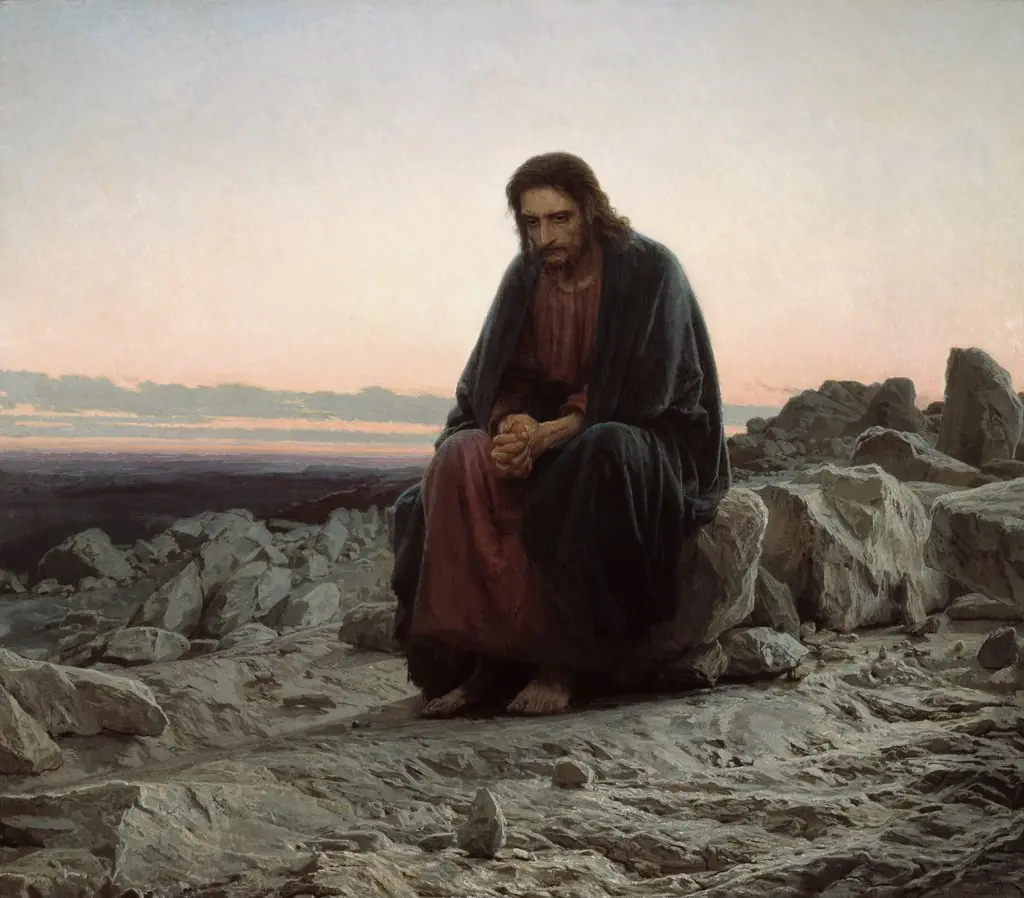 Christ in the Wilderness
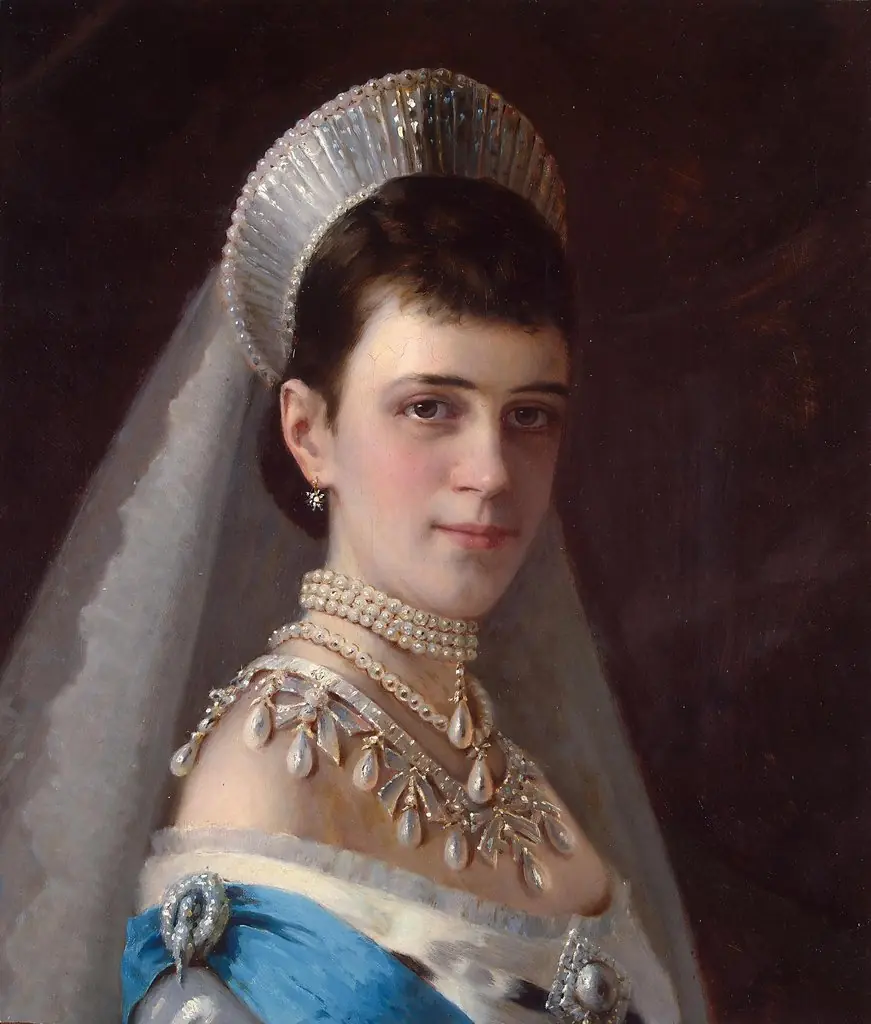 Portrait of Empress Maria Feodorovna
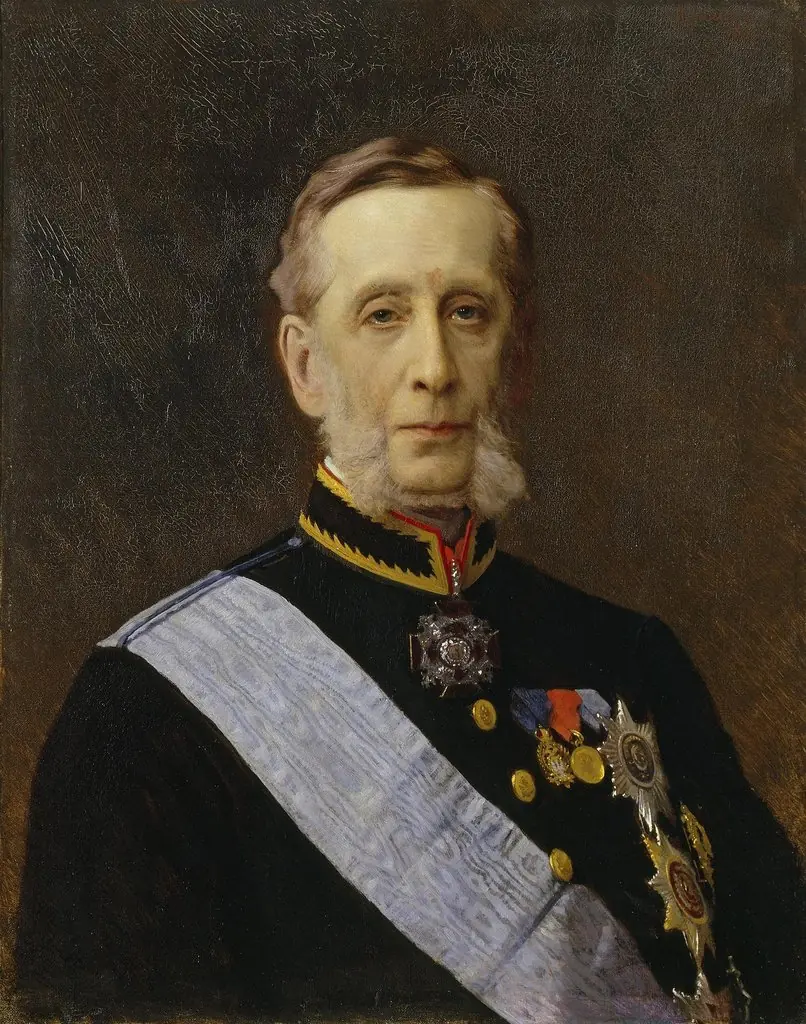 Portrait of Count Piotr Valuyev
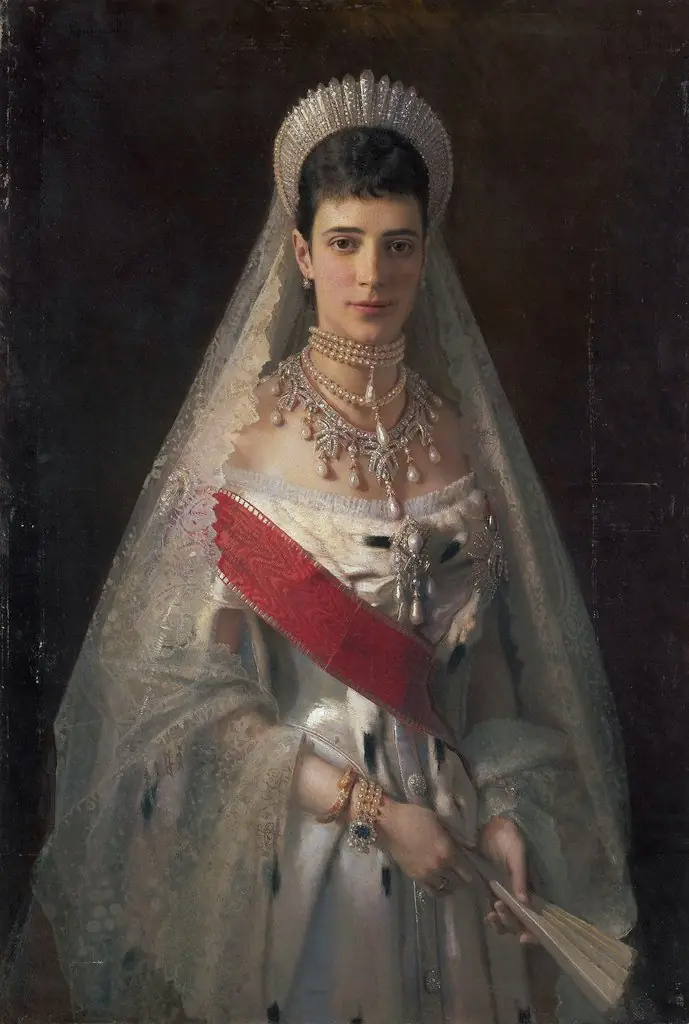 Portrait of Empress Maria Feodorovna
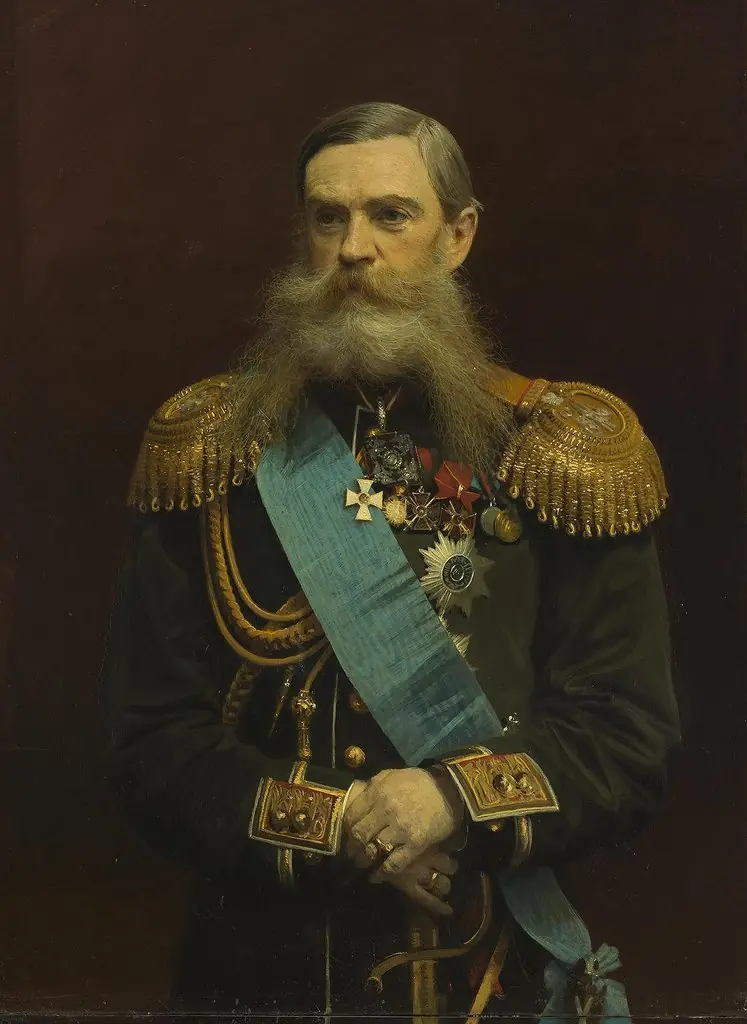 Portrait of Count Frederick Maurice van Heiden
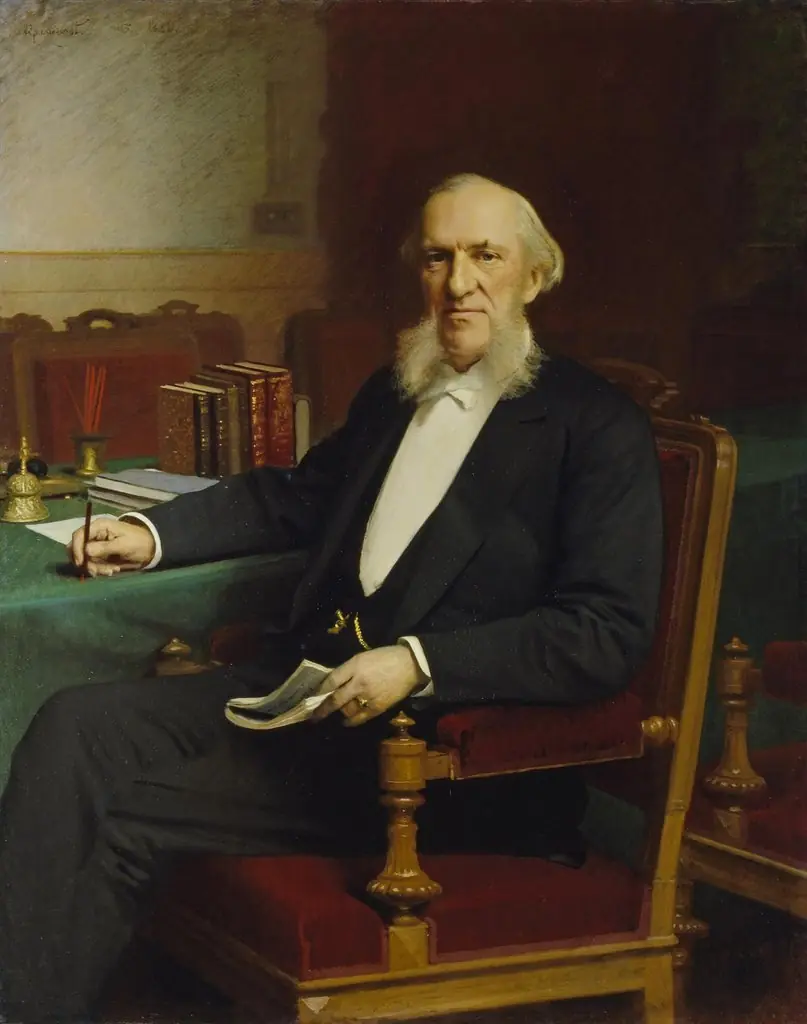 Portrait of the Banker Yevgeny Lamansky
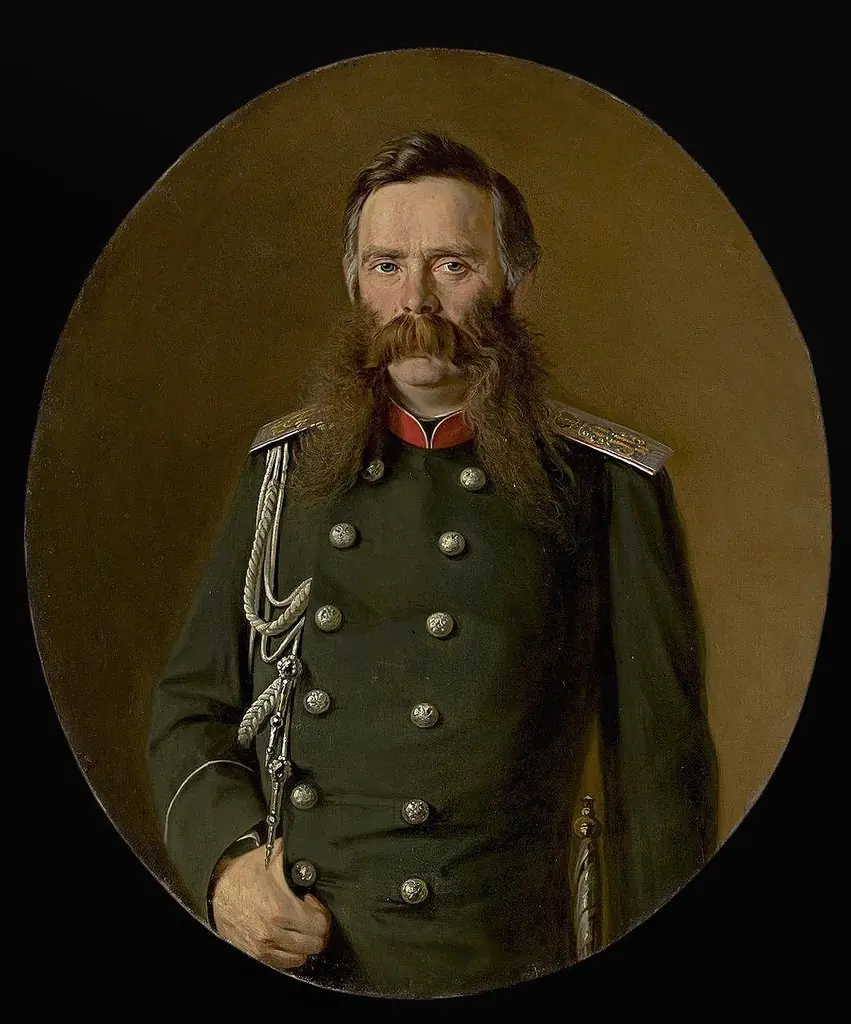 Portrait of Adjutant-General Count Alexei Bobrinskiy
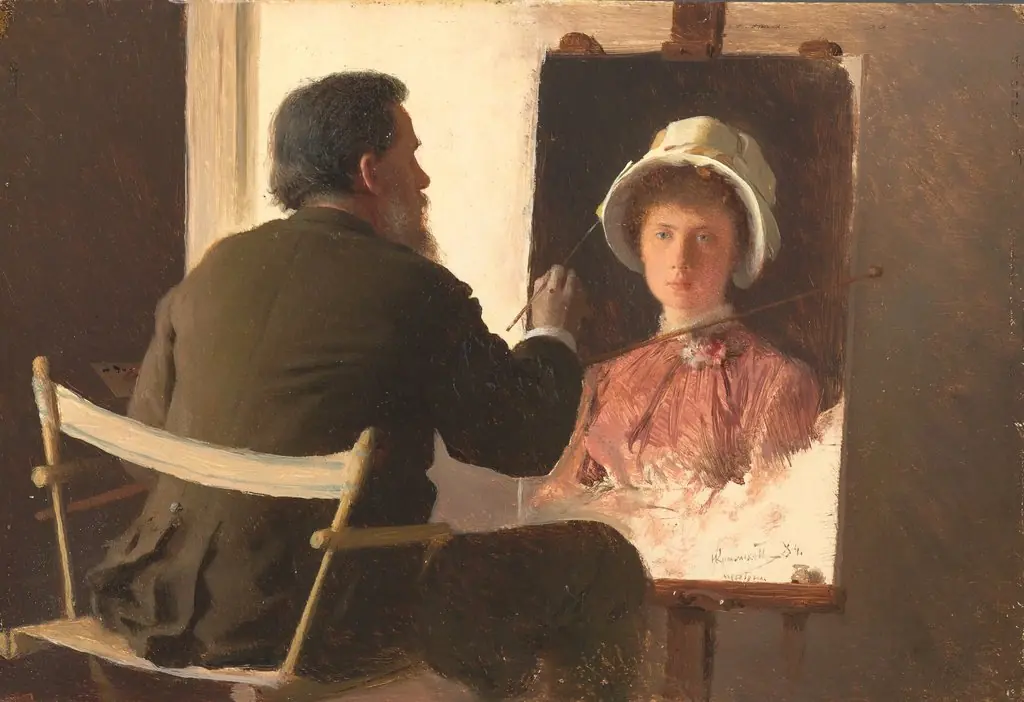 Kramskoy Painting a Portrait of His Daughter