Artwork
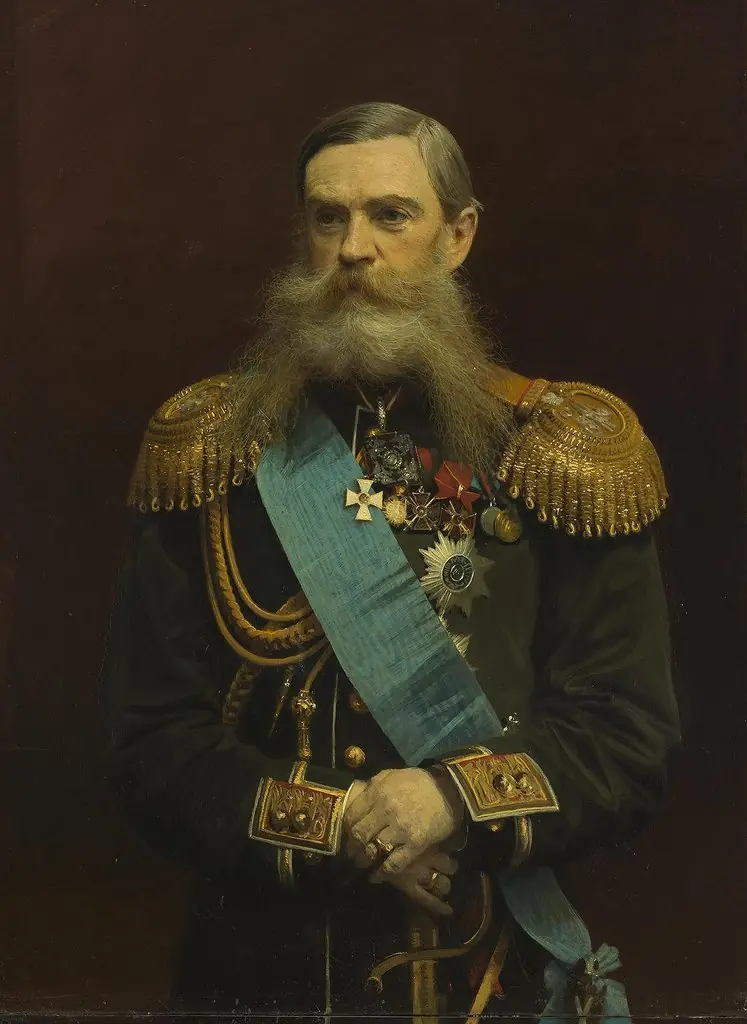
Portrait of Adjutant-General Count Alexei Bobrinskiy
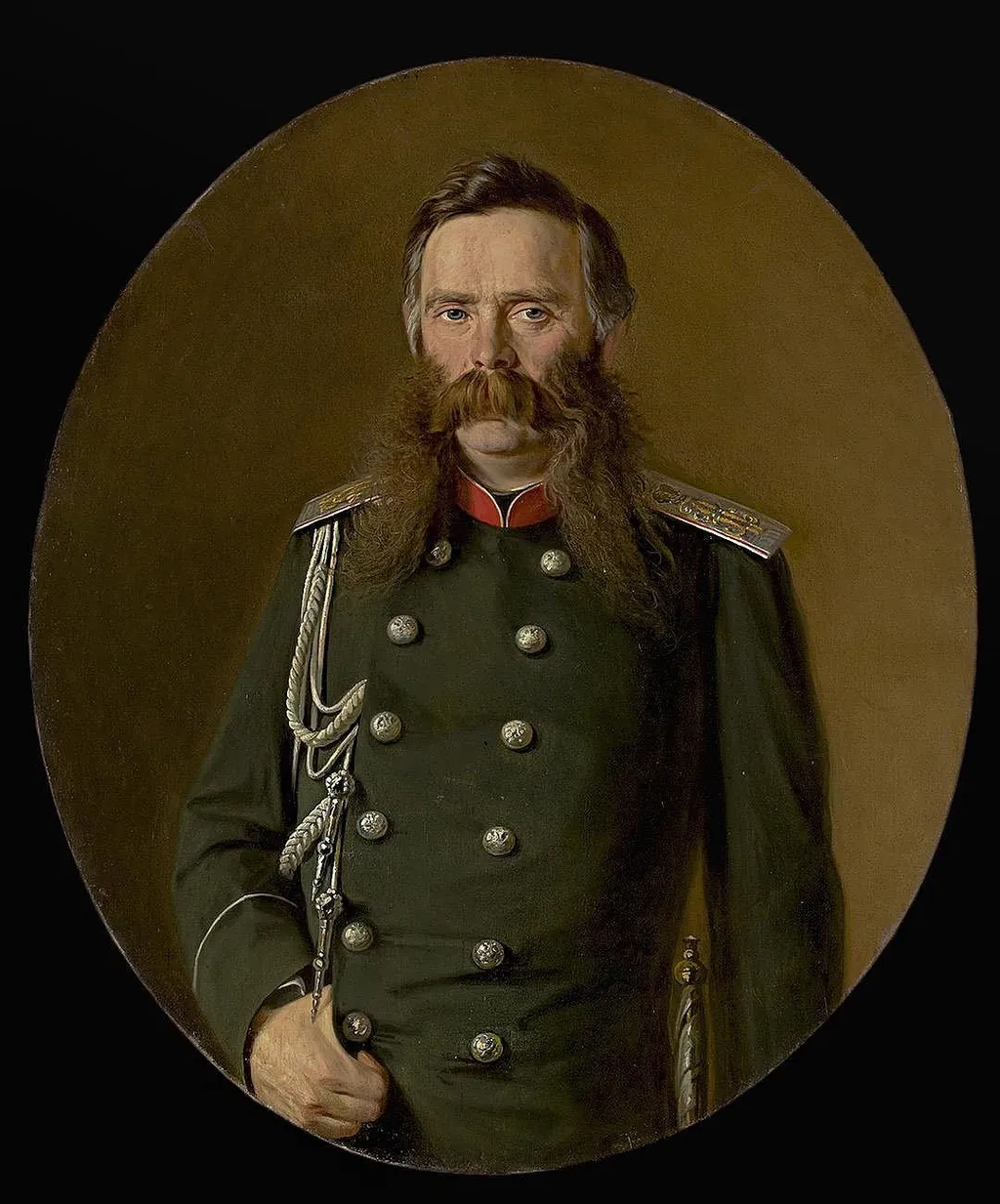
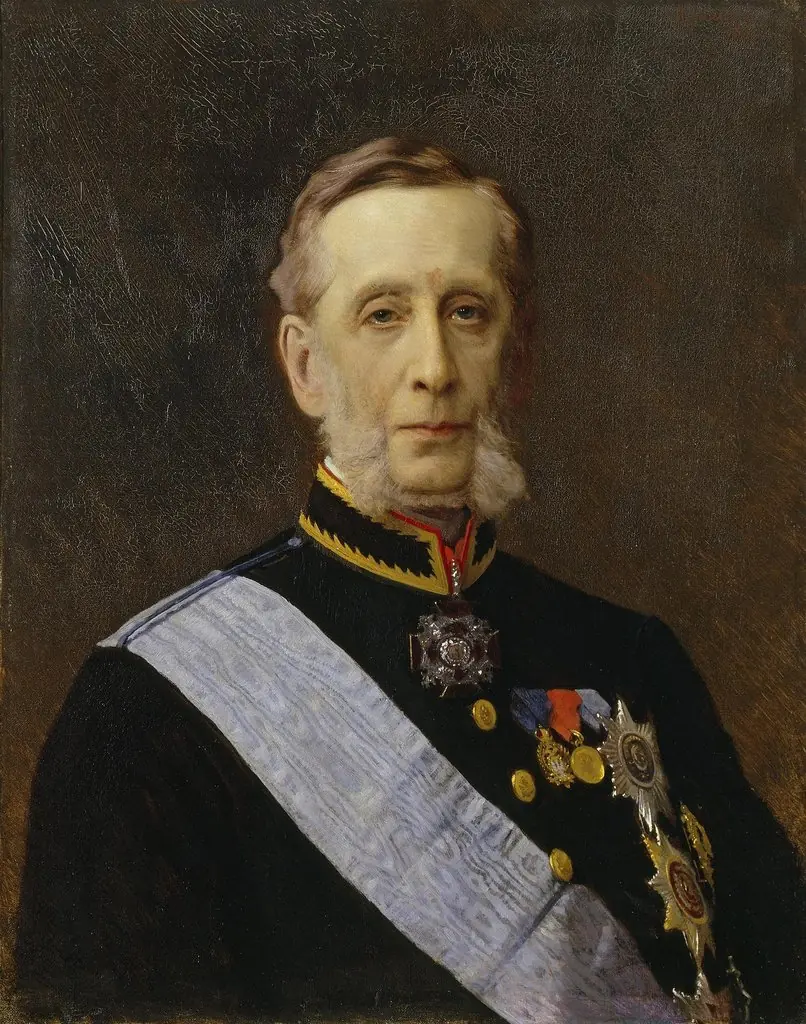
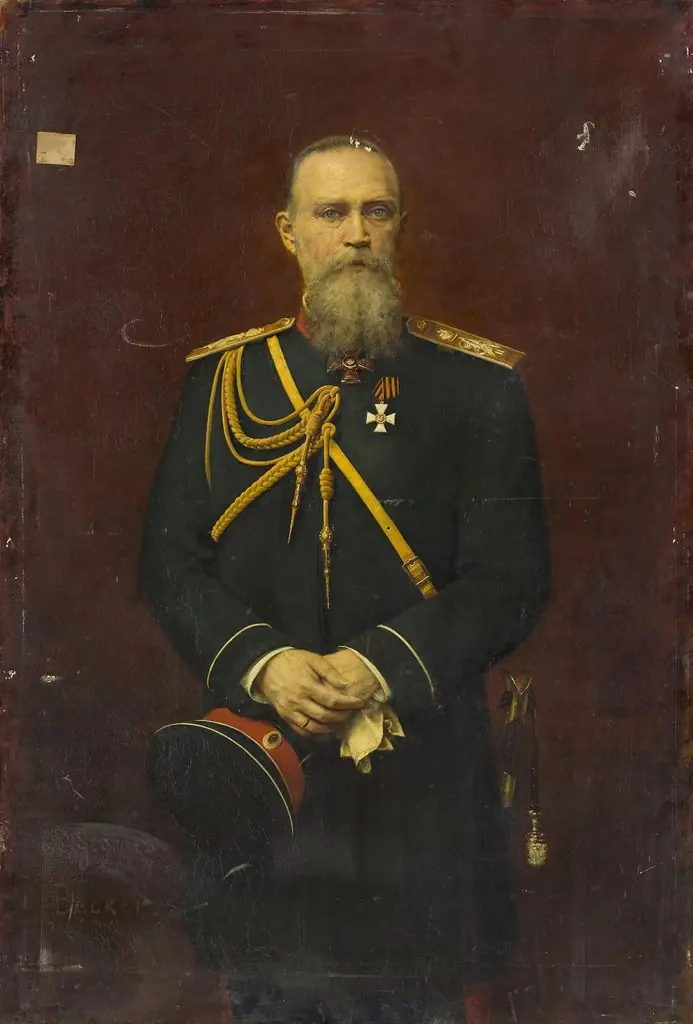
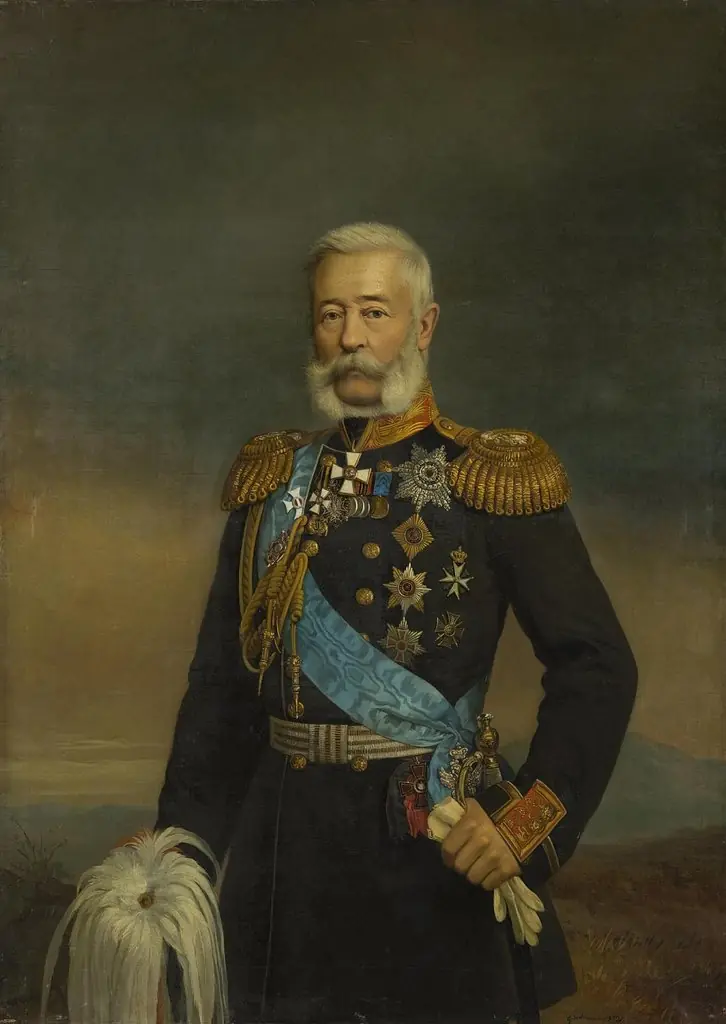
Portrait of Adjutant-General Count Alexei Bobrinskiy is an oil painting by the Realist artist Ivan Kramskoi. It dates from 1872 and is held in the collection of the Hermitage Museum.
About this work
Overview
Painted in 1872 by Ivan Kramskoi, this oil portrait captures Adjutant-General Count Alexei Bobrinskiy in full military regalia.
Painted in 1872 by Ivan Kramskoi, this oil portrait captures Adjutant-General Count Alexei Bobrinskiy in full military regalia. Executed in the Realist tradition, the work reflects Kramskoi’s commitment to truthful representation and psychological depth. It is part of the State Hermitage Museum’s collection and exemplifies the artist’s skill in conveying character through precise detail and restrained composition.
Subject & Meaning
Bobrinskiy, a high-ranking imperial officer, is portrayed with solemn authority. His direct gaze and clenched right fist suggest resolve, while the grip on his sword hilt implies readiness and duty. The absence of ornamentation or symbolic props focuses attention on his bearing and presence, framing him not as a ceremonial figure but as a man of discipline and quiet command.
Technique & Style
Kramskoi employs subtle tonal gradations and meticulous brushwork to render the textures of uniform fabric, metal, and facial skin. The warm brown background isolates the figure, enhancing three-dimensionality. Lighting is even and naturalistic, avoiding theatricality. The rendering of the beard and epaulets demonstrates a keen attention to material detail, reinforcing the portrait’s realism without sentimentality.
History & Provenance
Commissioned during the reign of Tsar Alexander II, the portrait reflects the era’s emphasis on military leadership and state service. It entered the Hermitage’s collection shortly after completion, likely through imperial acquisition. Kramskoi’s association with the Peredvizhniki movement, though more focused on social realism, did not preclude him from producing dignified portraits of the elite with unvarnished integrity.
Context
In 1870s Russia, portraiture served as both personal record and political statement. Kramskoi’s approach diverged from courtly idealization, favoring psychological candor. Bobrinskiy’s image aligns with broader cultural shifts toward valuing individual character over inherited status, even among aristocratic military figures, reflecting the tensions between tradition and reform in late imperial Russia.
Legacy
The portrait endures as a benchmark of Russian Realist portraiture, admired for its restraint and psychological precision. It influenced later artists seeking to depict authority without glorification. Though not widely exhibited outside Russia, it remains a key example of how Kramskoi merged technical mastery with an unflinching gaze, shaping the trajectory of 19th-century Russian visual culture.
Artist & collection
Artist
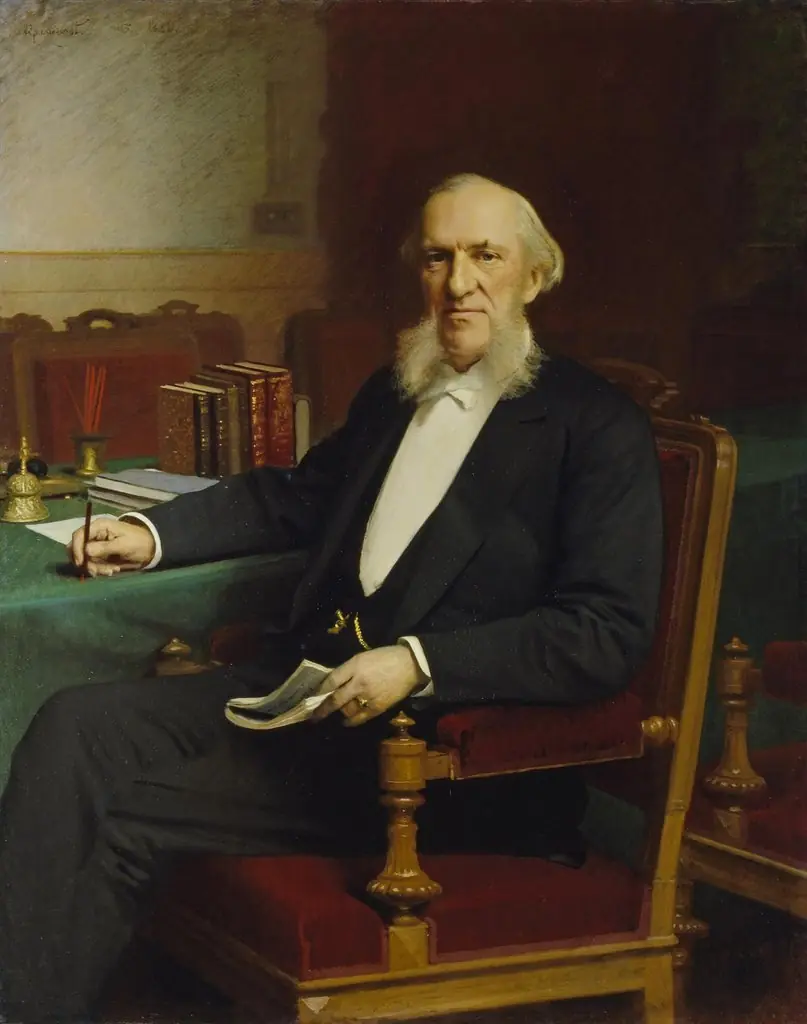
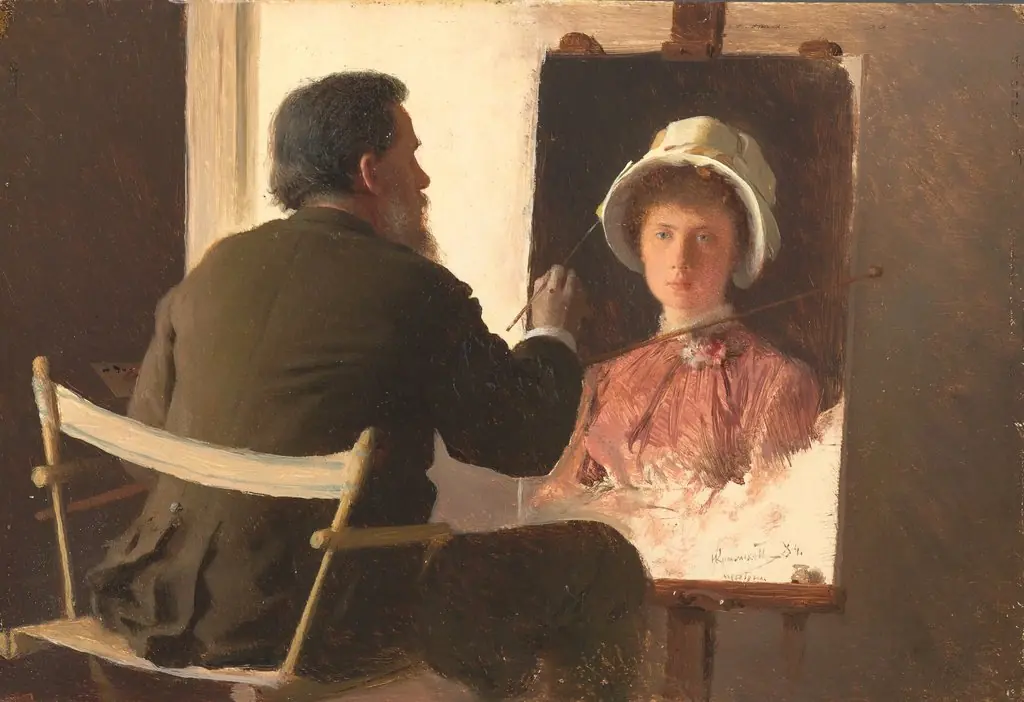
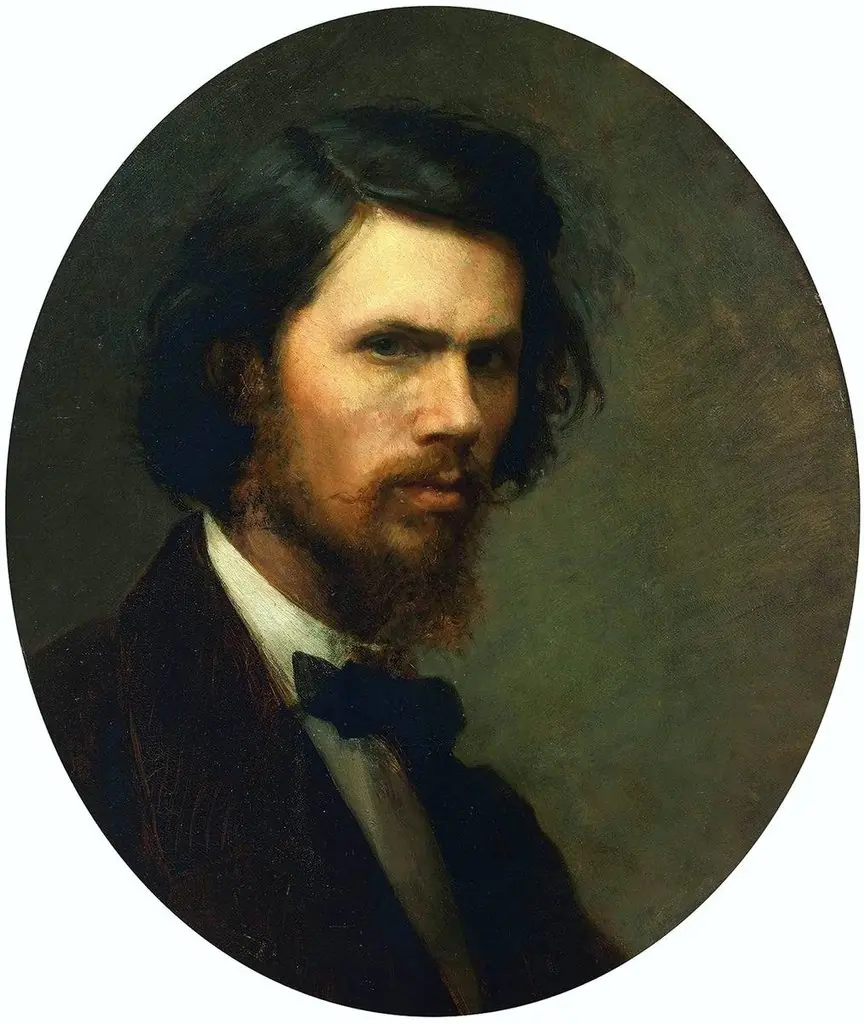
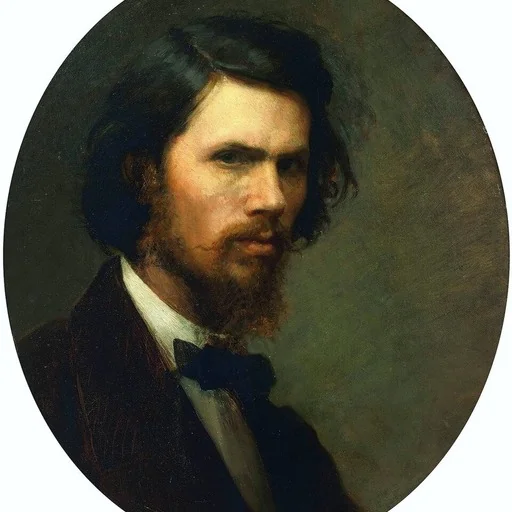
Ivan Nikolayevich Kramskoi (Russian: Иван Николаевич Крамской; 8 June 1837 – 5 April 1887) was a Russian Realist painter and art critic.