Artwork
England: Richmond Hill, on the Prince Regent's Birthday
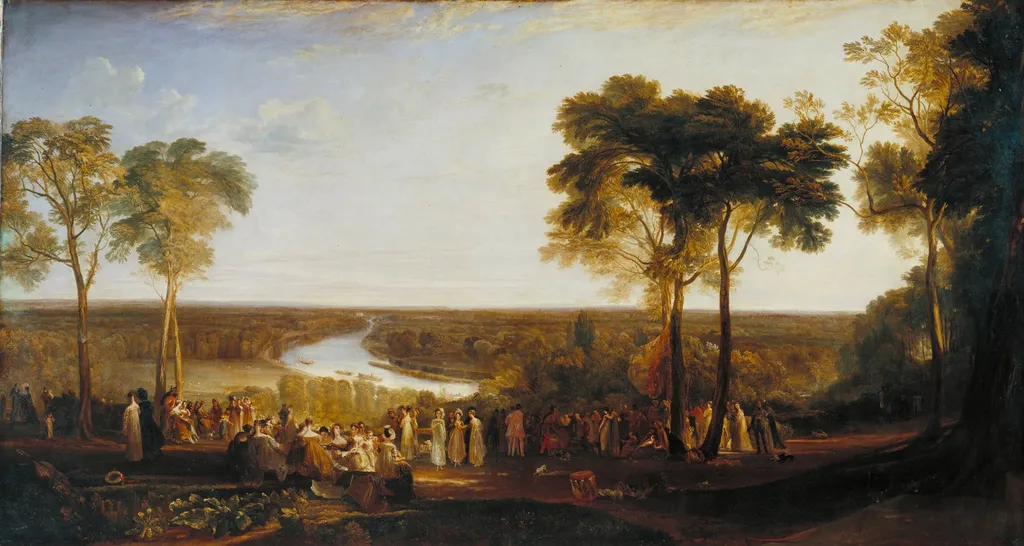
England: Richmond Hill, on the Prince Regent's Birthday is an oil painting by Joseph Mallord William Turner. It dates from 1819 and is held in the collection of the National Gallery. Painted in 1819, this oil work by J.
About this work
This painting is by J.M.W. Turner. It's an oil paint work.
The painting depicts a real event on Richmond Hill. It was displayed at the 1819 Royal Academy Summer Exhibition at Somerset House, which was a big deal for Turner.
You can learn more about the artist's style and other works at the museum where this painting is held, the Tate Britain.
Overview
The scene unfolds along the Thames bend, with Petersham Meadows stretching into the distance and Ham House visible on the far horizon.
Painted in 1819, this oil work by J.M.W. Turner captures a public celebration held on Richmond Hill to mark the Prince Regent’s birthday. At nearly six feet wide, it was the largest canvas Turner had submitted to the Royal Academy that year. The scene unfolds along the Thames bend, with Petersham Meadows stretching into the distance and Ham House visible on the far horizon. Turner’s own residence, Sandycombe Lodge, lay just across the river.
Subject & Meaning
The painting records a specific social gathering hosted by Lady Cardigan at Cardigan House on August 12, 1817. Rather than centering the Prince Regent, Turner focuses on the crowd’s reaction, with figures turning toward an unseen figure just beyond the frame. This subtle composition suggests the monarchy’s presence as an implied force, observed rather than depicted, reflecting the complex relationship between public spectacle and royal authority.
Technique & Style
Turner employs loose brushwork and atmospheric perspective to dissolve solid forms into luminous haze. Figures appear delicate and transient, evoking the elegance of Watteau, while the trees seem to shimmer rather than stand firm. The horizon stretches unnaturally wide, flattening depth and emphasizing light over detail. This approach prioritizes mood and movement over topographical accuracy, signaling a shift toward expressive landscape.
History & Provenance
The painting was exhibited at the 1819 Royal Academy Summer Exhibition at Somerset House, marking a significant moment in Turner’s career. It remained in his personal collection until his death, later passing to the nation through his bequest. It is now held at Tate Britain, where it continues to be studied as a pivotal work in his transition from topographical representation to poetic abstraction.
Context
The event depicted occurred during a period of political tension and public fascination with the Prince Regent’s lifestyle. Celebrations like this one served as both social rituals and political theater. Turner’s choice to frame the occasion obliquely, focusing on the crowd rather than the honoree, reflects a broader cultural ambivalence toward the monarchy and the role of spectacle in public life.
Legacy
This work is recognized as a turning point in Turner’s development, where landscape begins to absorb human activity rather than merely frame it. Its compositional daring and emotional resonance influenced later generations of painters who sought to convey atmosphere and memory over literal representation. It remains a key example of early 19th-century British painting’s evolving relationship with light, space, and perception.
Artist & collection
Artist
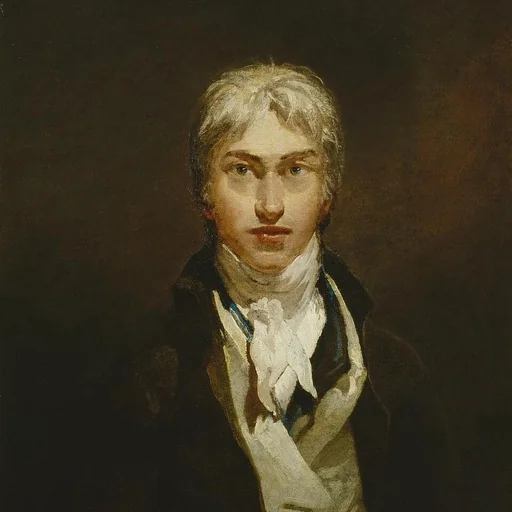
Joseph Mallord William Turner was born in 1775 at Maiden Lane, Covent Garden, where his father kept a barber and wig-making shop.

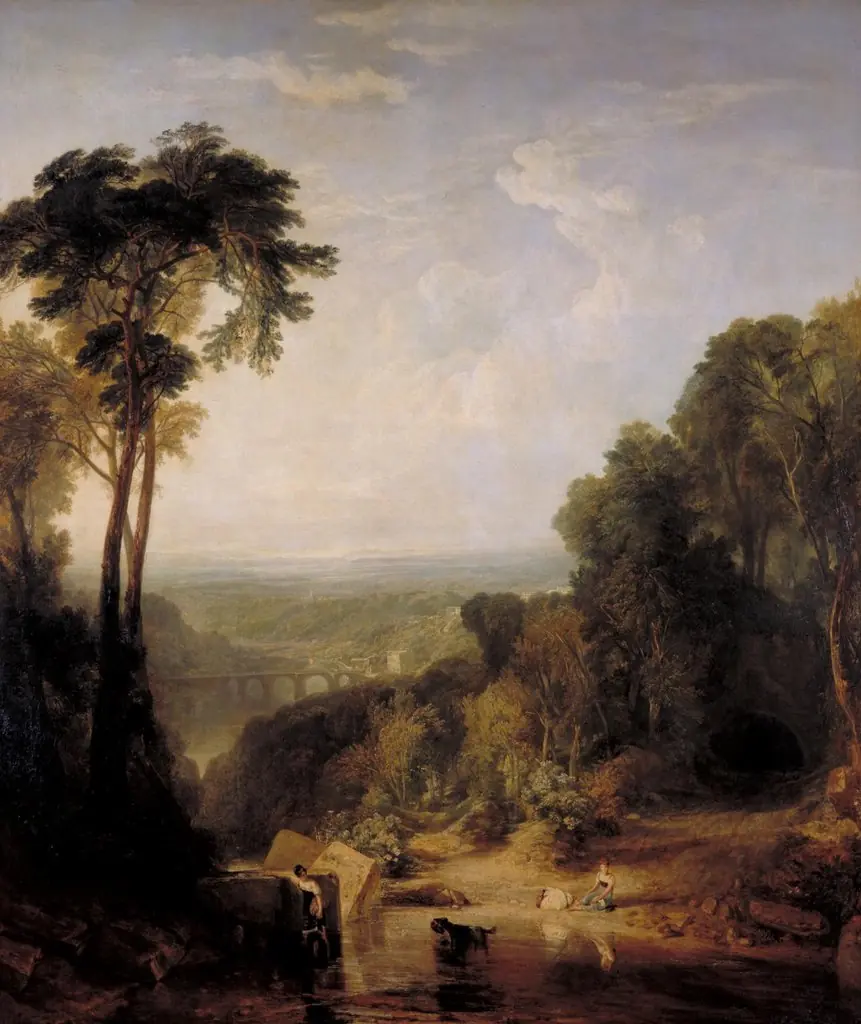 Crossing the Brook
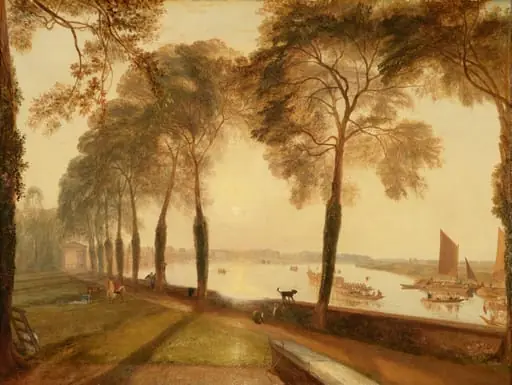 Mortlake Terrace
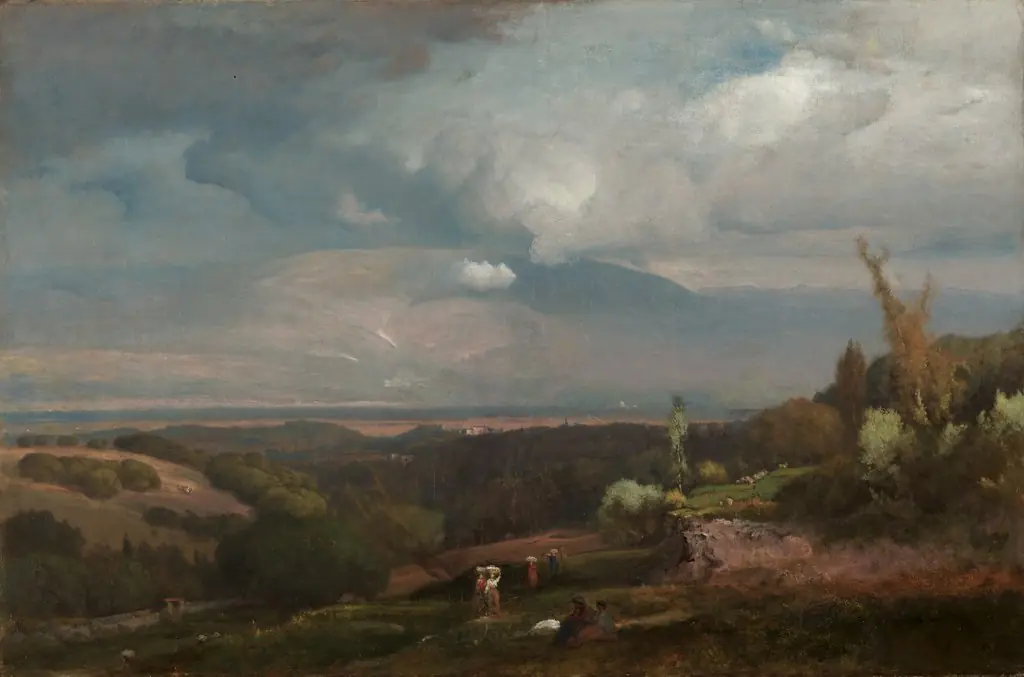 Approaching Storm from the Alban Hills
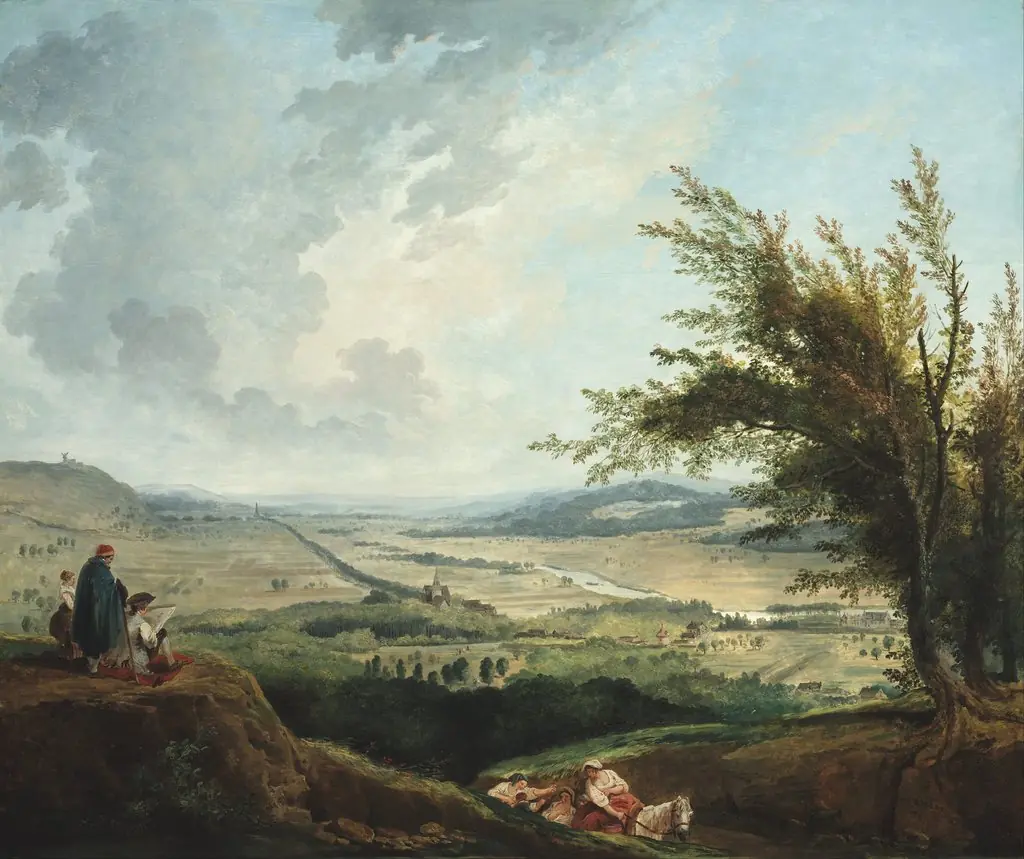 An Extensive Landscape Near Paris
 View at Hampstead
 Approaching Storm from the Alban Hills
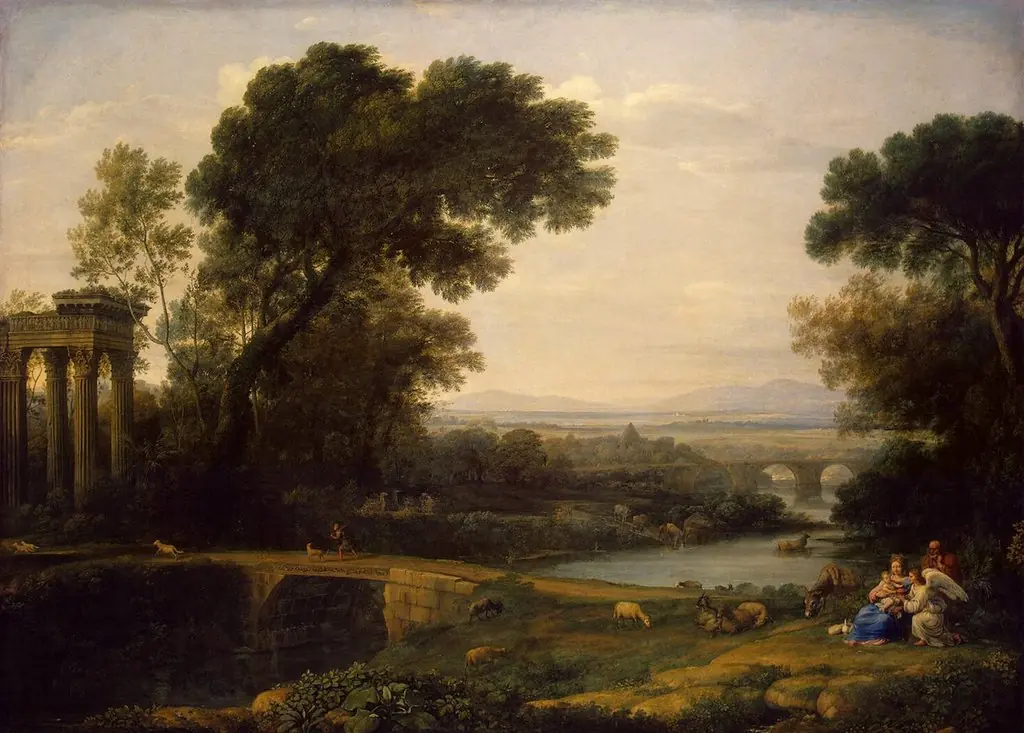 Landscape with the rest on the Flight into Egypt (Noon)
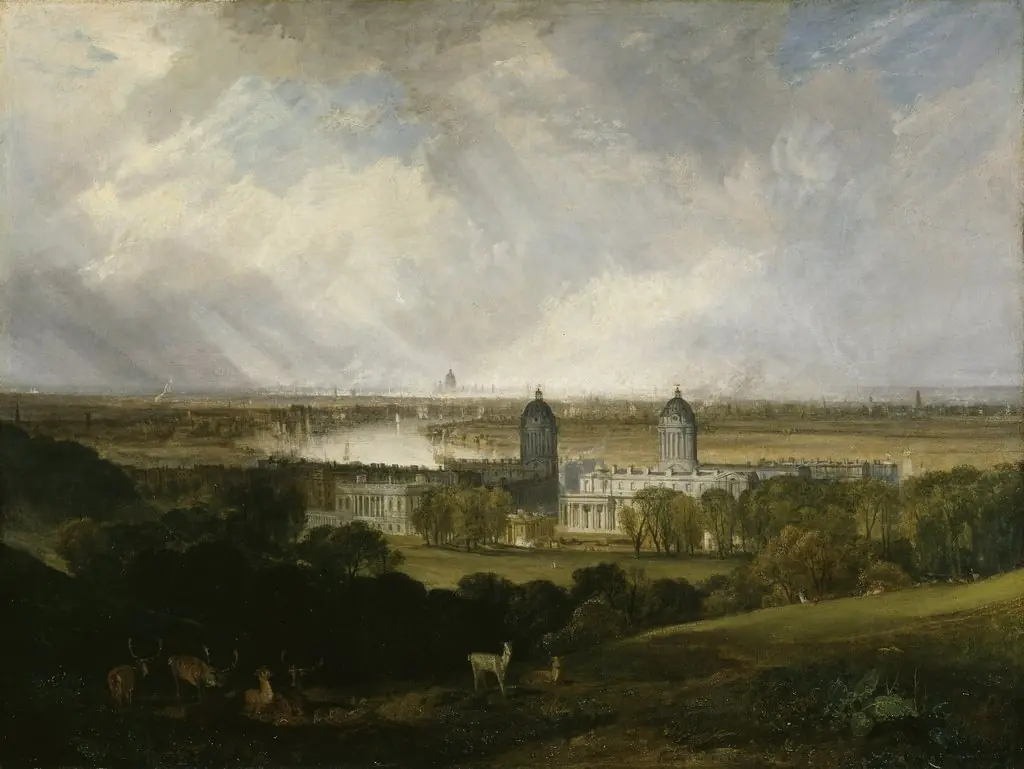 London from Greenwich Park
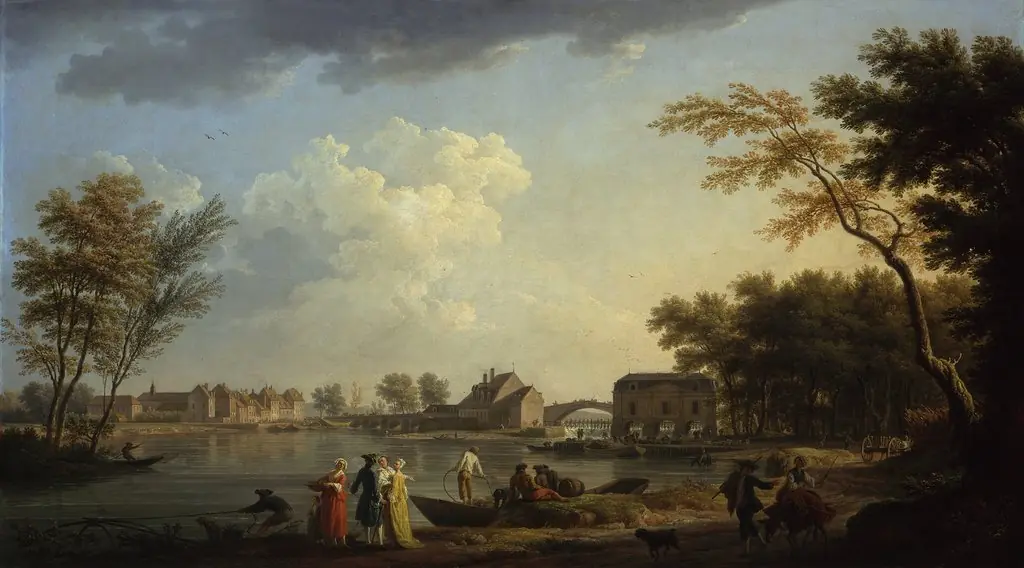 View of the Seine at Nogent-sur-Seine
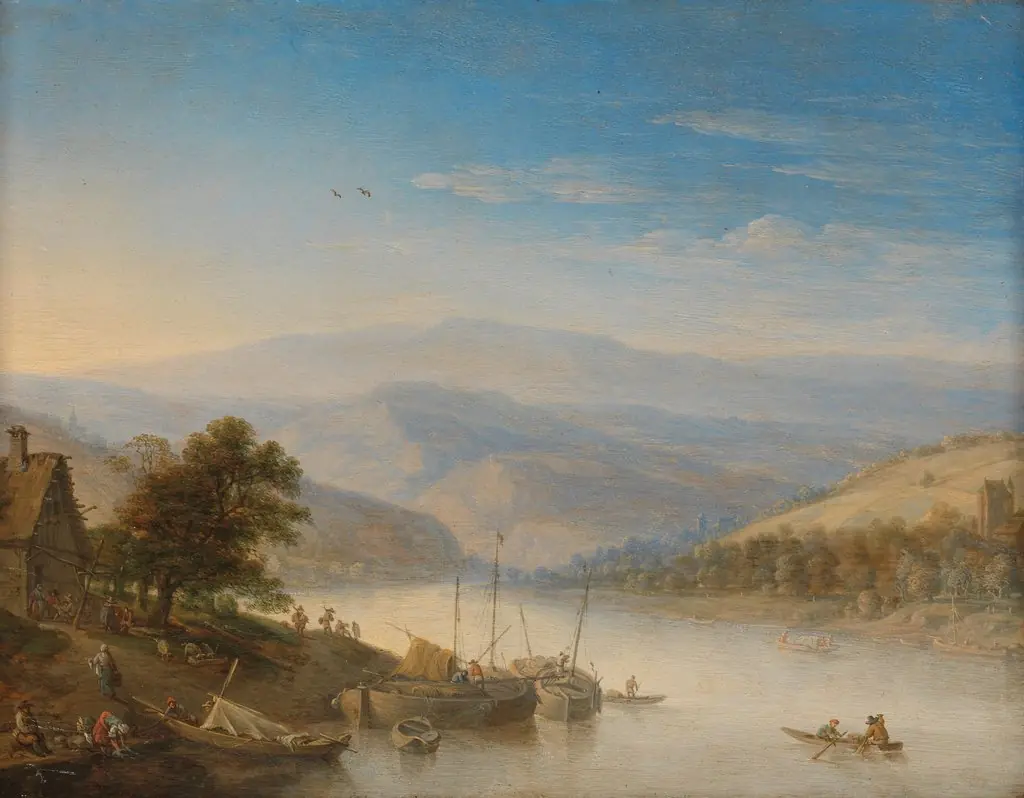 View of the Rijn river near Andernach