Artwork
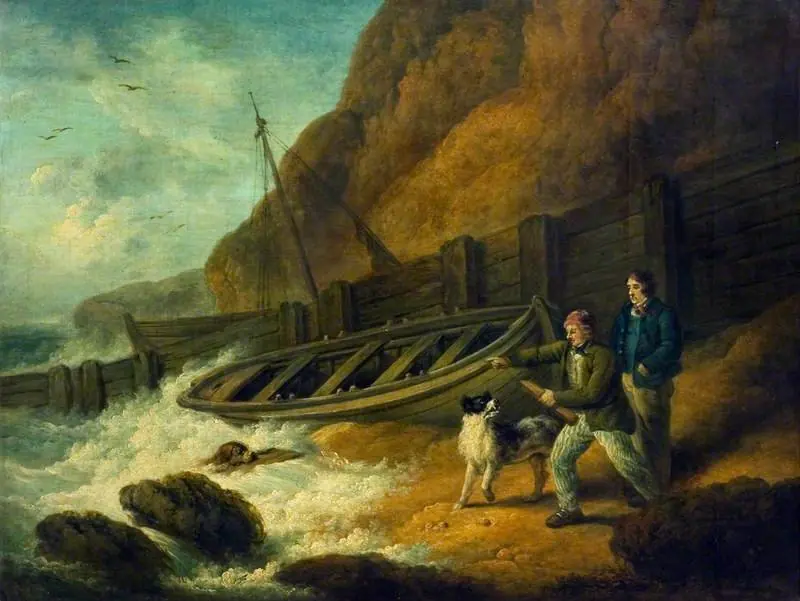
Lifeboat and Manby Apparatus Going off to a Stranded Vessel Making the Signal (Blue Lights) of Distress
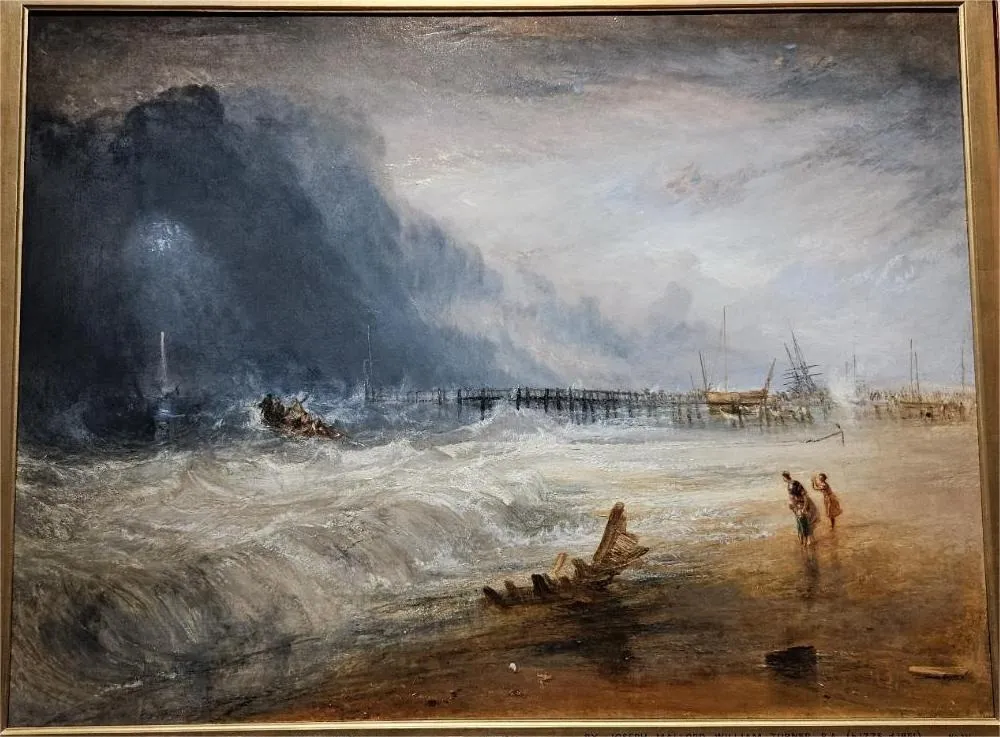
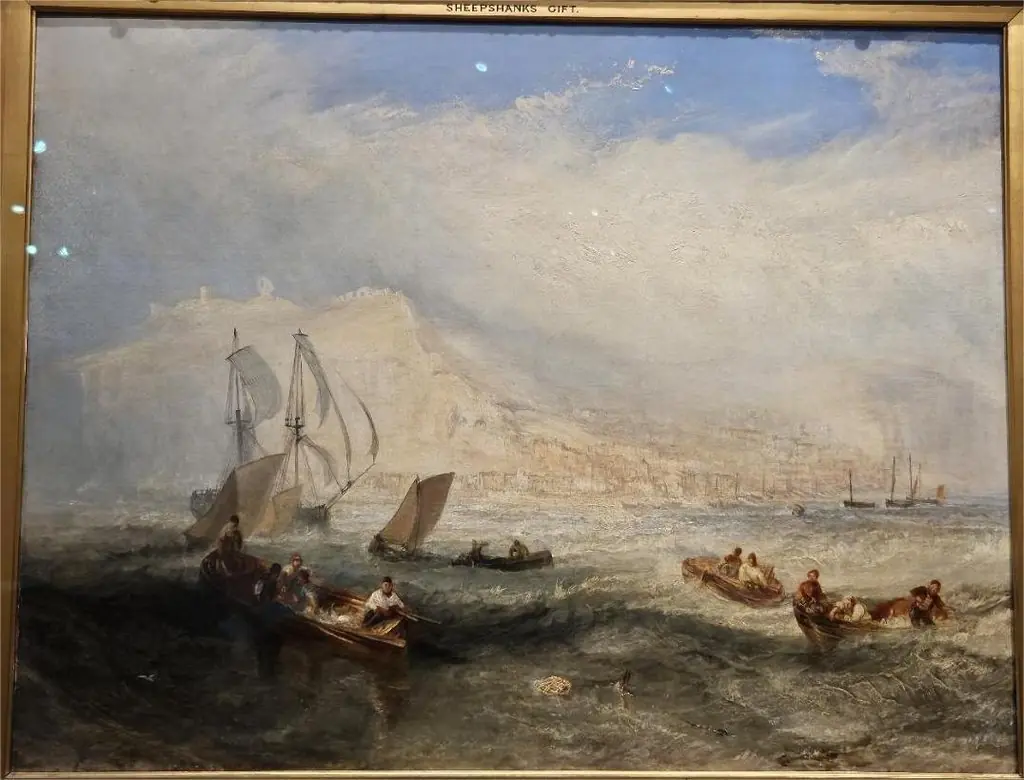
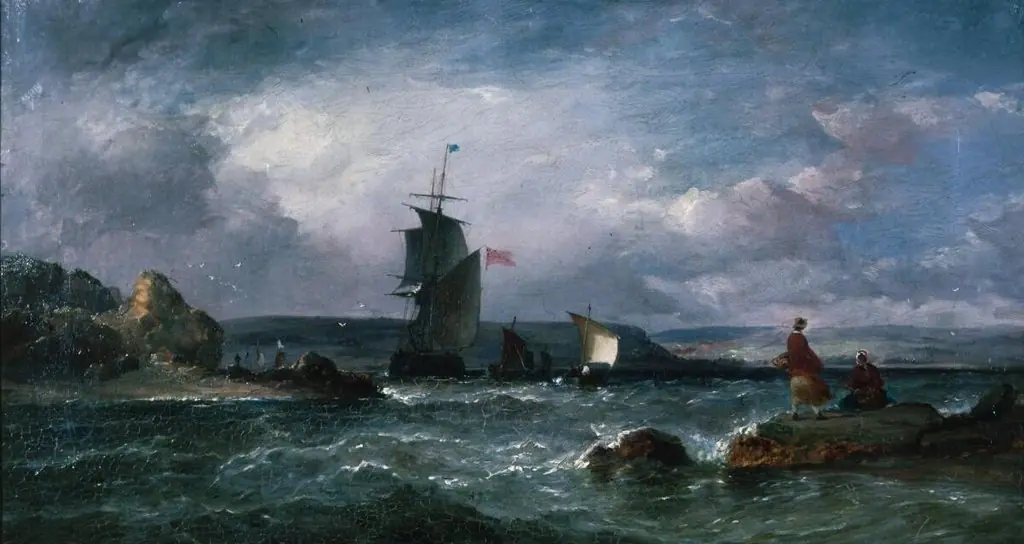
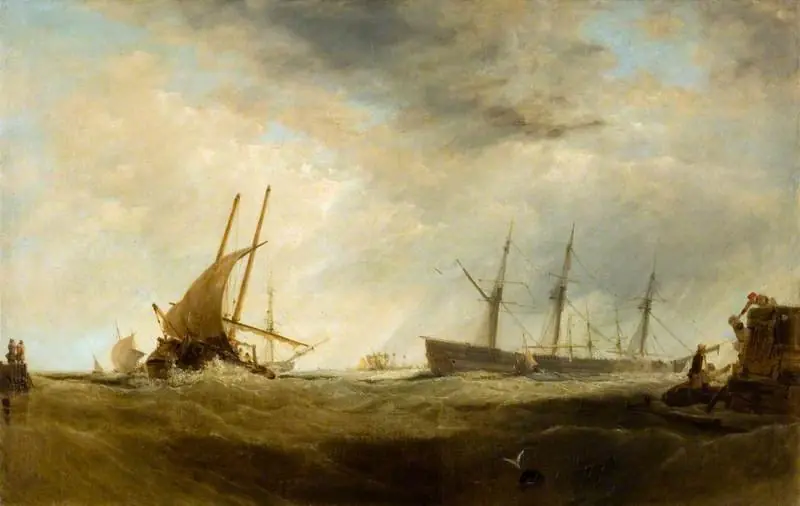
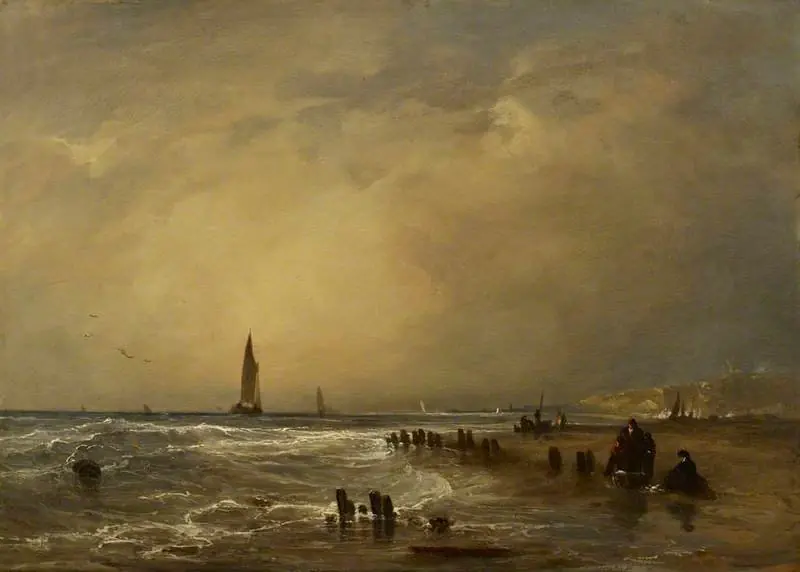
Lifeboat and Manby Apparatus Going off to a Stranded Vessel Making the Signal (Blue Lights) of Distress is an oil painting by the British Romanticist artist Joseph Mallord William Turner. It dates from 1831 and is held in the collection of the Victoria and Albert Museum. This 1831 oil painting by J.
About this work
Overview
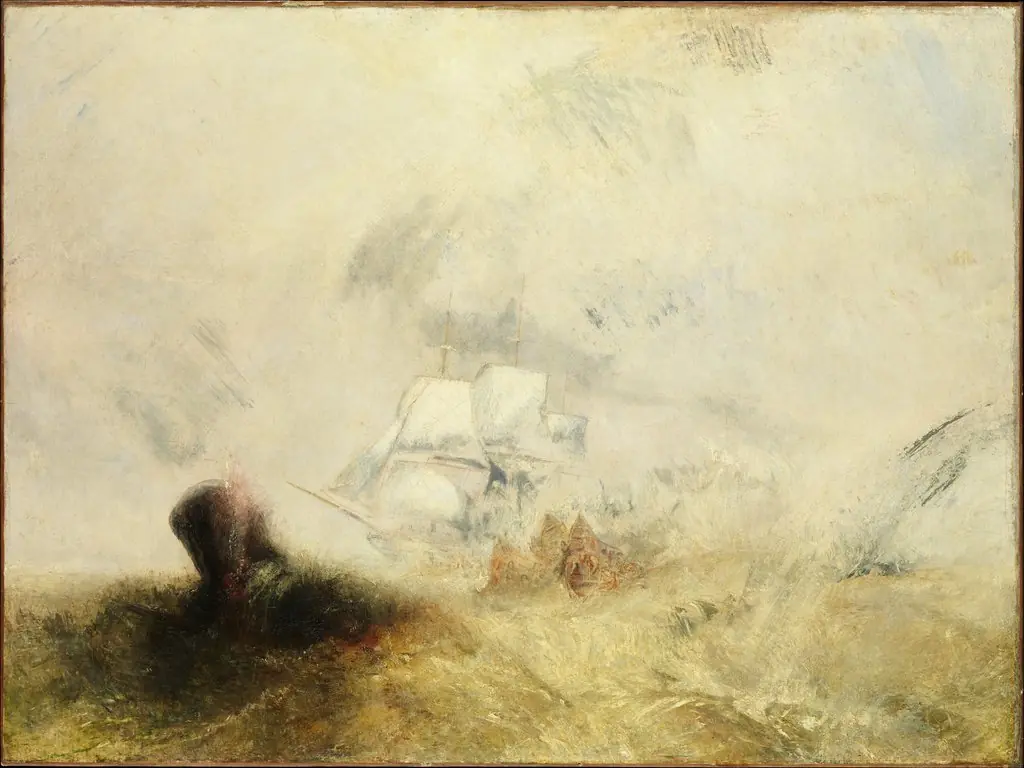
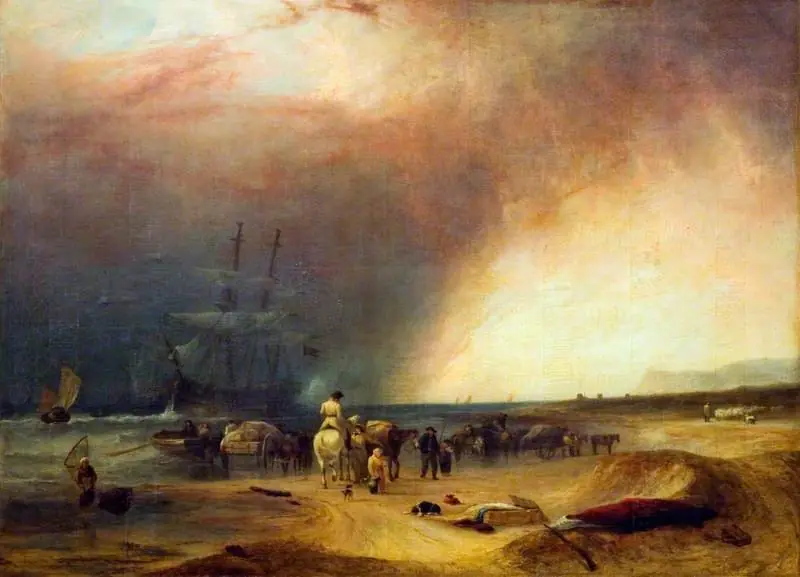
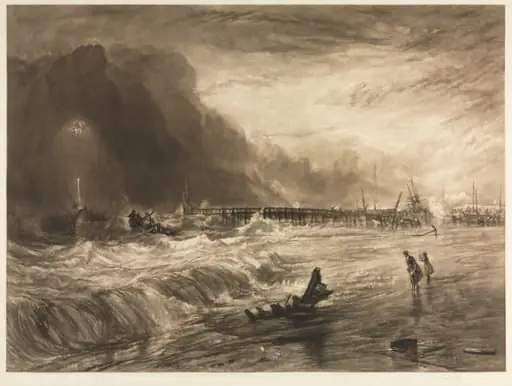
This 1831 oil painting by J.M.W. Turner depicts a maritime rescue scene in rough weather off the English coast, where a lifeboat and Manby Apparatus are dispatched to aid a stranded, distressed vessel.
Subject & Meaning
The painting captures a moment of maritime emergency and rescue, highlighting the dangers of sea travel and the response of coastal rescue efforts, as signaled by the distressed vessel's 'blue lights'.
Technique & Style
While specific techniques aren't detailed here, the work blends maritime and genre painting elements, characteristic of Turner's oeuvre, likely employing his signature expressive use of light and color to convey the dramatic scene.
History & Provenance
Created in 1831, the painting's full title emphasizes the specific rescue apparatus (Manby Apparatus) and signal (blue lights), though its current location or ownership is not specified.
Context
Set against the backdrop of 19th-century maritime risks and the development of rescue technologies (like the Manby Apparatus), the painting reflects both the era's dangers at sea and emerging rescue capabilities.
Legacy
As a work by Turner, it contributes to his broader legacy in capturing the power of the sea and human interaction with it, though its individual impact or notable exhibitions are not detailed in the provided information.
Artist & collection
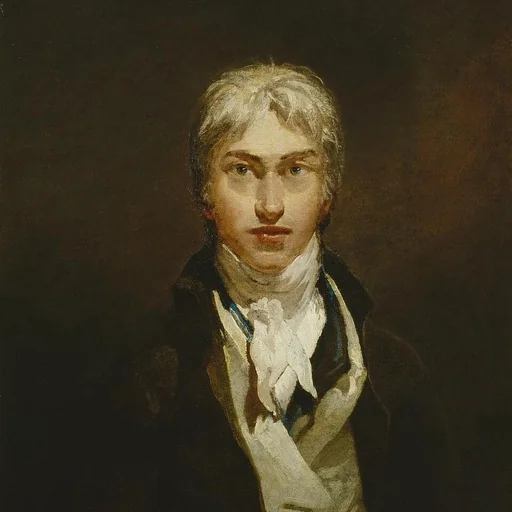
Artist
Joseph Mallord William Turner was born in 1775 at Maiden Lane, Covent Garden, where his father kept a barber and wig-making shop.