Artwork
A View of Venice
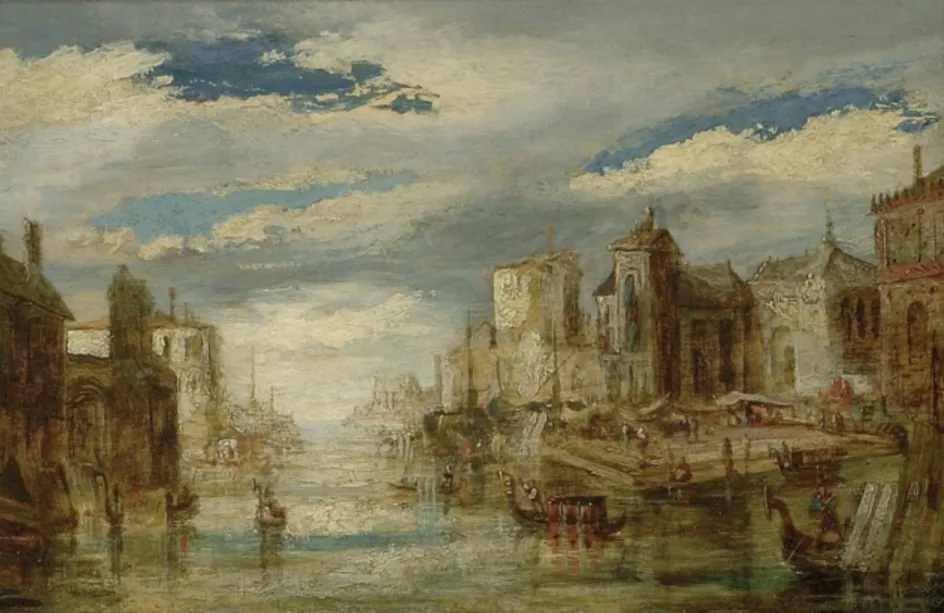
A View of Venice is an oil painting by James Holland. It dates from 1845 and is held in the collection of the Ashmolean Museum.
About this work
Overview
Painted around 1845, *A View of Venice* is an oil work by the English artist James Holland, known for his precise depictions of architecture and waterways.
Painted around 1845, *A View of Venice* is an oil work by the English artist James Holland, known for his precise depictions of architecture and waterways. The painting presents a quiet, wide-angle perspective of the city’s canals, emphasizing the interplay between built structures and natural elements. Holland’s dual expertise in oil and watercolor informs the piece’s controlled yet atmospheric handling of light and surface.
Subject & Meaning
The scene captures a tranquil stretch of a Venetian canal, lined with weathered buildings and dotted with small boats. No human activity dominates the frame; instead, the stillness of the water and the quiet presence of vessels suggest a moment suspended in time. The painting conveys a sense of enduring urban life, not as spectacle but as routine, shaped by centuries of use and environmental wear.
Technique & Style
Holland employed a restrained palette of muted browns, grays, and blues to evoke the subdued light of a Venetian day. Chiaroscuro is used subtly to model the facades of buildings and the surface of the water, creating depth without dramatic contrast. Brushwork is deliberate but unobtrusive, allowing textures of stone and wood to emerge through layered glazes rather than overt detail.
History & Provenance
Created during Holland’s active period as a member of the Royal Watercolour Society, the painting reflects his broader interest in topographical accuracy and maritime scenes. While its early ownership is undocumented, its style aligns with mid-19th-century British travel art, produced for audiences fascinated by continental landscapes. It remains a representative example of his oil work outside his more commonly known watercolors.
Context
In the 1840s, Venice attracted British artists and travelers drawn to its decaying grandeur and unique urban fabric. Holland’s depiction avoids romanticized grandeur, instead focusing on the quiet persistence of daily life. This approach mirrored a growing interest in authentic, unidealized views of historic cities, contrasting with more theatrical interpretations common in earlier decades.
Legacy
Though not among Holland’s most widely exhibited works, *A View of Venice* exemplifies his commitment to observational realism and atmospheric nuance. It contributes to a body of 19th-century British art that valued quiet observation over dramatic narrative, influencing later topographical painters who sought to record place with restraint and fidelity.
Artist & collection

Artist
James Holland (18 October 1799 – 12 February 1870) was an English painter of flowers, landscapes, architecture, marine subjects, and a book illustrator.


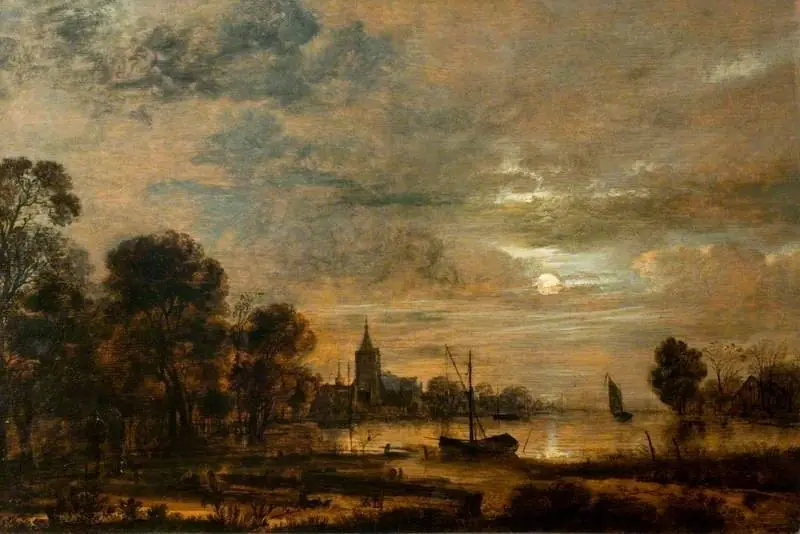 Moonlight and River Scene
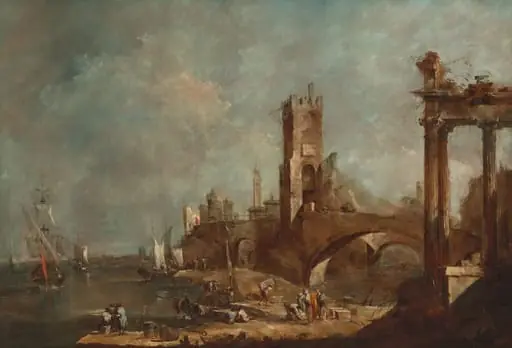 Capriccio of a Harbor
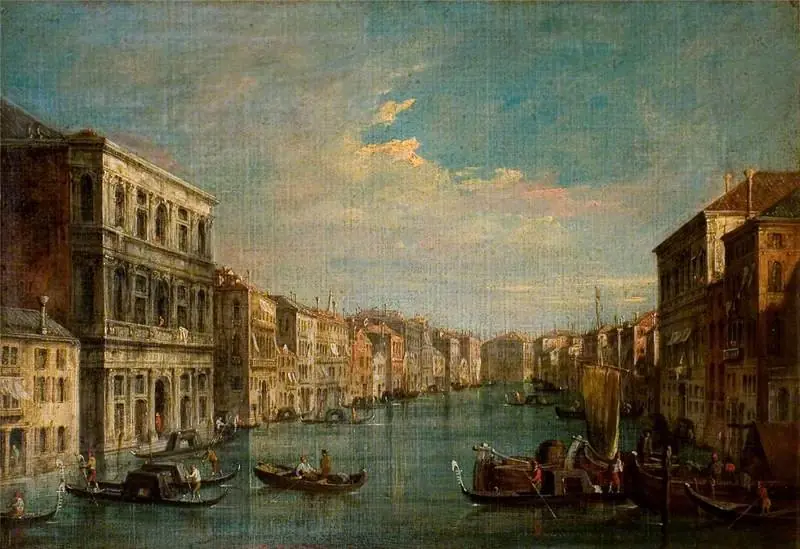 Venice: The Grand Canal Looking South-West from Palazzo Grimani
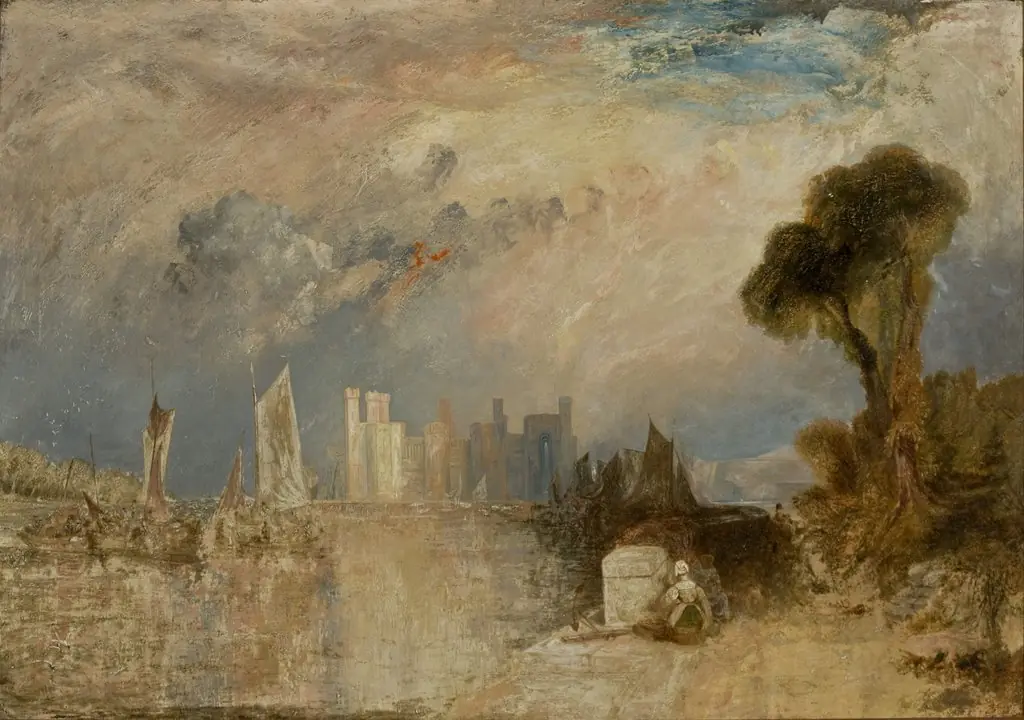 Caernarfon Castle
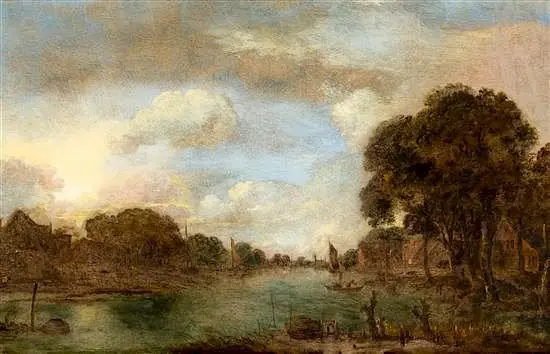 A River Scene
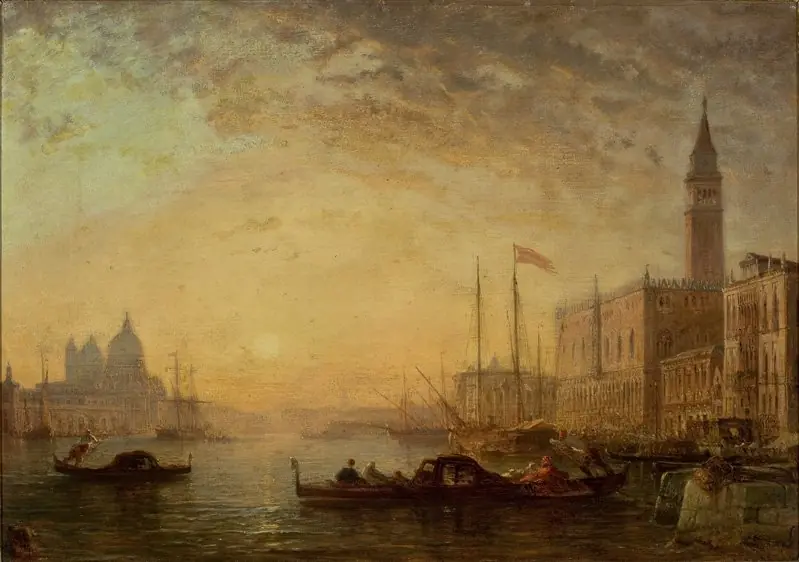 The Grand Canal in Venice
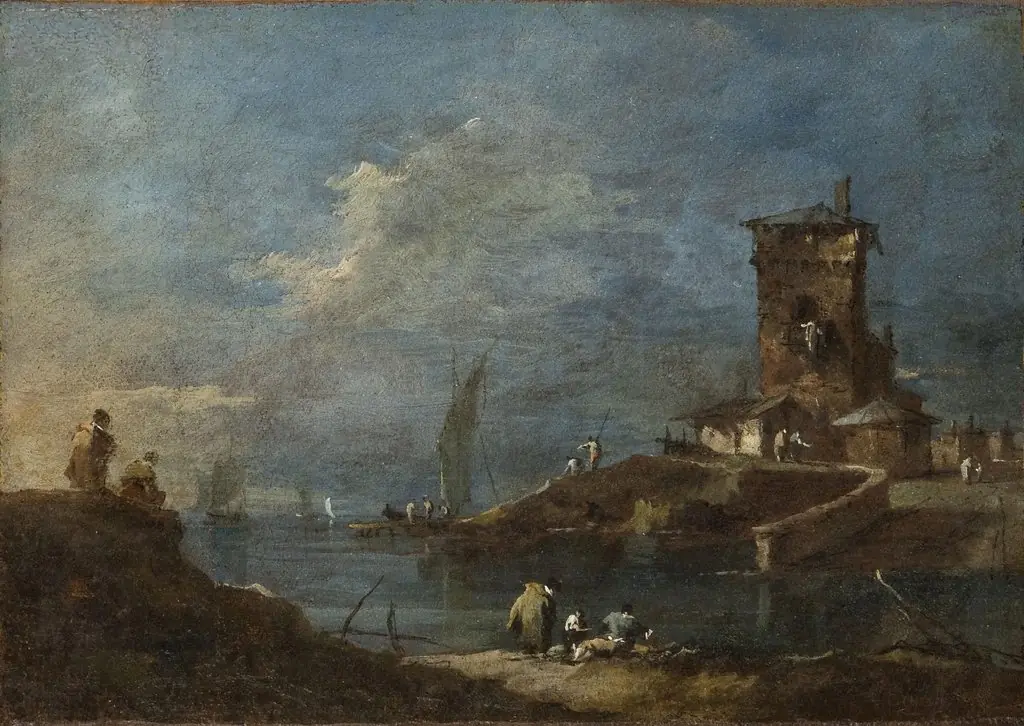 Seaport with a Castle
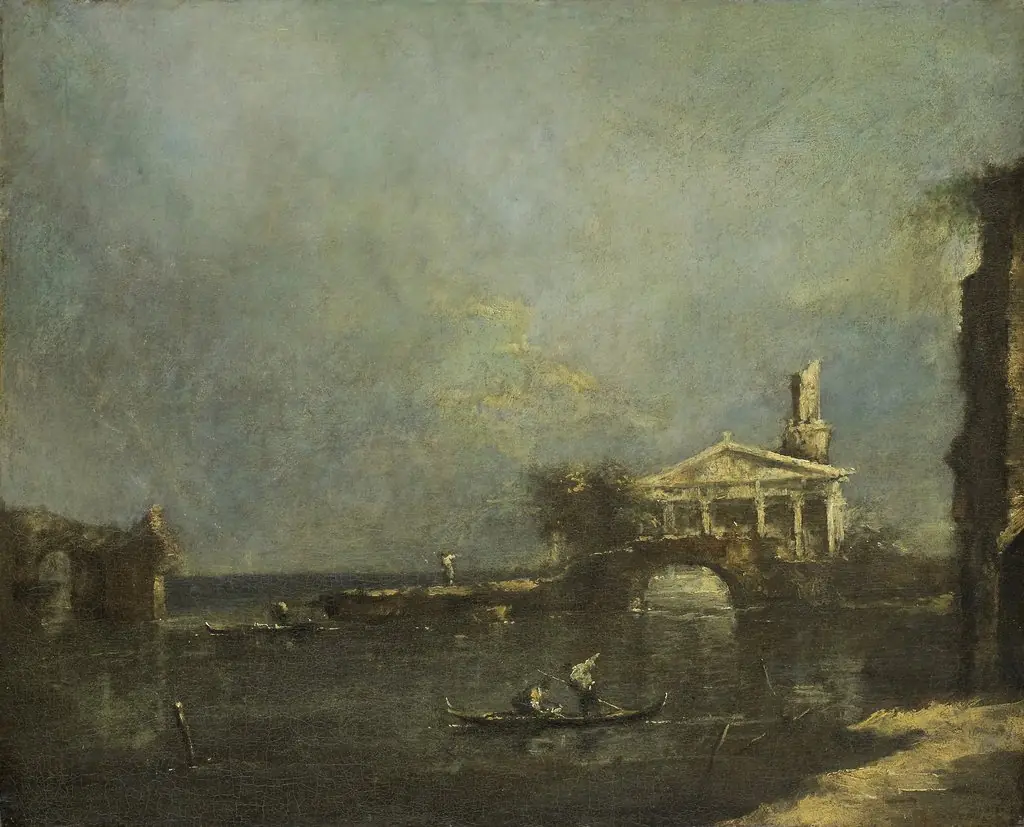 Venetian Lagoon
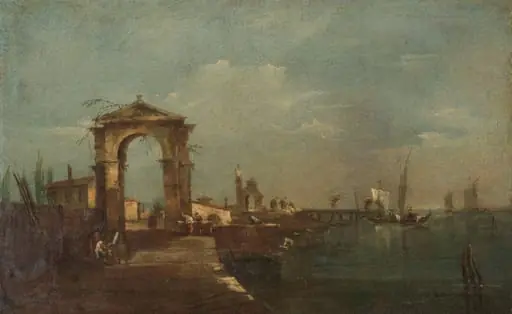 Landscape with a Quay and Ships on a Lake
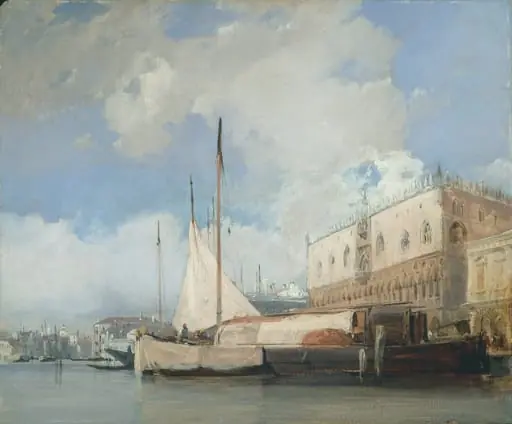 The Doge's Palace, Venice
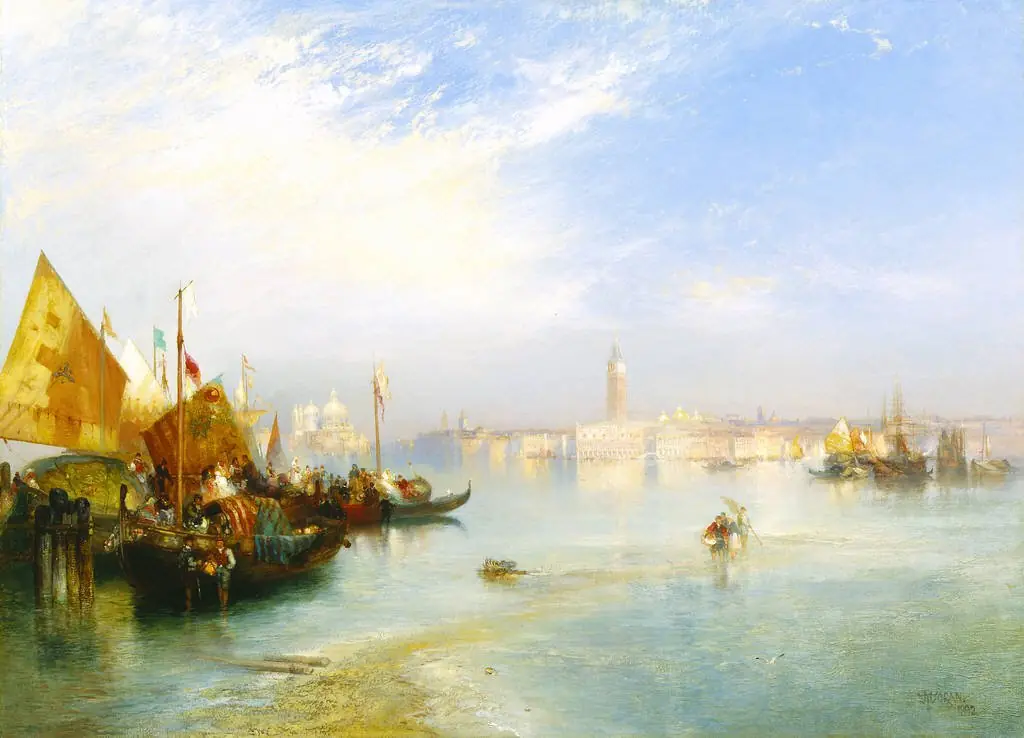 The Fisherman's Wedding Party
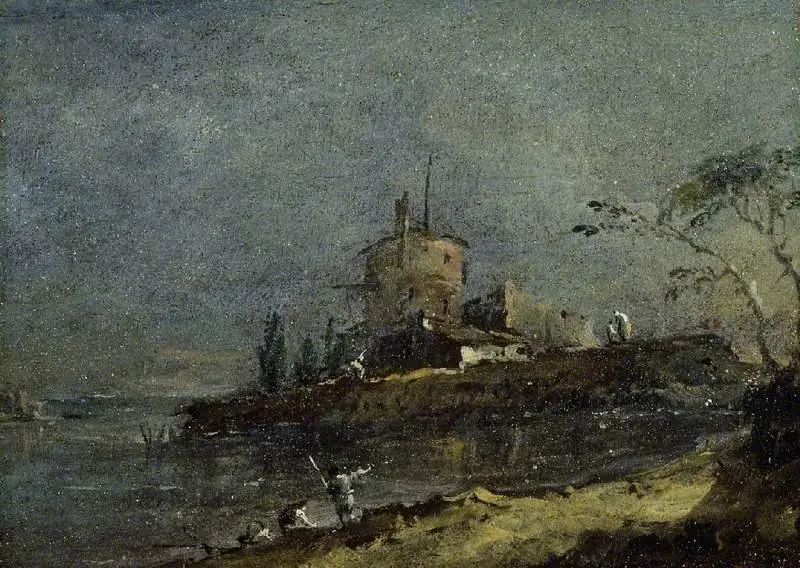 View near Venice