Artwork
Union of the Thames and Isis
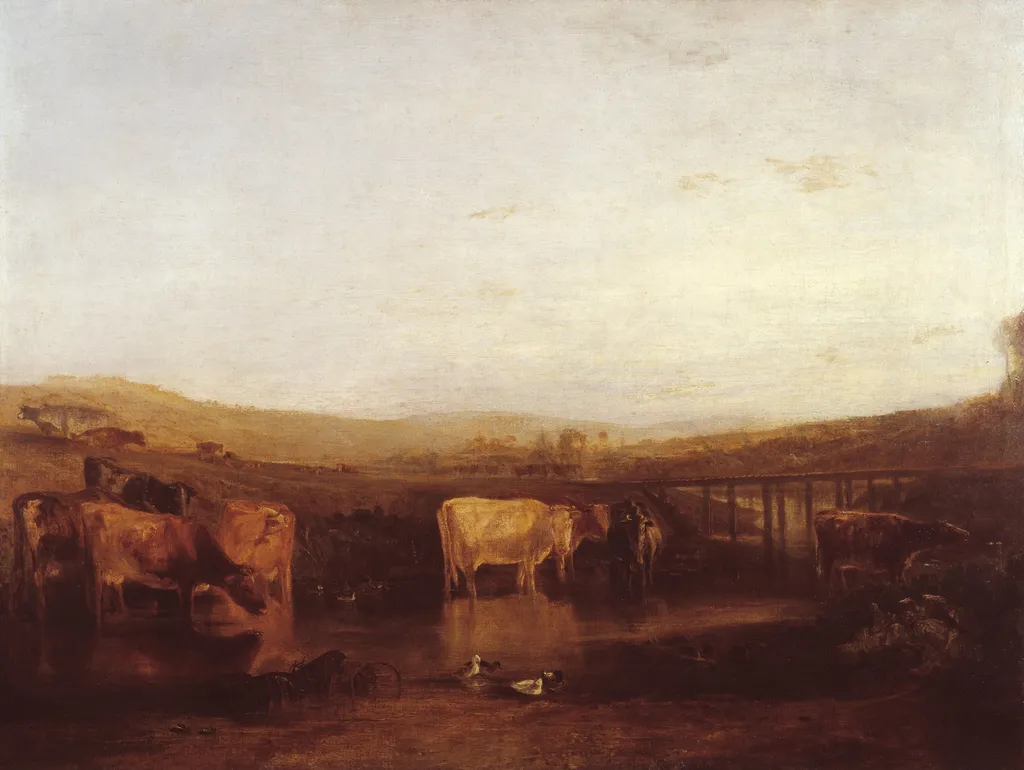
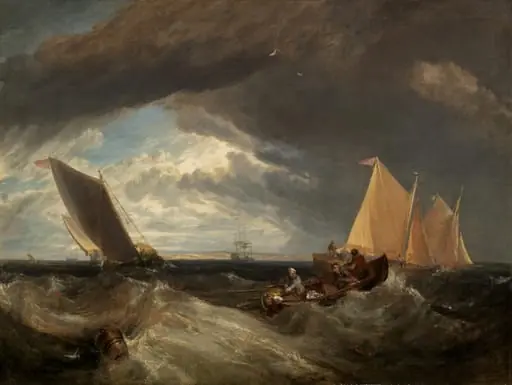
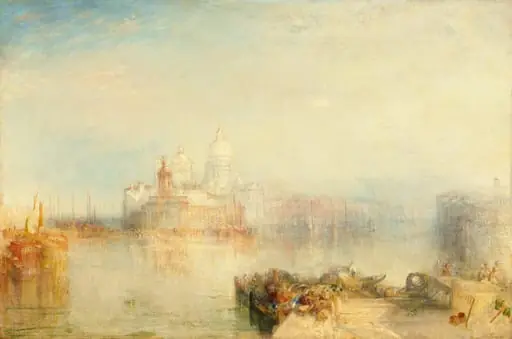
Union of the Thames and Isis is an oil painting by Joseph Mallord William Turner. It dates from 1808 and is held in the collection of the National Gallery.
About this work
Overview
The painting reflects his growing interest in natural light and fluid movement, distinguishing his approach from rigid landscape conventions of the time.
Painted in 1808, *Union of the Thames and Isis* is an oil work by Joseph Mallord William Turner that captures the confluence of two rivers near Oxford. It belongs to his early period, when he focused on topographical accuracy infused with poetic atmosphere. The painting reflects his growing interest in natural light and fluid movement, distinguishing his approach from rigid landscape conventions of the time. It remains part of Tate Britain’s permanent collection.
Subject & Meaning
The painting illustrates the merging of the River Thames and its tributary, the Isis, a local name for the upper Thames. Turner presents this junction not as a literal survey but as a harmonious convergence of water, land, and sky. The scene suggests a quiet celebration of geography and elemental forces, evoking a sense of calm continuity rather than dramatic event. Human structures are subdued, allowing nature to dominate the narrative.
Technique & Style
Turner employs thin, layered washes of oil to create atmospheric depth and luminous transitions between sky and water. Brushwork is loose yet deliberate, suggesting movement in the current and clouds without fixed detail. The composition guides the eye along the river’s curve toward distant hills and faint architecture, emphasizing spatial recession. Light is used not for realism but to unify the scene in a hazy, ethereal tone.
History & Provenance
Commissioned as part of a series of river views, the painting was completed during Turner’s formative years as a Royal Academy exhibitor. It entered the collection of the British Museum in 1856 before being transferred to Tate Britain in 1910. Its preservation reflects its status as an early example of Turner’s evolving vision, though it was never widely exhibited during his lifetime.
Context
In the early 19th century, British landscape painting was shifting from idealized classical scenes toward more personal, sensory interpretations of nature. Turner’s work responded to this trend, blending topographical observation with emotional resonance. The depiction of the Thames and Isis aligns with contemporary interest in regional geography and the poetic potential of everyday landscapes, particularly those near London and Oxford.
Legacy
Though less celebrated than Turner’s later abstracted seascapes, this painting demonstrates the foundations of his mature style. Its emphasis on light, atmosphere, and fluid form influenced subsequent generations of artists exploring perception over detail. It remains a quiet but significant marker in the transition from topographical art to the expressive landscapes that would define Romanticism in Britain.
Own this work as a print
Artist & collection
Artist
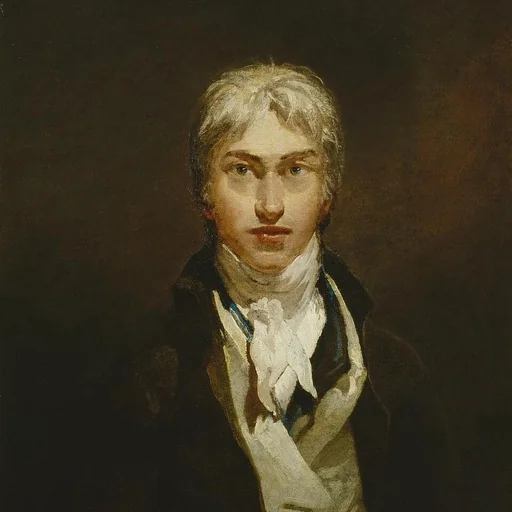
Joseph Mallord William Turner was born in 1775 at Maiden Lane, Covent Garden, where his father kept a barber and wig-making shop.

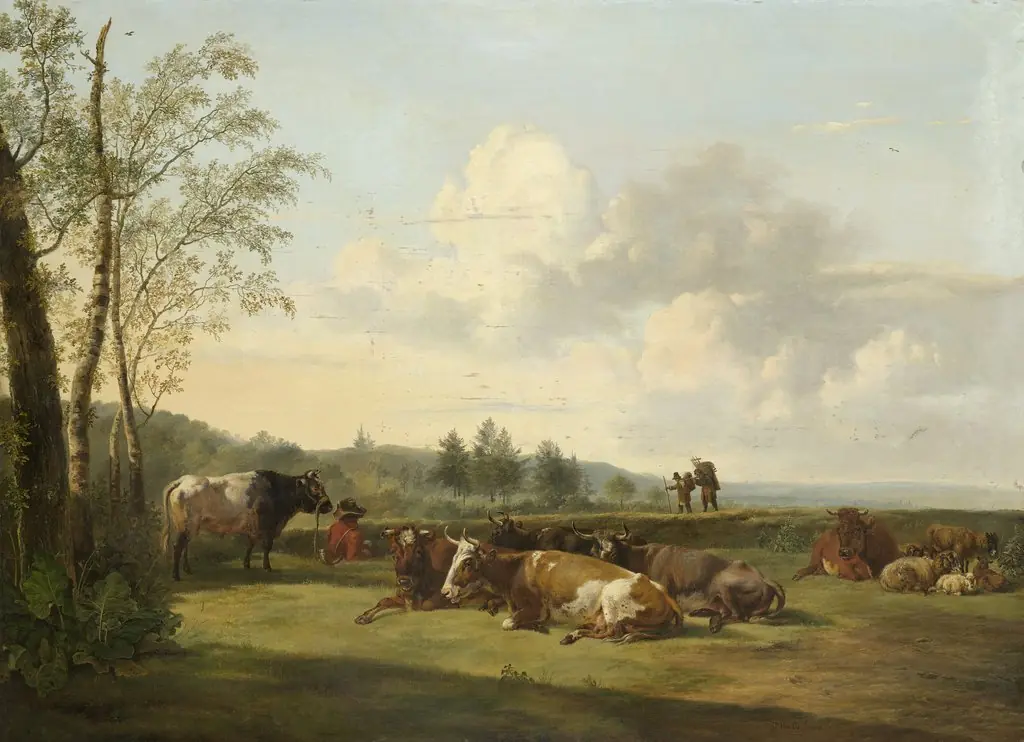 Landschap met vee
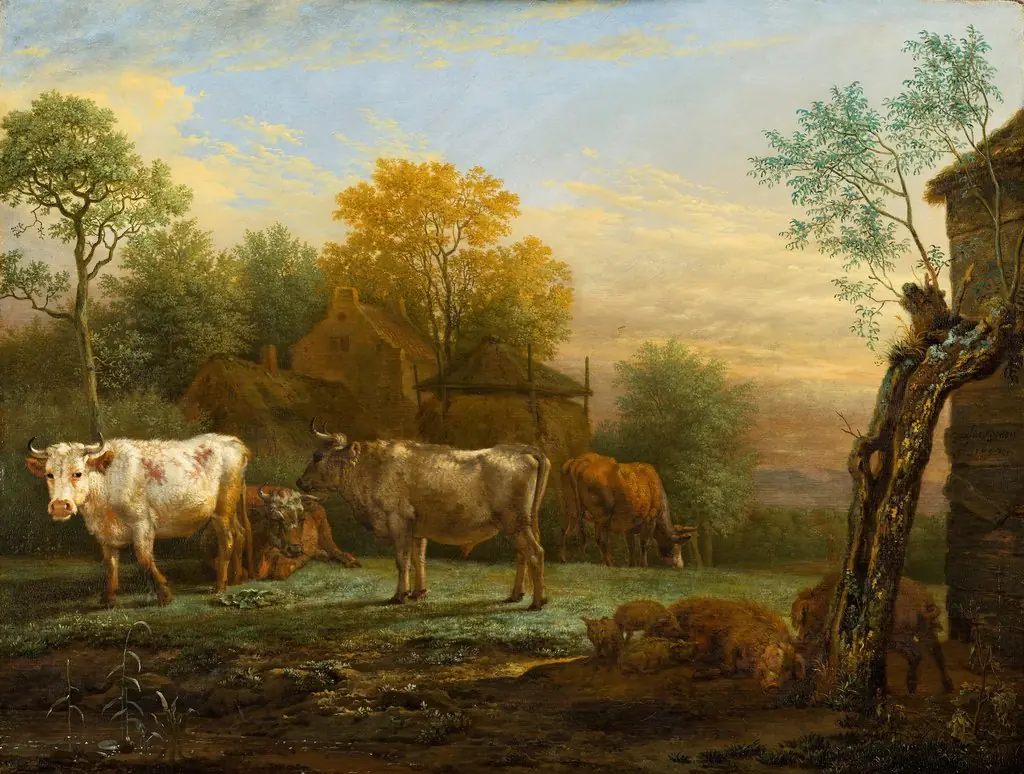 Cattle in a Meadow
 A View of Snow Hill, Windsor Great Park
 Shepherds with Sheep in a Mountainous Landscape
 Landscape with Shepherd, Shepherdess and Cows
 Landscape with people and animals
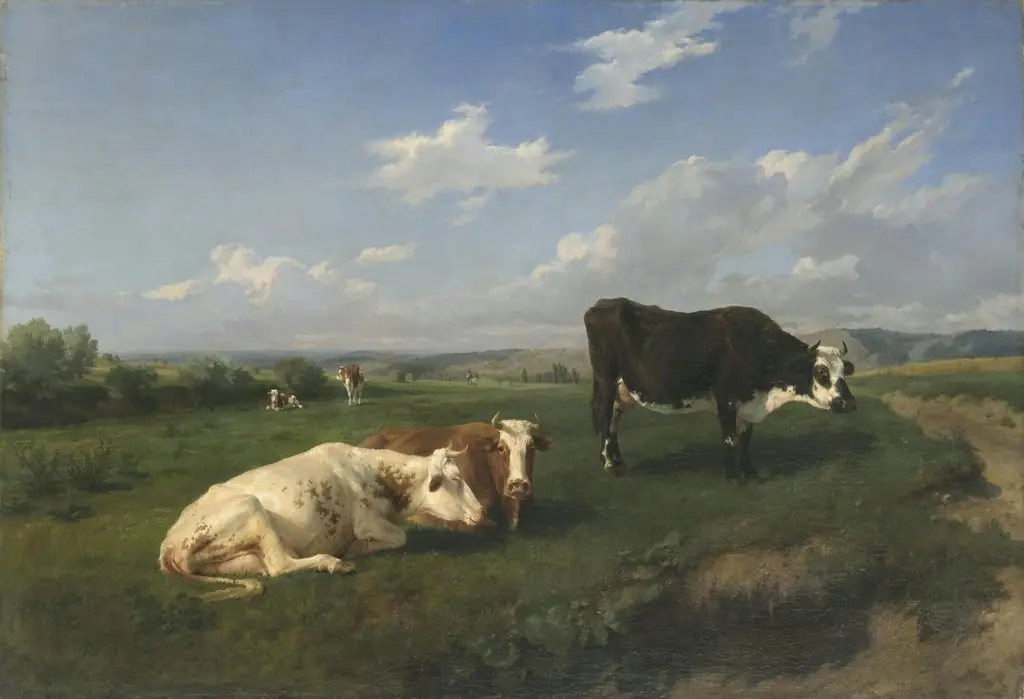 Landscape with Cattle
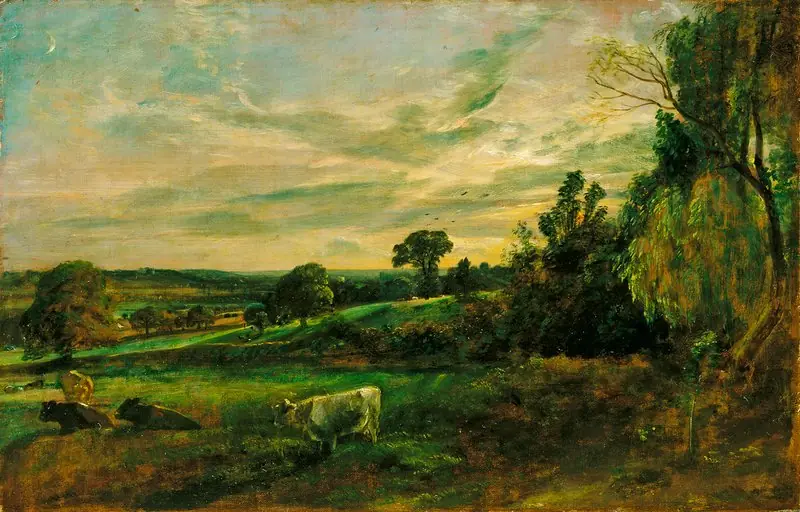 Summer Evening: View near East Bergholt Showing Langham Church, Stratford Church and Stoke-by-Nayland Church
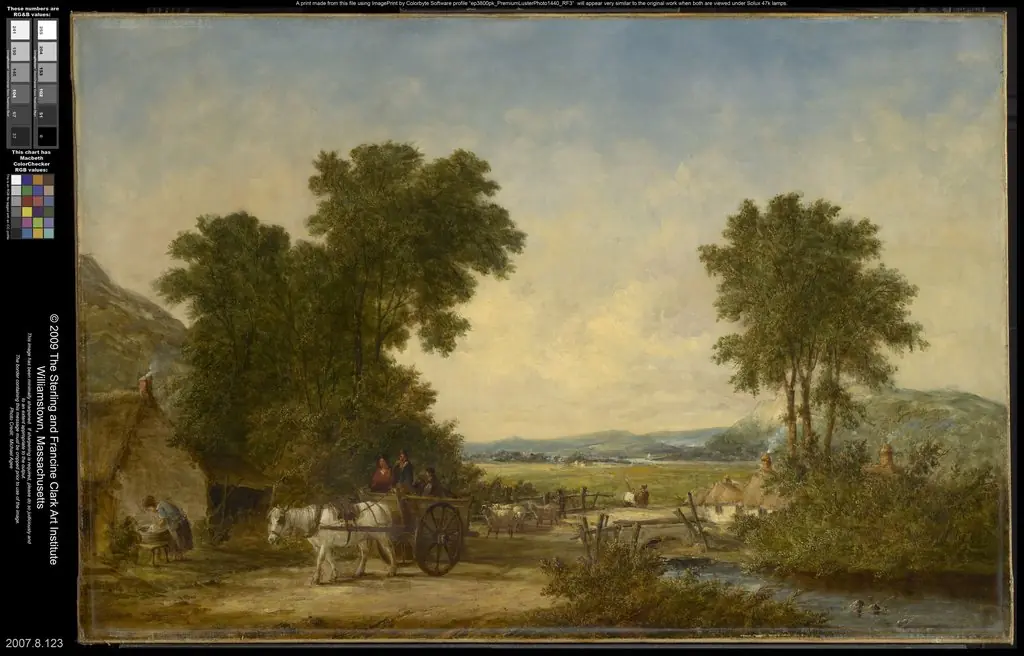 Wooded Country Landscape with Figures in a Cart
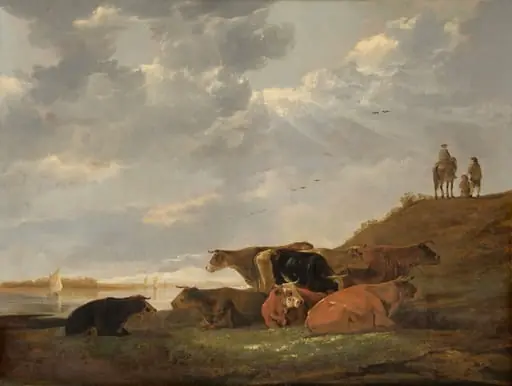 River Landscape with Cows
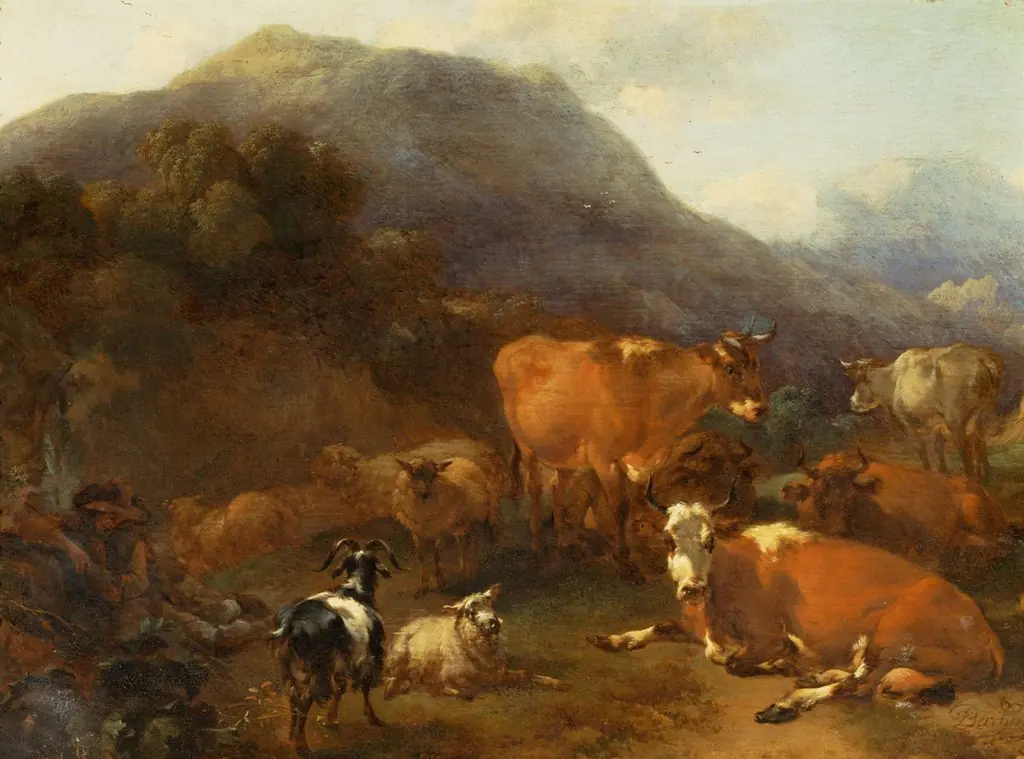 Landscape with cattle and shepherds
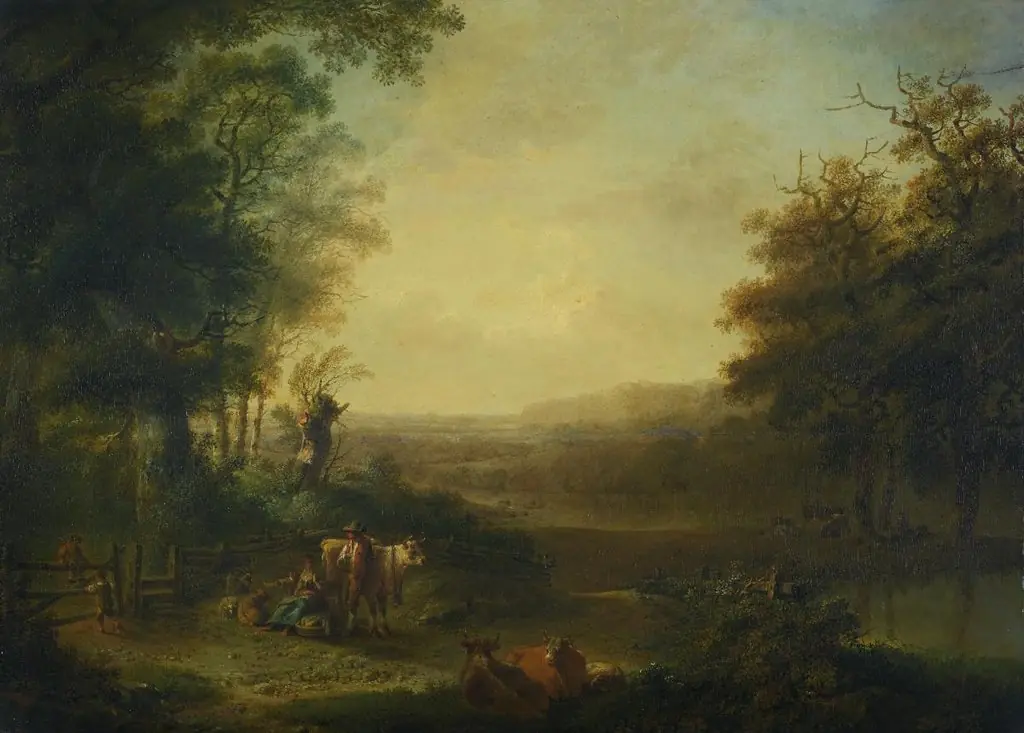 Abendlandschaft