Artwork
Untitled
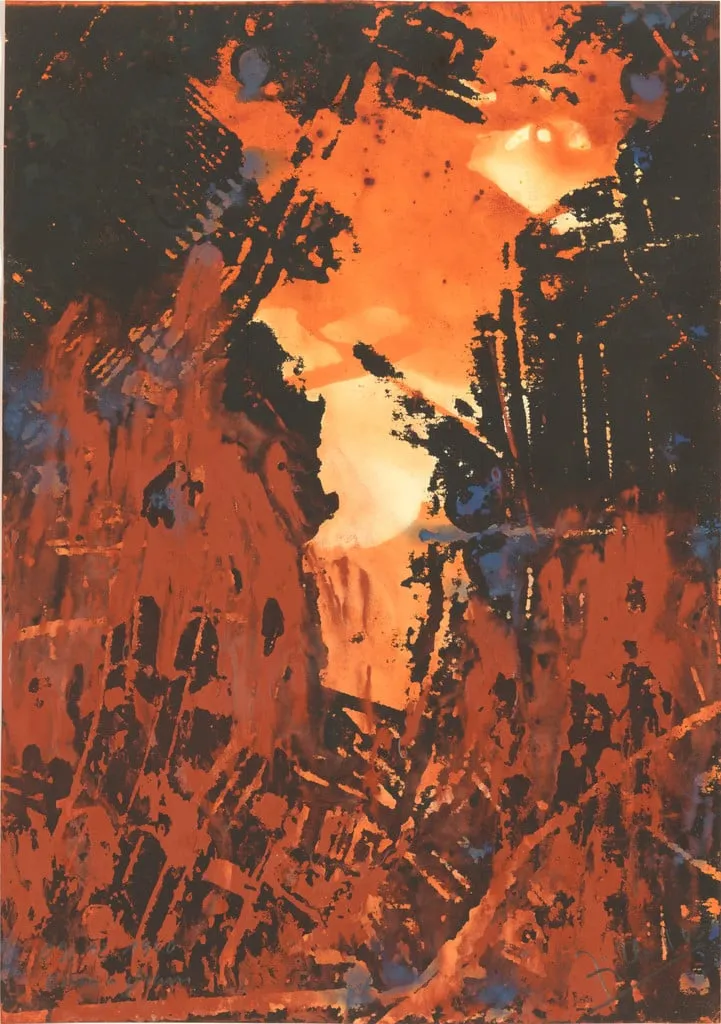
Untitled is a gouache drawing by Jörg Herold. It dates from 2003 and is held in the collection of the Museum of Modern Art.
About this work
Overview
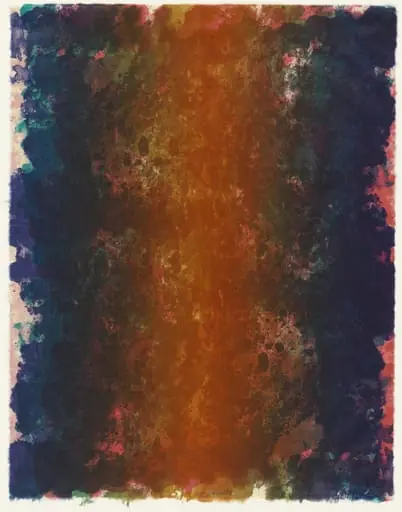
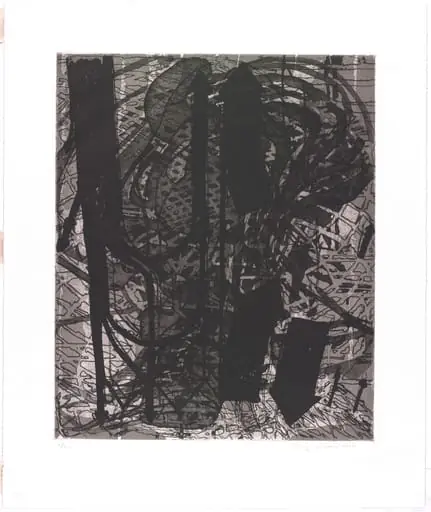
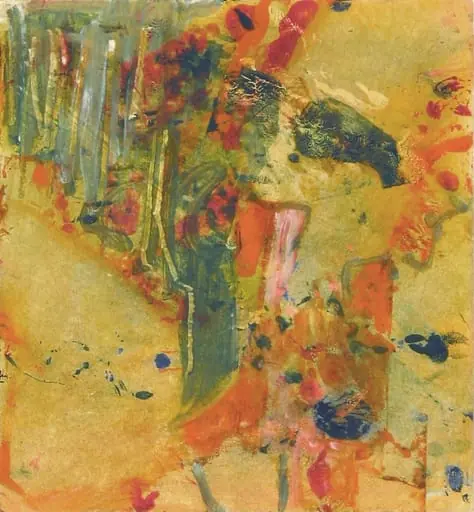
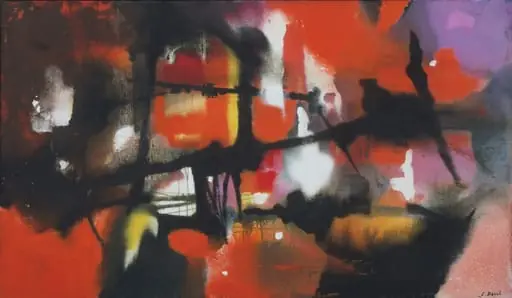
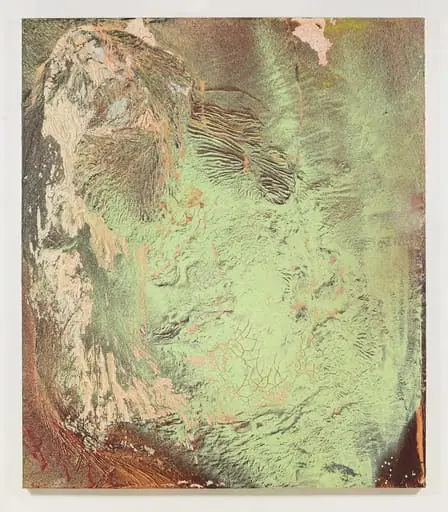
Created in 2003, this work by Jörg Herold combines gouache, synthetic polymer paint, and wood stain on nine assembled sheets of printed paper. The composition resists clear form, instead presenting a dense, layered surface where pigment and substrate merge. Its materiality emphasizes process over representation, with each sheet contributing to a unified yet fragmented field.
Subject & Meaning
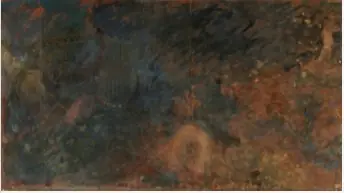
No identifiable landscape or object emerges from the work. The swirling masses of orange, black, and brown suggest atmospheric disturbance—smoke, embers, or decay—but avoid literal interpretation. The title, Untitled, reinforces its resistance to narrative, inviting attention to texture and material rather than symbolic content.
Technique & Style
Heavy, irregular brushstrokes and scraped passages create a tactile, almost geological surface. Gouache’s matte quality absorbs light, while polymer paint adds subtle sheen and durability. Wood stain seeps into the paper fibers, deepening the earthy tones. The nine joined sheets retain visible seams, acknowledging the work’s constructed nature.
History & Provenance
The work entered The Museum of Modern Art’s collection following its creation in 2003. It reflects Herold’s interest in material experimentation and the physicality of mark-making during the early 2000s. No prior exhibition or ownership history is publicly documented beyond its acquisition by the museum.
Context
Herold’s approach aligns with post-minimalist and process-oriented practices of the time, where artists prioritized material behavior over composition. The use of printed paper as a base references the tension between reproduction and originality, common in late 20th-century drawing practices.
Legacy
The work contributes to a broader dialogue on drawing as an expanded field, where traditional boundaries between painting, collage, and print are blurred. Its emphasis on materiality and impermanence continues to inform contemporary practices that value process over polish.
Artist & collection