Artwork
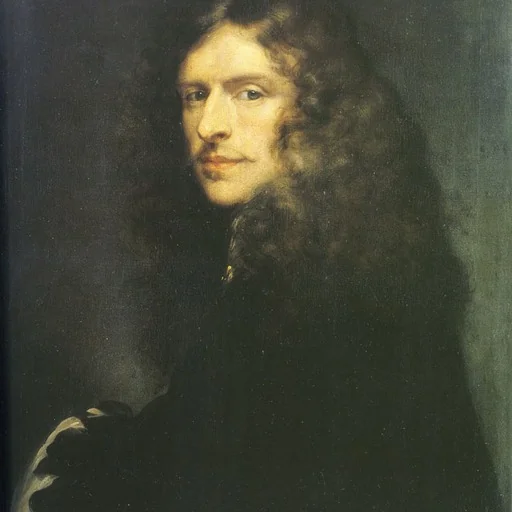
Jan Amos Comenius (Komensky) (1592-1670). Czech humanist and pedagogue. Exiled as a leader of the Moravian or Bohemian Brethren and settled in Amsterdam in 1656
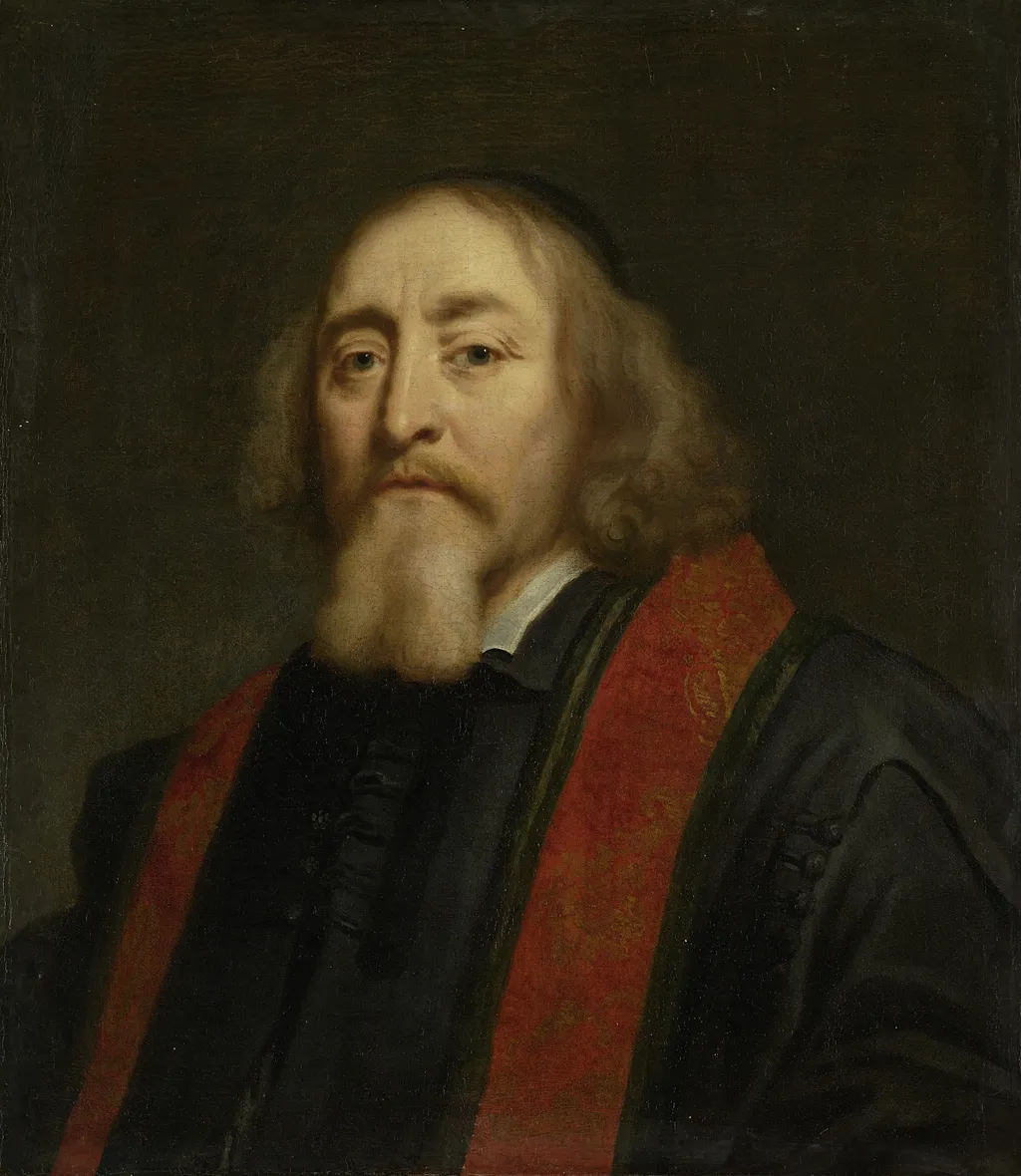
Jan Amos Comenius (Komensky) (1592-1670). Czech humanist and pedagogue. Exiled as a leader of the Moravian or Bohemian Brethren and settled in Amsterdam in 1656 is an oil painting by the Dutch Golden Age artist Jürgen Ovens. It dates from 1650 and is held in the collection of the Rijksmuseum.
About this work
Overview
Jürgen Ovens, a North Frisian painter trained in Rembrandt’s workshop, produced an oil portrait of Jan Amos Comenius around 1650. The work belongs to the Dutch Golden Age and is now part of the Rijksmuseum’s collection.
Subject & Meaning
The sitter is Jan Amos Comenius, a Czech humanist educator and former leader of the Moravian Brethren who sought refuge in Amsterdam in 1656. His solemn expression and scholarly attire convey his role as a thinker and religious figure.
Technique & Style
Executed in oil on canvas, the portrait employs strong chiaroscuro, with a left‑hand light that models the subject’s face and richly textured dark robe. The contrast between the deep background and the illuminated features highlights the figure’s presence.
History & Provenance
Created during Ovens’ mature period, the painting reflects his reputation for civic and aristocratic commissions, including works for the Dukes of Holstein‑Gottorp. It entered the Rijksmuseum collection, where it remains on display.
Own this work as a print
Artist & collection
Artist
Jürgen Ovens (1623 – 9 December 1678), also known as Georg, or Jurriaen Ovens whilst in the Netherlands, was a portrait painter and art-dealer from North Frisia and, according to Arnold Houbraken, a pupil of Rembrandt.