Artwork
A View of Casamicciola, Ischia
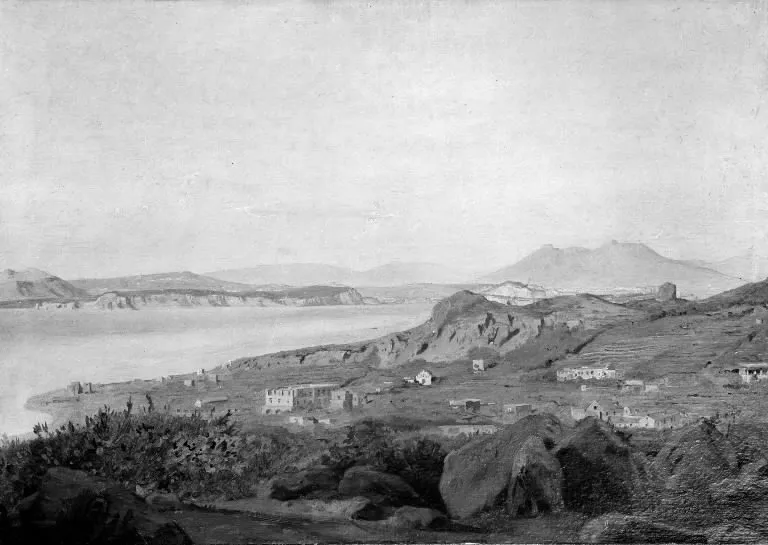
A View of Casamicciola, Ischia is an unspecified painting by the German Romanticist artist Jørgen Roed. It dates from 1838 and is held in the collection of the Statens Museum for Kunst.
About this work
Overview
Roed, primarily known for portraiture and genre scenes, turned his attention to landscape during his travels in southern Europe.
Painted in 1838 by Danish artist Jørgen Roed, this work captures the coastal town of Casamicciola on the island of Ischia. Roed, primarily known for portraiture and genre scenes, turned his attention to landscape during his travels in southern Europe. The painting is part of the collection at Statens Museum for Kunst in Copenhagen and reflects his engagement with the natural and built environments of the Mediterranean.
Subject & Meaning
The scene portrays a hillside settlement nestled along the Tyrrhenian Sea, with clustered buildings ascending the terrain. Terraced houses, stone walls, and scattered vegetation suggest a quiet, lived-in environment. Rather than dramatizing the view, Roed presents it with quiet observation, emphasizing the harmony between human habitation and the rugged natural setting, a common theme in Romantic-era landscape studies.
Technique & Style
Roed employed a precise, observational approach, rendering architecture and topography with careful attention to form and texture. Light falls naturally across the facades and rocky foreground, creating subtle contrasts that define volume without theatricality. The brushwork is controlled yet expressive, balancing detail with atmospheric cohesion, aligning with the Northern European tradition of topographical realism infused with Romantic sensibility.
History & Provenance
Created during Roed’s travels in Italy, the painting was likely made on-site or based on sketches from his time on Ischia. It entered the Danish national collection shortly after its completion and has remained in public ownership since. Its presence in Statens Museum for Kunst underscores its significance as an example of Danish artists engaging with Mediterranean landscapes during the 19th century.
Context
In the 1830s, Danish artists increasingly traveled to southern Europe, drawn by classical ruins and luminous light. Roed’s depiction of Casamicciola fits within this trend, reflecting a broader interest in documenting foreign landscapes with authenticity. While influenced by German Romanticism’s emotional tone, his approach remains grounded in direct observation, distinguishing his work from more idealized Italianate views.
Legacy
Though not among Roed’s most widely exhibited works, the painting contributes to the understanding of Danish Romantic landscape painting beyond domestic scenes. It illustrates how Nordic artists absorbed and reinterpreted southern European environments, contributing to a more diverse visual record of 19th-century European travel and artistic exchange.
Artist & collection
Artist
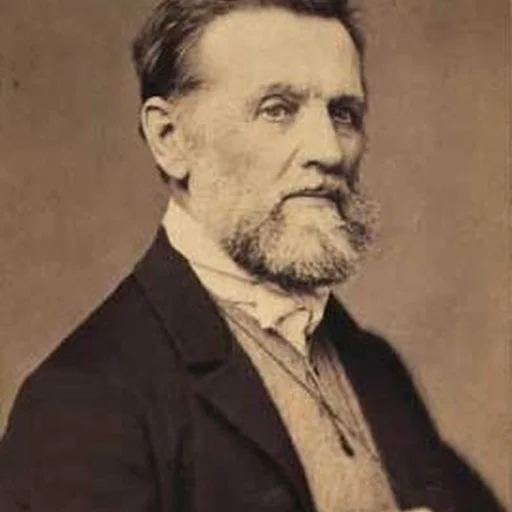
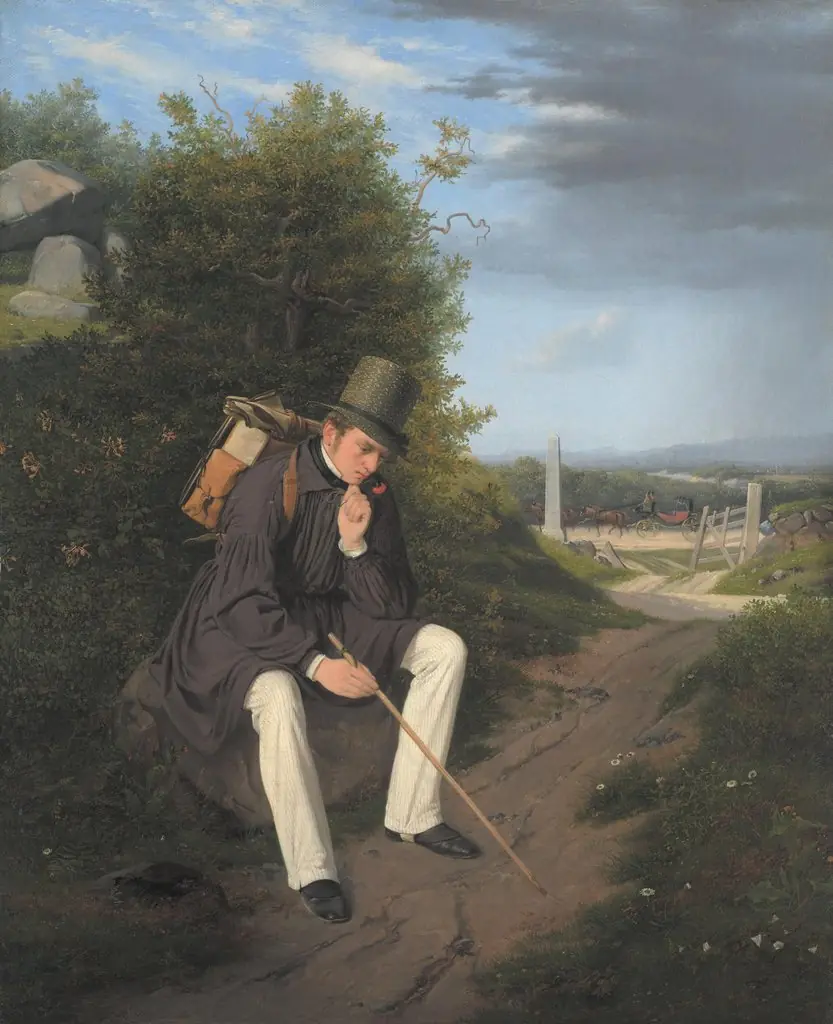
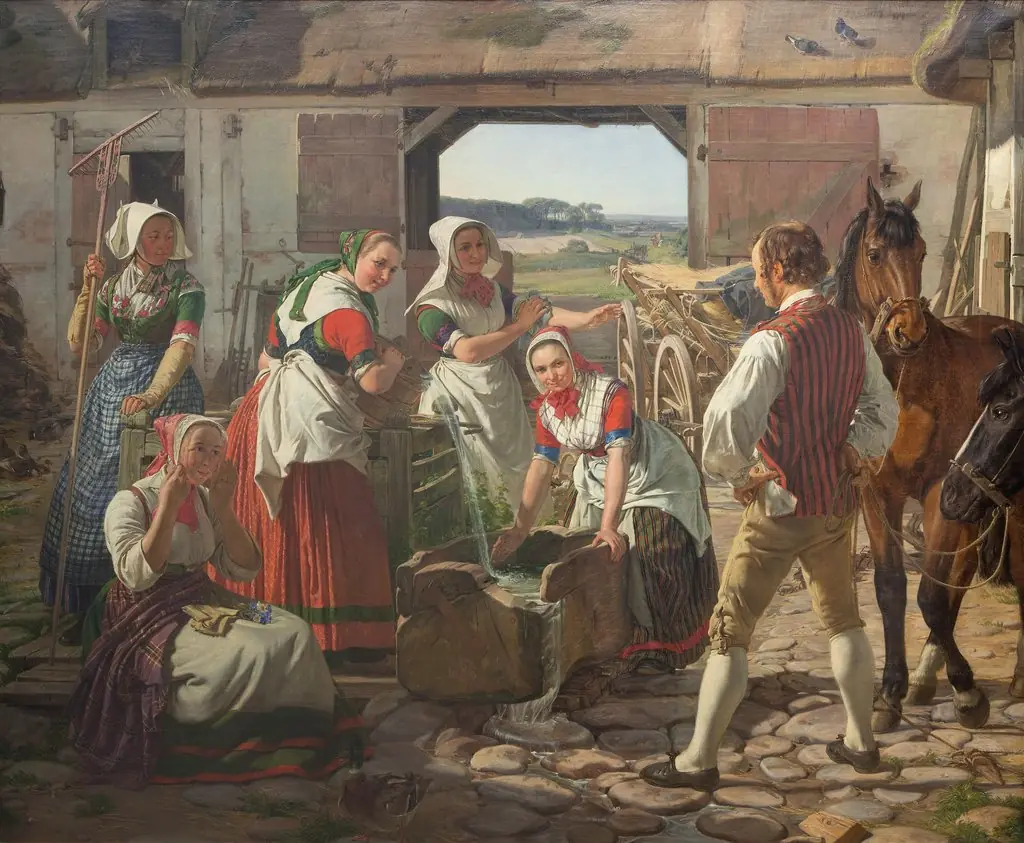
Jørgen Roed (13 January 1808 – 8 August 1888), Danish portrait and genre painter associated with the Golden Age of Danish Painting, was born in Ringsted to Peder Jørgensen Roed and wife, Ellen Hansdatter.

 Klipper ved Götaelven
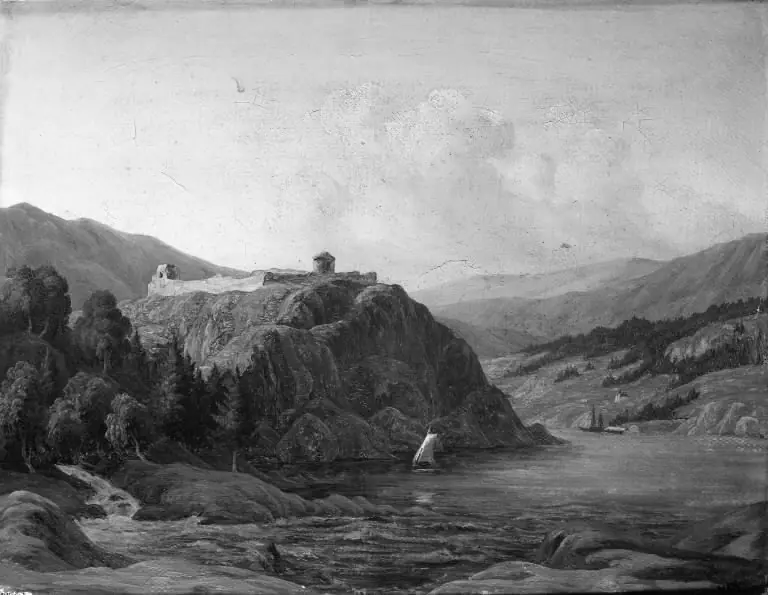 Klipper ved Götaelven
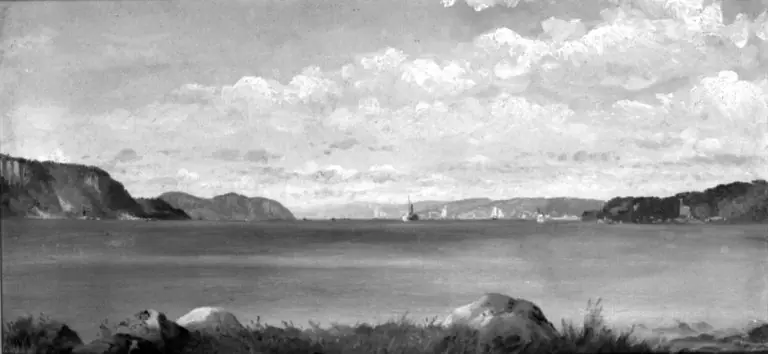 Tappan Zee, from Glenwood
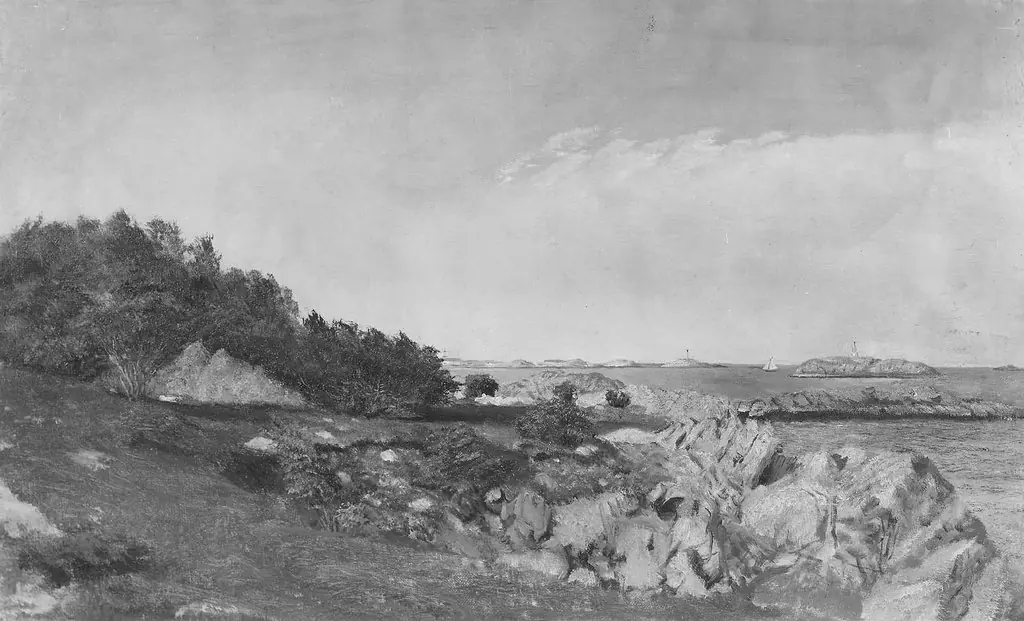 Rocky Coast with Light House
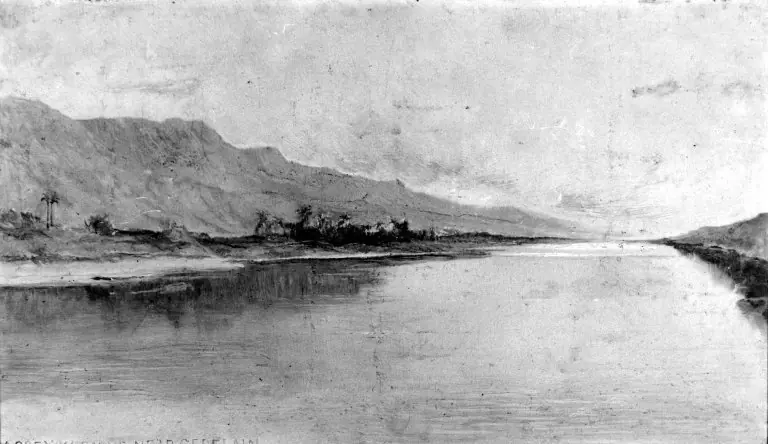 The Nile, Gray Morning, Gebelain
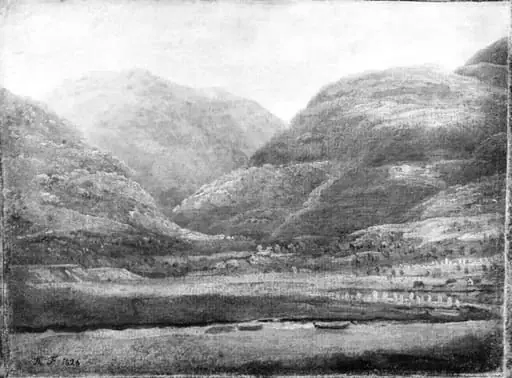 Sketch from Parish in Norway
 View of the Whampoa Anchorage
 From the Flume House, Franconia, New Hampshire
 Ved høje bjerge ligger en italiensk søhavn med galejer og felukker
 The Wych, Malvern