Artwork
Sketch from Parish in Norway
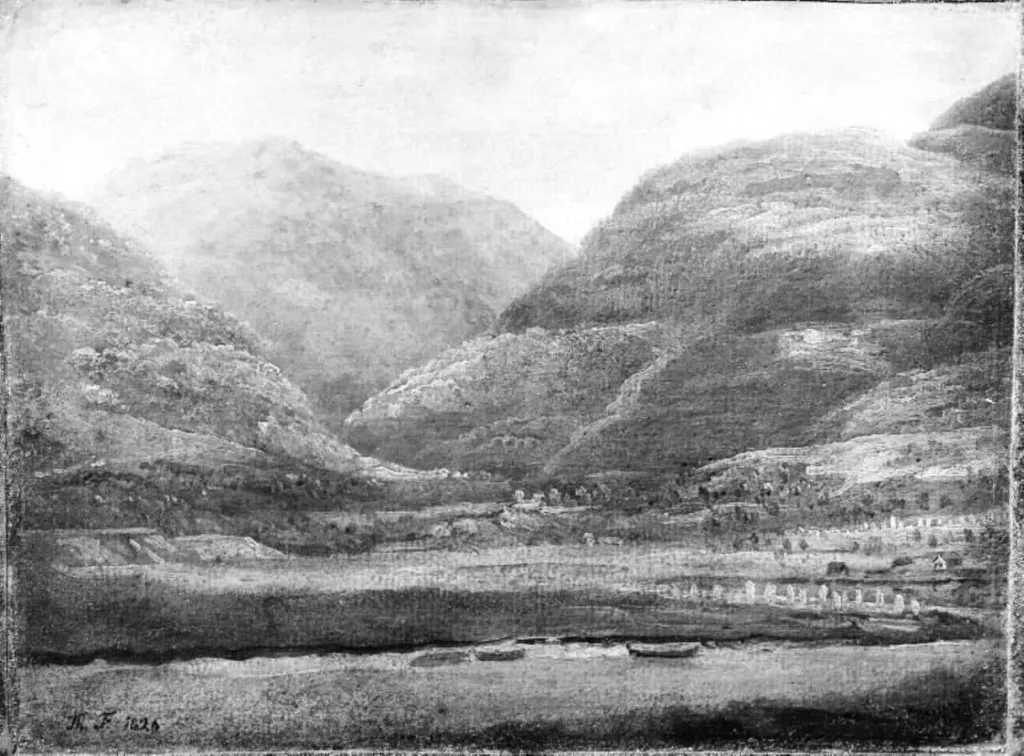
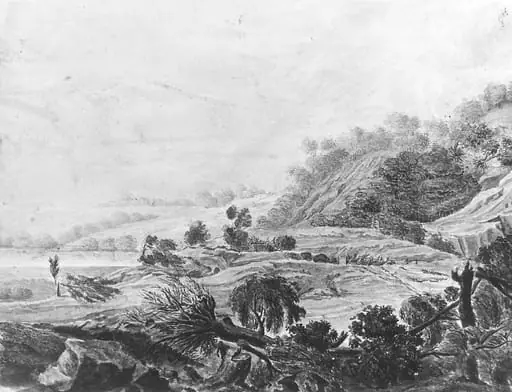
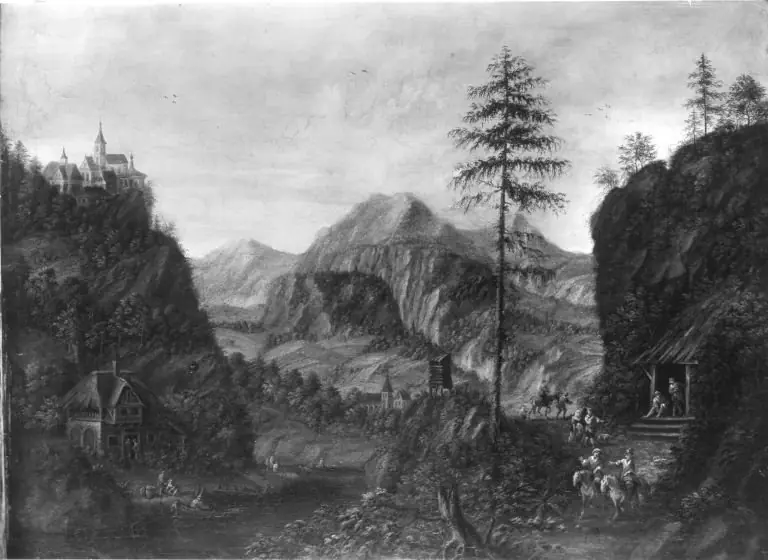
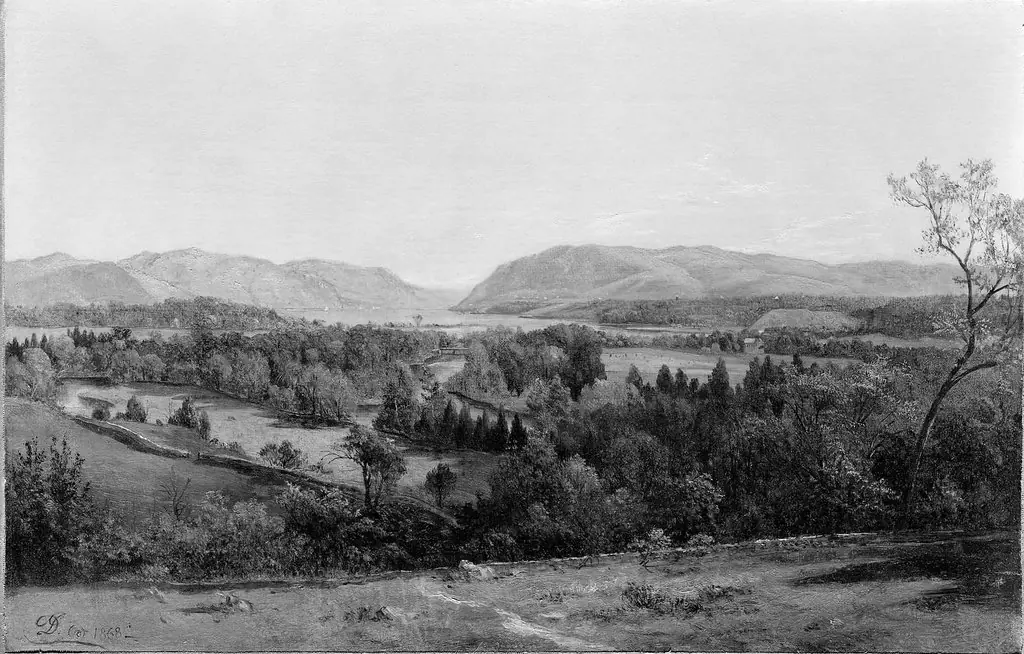
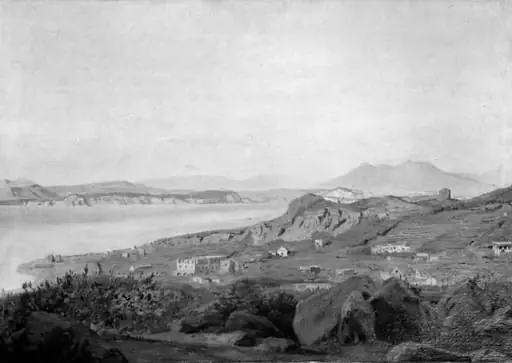
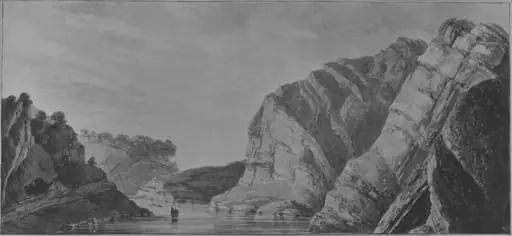
Sketch from Parish in Norway is a drawing by the Romanticist artist Unknown. It dates from 1826 and is held in the collection of the Statens Museum for Kunst. Created in 1826, this pencil or ink sketch depicts a rural valley in Norway, likely observed during fieldwork.
About this work
Overview
The work is unsigned but attributed to an artist active in the early 19th century, possibly associated with ethnographic or topographical surveys of the region.
Created in 1826, this pencil or ink sketch depicts a rural valley in Norway, likely observed during fieldwork. It is part of the collection at the Museum of Ethnography, where it serves as a documentary record of a specific place and time. The work is unsigned but attributed to an artist active in the early 19th century, possibly associated with ethnographic or topographical surveys of the region.
Subject & Meaning
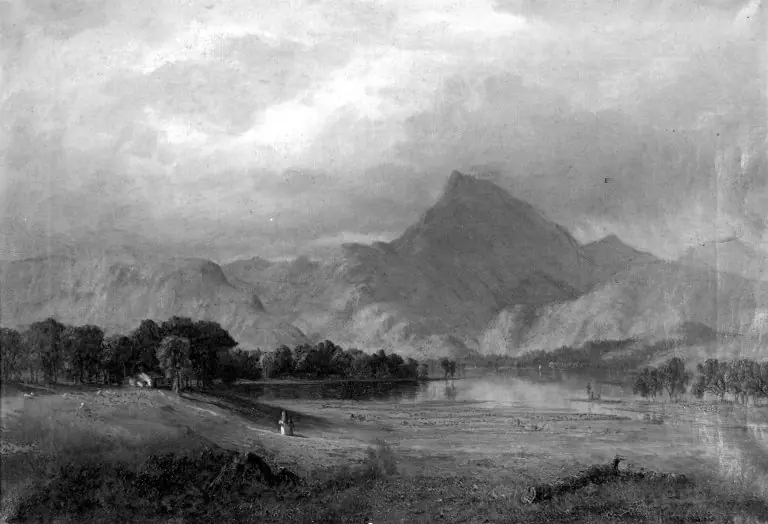
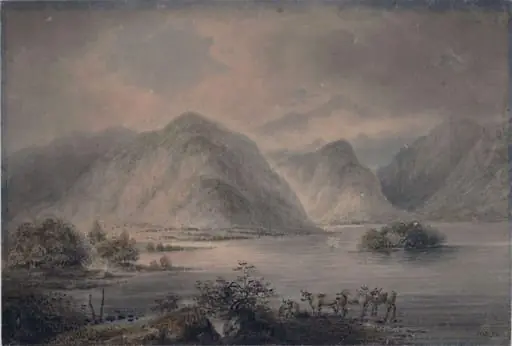
The scene portrays a modest village nestled in a narrow valley, with a winding river threading through it. The architecture is utilitarian, with low, clustered dwellings that blend into the terrain. The composition emphasizes harmony between human habitation and the natural landscape, suggesting an observational intent rather than idealization. The quietude of the setting reflects a focus on everyday life in a remote Norwegian parish.
Technique & Style
The artist employed subtle tonal gradations to suggest volume and distance, using light shading to differentiate the rugged hills from the smooth flow of the river. Lines are restrained, avoiding dramatic contrast or ornamentation. This restrained draftsmanship aligns with early 19th-century topographical practices, prioritizing accuracy and spatial clarity over expressive flourish, typical of ethnographic documentation at the time.
History & Provenance
The sketch entered the Museum of Ethnography’s holdings in the 19th century, likely acquired during a period of increased interest in Nordic cultural landscapes. Its origin as a field study suggests it was made during a journey through rural Norway, possibly by a scholar, surveyor, or artist commissioned to record regional life. No record of prior ownership or exhibition exists beyond its institutional archive.
Context
Produced during the rise of Romanticism, the work diverges from the movement’s emotional grandeur by favoring quiet observation. While contemporaries painted sublime mountains and stormy skies, this sketch captures the unadorned reality of rural Norway. It reflects a broader trend in ethnographic studies seeking to catalog local customs and environments with scientific neutrality, even as Romantic ideals influenced broader artistic sensibilities.
Legacy
The sketch remains a valuable record of 19th-century Norwegian rural life, offering insight into settlement patterns and landscape use before industrialization. Though not widely exhibited, it contributes to scholarly understanding of how early ethnographers visually documented cultural geography. Its modest scale and unembellished style distinguish it from more celebrated artworks of the era, yet it holds enduring value as a primary source.
Artist & collection

 Domestic Scene
 Giacomo and Cardinal Marco, investing Andrea, Abbot of San Zeno, with his Benefice
 The Nymph of Fontainebleau
 Portrait of a Woman
 Madonna and Child with Saints in the Enclosed Garden
 Venus and Minerva
 Family Group of Four on Sofa
 Wall painting from Room H of the Villa of P. Fannius Synistor at Boscoreale