Artwork
H Beard Print Collection
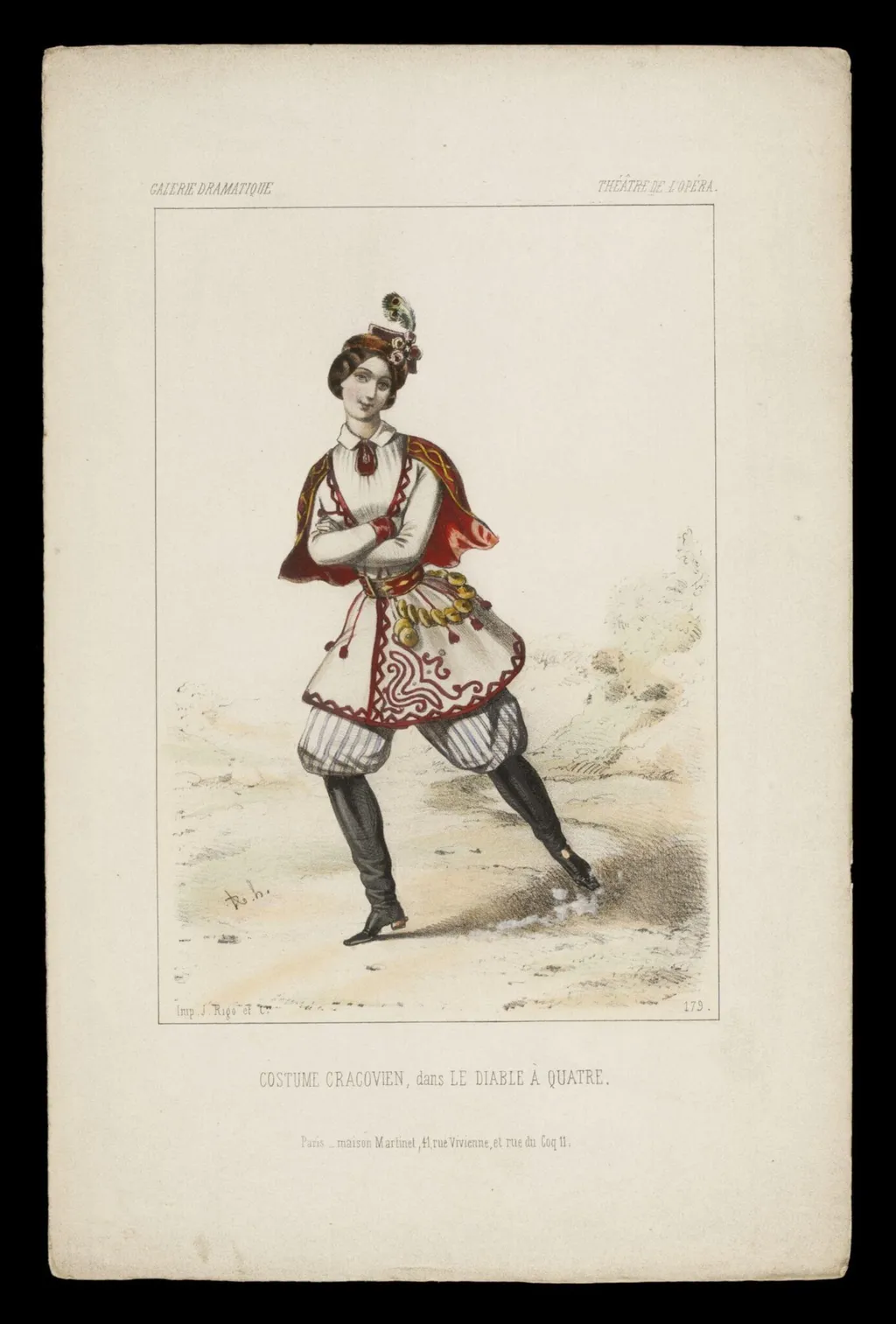
H Beard Print Collection is a print by J. Rigo et Cie. It dates from 1850 and is held in the collection of the Victoria and Albert Museum. This color lithograph, produced by J.
About this work
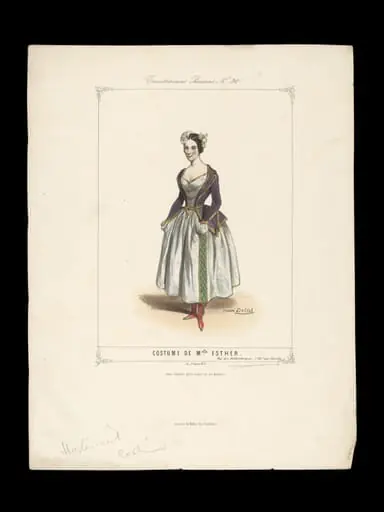
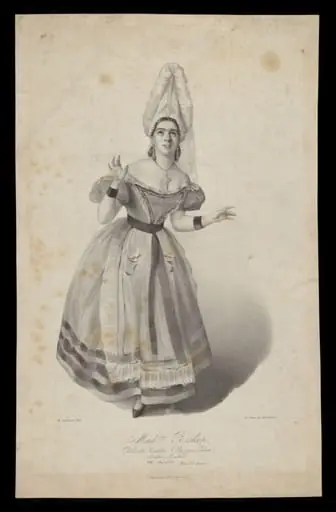
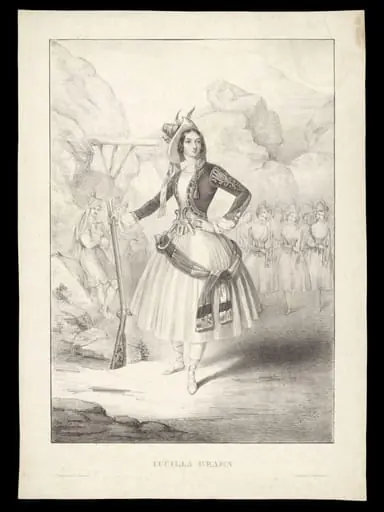
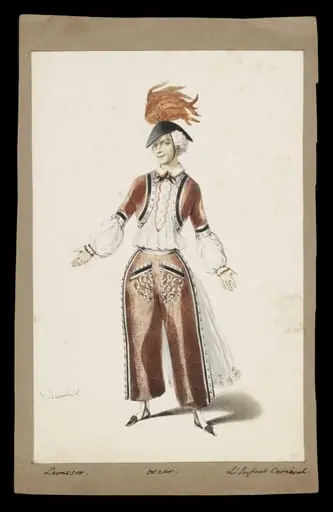
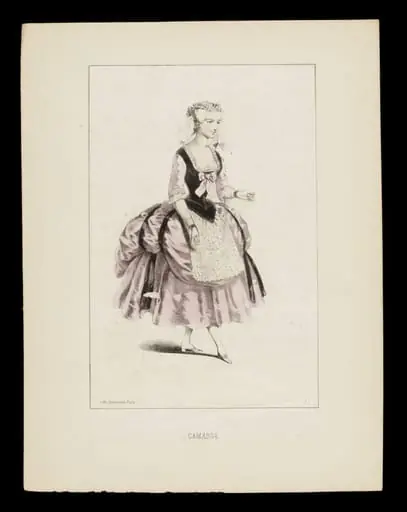
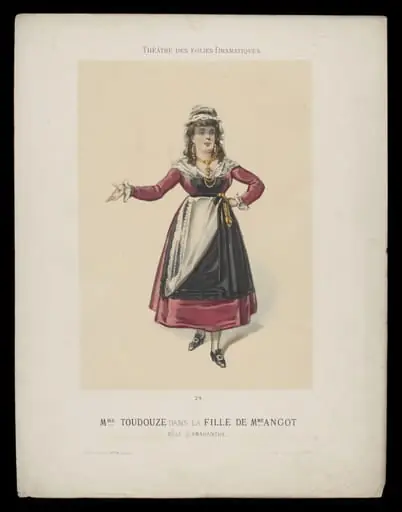
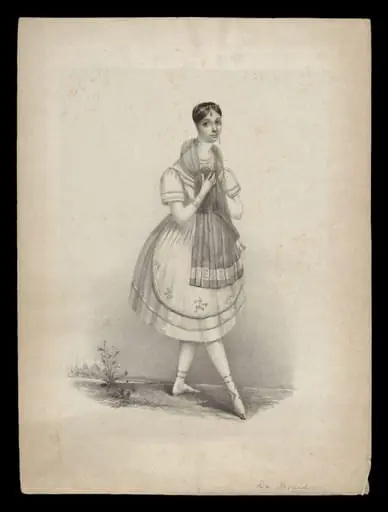
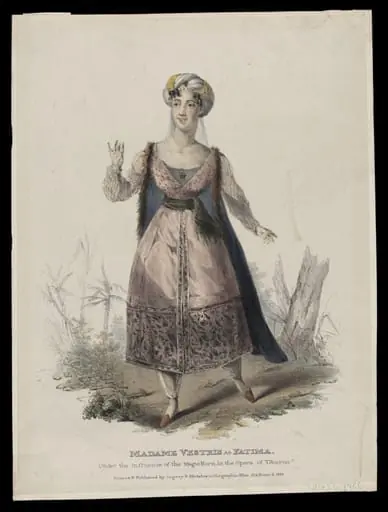
This print shows an actress in a colorful costume from a ballet called *Le Diable à Quatre*. It was made in early 19th-century Paris by J. Rigo & Co. as part of a series called *Gallerie Dramatique*.
The costume looks like it’s from a ballet staged at Théâtre de l’Opéra in 1845. Famous dancers like Carlotta Grisi wore it on stage.
Want to see more? Check out the Victoria and Albert Museum.
Overview
It belongs to the Gallerie Dramatique series, a collection of theatrical portraits linked to performances at the Théâtre de l’Opéra.
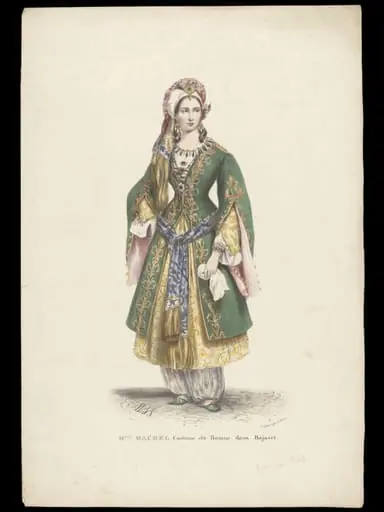
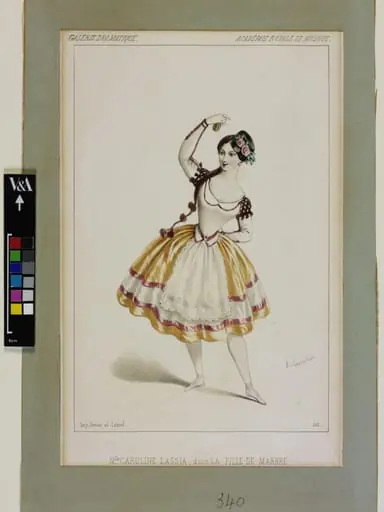
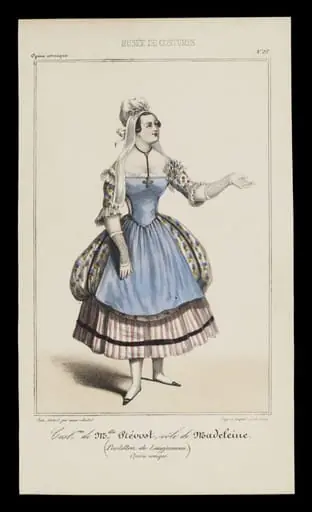
This color lithograph, produced by J. Rigo & Co. in Paris during the early to mid-nineteenth century, depicts a dancer in a distinctive costume from the ballet Le Diable à Quatre. It belongs to the Gallerie Dramatique series, a collection of theatrical portraits linked to performances at the Théâtre de l’Opéra. Though undated, its style and publisher align with prints from the 1840s, capturing the visual culture of Romantic-era stage dance.
Subject & Meaning
The figure represents a dancer portraying Mazourka, a character in the 1845 ballet Le Diable à Quatre. The costume reflects the Cracovienne, a Polish folk dance popular in Romantic ballets, symbolizing exoticism and national character on stage. The inclusion of small spurs on the dancer’s heels suggests an emphasis on rhythmic footwork, enhancing the percussive quality of the dance and grounding the performance in authentic folk tradition.
Technique & Style
Executed as a color lithograph, the print employs layered inks to render the costume’s vivid hues and intricate details. The composition presents the dancer in full length, framed against a plain background to emphasize costume and posture. Lines are crisp, colors bold yet restrained, typical of theatrical portraiture designed for mass distribution. The style prioritizes clarity and recognizability over atmospheric depth.
History & Provenance
Created by J. Rigo & Co., a Parisian print house active between the 1830s and 1850s, the image was issued as part of the Gallerie Dramatique series, documenting performances at the Théâtre de l’Opéra. It likely circulated as a souvenir or reference for theatergoers. The print’s association with Carlotta Grisi’s 1845 performance links it to a pivotal moment in ballet history, when Romantic choreography and national themes gained prominence.
Context
Le Diable à Quatre premiered in 1845 as a ballet, not an opera, and was part of a broader trend in Romantic theater that drew on folk traditions for dramatic effect. The Cracovienne dance, popularized by Fanny Elssler, became a signature piece for leading ballerinas. This print reflects the era’s fascination with Eastern European motifs and the growing commercialization of theatrical imagery through affordable prints.
Legacy
As a surviving example of mid-nineteenth-century theatrical ephemera, the print preserves visual records of costumes and choreographic styles now lost to time. It contributes to the historical documentation of ballet’s evolution and the role of print media in shaping public perception of performers. Such images remain valuable resources for scholars studying dance, costume design, and popular culture in the Romantic period.
Artist & collection
Artist
This printmaker’s early-19th-century work collects the sort of everyday scenes and faces that crowded the streets and shop windows of the time, pressed onto paper the same way you’d make a flyer.