Artwork
Portrait of Józef Sedelmajer
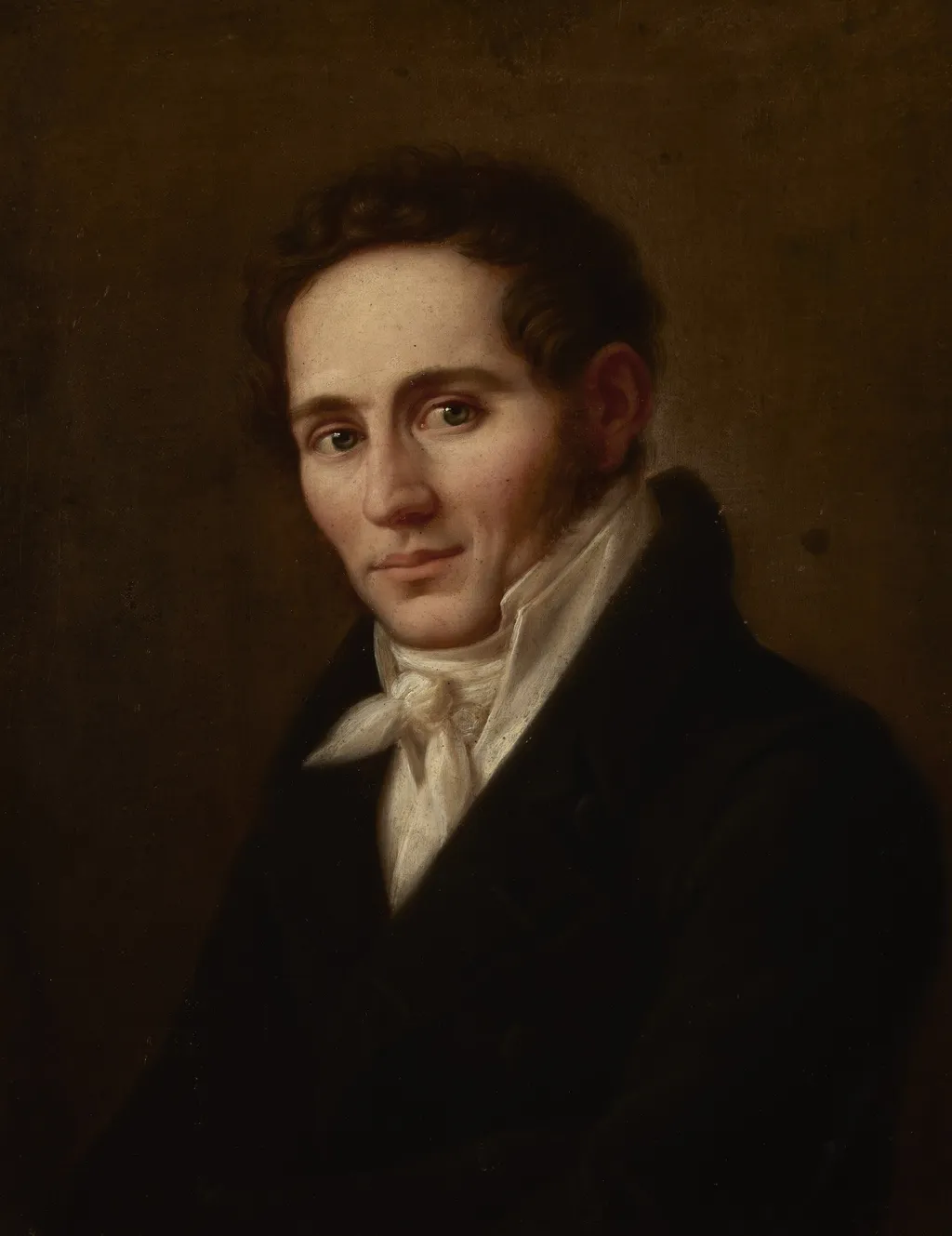
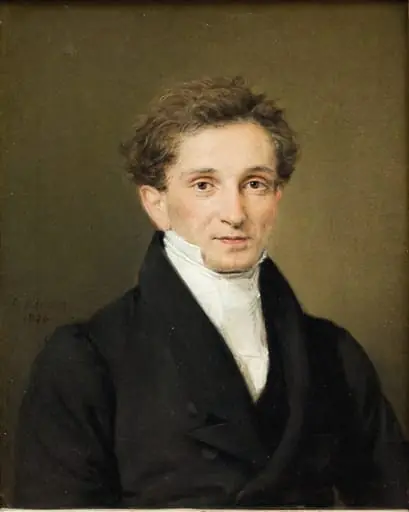
Portrait of Józef Sedelmajer is an oil painting by Józef Brodowski the Elder. It dates from 1822 and is held in the collection of the National Museum in Kraków.
About this work
Overview
Portrait of Józef Sedelmajer is an oil painting created by Polish artist Józef Brodowski the Elder around 1822, exemplifying the Classical style. It is a portrait of a man with dark hair and a white cravat, set against a dark brown background, with a neutral expression and direct gaze.
Subject & Meaning
The subject, Józef Sedelmajer, is depicted in formal attire, emphasizing his social standing. The neutral expression and direct eye contact convey a sense of dignity and composure, characteristic of Classical portraiture's emphasis on restraint and elegance.
Technique & Style
Brodowski employed chiaroscuro to create depth, contrasting light on the subject's face with the dark background and attire. This technique, along with the well-defined features and neutral palette, aligns with the Classical style's principles of clarity and balance.
History & Provenance
Painted circa 1822, the work is part of the National Museum in Kraków's collection. Brodowski the Elder's Classical approach was typical of early 19th-century Polish painting, distinguishing him from later artists sharing his name.
Context
Created during the Polish partition era, the painting reflects the enduring influence of Classical traditions in Polish art despite political upheaval. It speaks to the cultural continuity and the role of portraiture in capturing the era's elite.
Legacy
While not widely known beyond Poland, the portrait contributes to the understanding of early 19th-century Polish Classical painting. It remains a significant piece within the National Museum in Kraków, illustrating the artistic values of its time.
Own this work as a print
Artist & collection
Artist
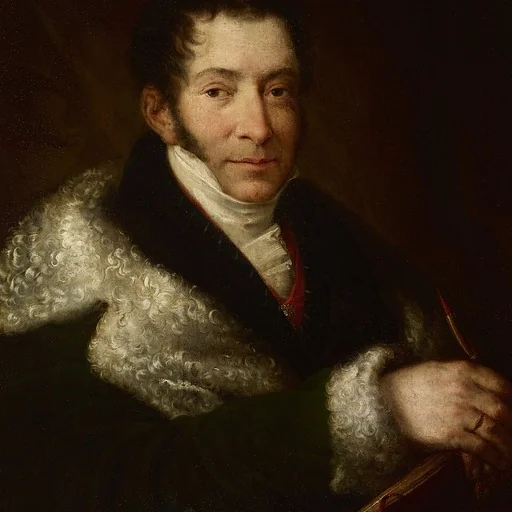
Józef Brodowski, (c.1775/81 – 1853) was a Polish painter in the Classical style. He is called The Elder to distinguish him from Józef Brodowski (1828–1900), who was apparently not related.

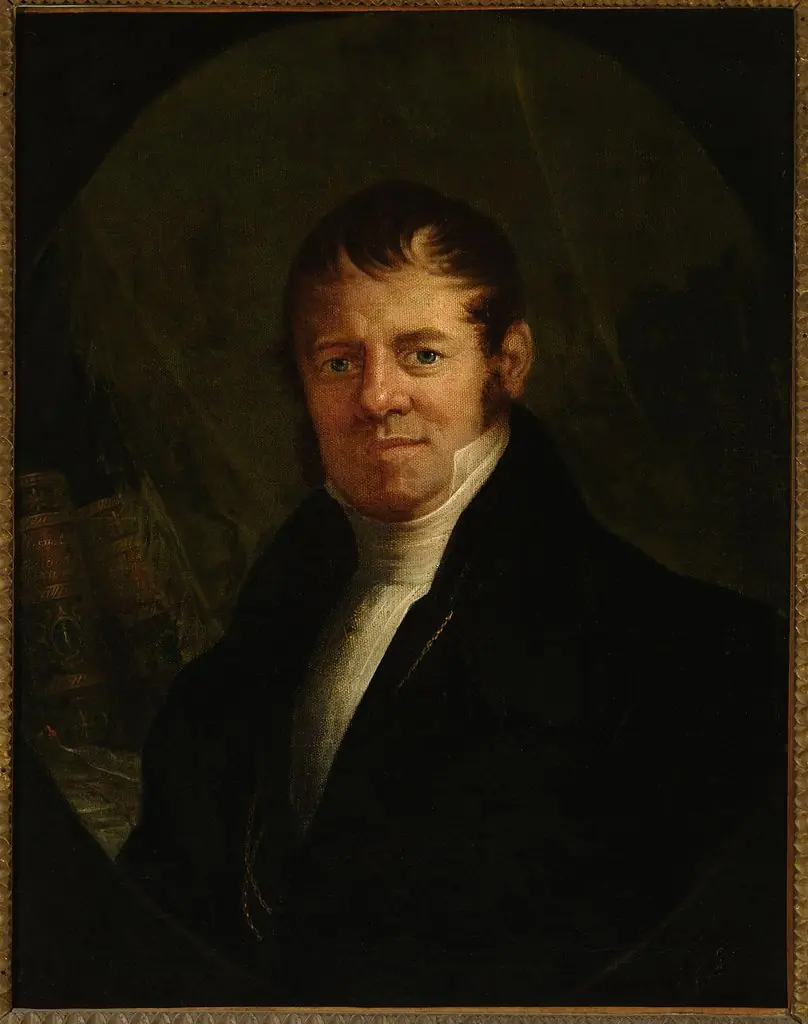
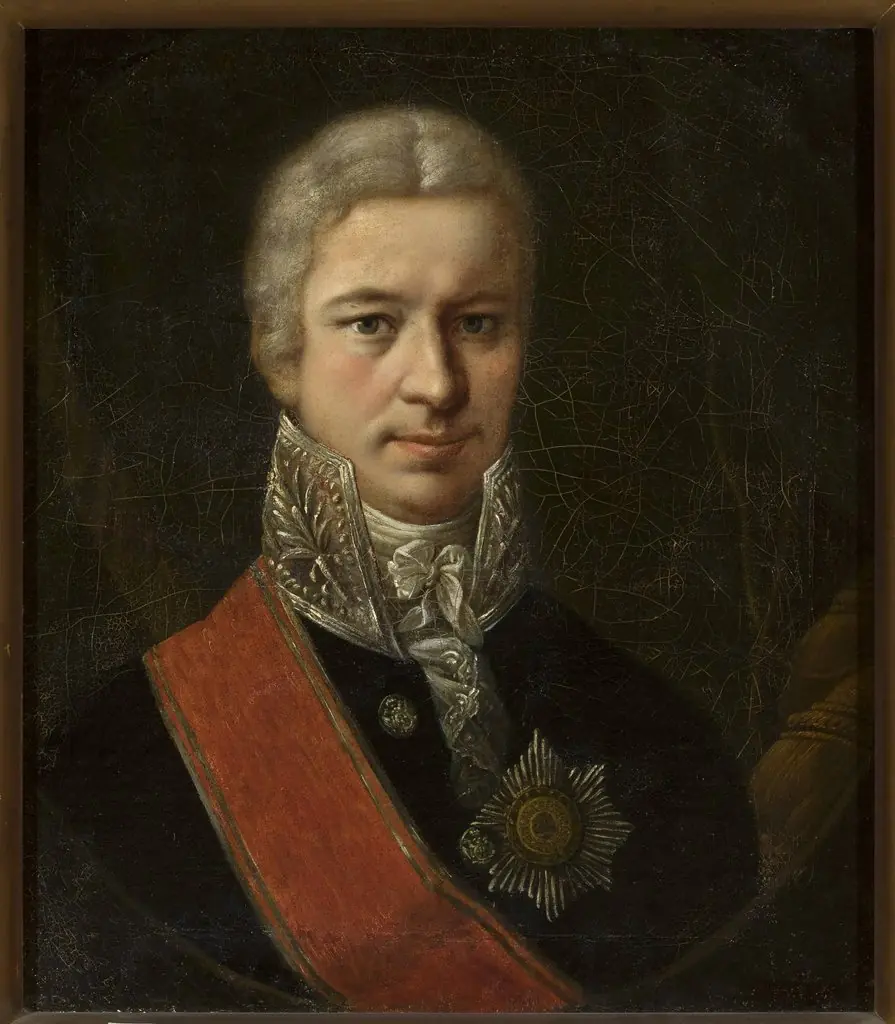
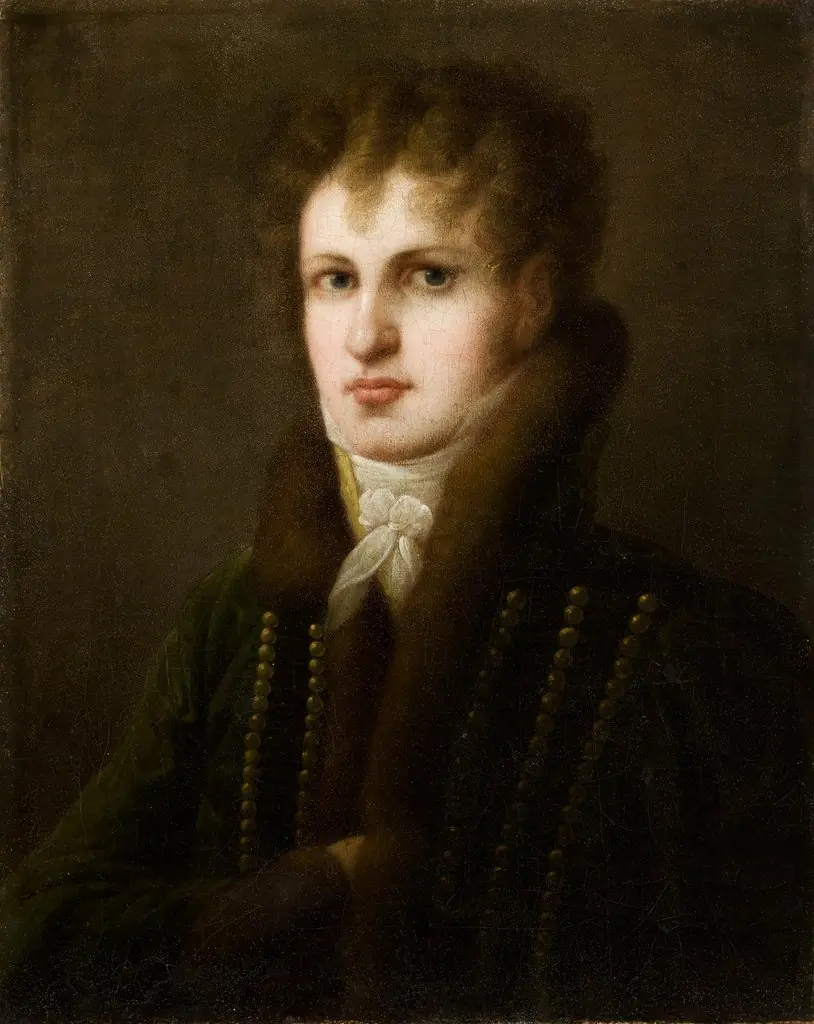
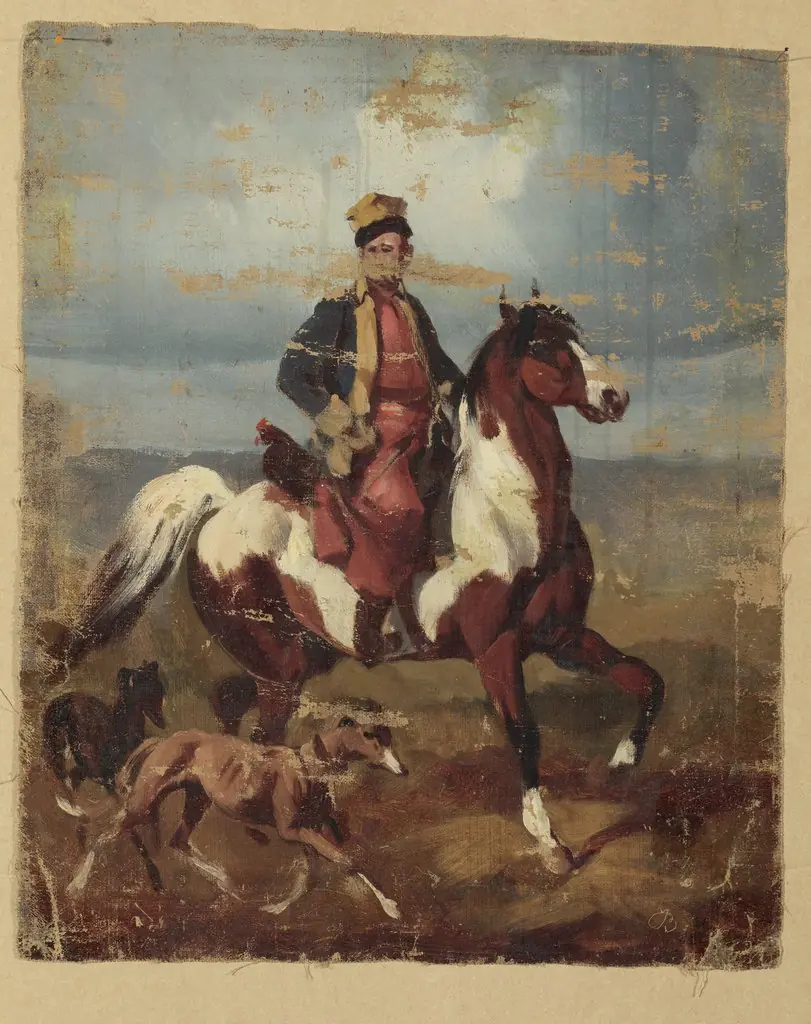
 Portrait of Johannes Søbøtker Hohlenberg
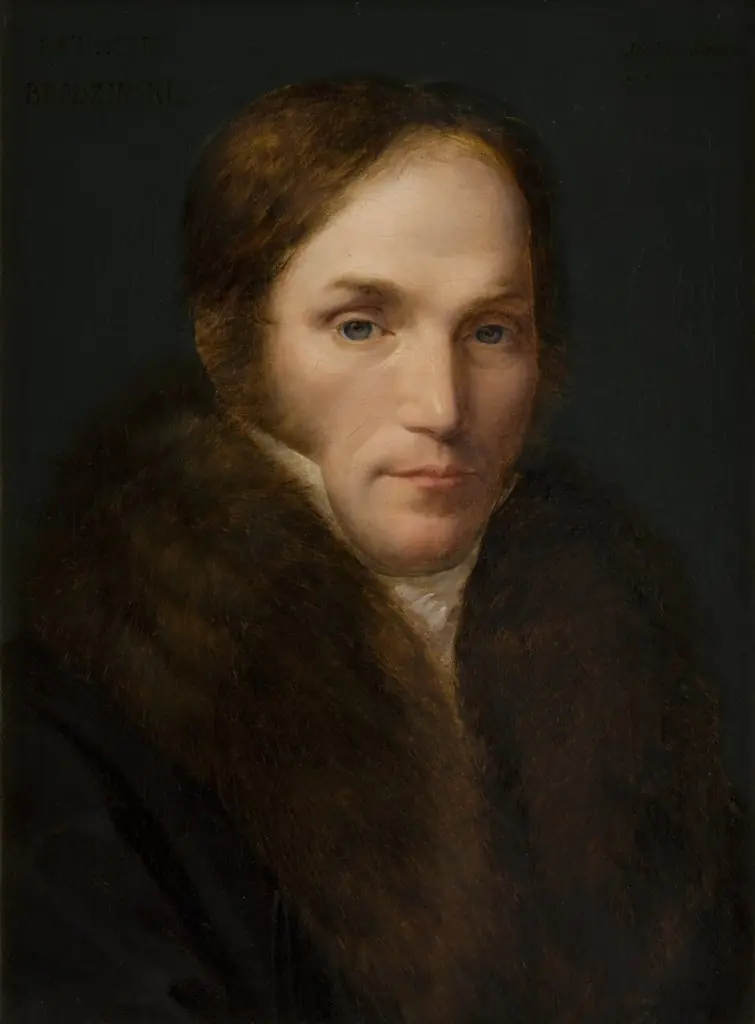 Portrait of Kazimierz Brodziński
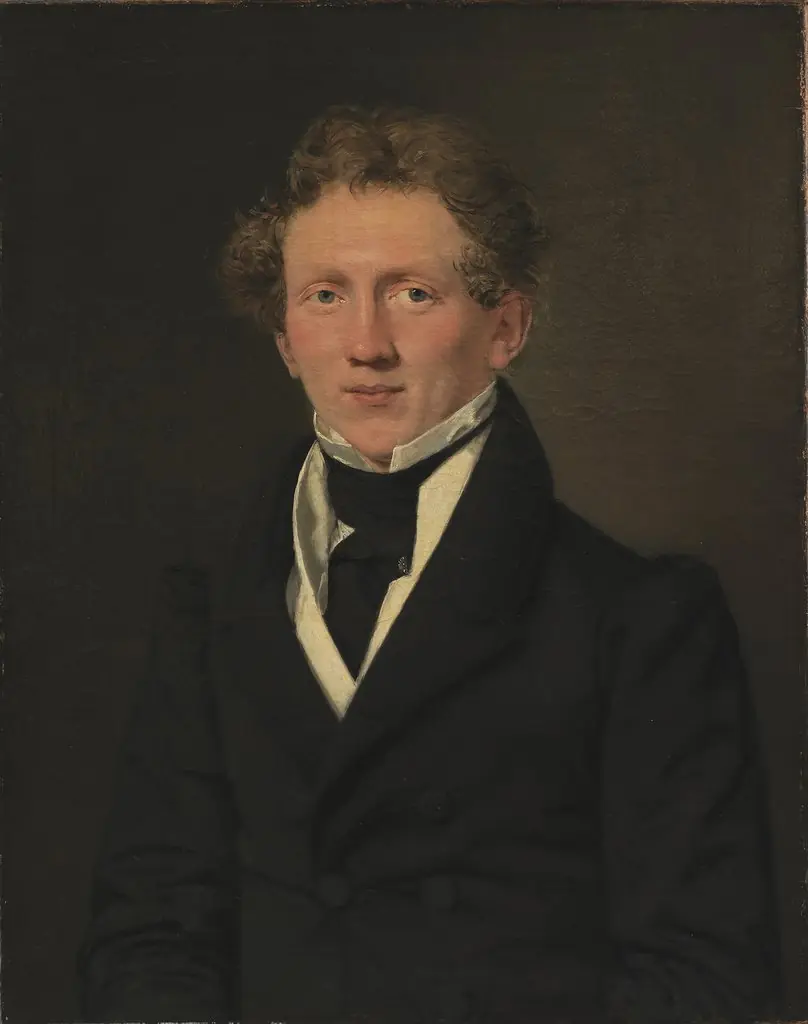 Skibsintendant Theodor Emil Ludvigsen
 The Paymaster Theodor Emil Ludvigsen
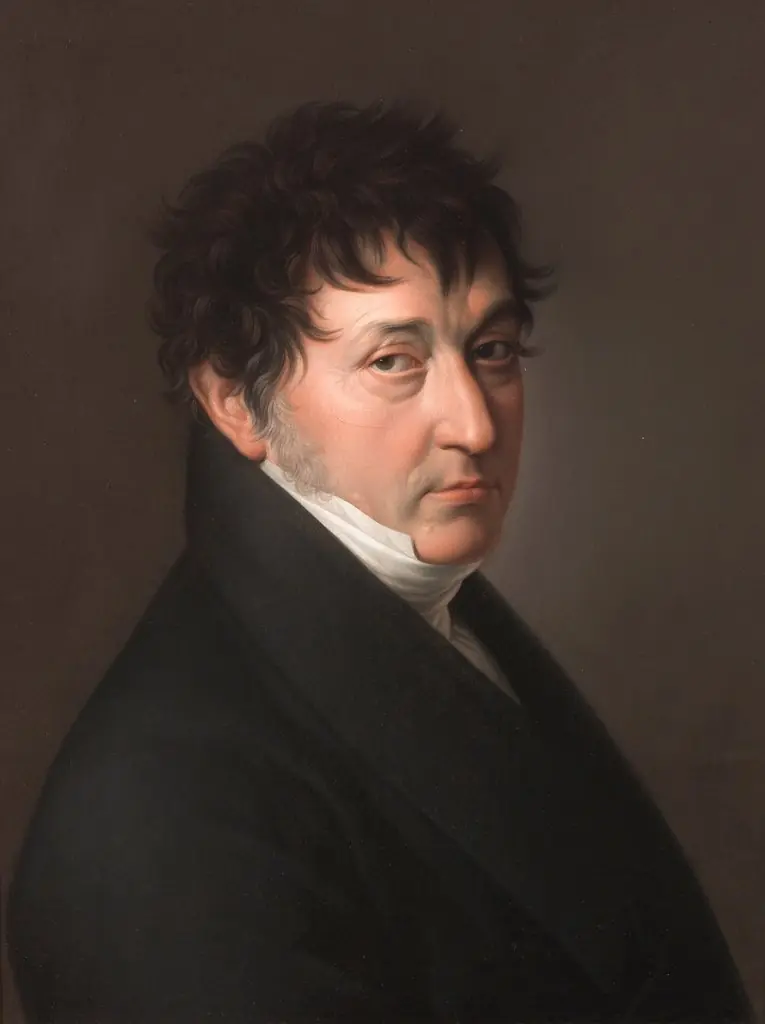 Self-portrait
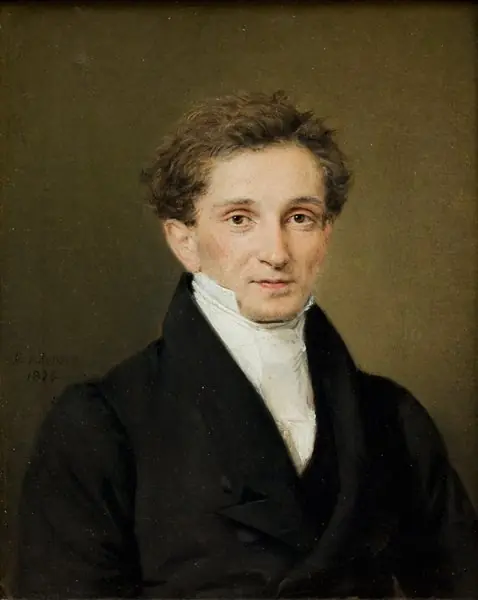 Johannes Søbøtker Hohlenberg, Leder af den danske handelsstation i Serampore nær Calcutta
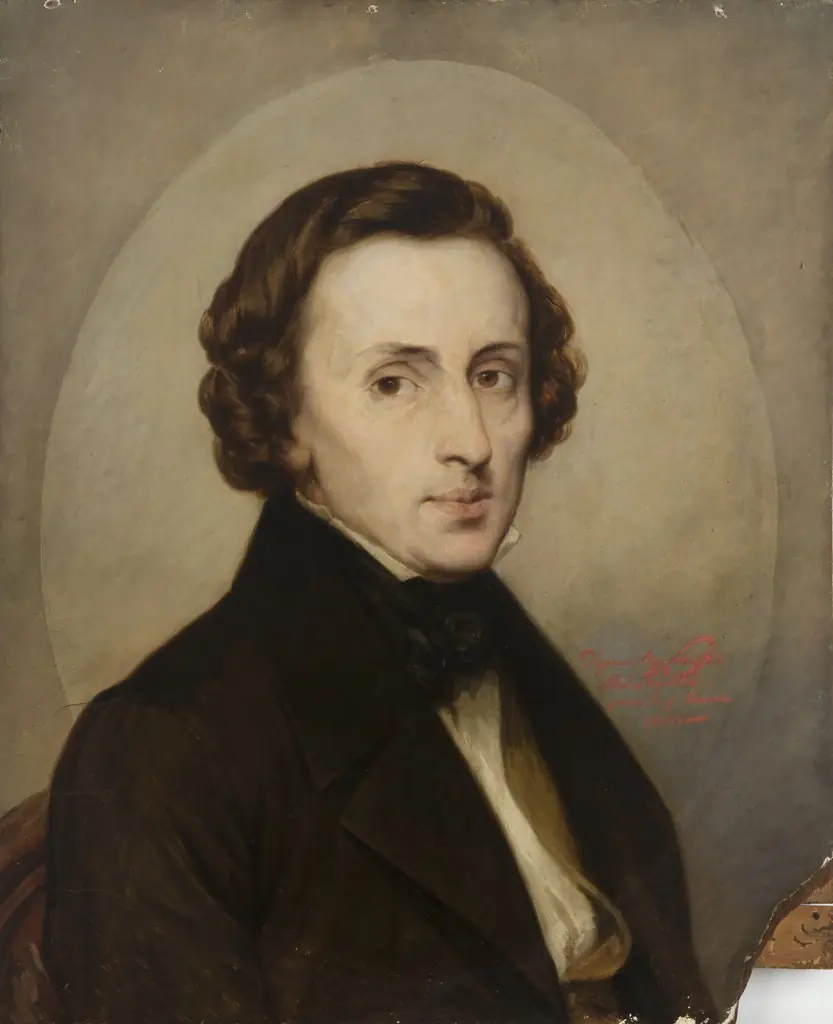 Portrait of Fryderyk Chopin (1810–1849)
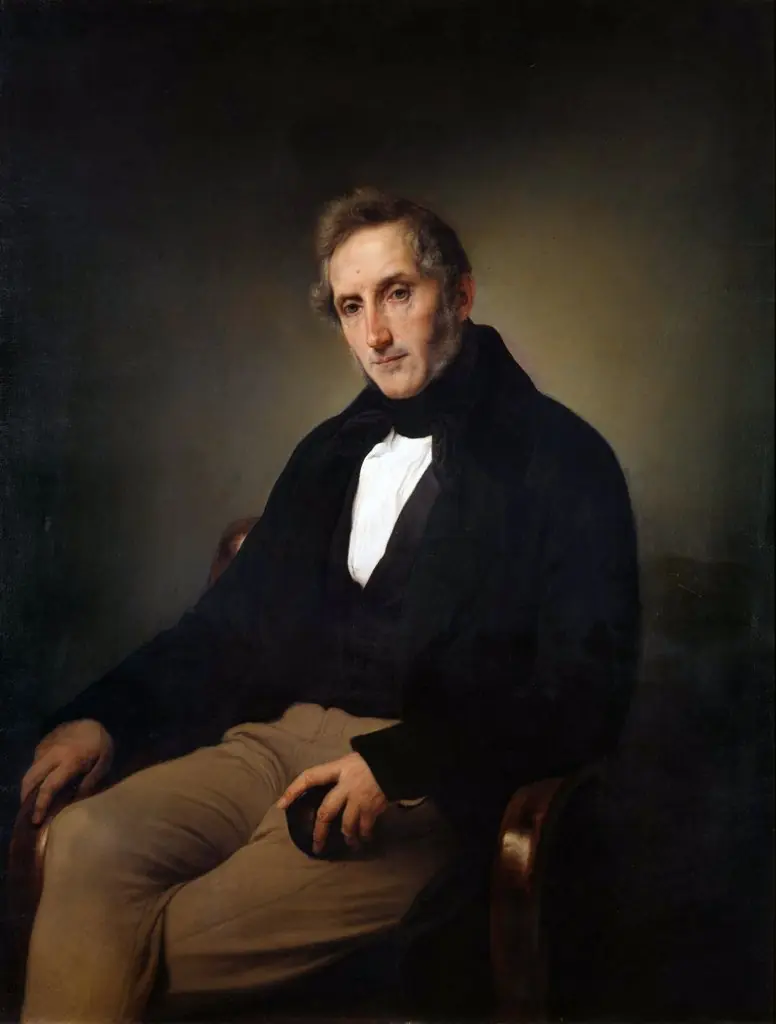 Portrait of Alessandro Manzoni
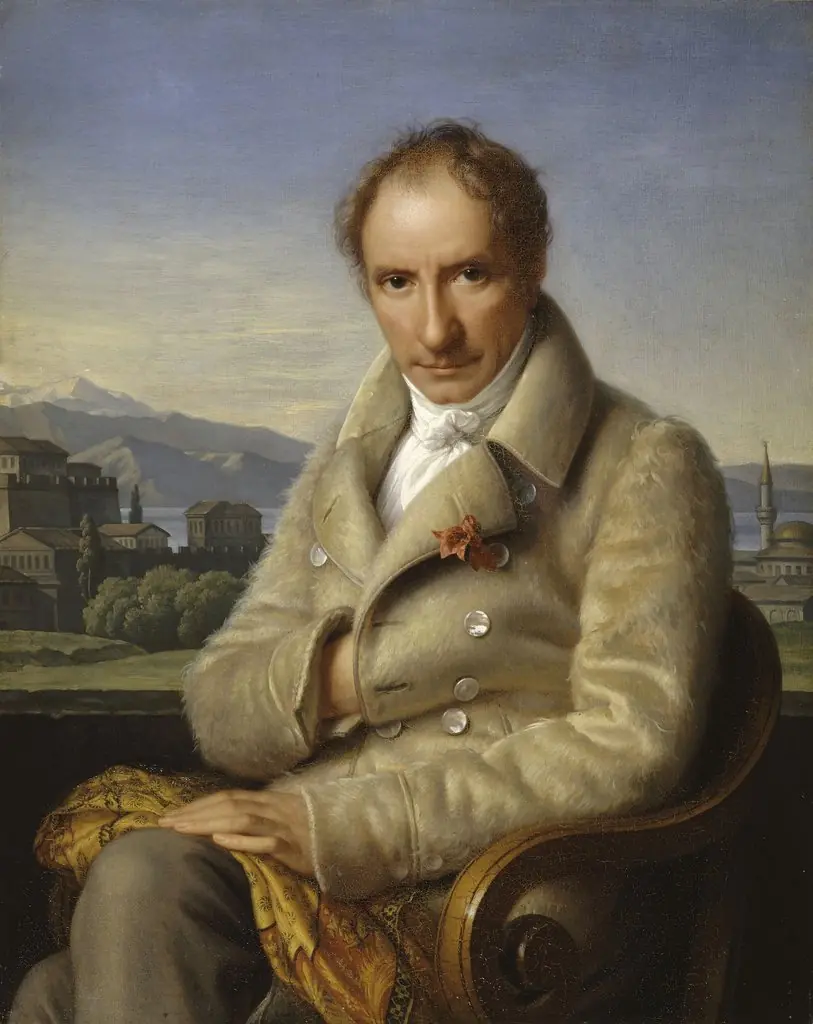 François-Charles-Hugues-Laurent Pouqueville (1770-1838)
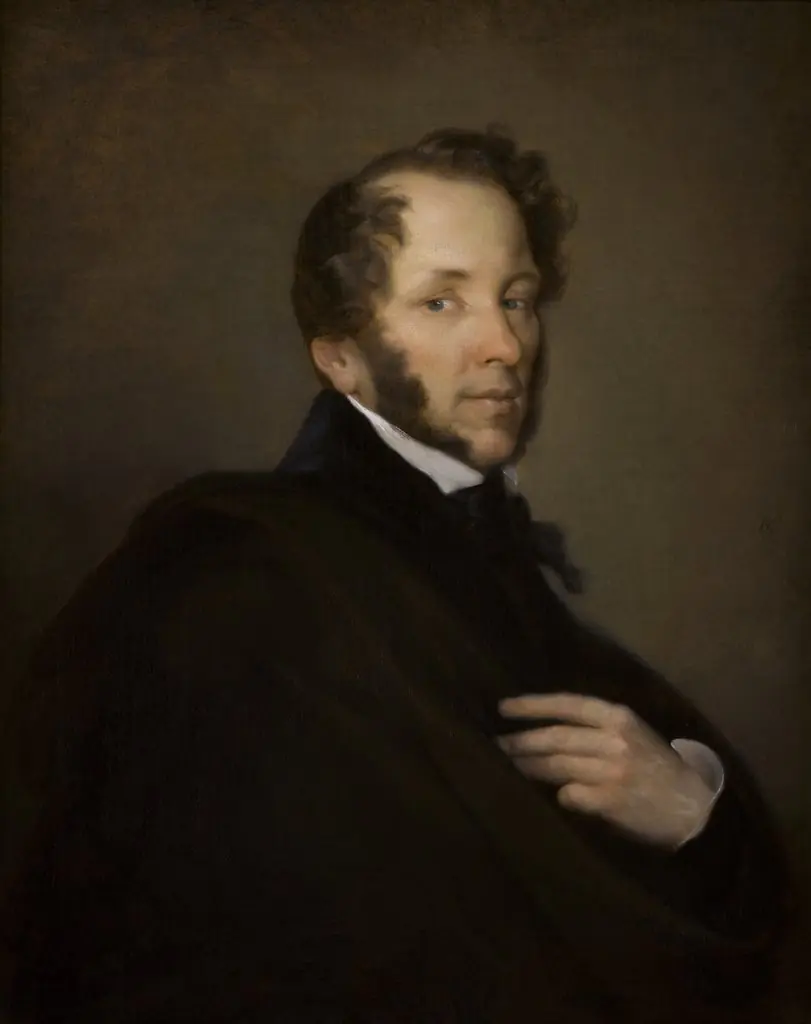 Portrait of Antoni Wentzel
 Pierre Guerin
 Portrait of Józef Brodowski