Artwork
Portrait of Fryderyk Chopin (1810–1849)
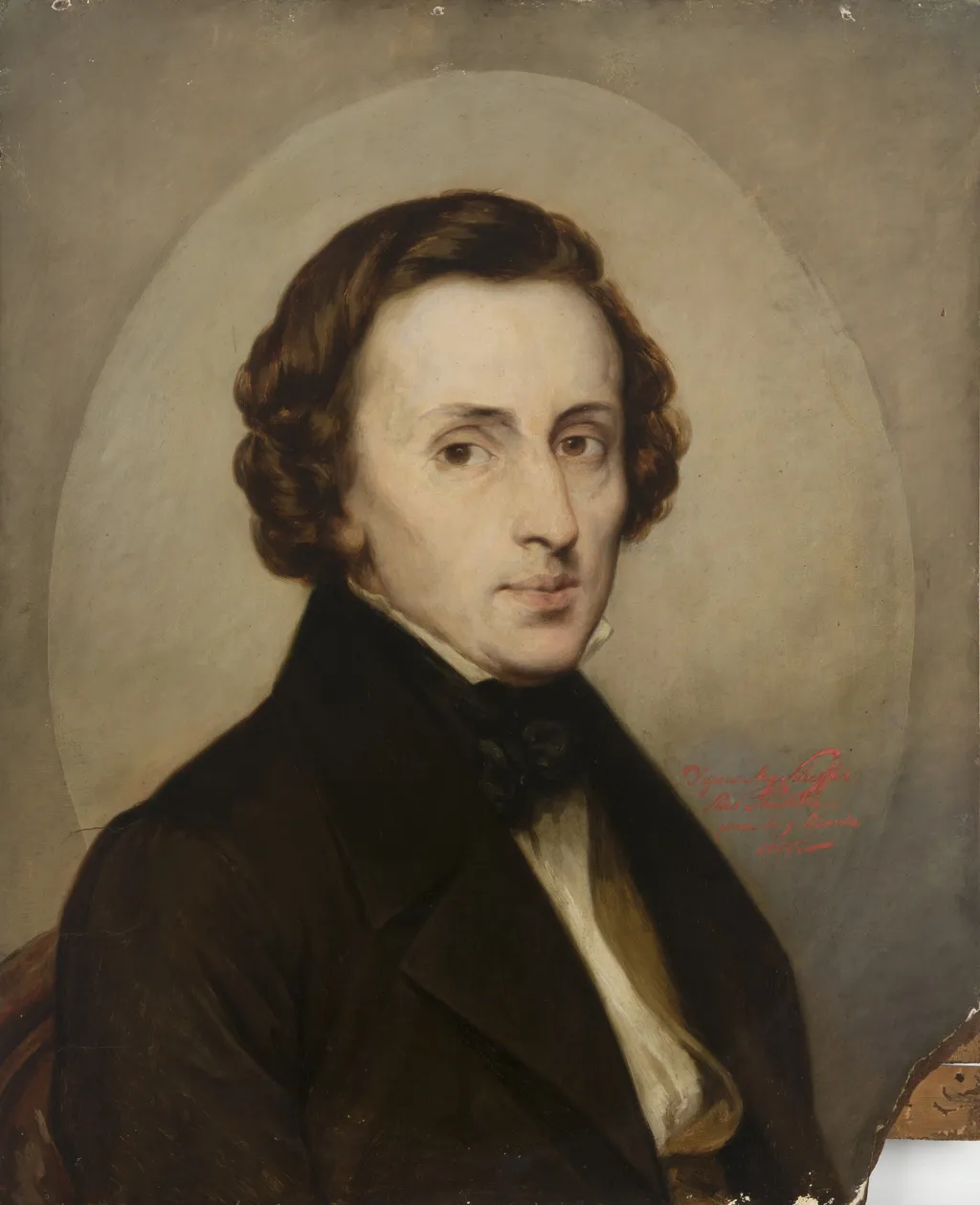
Portrait of Fryderyk Chopin (1810–1849) is an oil painting by Stanisław Stattler. It dates from 1858 and is held in the collection of the National Museum in Kraków.
About this work
If you're interested in learning more about the artist behind this portrait, you might want to look up Stanisław Stattler.
This painting is a portrait of a man with dark hair, dressed in a black jacket and white shirt. The subject is shown from the chest up, facing the viewer with a neutral expression. The background is a muted brown color.
The man's attire and hairstyle suggest a formal or professional setting, possibly from the 19th century. The artist's use of oil paint creates a sense of depth and texture in the subject's clothing and facial features.
If you're interested in learning more about the artist behind this portrait, you might want to look up Stanisław Stattler.
Overview
Stanisław Stattler’s oil portrait, executed in 1858, presents a mid‑19th‑century likeness of the Polish composer Frédéric Chopin. The work measures a modest size and is currently displayed in the National Museum in Kraków, where it forms part of the institution’s collection of Polish art.
Subject & Meaning
The sitter is shown from the chest upward, his dark hair neatly arranged and his expression composed yet neutral. Dressed in a black jacket over a white shirt, Chopin is positioned against a subdued brown backdrop, emphasizing his presence without narrative embellishment and reflecting the conventions of formal portraiture of the era.
Technique & Style
Stattler employs oil paint to render subtle variations of light across the fabric and skin, creating a tactile sense of depth. The brushwork is restrained, focusing on the smooth modeling of facial features while allowing the texture of the jacket to suggest the weight of the material. The muted palette reinforces the portrait’s sober tone.
History & Provenance
Completed shortly after Chopin’s death, the painting entered the Polish public sphere and eventually was acquired by the National Museum in Kraków. Its presence in the museum’s holdings underscores the ongoing interest in visual representations of the composer and provides a tangible link between 19th‑century artistic practice and national cultural memory.
Artist & collection

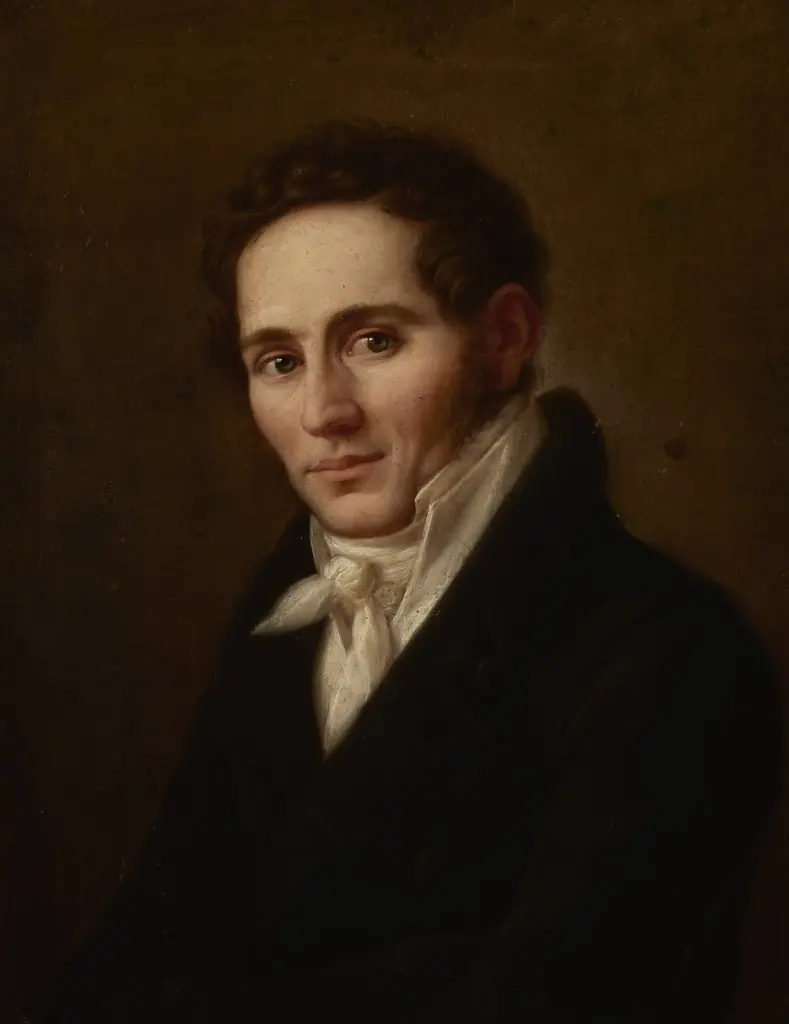 Portrait of Józef Sedelmajer
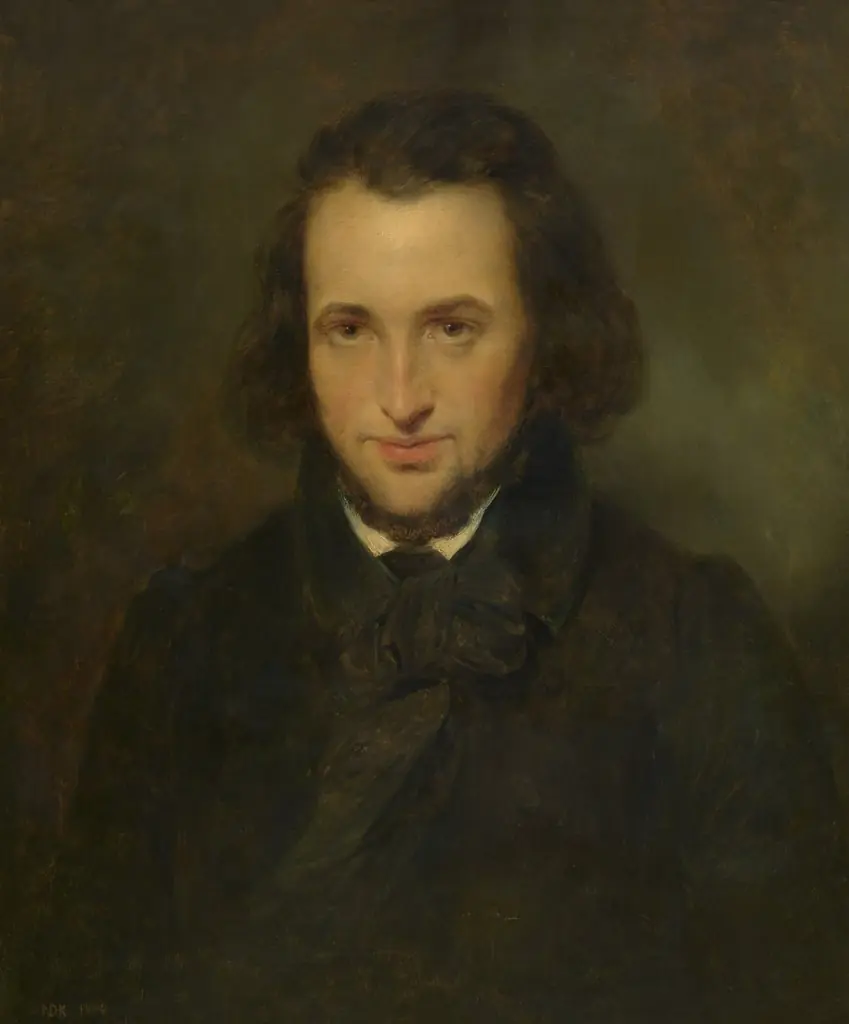 The Printer-Publisher Jozef-Ernest Buschmann
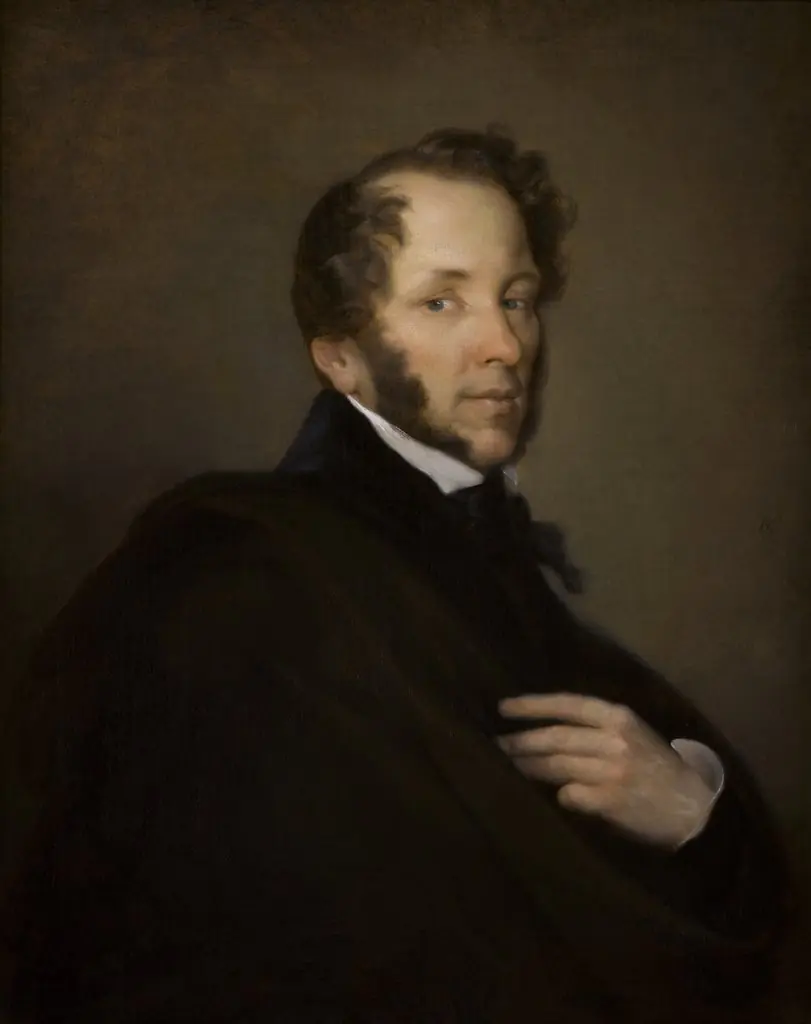 Portrait of Antoni Wentzel
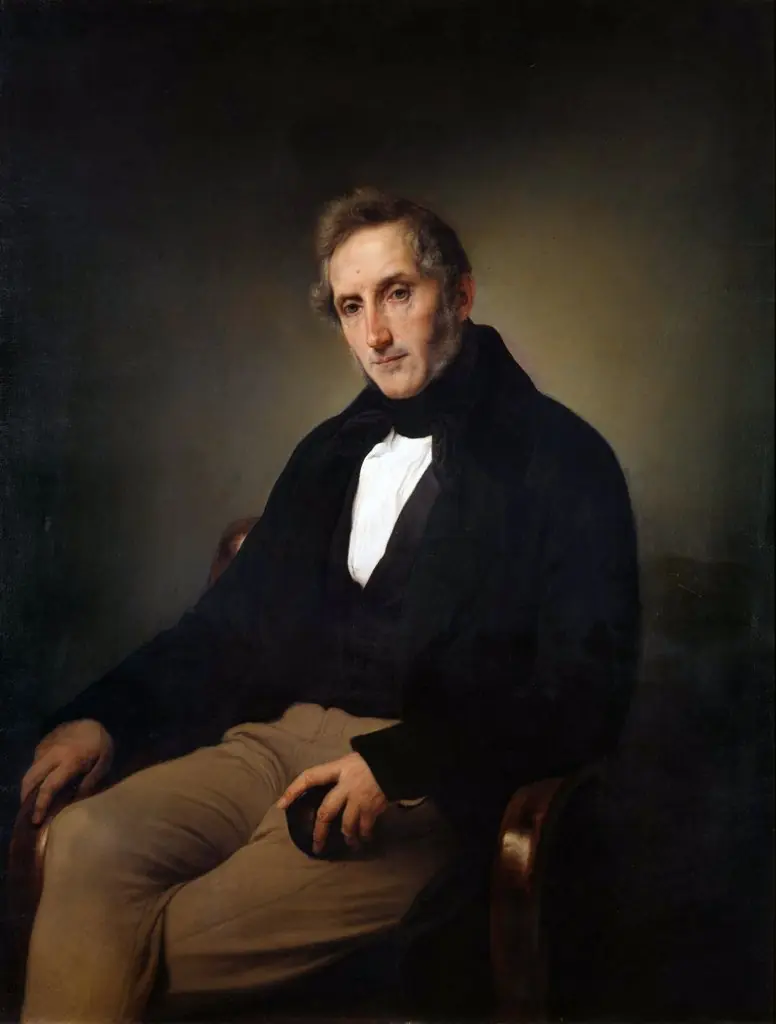 Portrait of Alessandro Manzoni
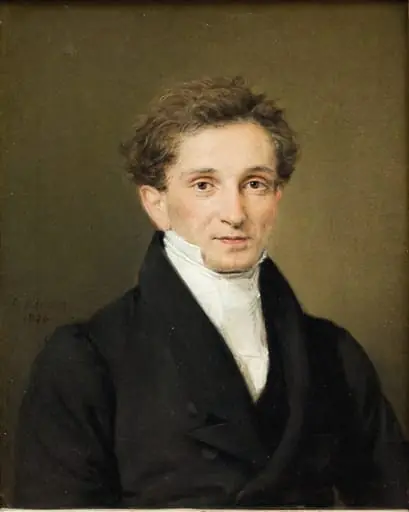 Portrait of Johannes Søbøtker Hohlenberg
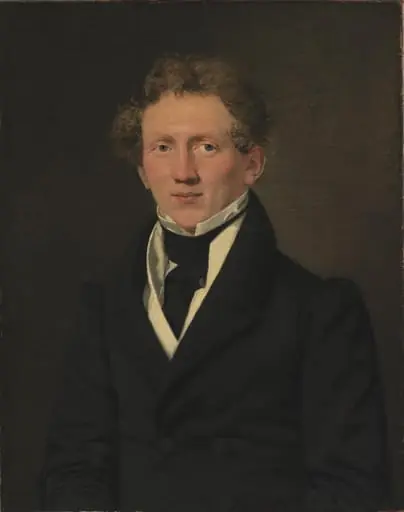 The Paymaster Theodor Emil Ludvigsen
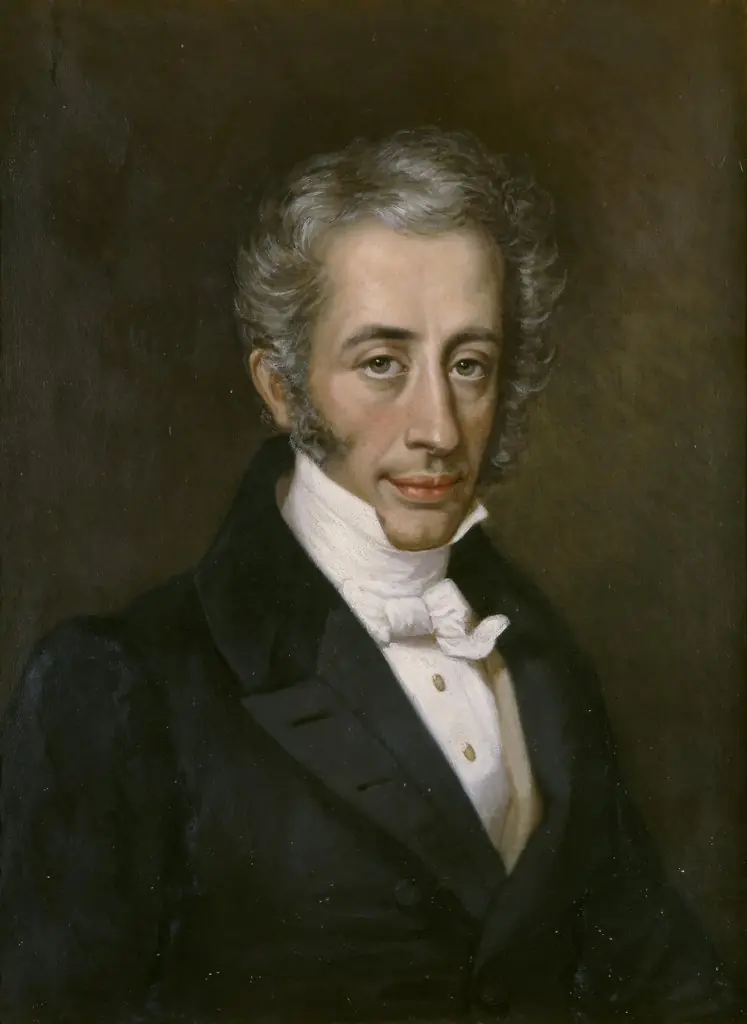 Francisco Martínez de la Rosa (copia)
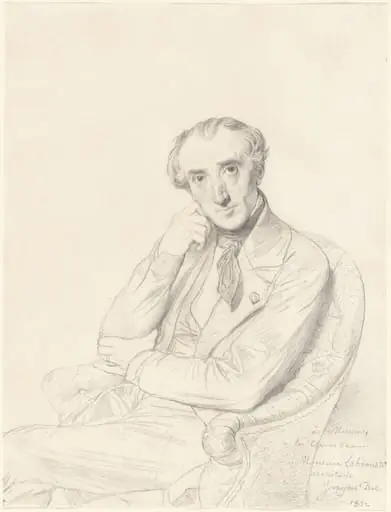 Henri Labrouste
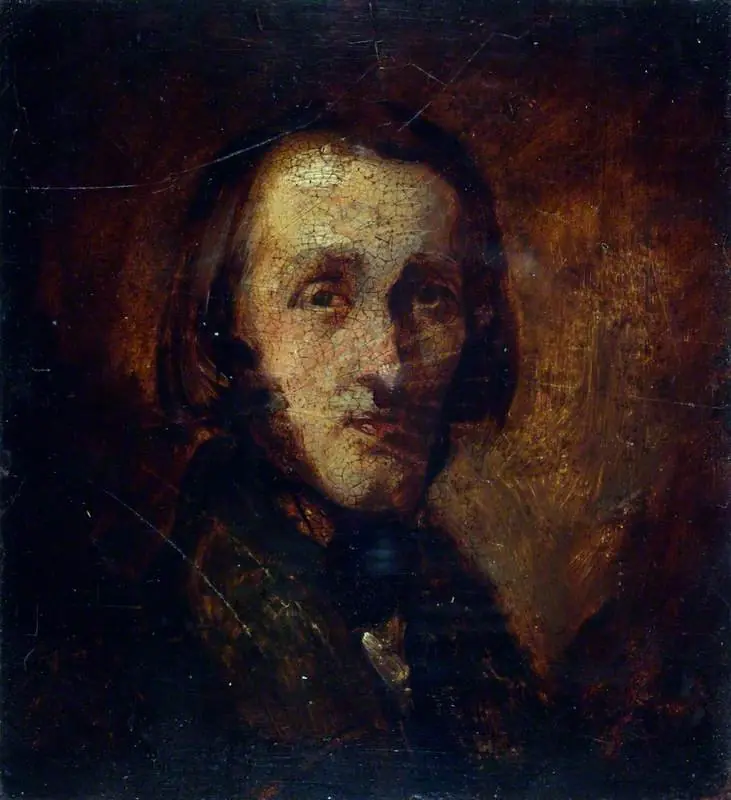 Portrait of a Man
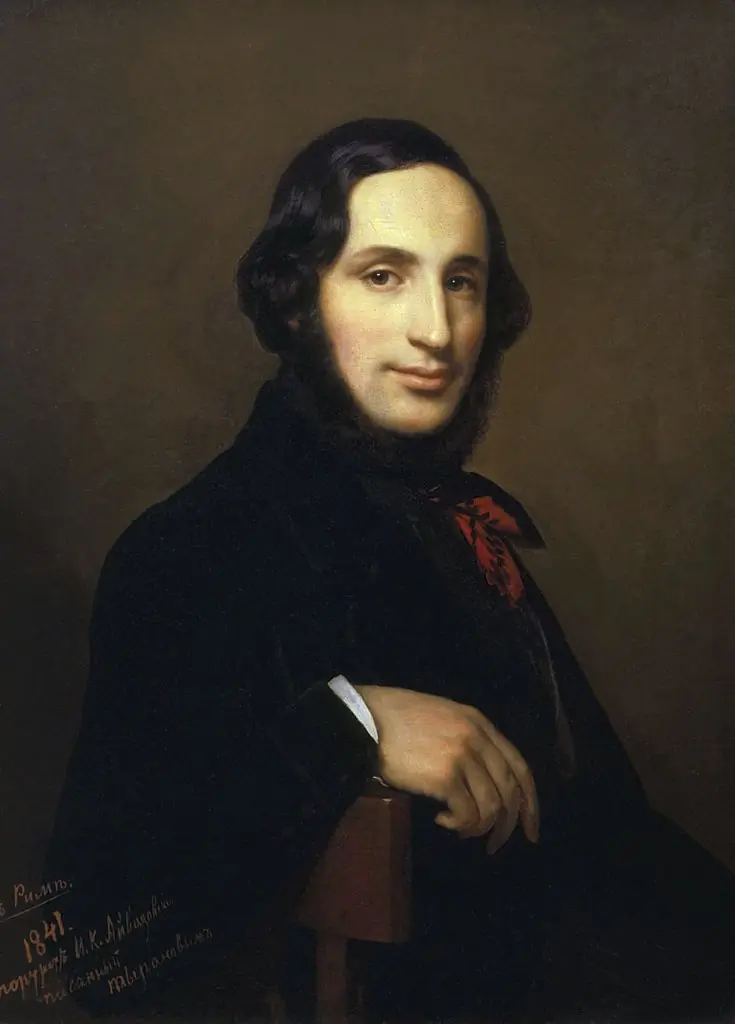 The portrait of Ivan Aivazovsky
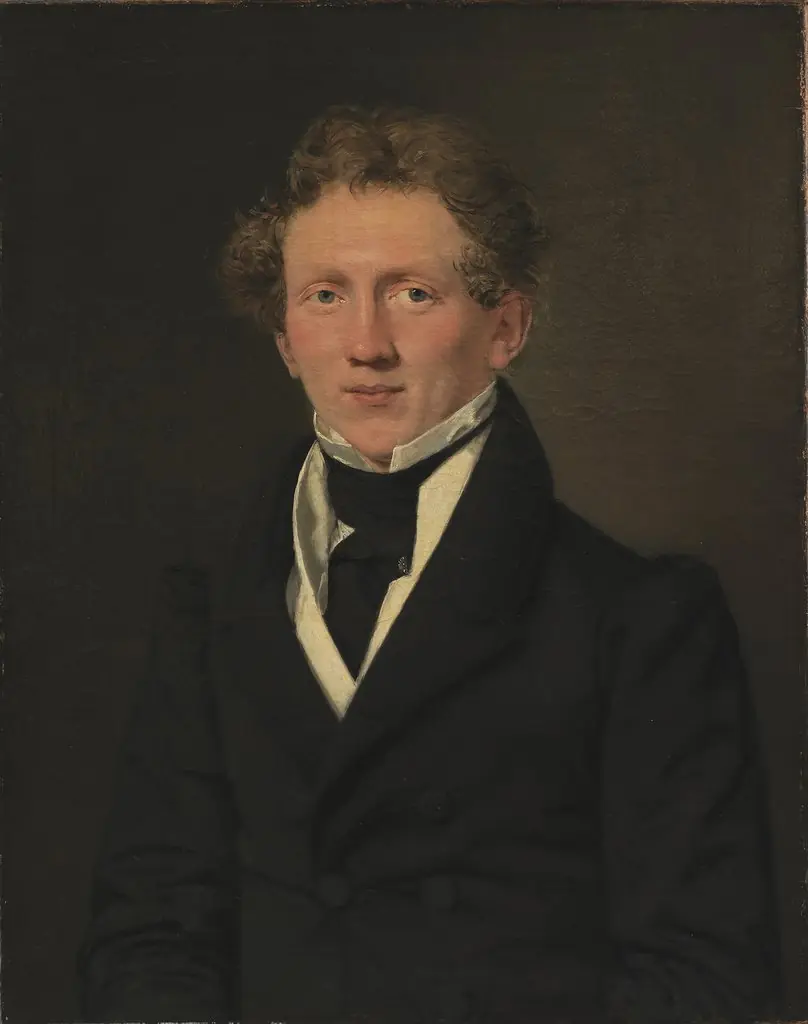 Skibsintendant Theodor Emil Ludvigsen
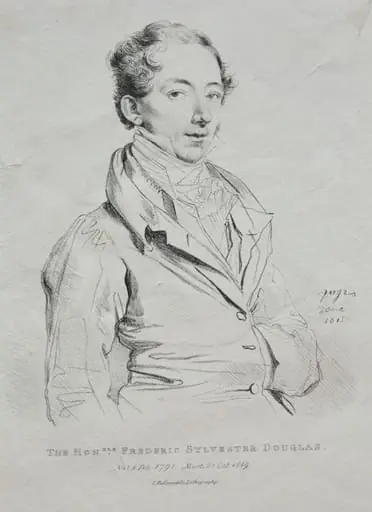 Honorable Frederic Sylvester Douglas