Artwork
Study of a Lady with a Lute's Robe. Study to the Painting "Upbringing of Sigismund Augustus"
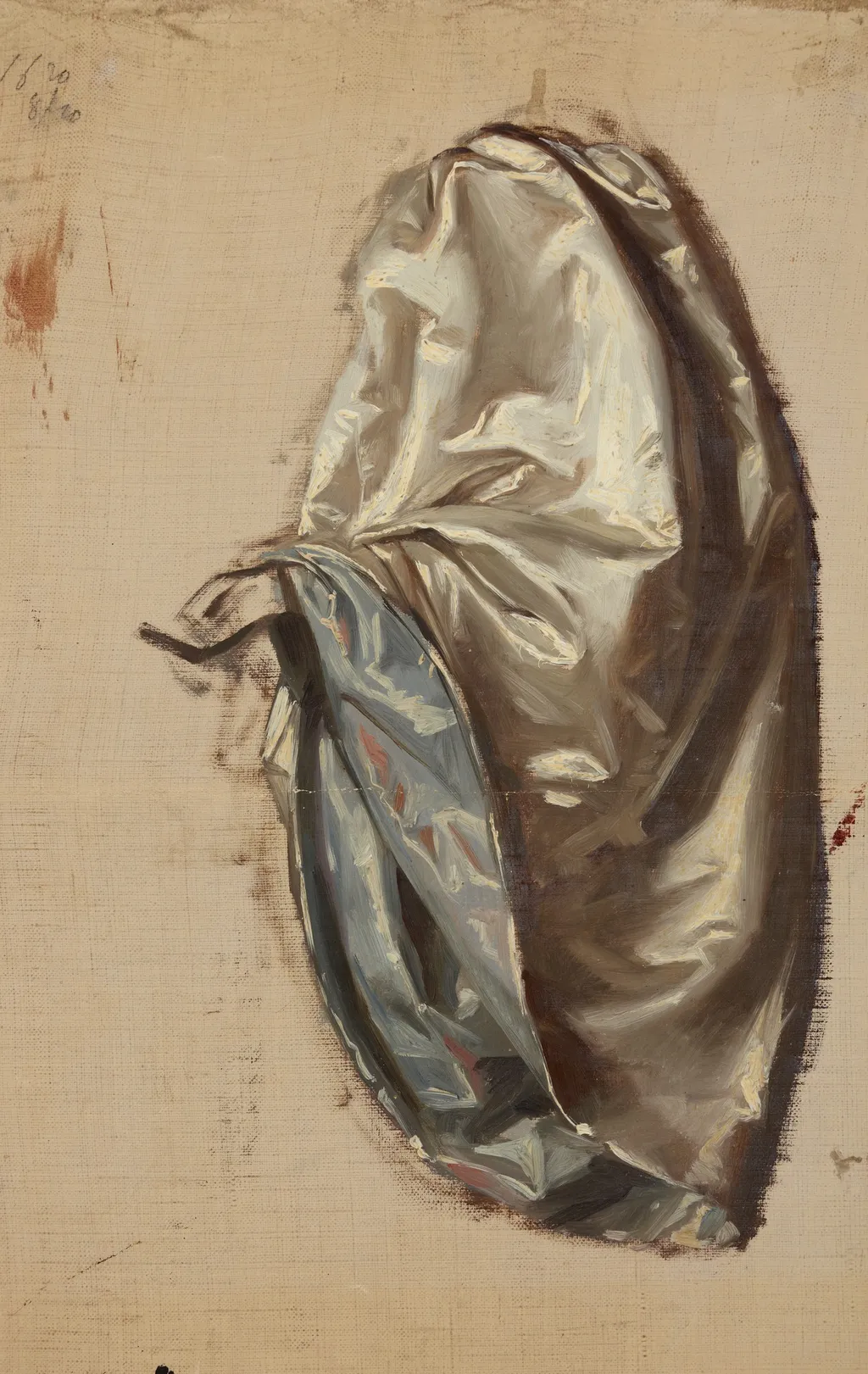
Study of a Lady with a Lute's Robe. Study to the Painting "Upbringing of Sigismund Augustus" is an oil painting by Józef Simmler. It dates from 1855 and is held in the collection of the National Museum in Kraków.
About this work
Overview
It focuses exclusively on the texture and form of a draped garment, detached from its full context.
Created around 1855 by Polish artist Józef Simmler, this oil study was made as a preparatory work for his larger historical painting, *Upbringing of Sigismund Augustus*. It focuses exclusively on the texture and form of a draped garment, detached from its full context. The piece is held in the National Museum in Kraków and exemplifies Simmler’s methodical approach to capturing material detail before executing a complex composition.
Subject & Meaning
The subject is a fragment of fabric—likely a robe from a noblewoman’s attire—rendered without a figure. Its crumpled state suggests recent movement or abandonment, evoking a quiet moment of transition. Though not a portrait, the robe implies the presence of a person, anchoring the study in the social and ceremonial world of the Polish-Lithuanian nobility that Simmler sought to reconstruct in his historical works.
Technique & Style
Simmler employed loose, energetic brushwork to convey the sheen and weight of silk or satin, using subtle shifts in tone to suggest light falling across folded surfaces. Chiaroscuro is applied with restraint, enhancing volume without theatricality. The background, softly modeled in tan and muted browns, isolates the fabric and directs attention to its physicality, reflecting a focus on material truth over narrative.
History & Provenance
The study was produced during Simmler’s early career as he prepared for a major commission depicting the childhood of King Sigismund Augustus. It remained in the artist’s possession until entering the National Museum in Kraków’s collection, where it has been preserved as part of the documentation of his creative process. Its survival offers insight into 19th-century Polish academic painting practices.
Context
In mid-19th-century Poland, historical painting was a vehicle for cultural identity amid foreign partitions. Simmler, trained in Warsaw and Munich, aligned with the academic tradition of meticulous preparation. This study reflects a broader trend among Polish artists to reconstruct national history through attention to authentic detail—textiles, interiors, and costume—as symbols of lost sovereignty.
Legacy
Though overshadowed by the finished painting, this study is valued for its technical clarity and emotional restraint. It reveals Simmler’s commitment to observing reality before idealizing it. Today, it serves as a reference for understanding how historical narratives were built from intimate, material observations, influencing later generations of Polish realist painters.
Own this work as a print
Artist & collection
Artist
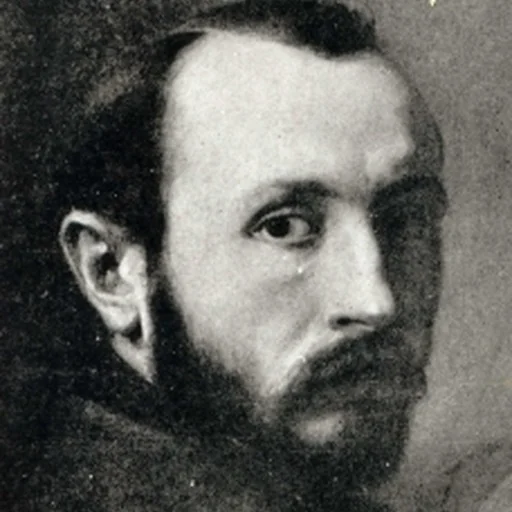
Józef Simmler (March 14, 1823, in Warsaw – March 1, 1868, in Warsaw) was a Polish painter known for his classical style and his Polish subjects.

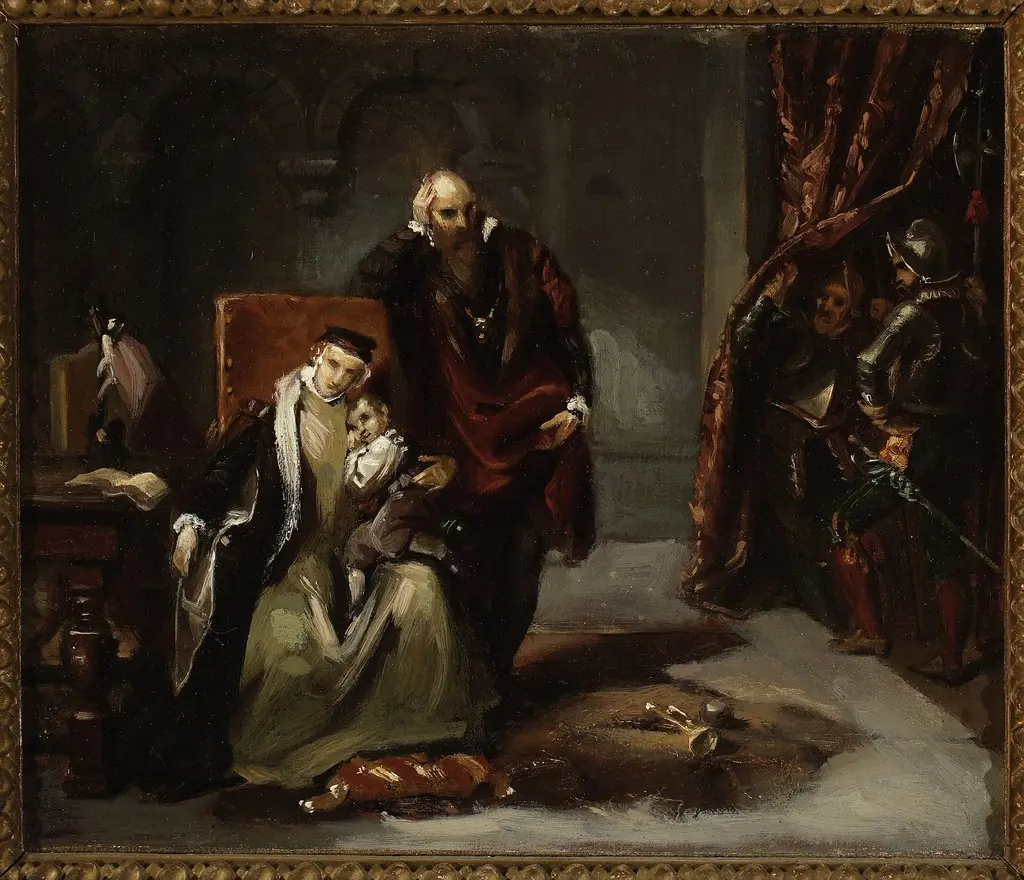 Catherine Jagiellon with her son Sigismund imprisoned in the Gripshom Castle (sketch)
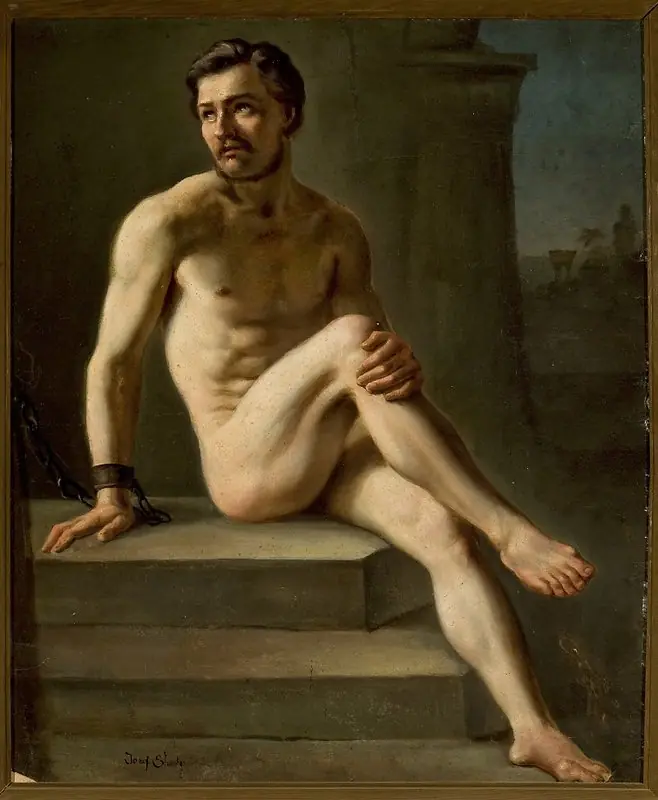 Male nude study
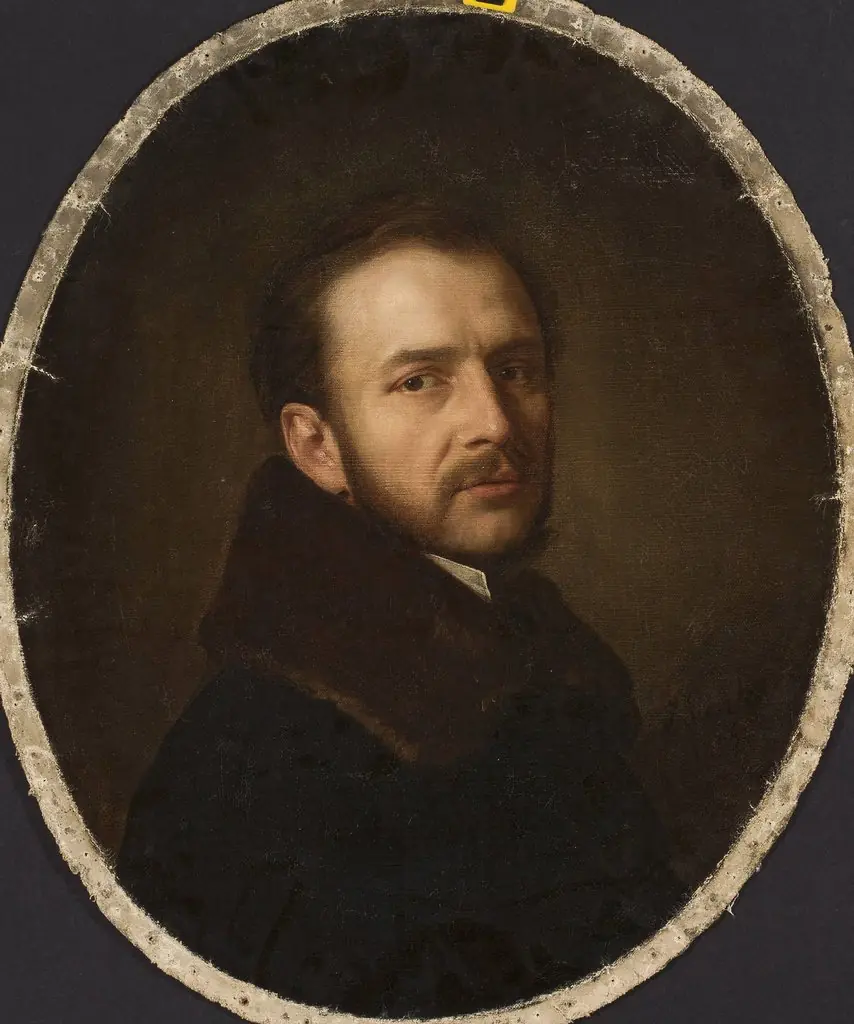 Portrait of a man
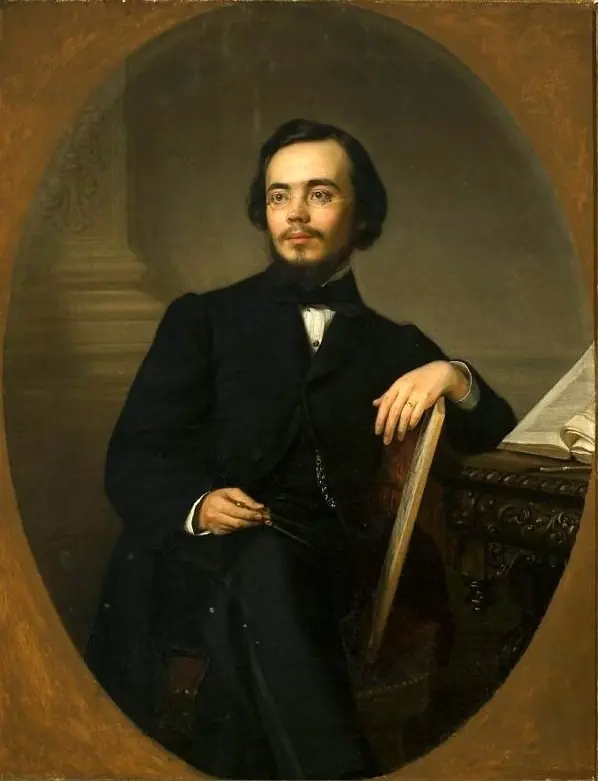 Portrait of Aleksander Waszkowski, member of the National Government in 1863
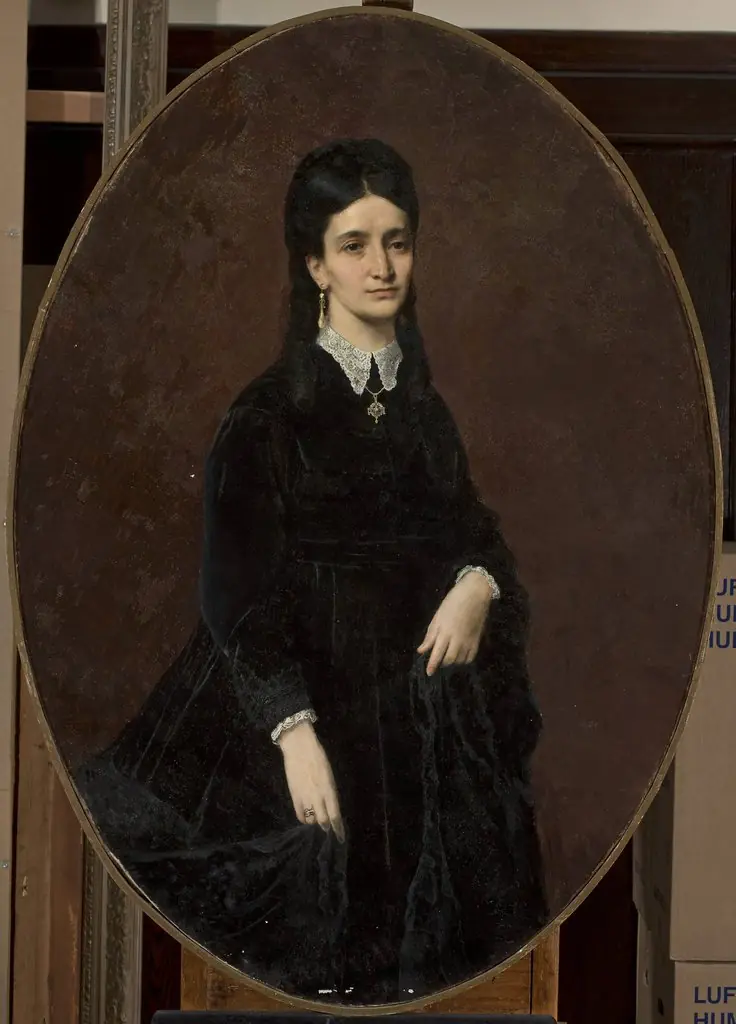 Portrait of a lady
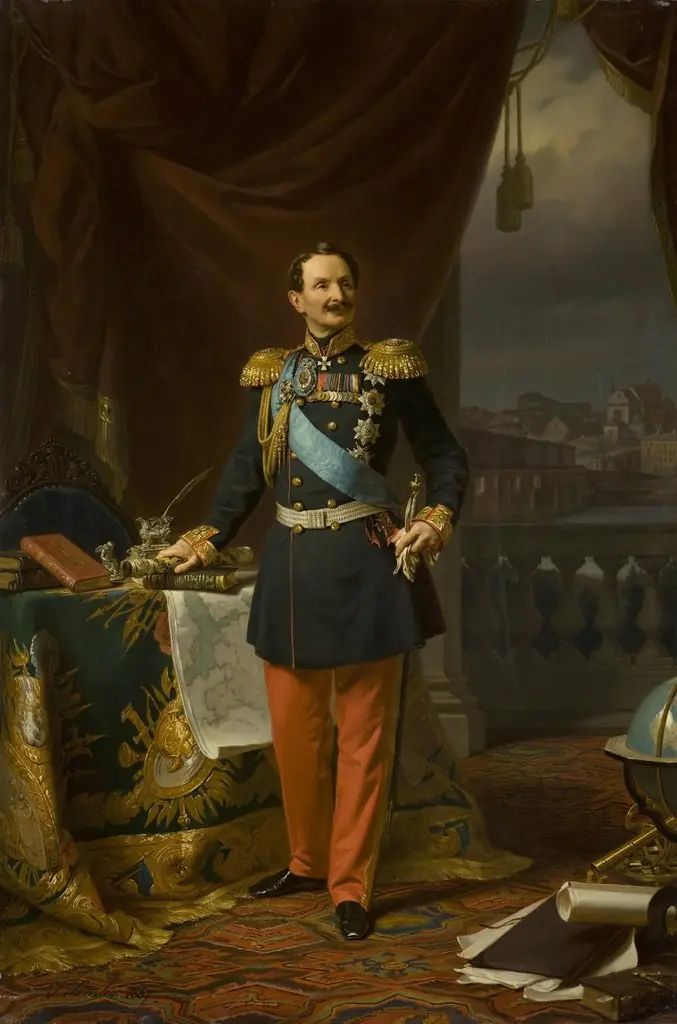 Portrait of Field-Marshal Count Fiodor (Friedrich Wilhelm) Berg
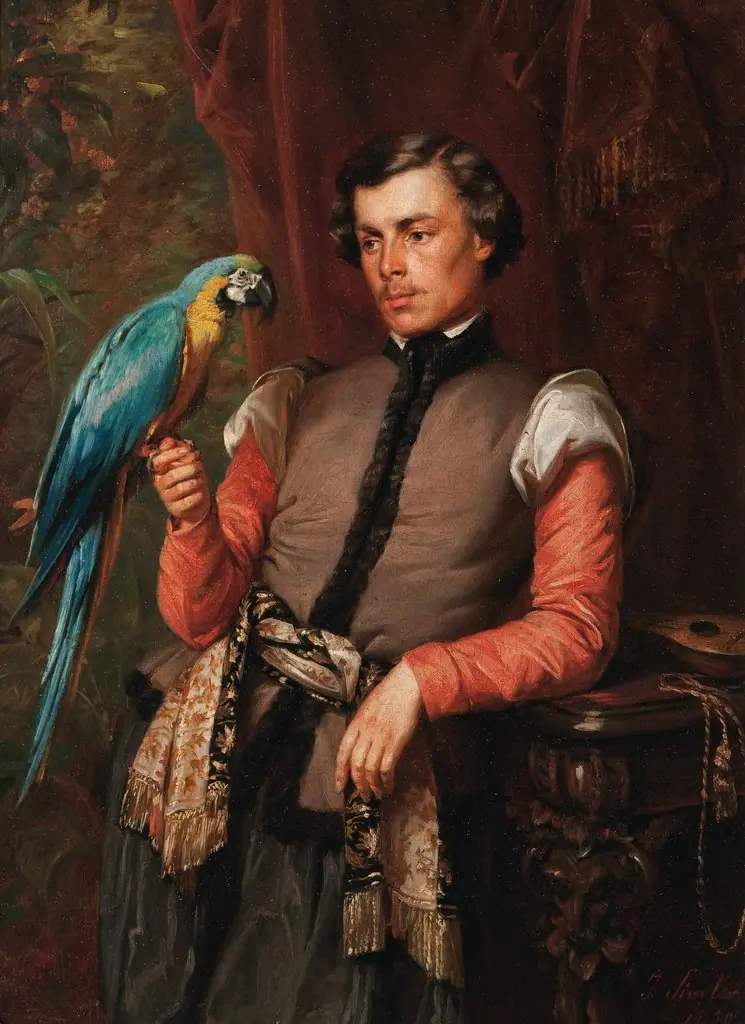 Nobleman with a Parrot
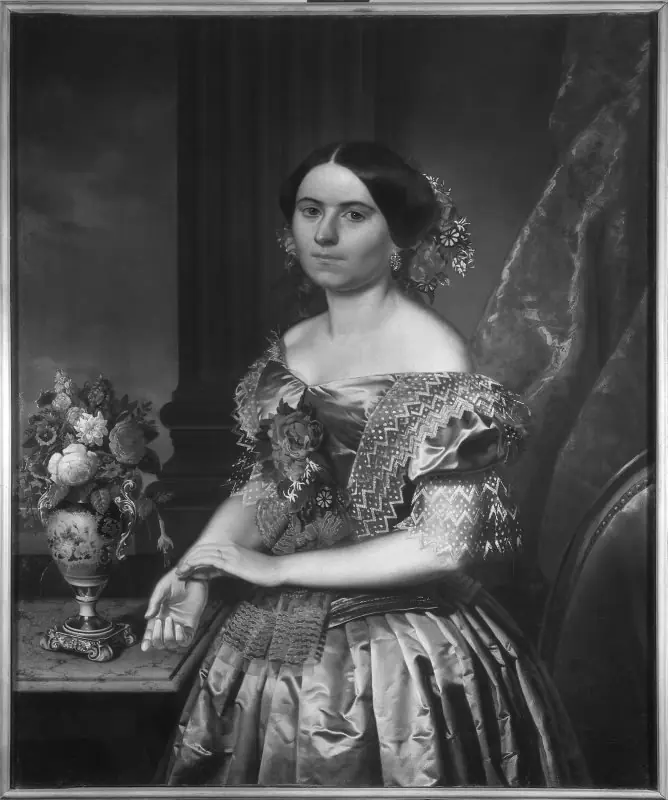 Portrait of Mrs. Skwarcowa
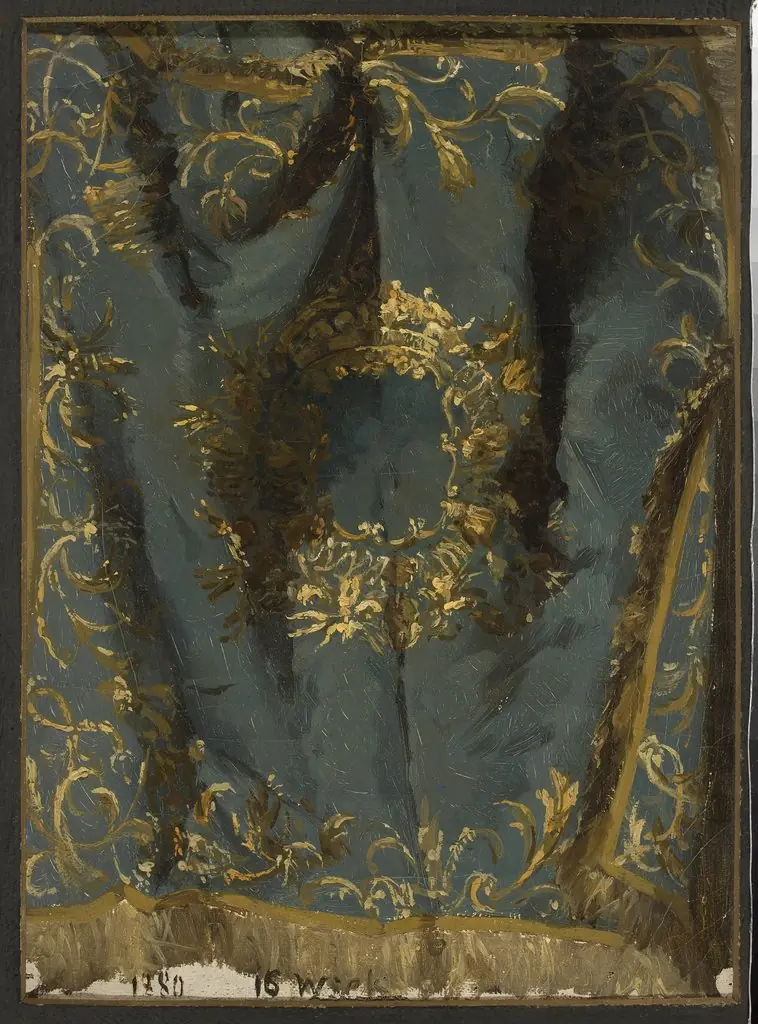 Study of a fabric from the 16th century
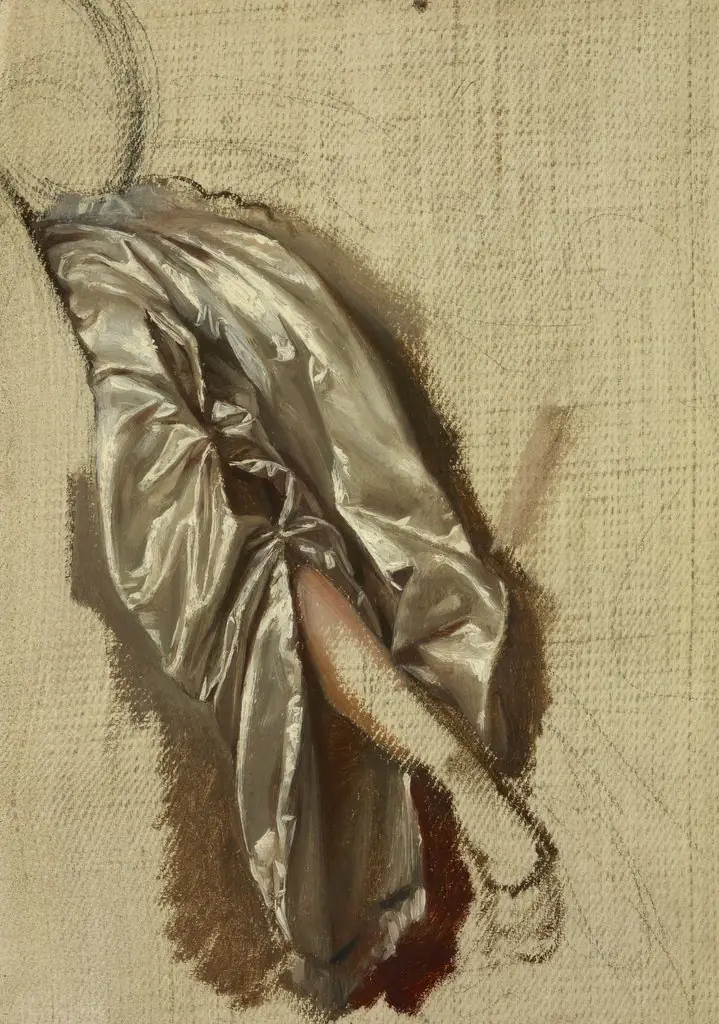 Study of Quinn Barbara's Arm to the Painting "The Death of Barbara Radziwiłł"
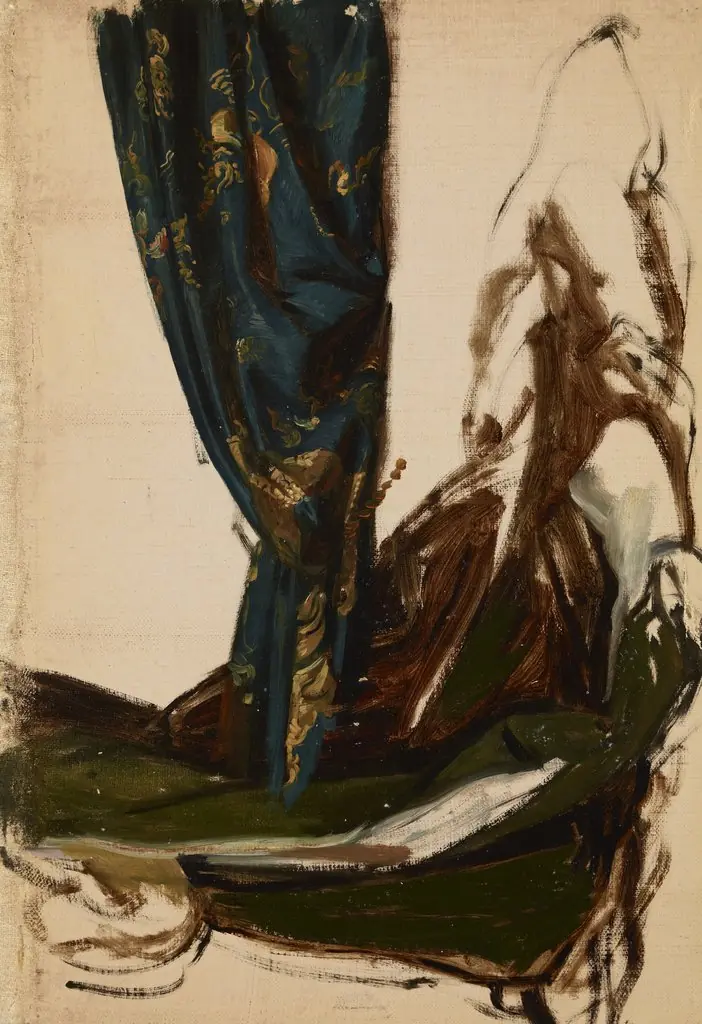 Quinn's Attire and a Drapery. Studies to the Painting "The Oath of Queen Jadwiga"
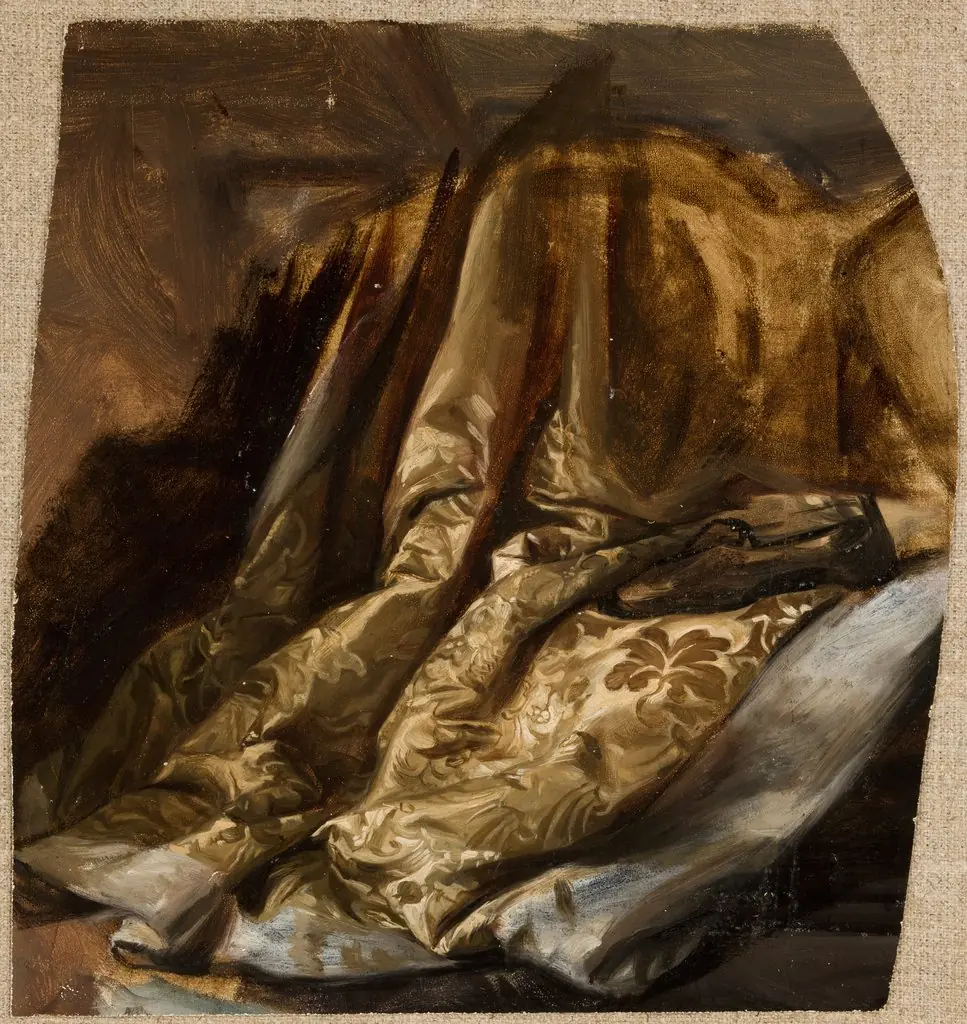 Fragment of the Cover of Quinn's Bed. Study to the Painting "The Death of Barbara Radziwiłł"
 Ariadne
 Study of a Standing Woman
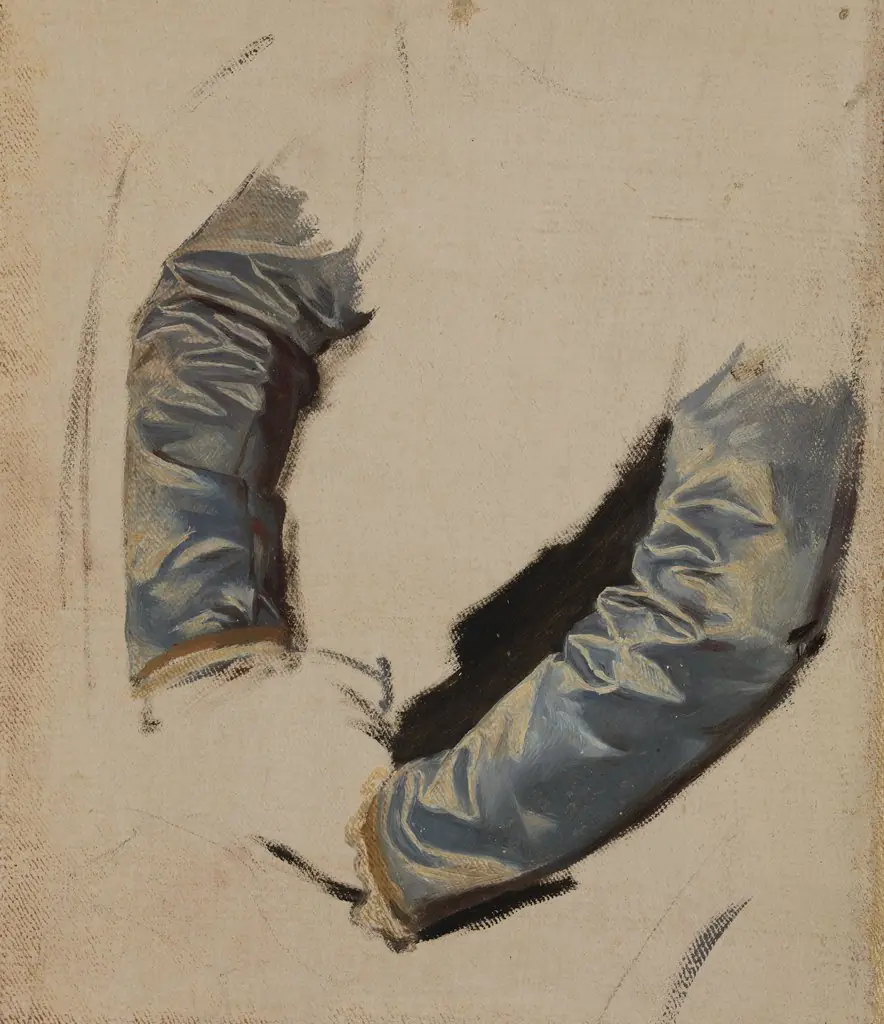 Sleeves of King's Attire. Study to the Painting "The Death of Barbara Radziwiłł"
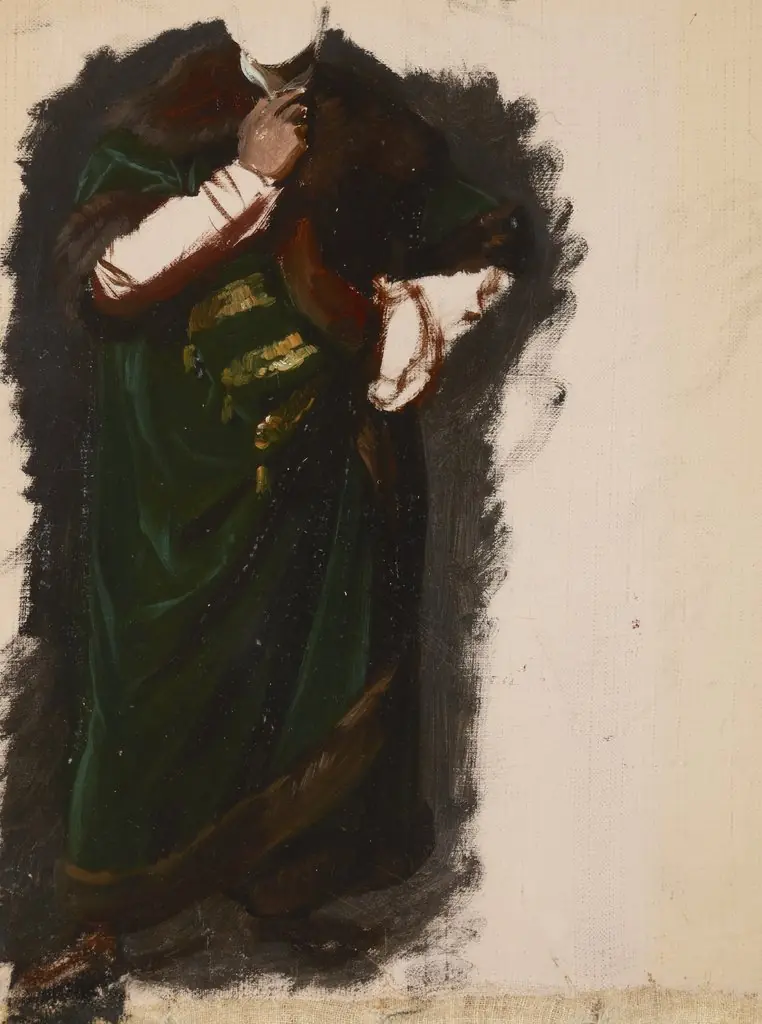 Study of Władysław Jagiełło's Garment to the Painting "The Oath of Queen Jadwiga"
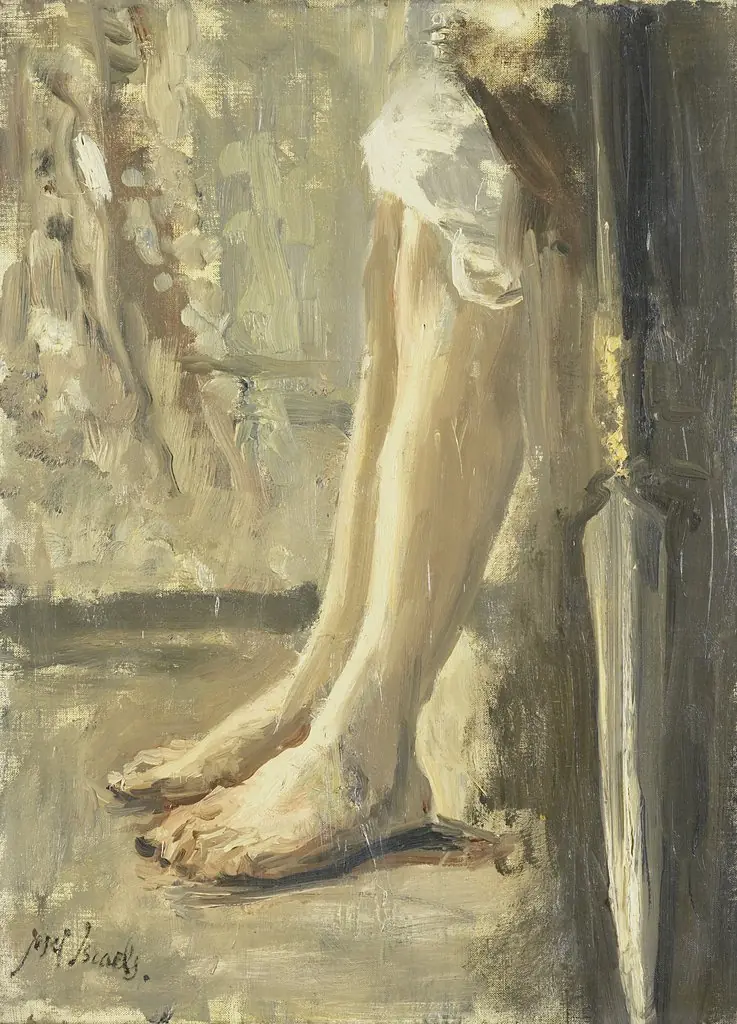 David's Legs
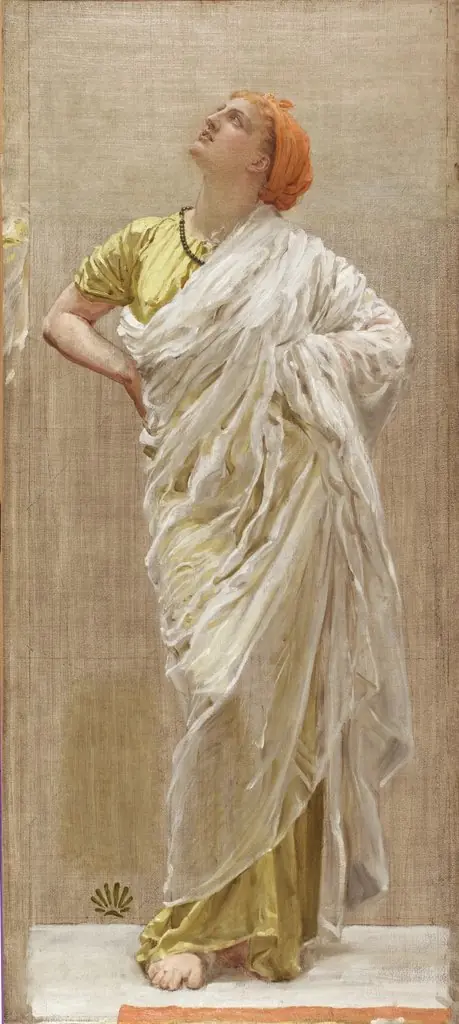 Study for Birds
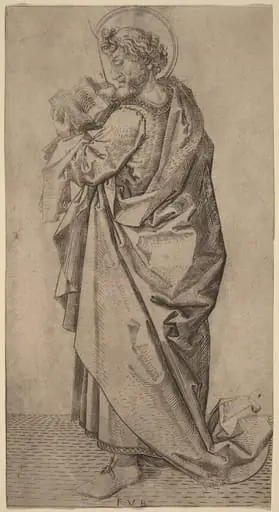 Saint Bartholomew
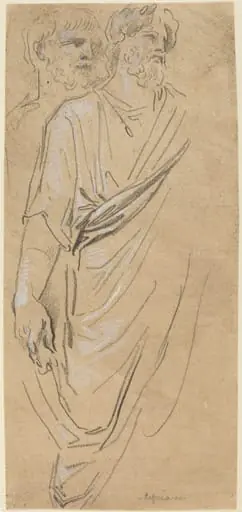 Studies of a Classical Figure