Artwork
Studies of a Classical Figure
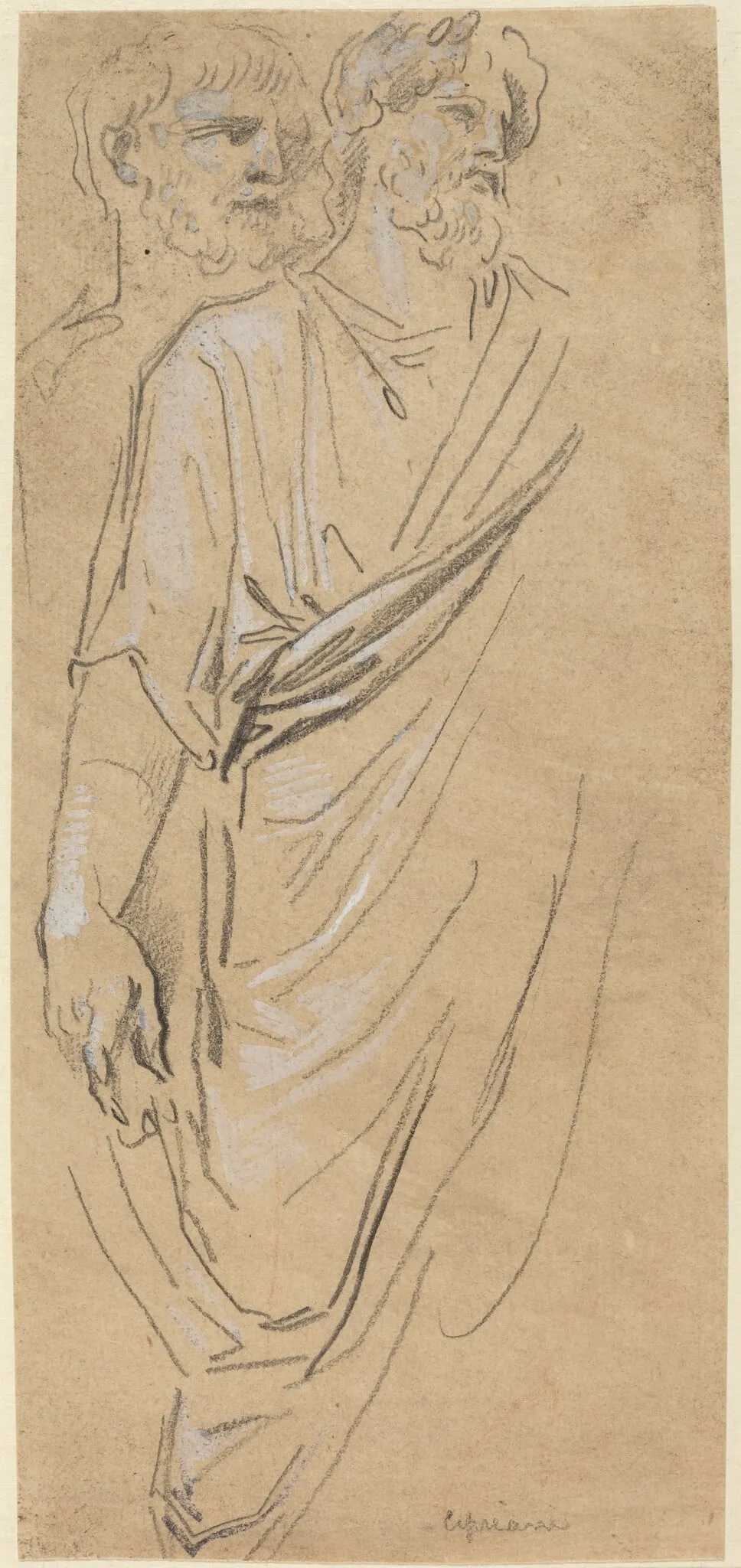
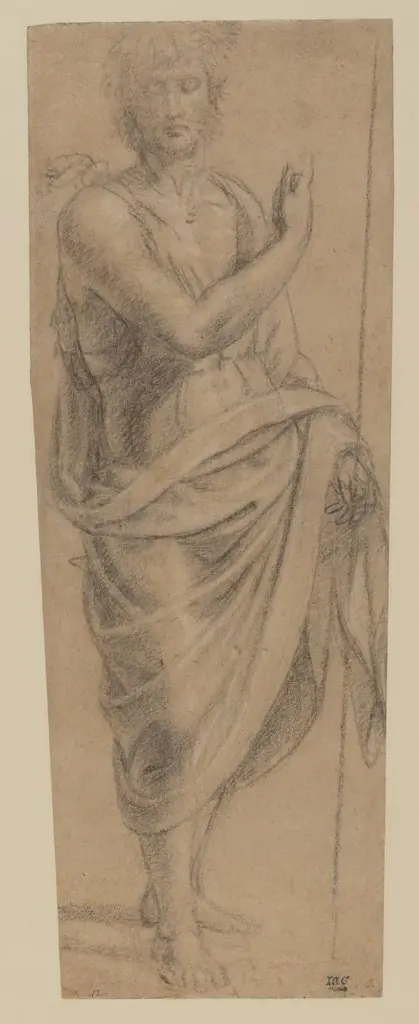
Studies of a Classical Figure is a chalk drawing by the Baroque artist Giovanni Battista Cipriani. It dates from 1756 and is held in the collection of the National Gallery of Art.
About this work
Overview
Created in 1756, this drawing by Giovanni Battista Cipriani is a study of a classical male figure rendered in black chalk with white highlights on light brown prepared paper. Cipriani, an Italian artist who moved to England in 1755, produced this work shortly after his arrival, reflecting his academic training and the enduring influence of classical antiquity in European artistic practice.
Subject & Meaning
Its pose and musculature suggest a heroic or mythological archetype, consistent with 18th-century interests in classical antiquity.
The figure is idealized, drawing from ancient sculptural models rather than a live model. Its pose and musculature suggest a heroic or mythological archetype, consistent with 18th-century interests in classical antiquity. The study serves as a preparatory exercise, not a finished composition, indicating Cipriani’s focus on form, proportion, and anatomical accuracy as foundational to his artistic practice.
Technique & Style
Cipriani employed black chalk for broad tonal modeling and white chalk to accentuate highlights, creating contrast against the warm brown paper. The technique enhances volume and texture while maintaining a restrained, linear clarity. His handling shows precision and sensitivity to light, reflecting both Italian draftsmanship traditions and the refined aesthetic favored in London’s artistic circles.
History & Provenance
The drawing was made during Cipriani’s early years in England, a period when he was establishing his reputation through figure studies and designs for prints. He frequently collaborated with Francesco Bartolozzi, who translated such drawings into engravings. This work likely served as a basis for later reproductive prints, though its exact provenance before modern collections remains undocumented.
Context
In mid-18th-century London, classical themes were central to academic art and decorative projects, especially for institutions like the Royal Academy, which Cipriani helped found. His drawings responded to a broader cultural revival of antiquity, aligning with the tastes of patrons interested in neoclassical ideals, even as he retained the technical discipline of his Italian education.
Legacy
Though Cipriani is less widely known today, his figure studies exemplify the transnational exchange of artistic methods between Italy and Britain. His work contributed to the dissemination of classical figure drawing in England and influenced the training of younger artists, bridging continental academic traditions with emerging British artistic institutions.
Artist & collection
Artist
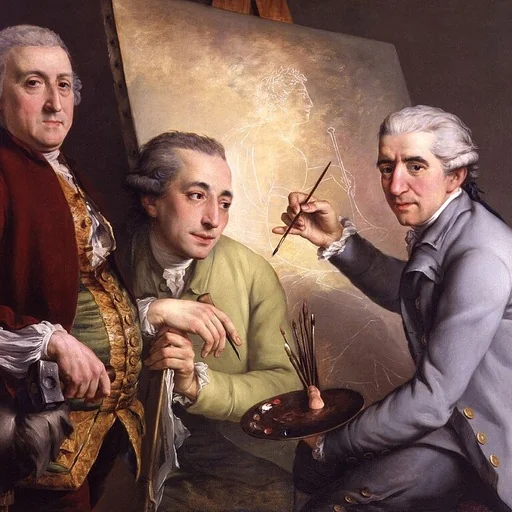
Giovanni Battista Cipriani (1727 – 14 December 1785) was an Italian painter and engraver, who lived in England from 1755.

![Reclining Woman [verso], by Giovanni Battista Cipriani](https://artifactworldgallery.com/img/giovanni-battista-cipriani--reclining-woman-verso--00754221290578f9-w320.webp)
![A Turk [recto], by Giovanni Battista Cipriani](https://artifactworldgallery.com/img/giovanni-battista-cipriani--a-turk-recto--12cde5f9bac9a966-w320.webp)
![Mythological Composition with Chronos and Harpies [recto], by Giovanni Battista Cipriani](https://artifactworldgallery.com/img/giovanni-battista-cipriani--mythological-composition-with-chronos-and-harpies-recto--23e4197a1ba0ae7e-w320.webp)
![Figure Studies [recto], by Giovanni Battista Cipriani](https://artifactworldgallery.com/img/giovanni-battista-cipriani--figure-studies-recto--32b47b1a71716a78-w320.webp)
 Saint John the Baptist
 Study of a Standing Woman
![A Venetian Procurator of San Marco [recto], by Pietro Longhi](https://artifactworldgallery.com/img/pietro-longhi--a-venetian-procurator-of-san-marco-recto--2c48af9001688196-w320.webp) A Venetian Procurator of San Marco [recto]
A Venetian Procurator of San Marco [recto]![Woman in Toga [verso], by Hubert Robert](https://artifactworldgallery.com/img/hubert-robert--woman-in-toga-verso--1c4b04982206f60e-w320.webp) Woman in Toga [verso]
Woman in Toga [verso]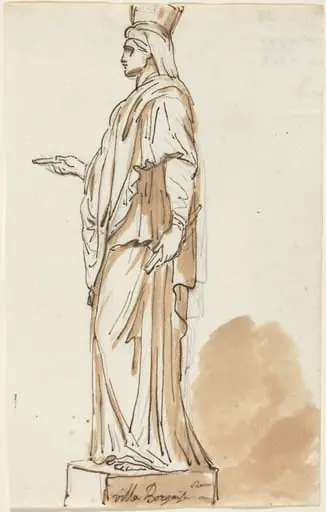 The Borghese Cybele
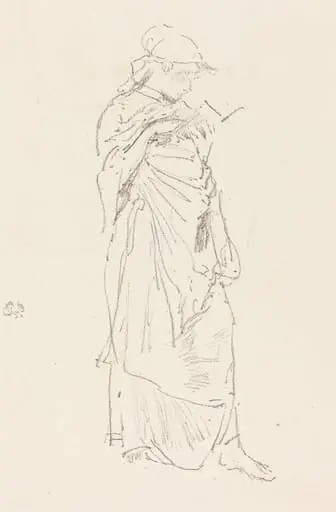 The Novel: Girl Reading
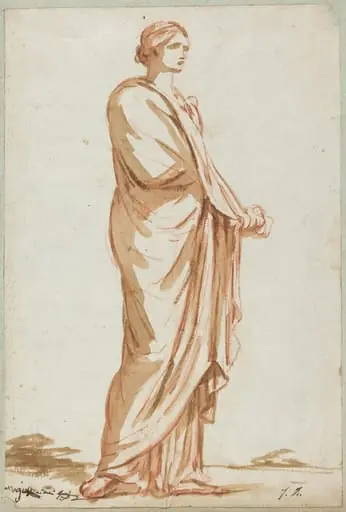 Roman Statue of a Standing Woman
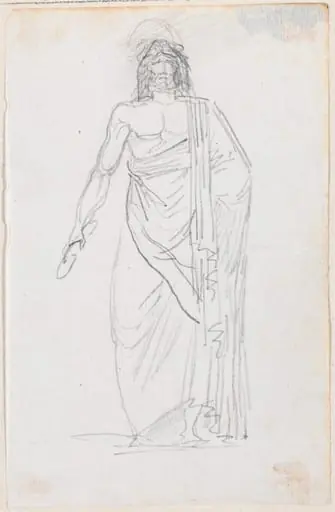 Statue of Zeus Holding a Thunderbolt
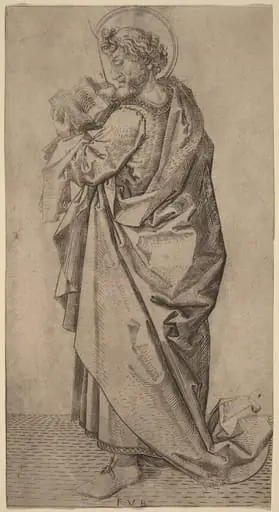 Saint Bartholomew
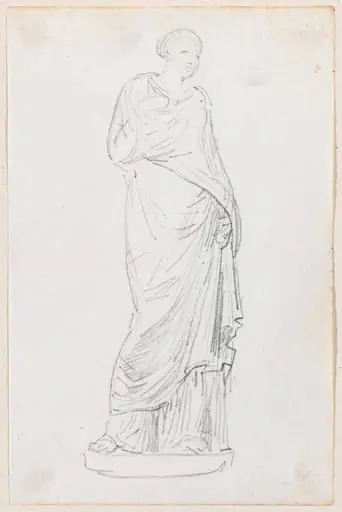 Statue of a Female in a Toga
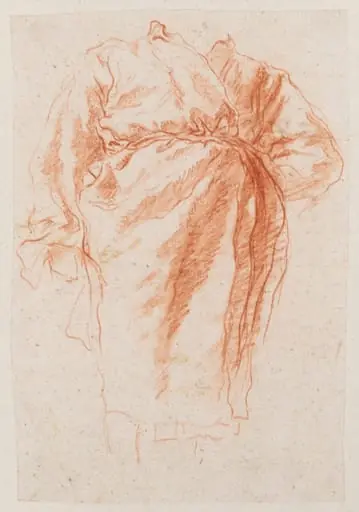 Study of a Draped Figure
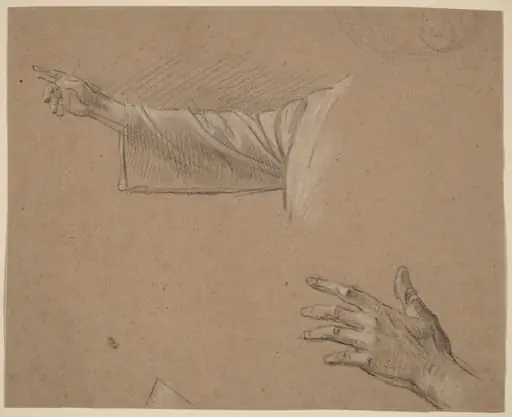 Study of a Right Arm and a Left Hand