Artwork
A Painter's Apprentice
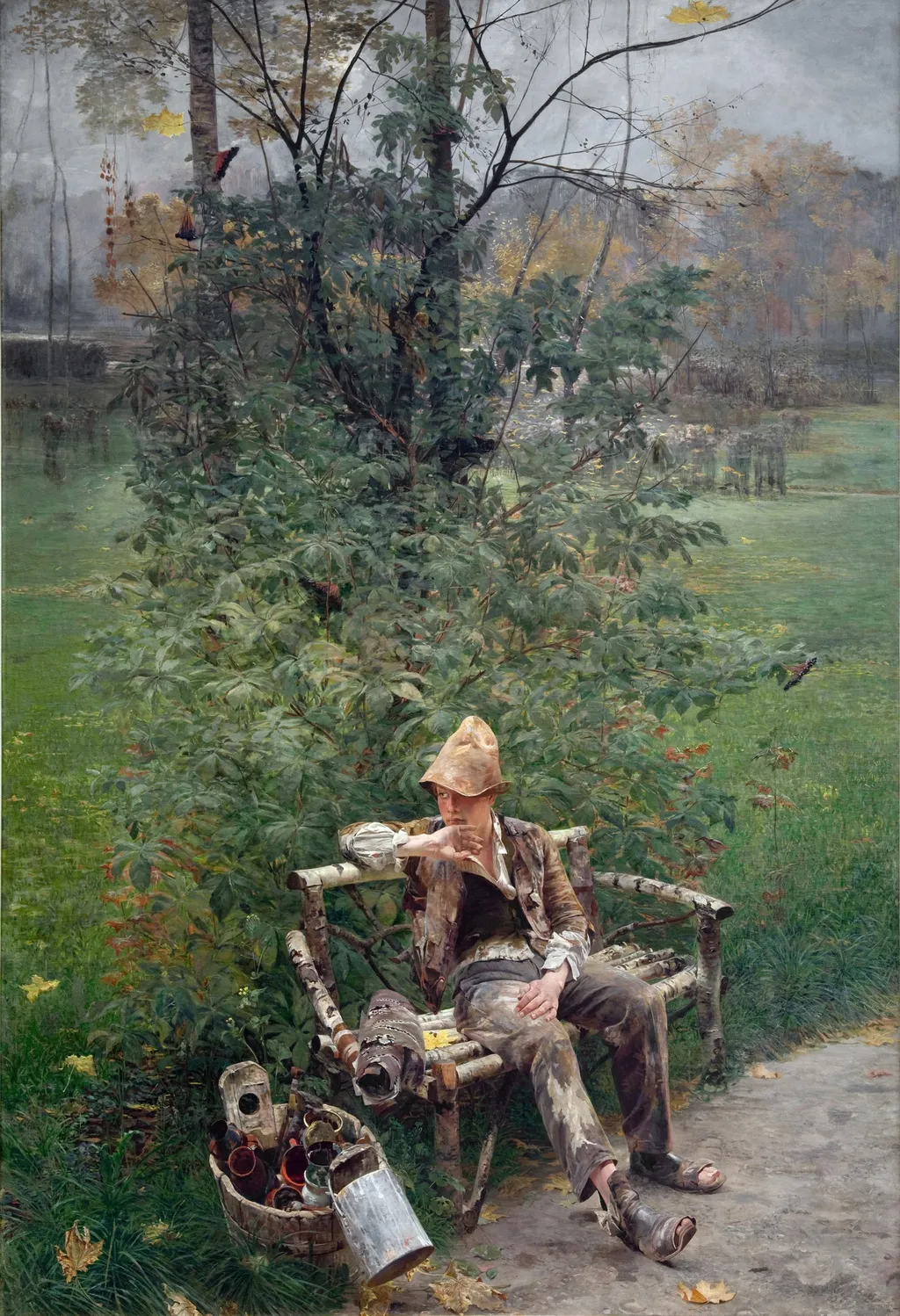
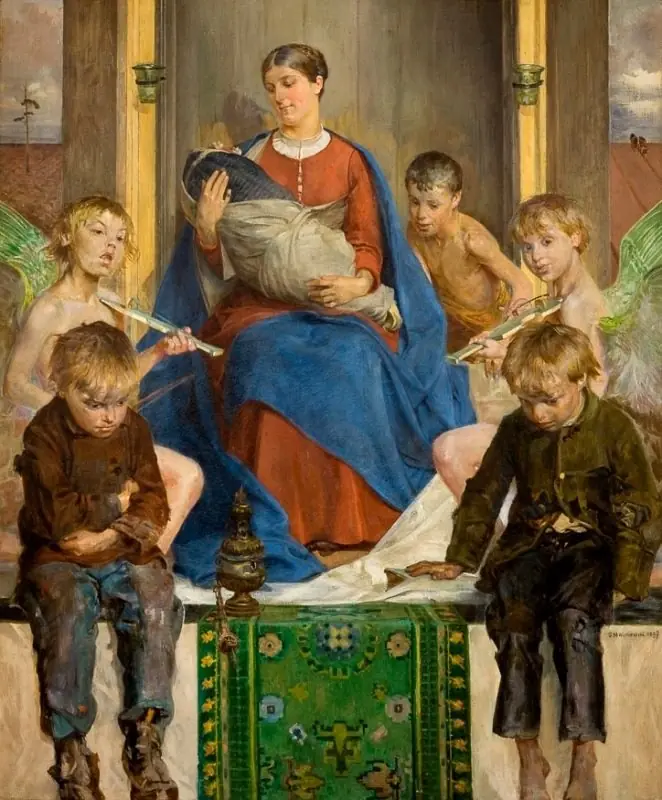
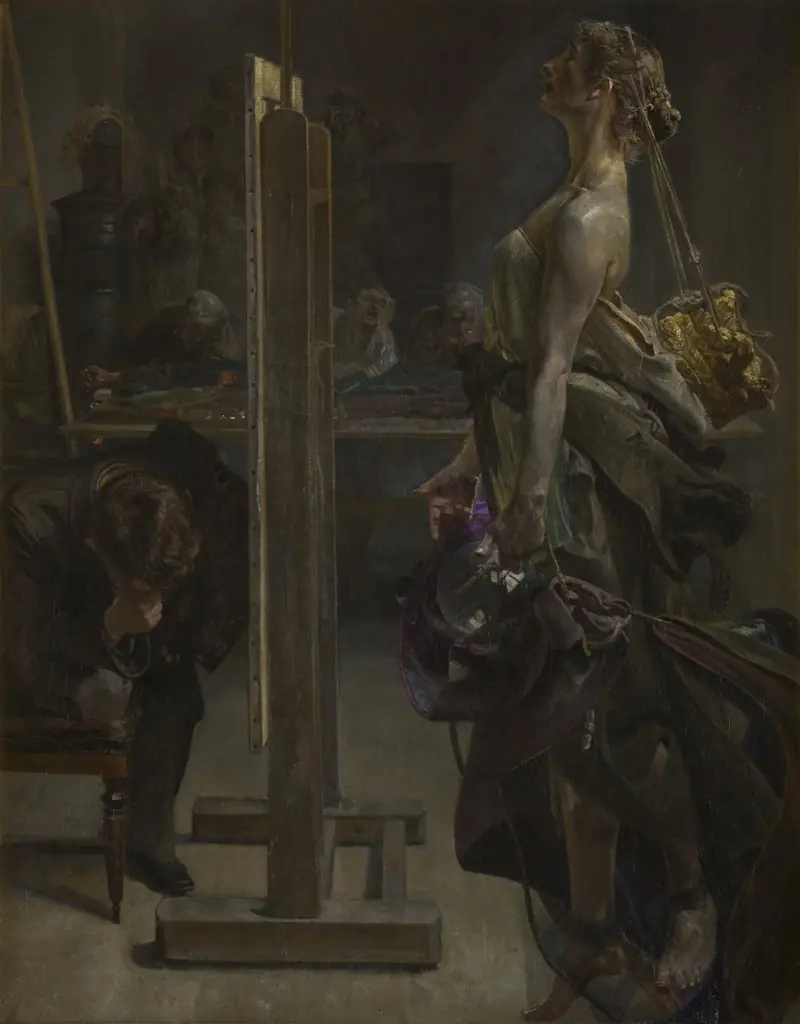
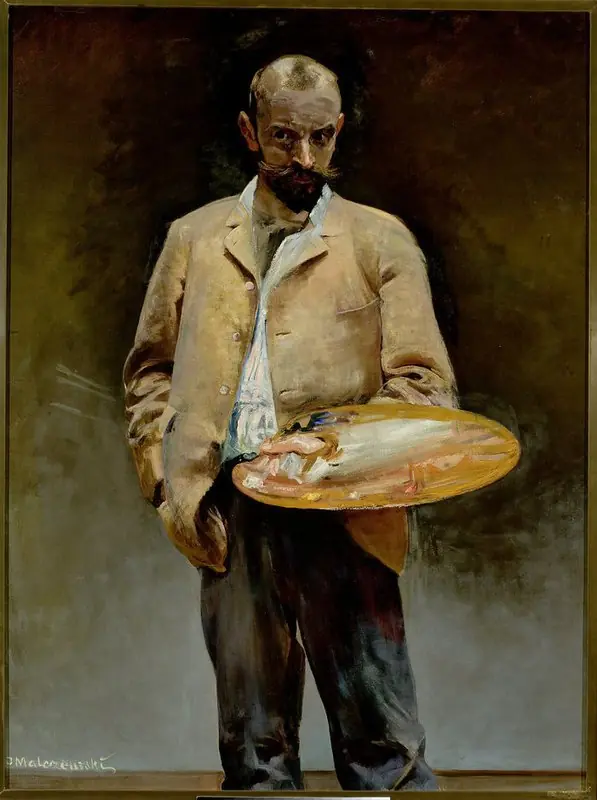
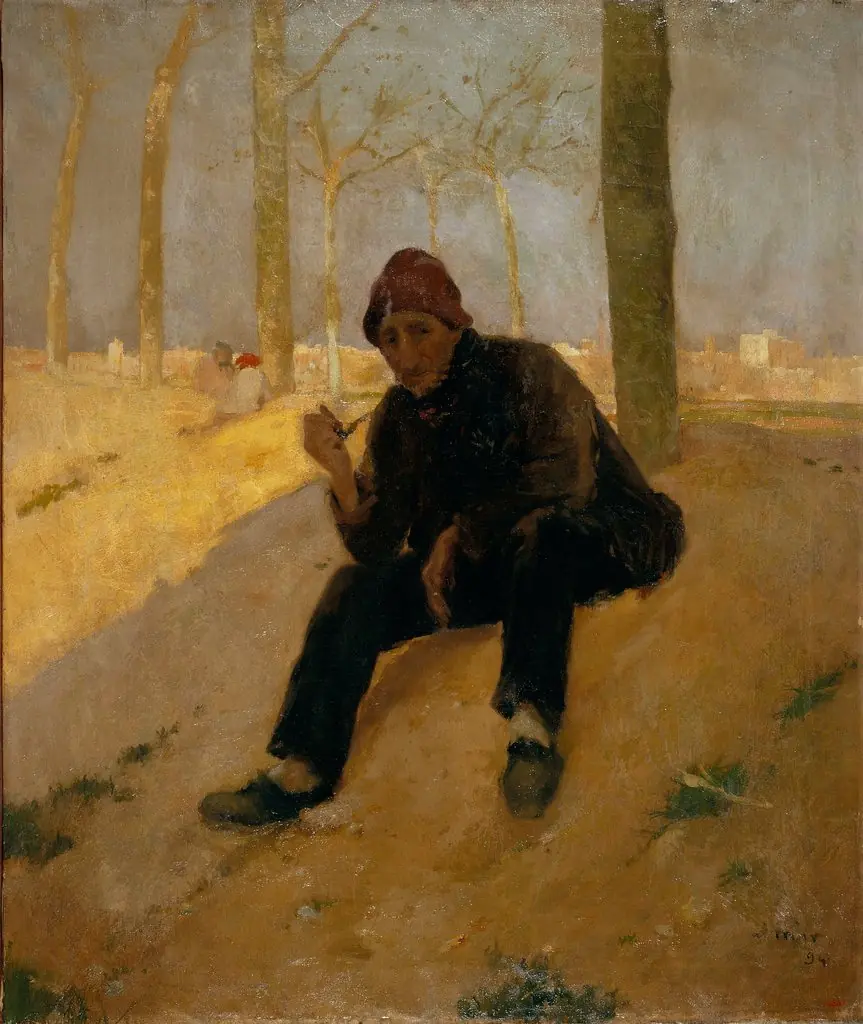
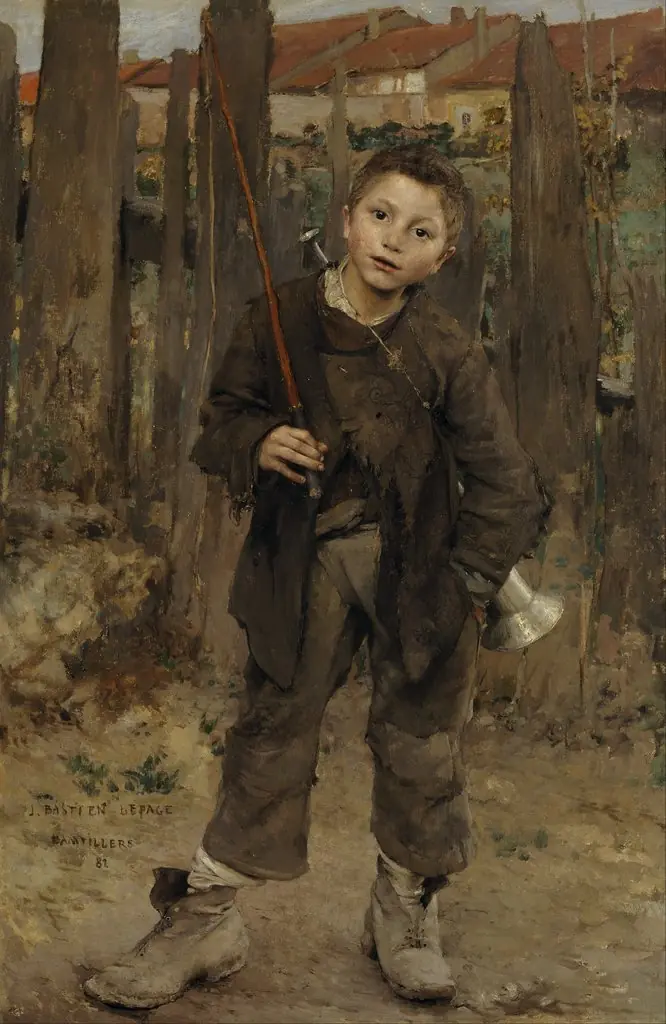
A Painter's Apprentice is an oil painting by the Post-Impressionist artist Jacek Malczewski. It dates from 1896 and is held in the collection of the National Museum in Kraków.
About this work
Overview
Painted in 1896 by Jacek Malczewski, this oil-on-canvas work portrays a young figure in a contemplative pose within a quiet outdoor setting.
Painted in 1896 by Jacek Malczewski, this oil-on-canvas work portrays a young figure in a contemplative pose within a quiet outdoor setting. Though often described as an apprentice, the scene avoids overt narrative, instead emphasizing solitude and the quiet dignity of labor. The painting belongs to the National Museum in Kraków, where it remains part of its core collection of late 19th-century Polish art.
Subject & Meaning
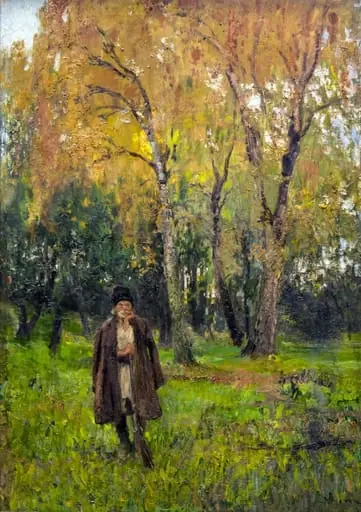
The figure, dressed in modest, weathered clothing, sits alone beside a basket of tools, suggesting a moment of pause in artistic work. No master is visibly present, shifting focus from mentorship to internal reflection. The setting—autumnal, unadorned—evokes transience and introspection. Rather than illustrating a literal apprenticeship, the image invites contemplation on the solitary nature of creative practice.
Technique & Style
Malczewski employs a restrained palette of earth tones and muted greens, harmonizing with the natural surroundings. Brushwork is deliberate but not overly detailed, favoring atmospheric suggestion over precision. The composition centers the figure against a softly rendered background, creating a sense of isolation. His approach blends realism with symbolic undertones, characteristic of his Symbolist leanings within the Young Poland movement.
History & Provenance
The painting entered the National Museum in Kraków’s collection shortly after its completion in 1896. It was acquired during a period of active institutional support for Polish artists, particularly those engaged with national identity and introspective themes. No significant changes in ownership are recorded, and it has remained in public display since its acquisition.
Context
Created during the Young Poland movement, the work reflects a broader cultural turn toward personal and spiritual exploration in art. While many contemporaries turned to myth or allegory, Malczewski chose the mundane—a solitary figure in nature—as a vessel for deeper meaning. This quiet focus on the artist’s inner world aligned with broader European Symbolist currents, yet remained distinctly rooted in Polish rural and artisanal life.
Legacy
Though less known than Malczewski’s mythological compositions, this painting endures as a subtle meditation on artistic vocation. Its understated tone and emotional restraint have influenced later Polish realists who sought dignity in ordinary moments. It stands as a quiet counterpoint to the grand narratives of his era, affirming the value of stillness in creative life.
Artist & collection
Artist
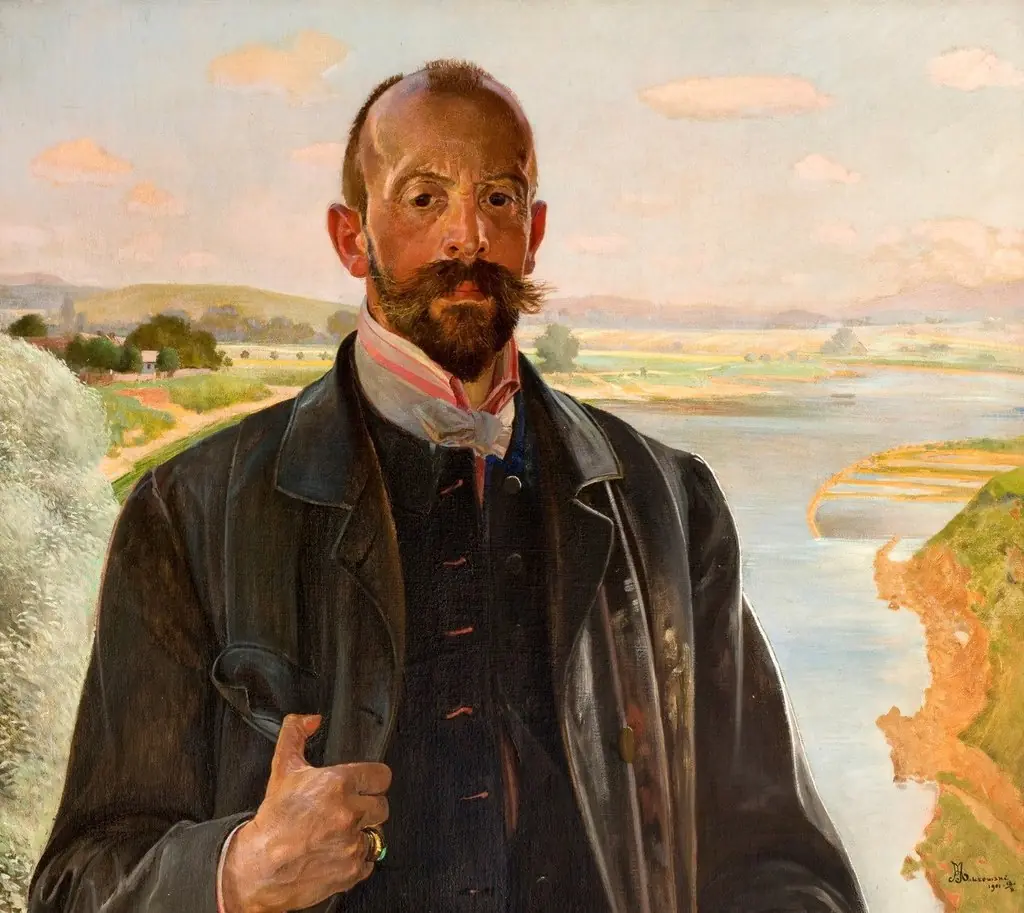
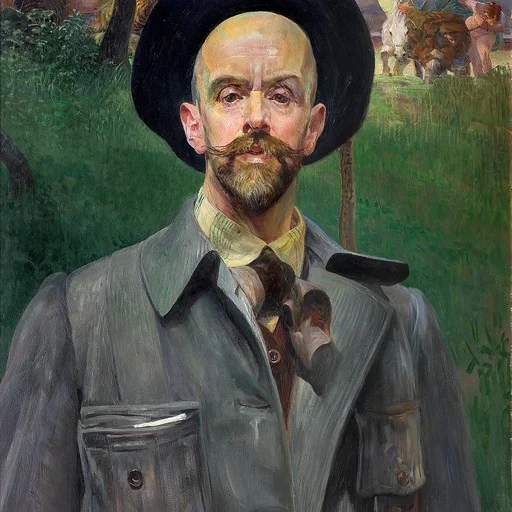
Jacek Malczewski (Polish: ; 15 July 1854 – 8 October 1929) was a Polish symbolist painter who was one of the central figures of the patriotic Young Poland movement.