Artwork
Untitled
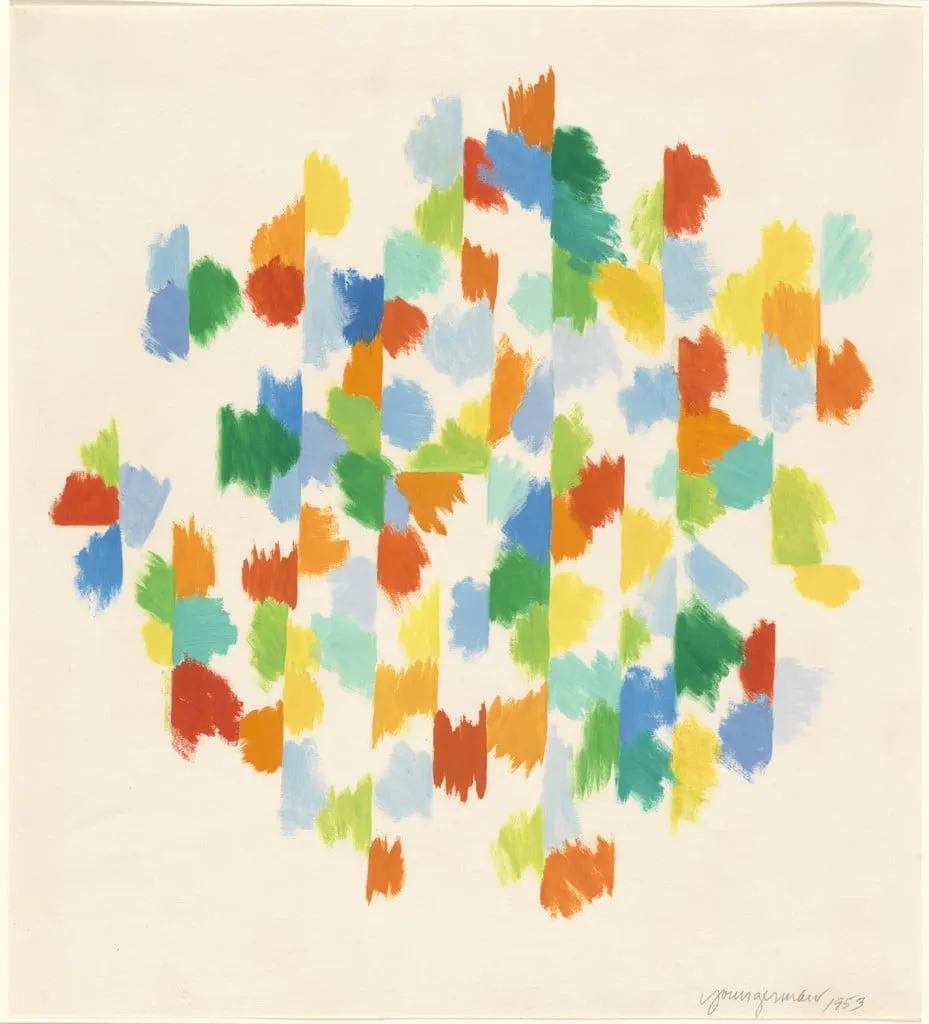
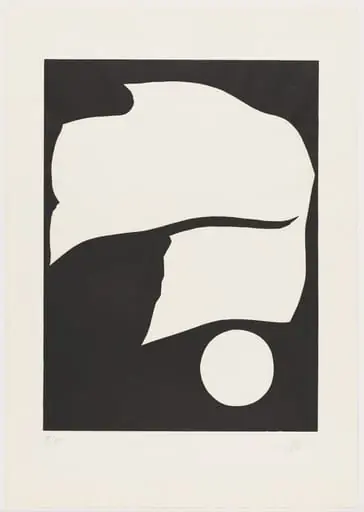
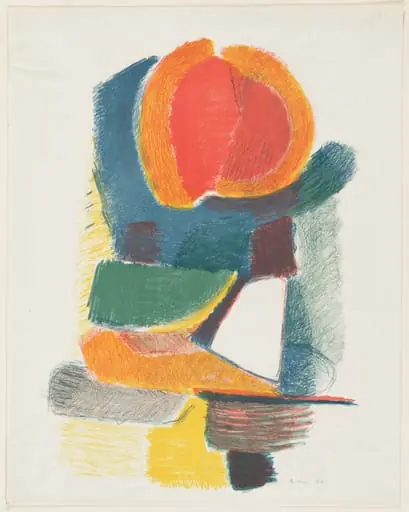
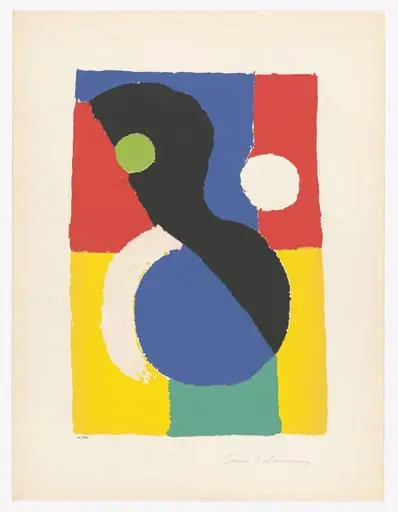
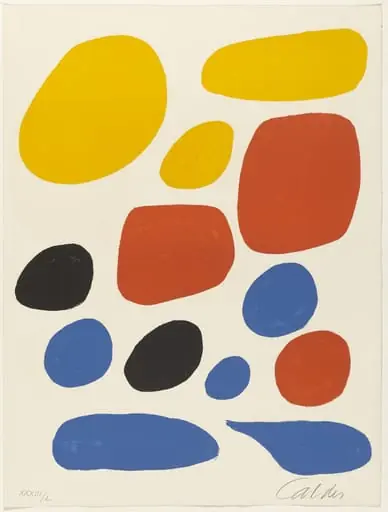
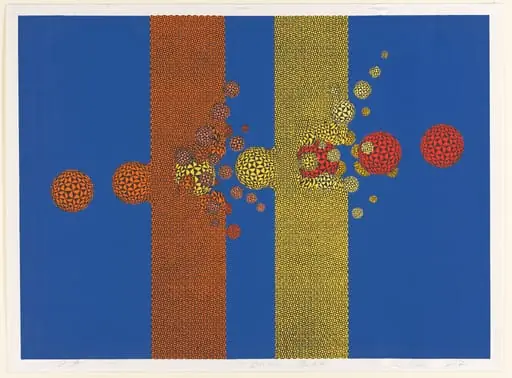
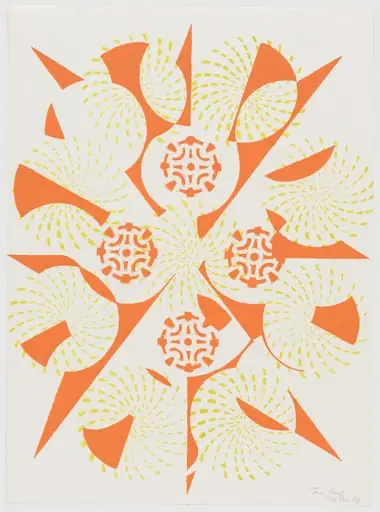
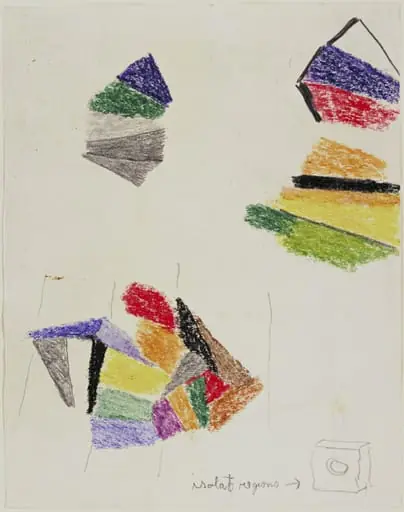
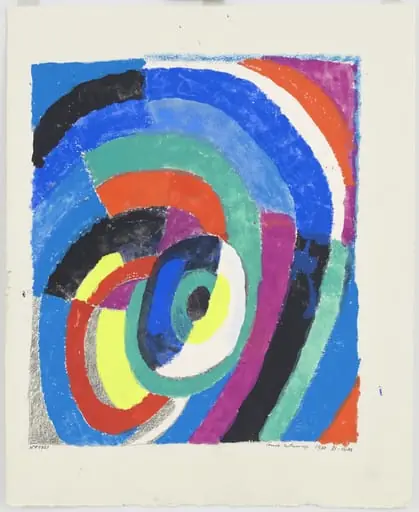
Untitled is an oil drawing by Jack Youngerman. It dates from 1953 and is held in the collection of the Museum of Modern Art.
About this work
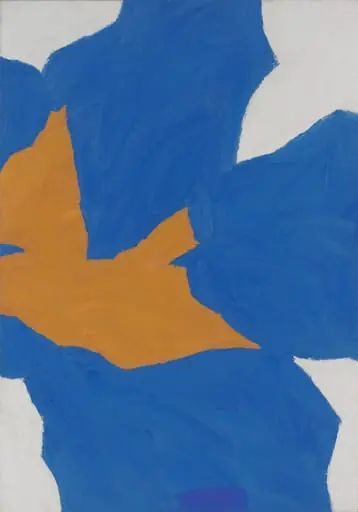
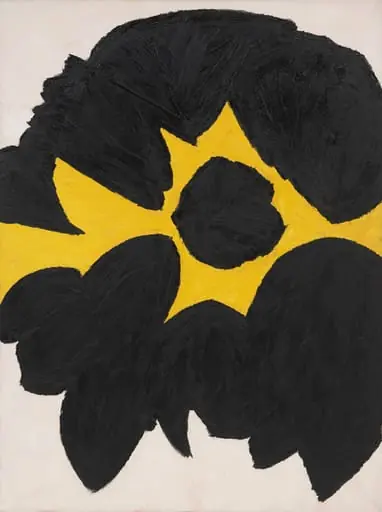
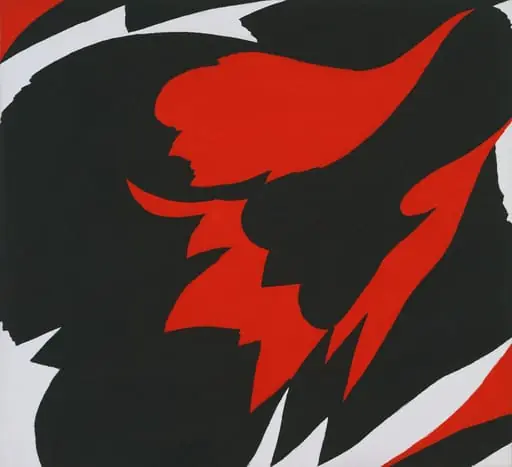
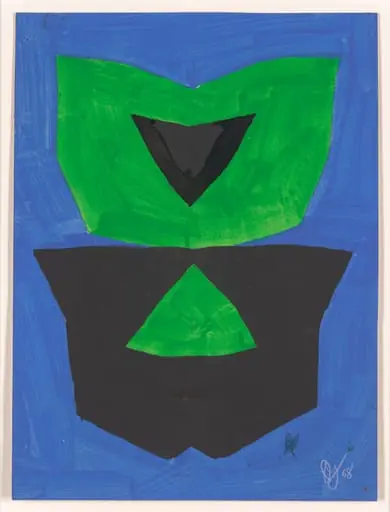
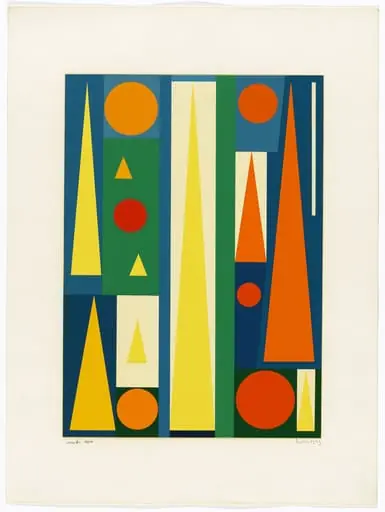
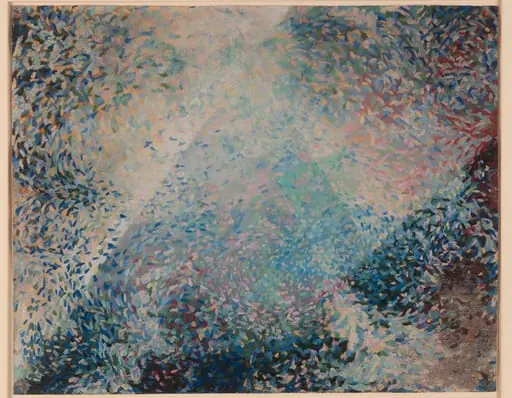
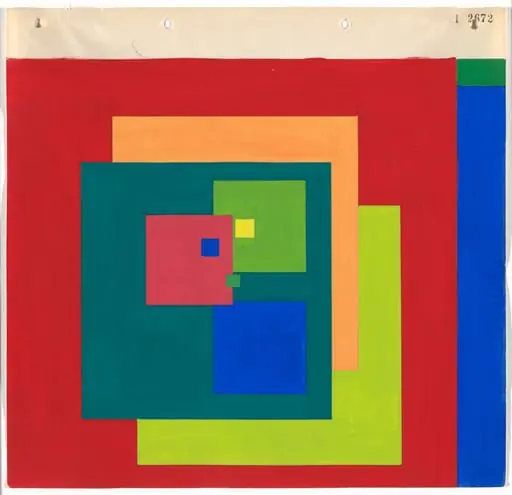
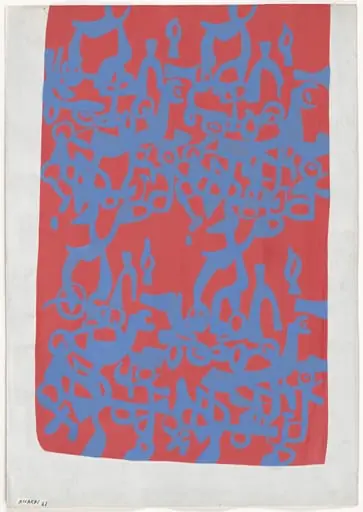
Bright blocks of red, blue, yellow, and green are scattered everywhere—some overlap, others stand alone.
This painting looks like a burst of color on a light background. Bright blocks of red, blue, yellow, and green are scattered everywhere—some overlap, others stand alone. The brushstrokes are loose and fast, like splashes or quick scribbles. No clear shapes or figures appear; it’s just a mix of colors and movement.
The artist used oil paint on paper, which is unusual—most painters use canvas. The messy, energetic style feels fresh for 1953.
Next, check out Jack Youngerman to see how his work evolved.
Overview
Created in 1953, this untitled work by Jack Youngerman is an oil painting on paper, a less conventional support compared to the canvas typically used at the time. Its composition consists of vivid, unmodulated color fields—red, blue, yellow, and green—applied with rapid, gestural strokes. The absence of defined forms emphasizes movement and materiality, distinguishing it from more structured abstract works of the period.
Subject & Meaning
The work resists narrative or symbolic interpretation. Rather than depicting objects or emotions, it presents color and gesture as primary subjects. The spontaneous application suggests an emphasis on process over representation, aligning with emerging postwar interests in immediacy and physicality in painting. Meaning emerges from the interaction of hues and the energy of their placement.
Technique & Style
Youngerman applied oil paint directly to paper, exploiting its absorbency to create soft edges and uneven saturation. Brushstrokes are loose and unrefined, resembling splatters or hurried marks. The lack of underdrawing or planning contributes to a sense of improvisation. This approach contrasts with the meticulousness of earlier modernist styles, favoring intuitive execution.
History & Provenance
The work entered the collection of The Museum of Modern Art in the mid-20th century, where it remains part of its holdings. Its acquisition reflects the institution’s interest in postwar American abstraction and experimental media. While little is documented about its early exhibition history, its presence in MoMA’s collection signals its recognition within contemporary art discourse of the time.
Context
Made during a period when Abstract Expressionism dominated American art, Youngerman’s piece diverges by avoiding emotional intensity or grand scale. Its intimacy and material experimentation align more closely with European tendencies, such as Art Informel. The use of paper instead of canvas signals a willingness to challenge norms, placing the work at the intersection of American and European avant-garde practices.
Legacy
This piece anticipates later explorations of color field painting and process-based abstraction. Youngerman’s choice of paper and unstructured composition influenced subsequent artists interested in material economy and non-traditional supports. Though not widely exhibited, it remains a quiet but significant example of how abstraction evolved beyond dominant paradigms in the early 1950s.
Artist & collection
Artist
Jack Albert Youngerman was an American artist known for his constructions and paintings.