Artwork
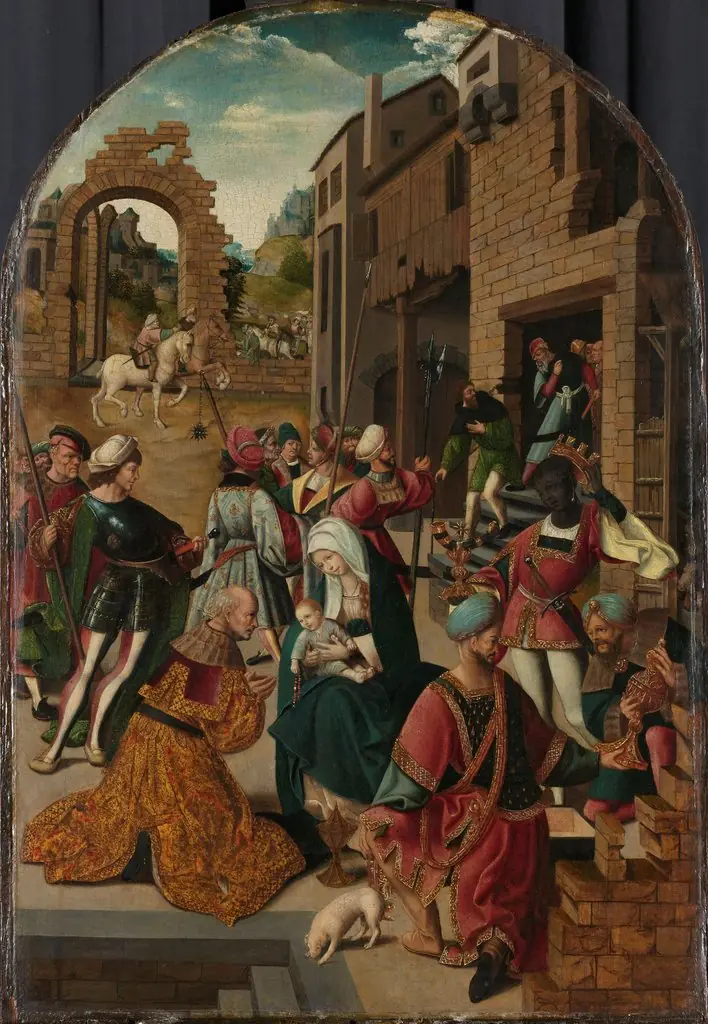
The Adoration of the Magi
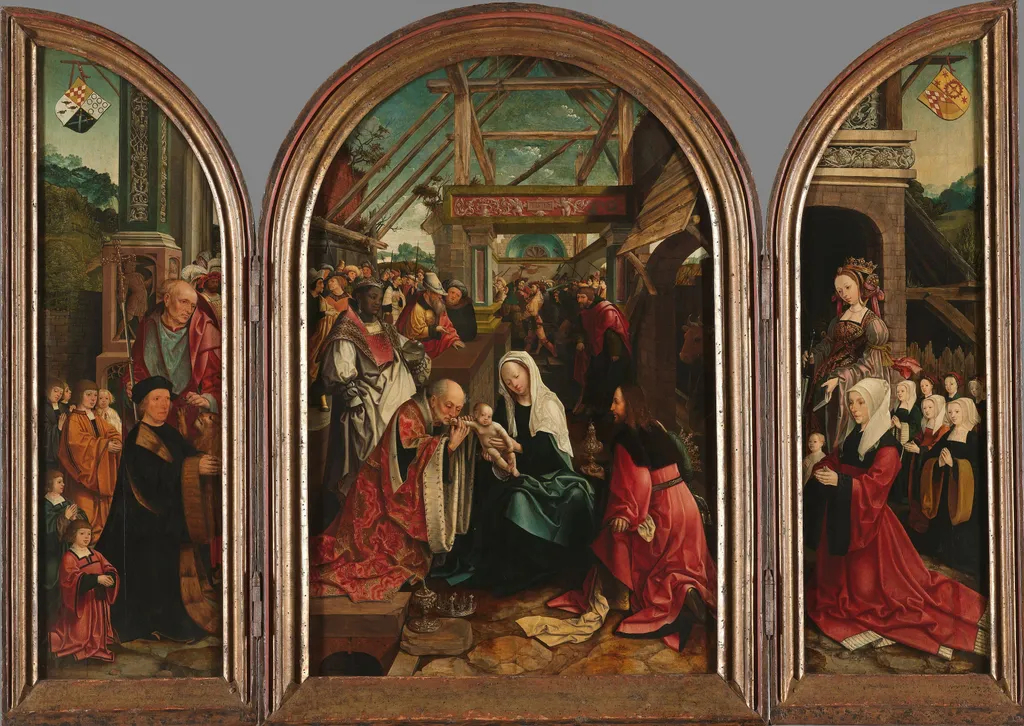
The Adoration of the Magi is an oil painting by the Northern Renaissance artist Jacob Cornelisz van Oostsanen. It dates from 1517 and is held in the collection of the Rijksmuseum.
About this work
The painting is called The Adoration of the Magi.
It was made by Jacob Cornelisz. van Oostsanen in 1517.
The artist used oil paint to create this work, which is now held at the Rijksmuseum, and it's a triptych, meaning it has three panels, which was a common format for paintings at that time.
You can learn more about this type of painting by looking up the subject: adoration of the Magi.
Overview
The work depicts the biblical episode of the Three Kings presenting gifts to the infant Jesus, a subject central to Northern Renaissance religious art.
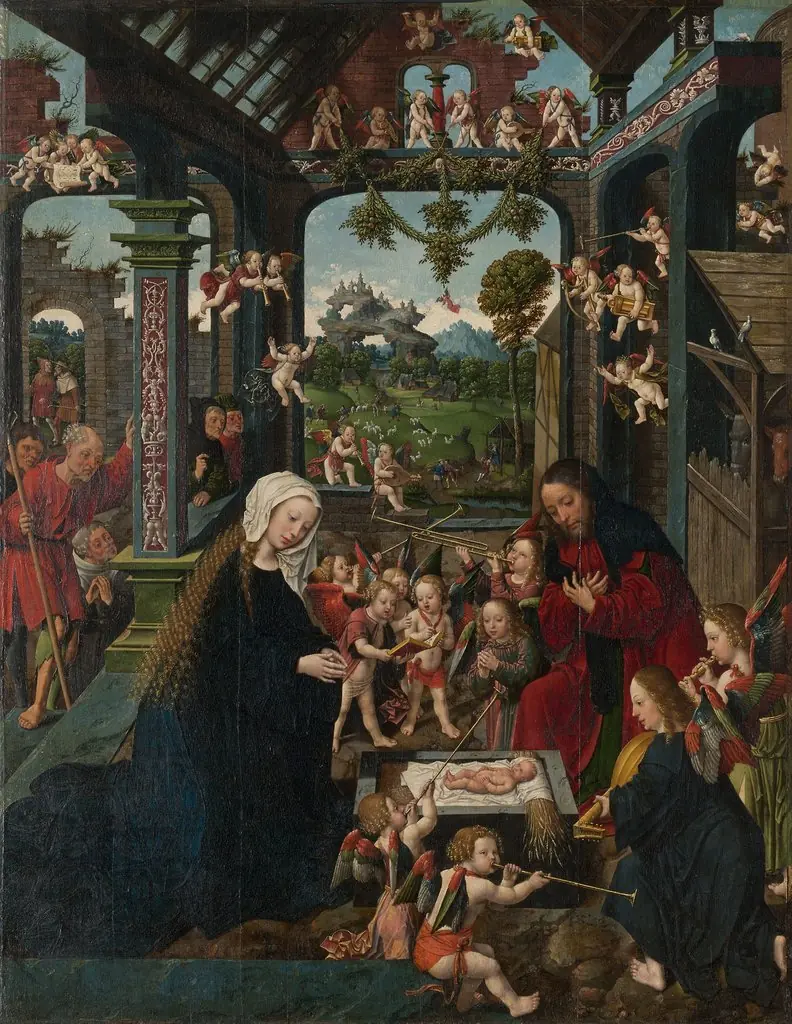
The Adoration of the Magi is a 1517 oil-on-panel triptych by the Early Netherlandish painter Jacob Cornelisz. van Oostsanen, currently held in the collection of the Rijksmuseum in Amsterdam. The work depicts the biblical episode of the Three Kings presenting gifts to the infant Jesus, a subject central to Northern Renaissance religious art. Executed in the artist's mature style, the composition features the characteristic intricate detail and vibrant color palette associated with van Oostsanen's workshop in Amsterdam during the early sixteenth century. The central panel focuses on the adoration scene, while the wings likely contain attendant figures or related narratives, adhering to the traditional altarpiece format of the period. Created at the height of the artist's career, this piece exemplifies the transition from late Gothic sensibilities to the emerging Renaissance influences in the Low Countries. It stands as a significant example of van Oostsanen's ability to combine complex iconography with the meticulous surface detail favored by his patrons. The painting remains a key work for understanding the development of religious imagery in early 16th-century Dutch art.
Subject & Meaning
The composition depicts the biblical episode in which the three wise men present gifts to the infant Jesus. This narrative, frequently rendered in Christian art, emphasizes themes of revelation and homage, illustrating the moment when the Magi recognize the newborn as the promised Messiah.
Technique & Style
Van Oostsanen employed oil on panel, a medium that allowed for fine detail and subtle tonal transitions characteristic of Netherlandish painting. The triptych’s central panel likely features a richly detailed interior, while the side wings complement the scene with complementary figures or symbolic motifs, reflecting the artist’s meticulous brushwork.
History & Provenance
Created in the early sixteenth century, the painting entered the Rijksmuseum’s holdings at an unspecified later date, where it has been conserved as part of the museum’s representation of Dutch Renaissance art. Its provenance prior to acquisition by the museum is not documented in the available records.
Context
The early 1500s saw a flourishing of devotional triptychs in the Low Countries, catering to both private patrons and ecclesiastical settings. Van Oostsanen, active in Amsterdam, contributed to this tradition, integrating Northern realism with the increasingly popular narrative scenes drawn from the New Testament.
Artist & collection
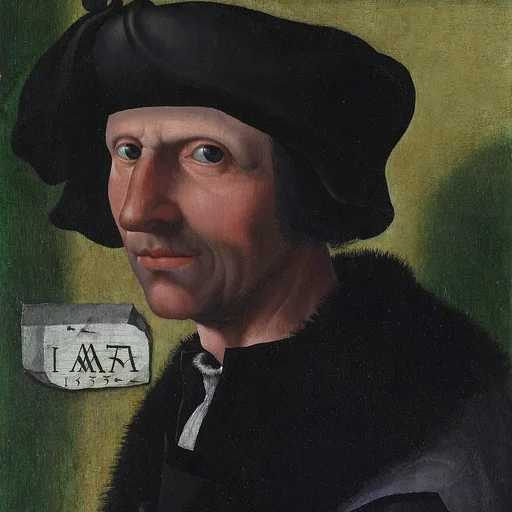
Artist
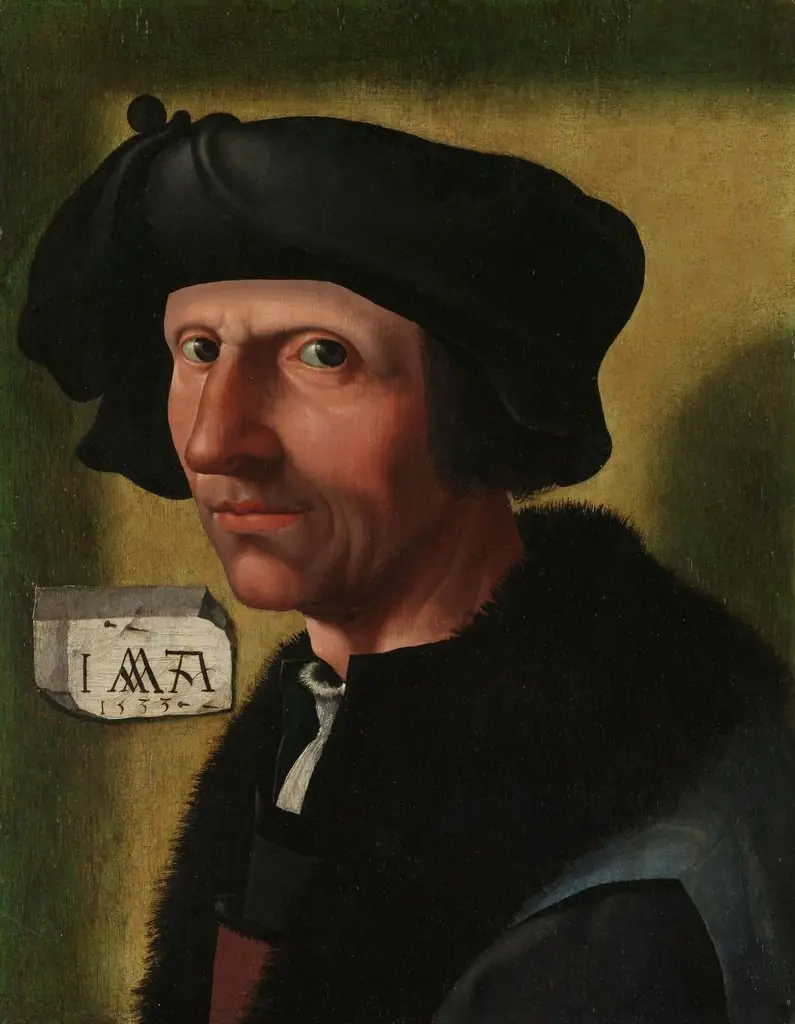
Jacob Cornelisz van Oostsanen (before 1470 – 1533) was a Northern Netherlandish designer of woodcuts and painter.