Artwork
The Crucifixion
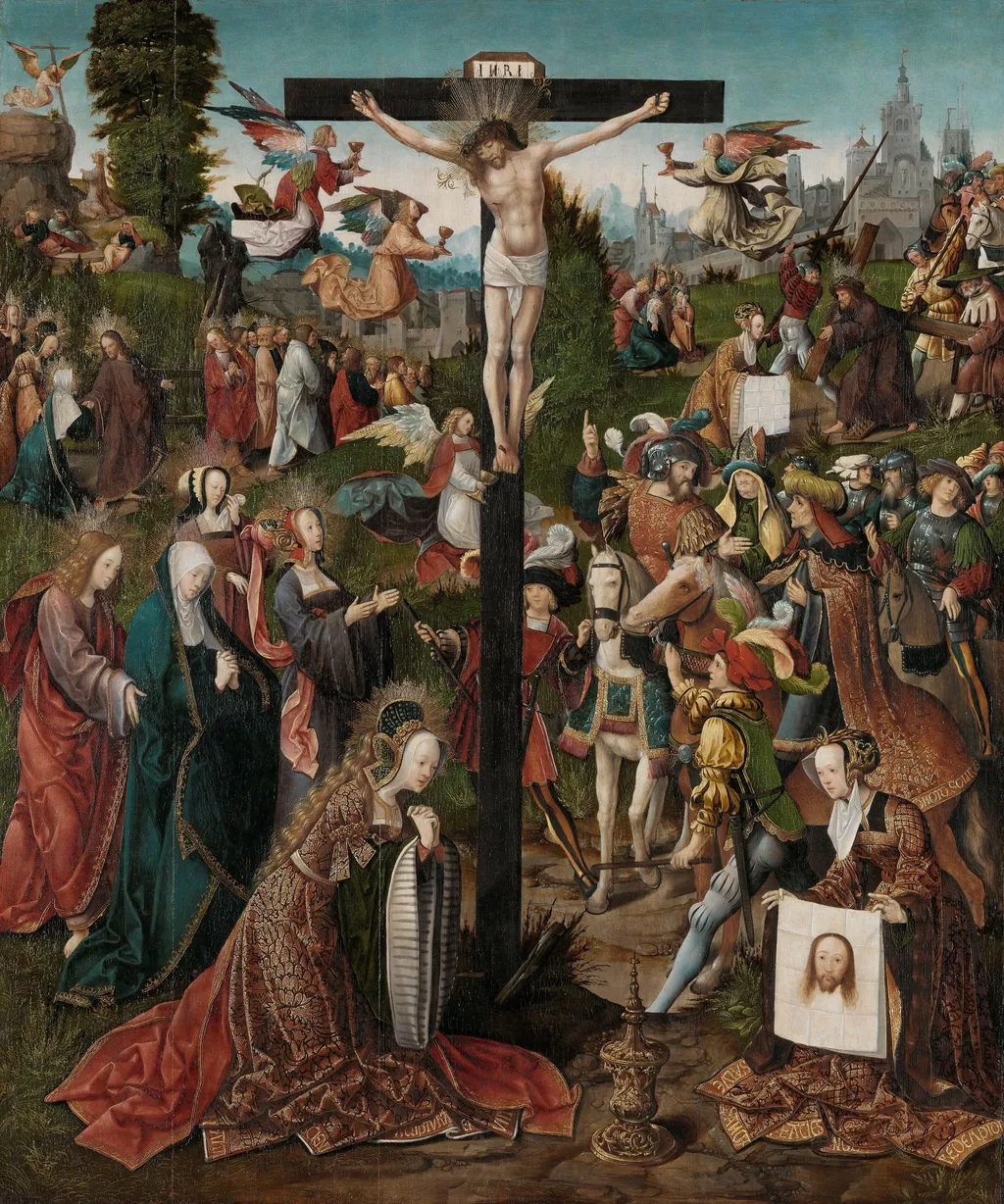
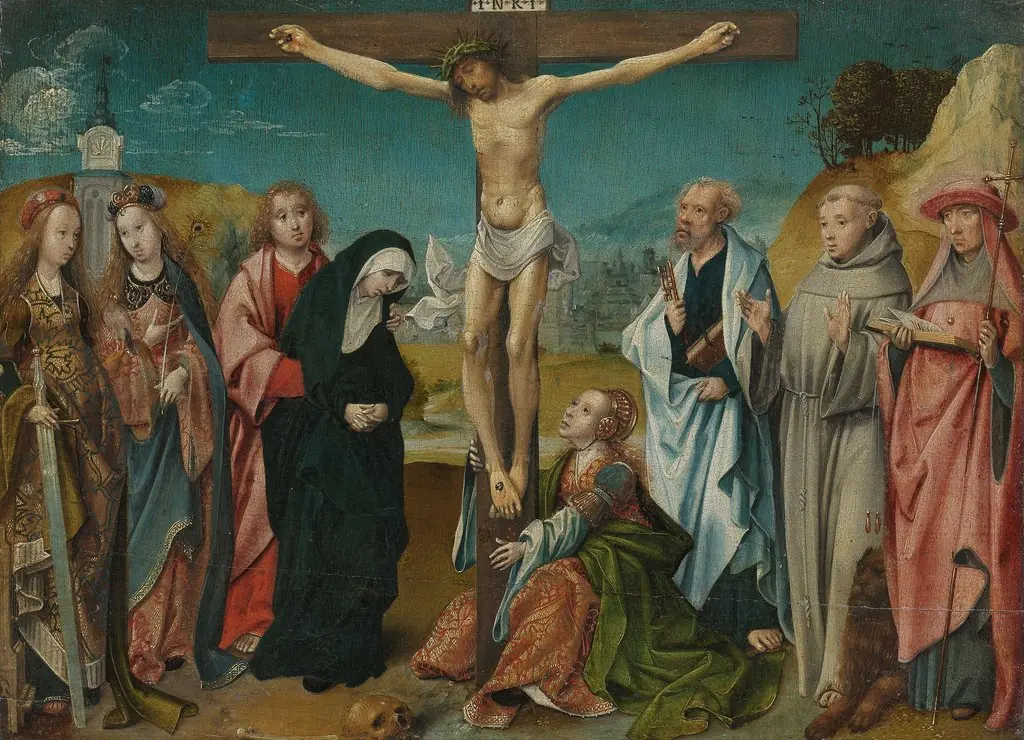
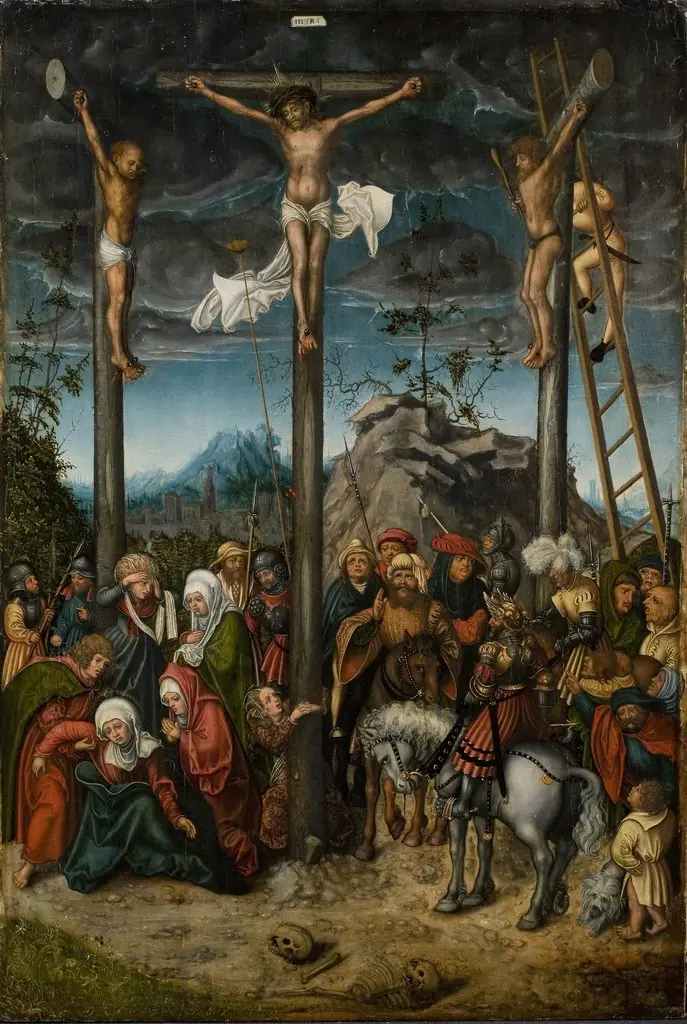
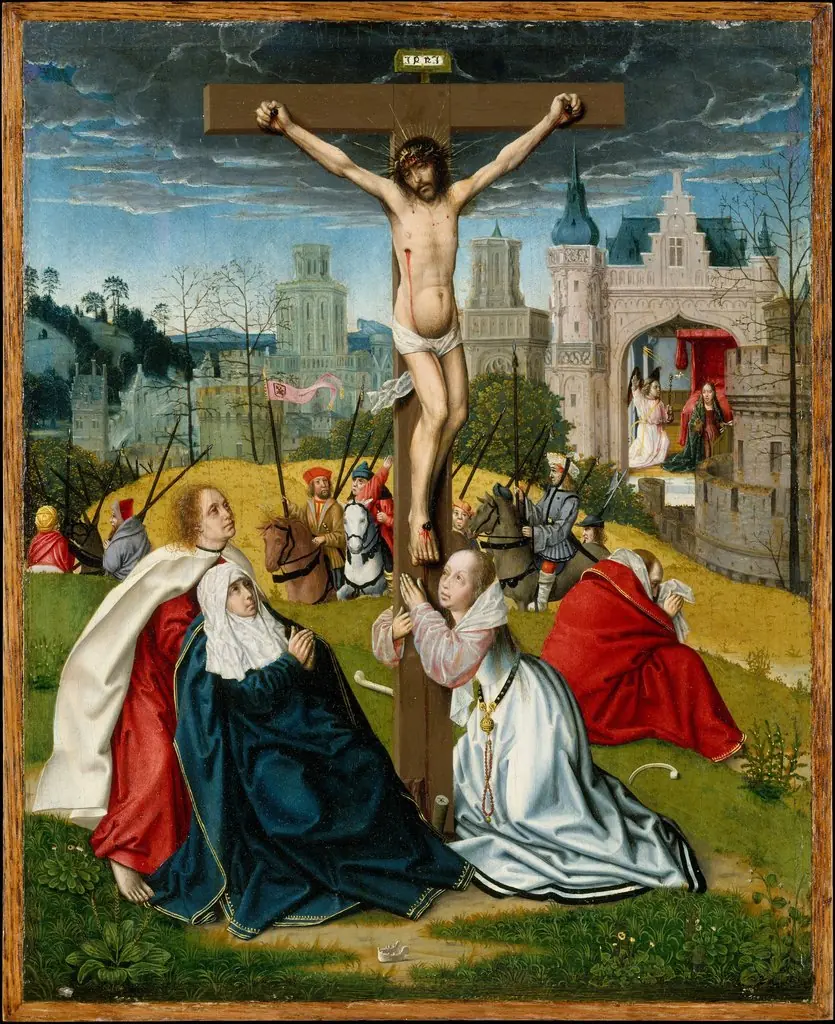
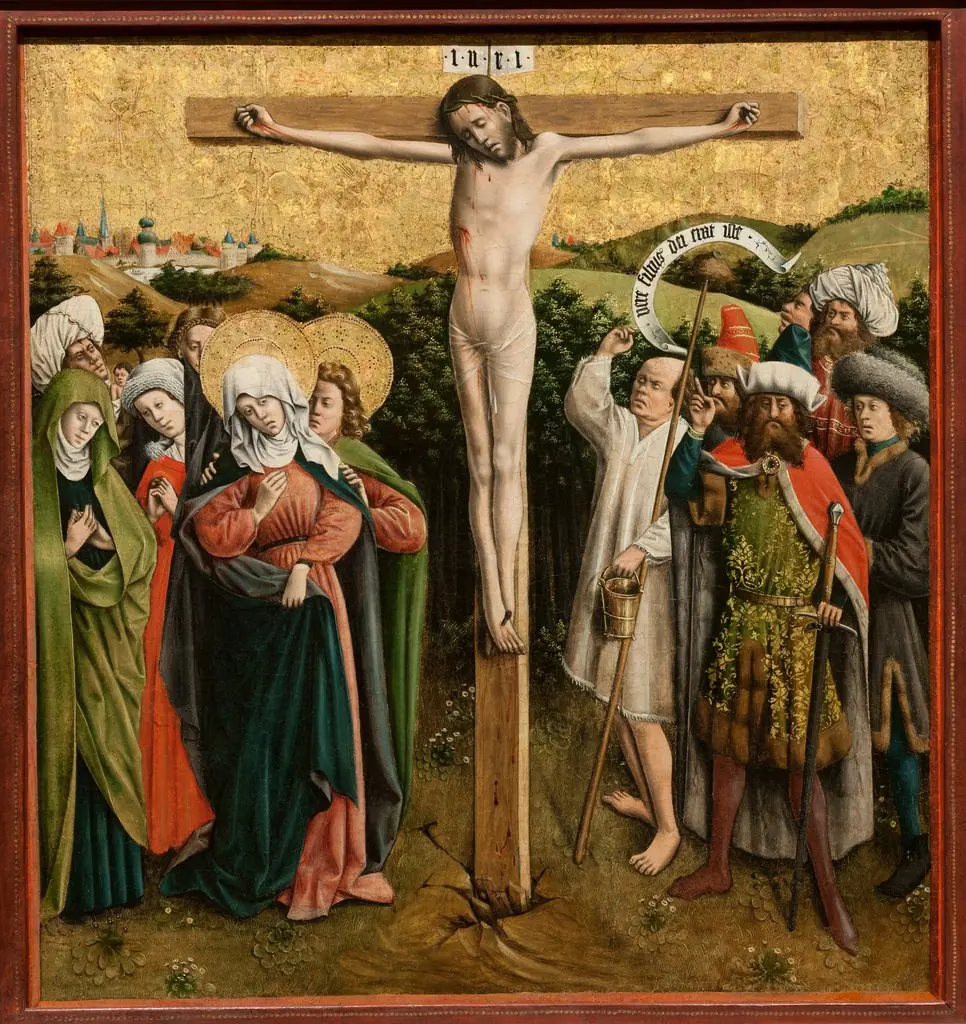
The Crucifixion is an oil painting by the Northern Renaissance artist Jacob Cornelisz van Oostsanen. It dates from 1508 and is held in the collection of the Rijksmuseum. Jacob Cornelisz.
About this work
Overview
Jacob Cornelisz. van Oostsanen’s *The Crucifixion* (1508) is an oil painting that presents the biblical moment of Christ on the cross. Central to the composition is the crucified figure, surrounded by a multitude of onlookers, angels, and architectural elements, all rendered against a bright sky.
Subject & Meaning
The work combines the central Passion narrative with auxiliary devotional symbols: Saint Veronica lifts her veil displaying the miraculous imprint of Christ’s face, while a chalice alludes to the Eucharist. These elements reinforce the theological connections between Christ’s sacrifice and the sacramental rites of the Church.
Technique & Style
Van Oostsanen employs a dense arrangement of figures, using chiaroscuro to model forms and create spatial depth. The contrast of light and shadow highlights the central cross and the veil, while the crowded foreground intensifies the drama of the scene.
History & Provenance
Created in Amsterdam during the early 16th‑century Northern Renaissance, the painting marks one of the city’s first major artistic productions as it emerged from a provincial town. The canvas entered the Rijksmuseum’s collection, where it remains on public display.
Context
The piece reflects the growing artistic stature of Amsterdam in the early 1500s, illustrating the city’s transition toward a regional cultural hub. Van Oostsanen’s dual role as painter and woodcut designer situates the work within the broader trends of Northern Renaissance visual culture.
Own this work as a print
Artist & collection
Artist
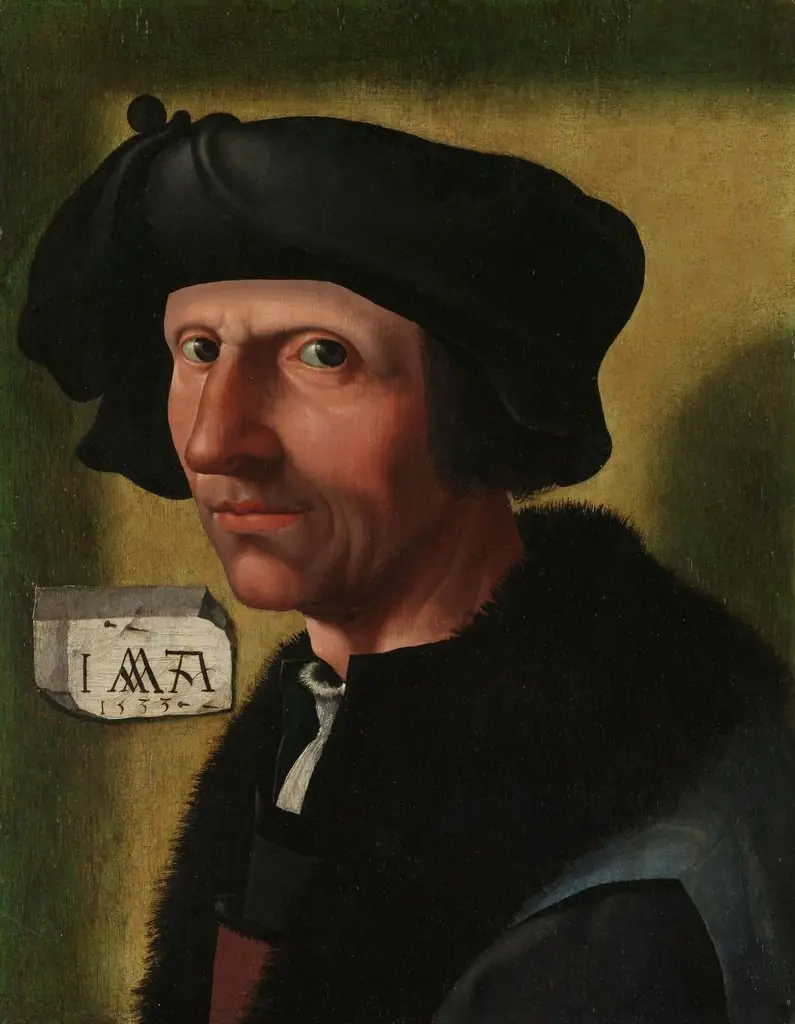
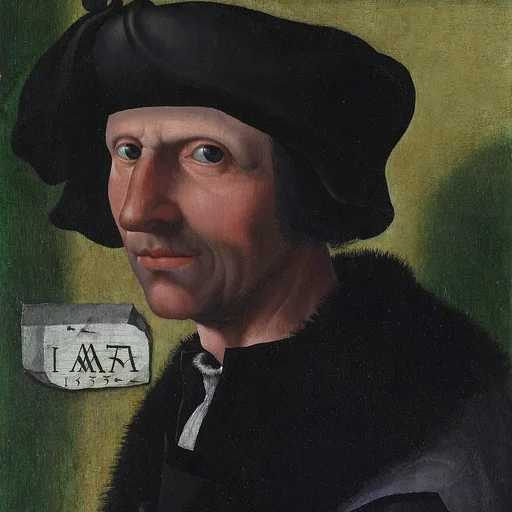
Jacob Cornelisz van Oostsanen (before 1470 – 1533) was a Northern Netherlandish designer of woodcuts and painter.