Artwork
Untitled
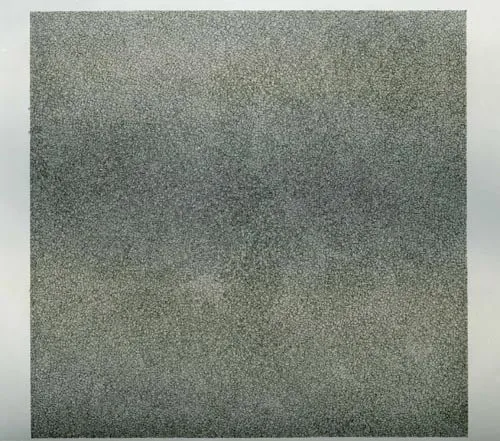
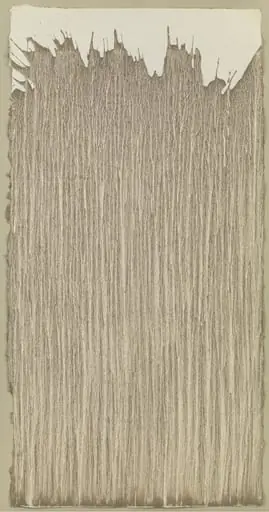
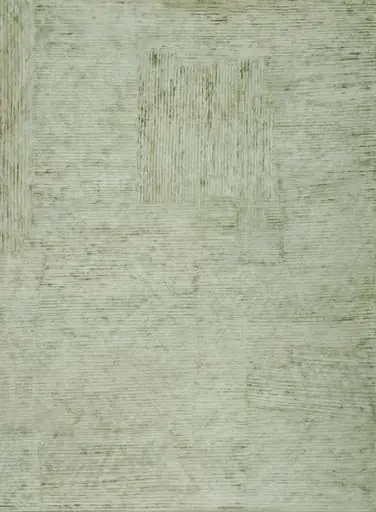
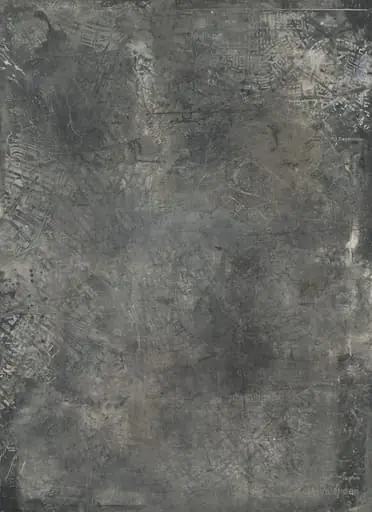
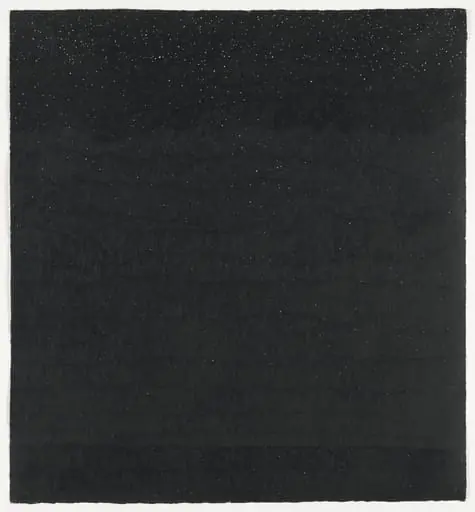
Untitled is an ink drawing by Jacob El Hanani. It dates from 1978 and is held in the collection of the Museum of Modern Art.
About this work
Overview
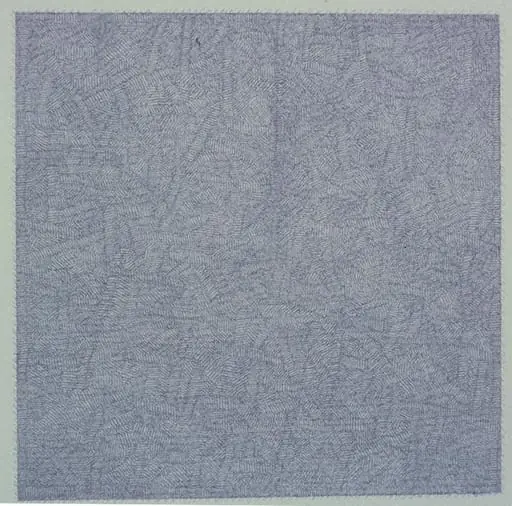
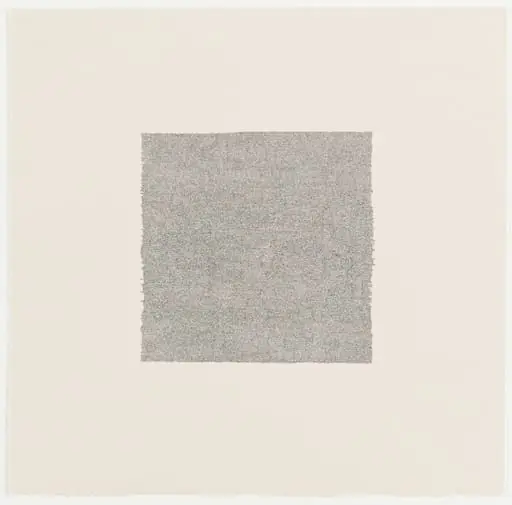
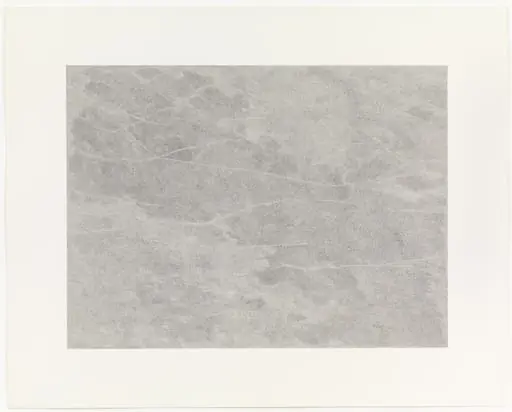
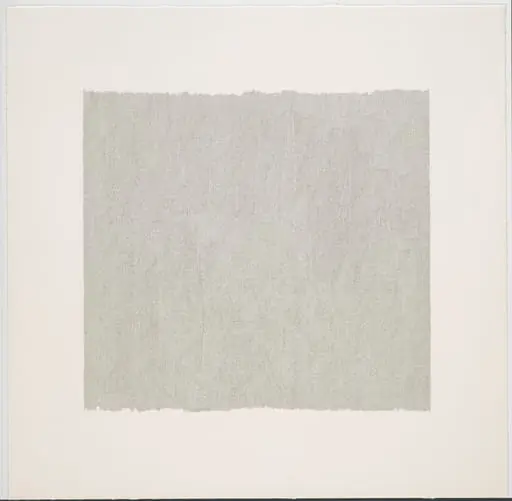
Created in 1978, this ink drawing by Jacob El Hanani resides in The Museum of Modern Art’s collection. Executed on paper, it presents a uniform, low-contrast surface composed of densely applied, minute strokes. The work rejects figuration or compositional hierarchy, instead offering a quiet, all-over field where individual marks dissolve into a cohesive tonal field.
Subject & Meaning
The piece avoids representational content, focusing instead on the materiality of ink and the rhythm of mark-making. Its absence of form or narrative invites contemplation of surface, texture, and the subtle variations in density. The work suggests meditation through repetition, emphasizing presence over depiction.
Technique & Style
El Hanani applied ink with precision, building the surface through countless fine, overlapping lines. The ink’s saturation is deliberately restrained, creating a muted, atmospheric gray that hovers between paper and pigment. Layering produces a soft, diffused effect, blurring the boundary between mark and ground.
History & Provenance
The drawing entered The Museum of Modern Art’s collection following its creation in 1978. It is one of several works by El Hanani from this period that explore minimal, non-representational forms. Its acquisition reflects the museum’s interest in post-war abstract practices that prioritize process over symbolism.
Context
Emerging from a broader trend in late 20th-century art that questioned traditional composition, this work aligns with practices that valued subtlety and restraint. It shares affinities with monochrome and process-based art, yet resists overt political or emotional statements, favoring quiet endurance over spectacle.
Legacy
El Hanani’s approach influenced later artists exploring the limits of drawing and material presence. This piece remains a quiet example of how minimal intervention can generate perceptual depth. Its endurance in institutional collections underscores its role in redefining what a drawing might be.
Artist & collection