Artwork
Portrait of Don Luis de la Cerda, later IX Duke of Medinaceli (or Medinacelli), (1654–1711)
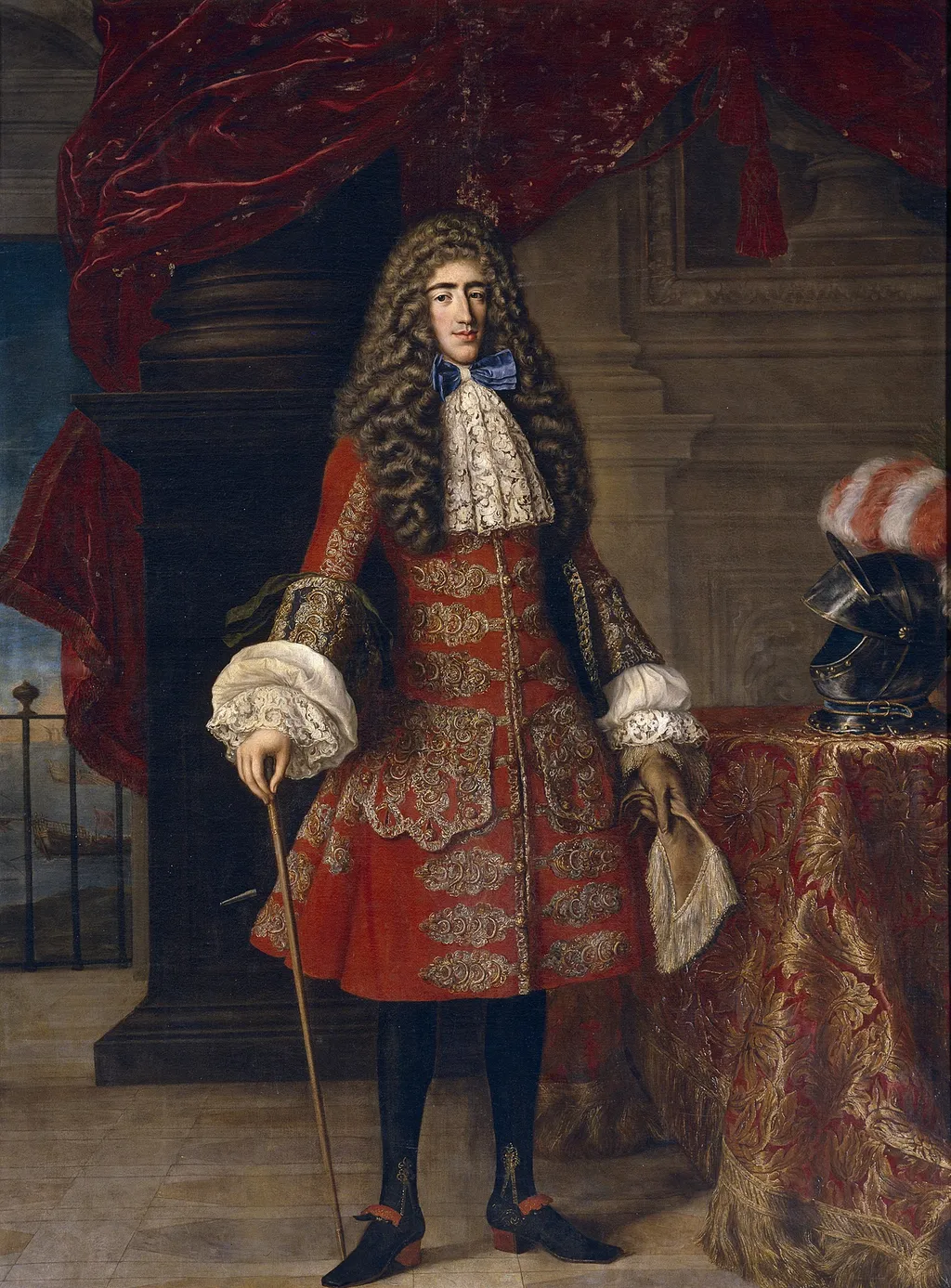
Portrait of Don Luis de la Cerda, later IX Duke of Medinaceli (or Medinacelli), (1654–1711) is an oil painting by the Flemish Baroque painting artist Jacob Ferdinand Voet. It dates from 1692 and is held in the collection of the Museo del Prado.
About this work
Overview
The sitter stands in a sumptuous red coat trimmed with gold, a white cravat tied with a blue bow, and holds a glove and a combat helmet.
Jacob Ferdinand Voet’s 1692 oil portrait presents Luis Francisco de la Cerda, who would become the ninth Duke of Medinaceli. The sitter stands in a sumptuous red coat trimmed with gold, a white cravat tied with a blue bow, and holds a glove and a combat helmet. A dark, theatrical curtain frames the scene, suggesting an interior of refined taste. The work now belongs to the Prado Museum’s collection.
Subject & Meaning
The portrait emphasizes the aristocrat’s status through symbols of martial readiness and luxury. The helmet and glove allude to noble obligations of warfare, while the elaborate attire and opulent surroundings convey wealth and courtly prestige. By presenting the future duke in this manner, Voet reinforces the social hierarchy and the personal virtues associated with high nobility in late‑seventeenth‑century Spain.
Technique & Style
Executed in oil on canvas, the painting showcases Voet’s Flemish Baroque sensibility, particularly his skillful handling of light to model textures. The luminous sheen of the embroidered coat and the crispness of the cravat are achieved through delicate glazing, while the deep shadows of the backdrop create a dramatic contrast that heightens the figure’s three‑dimensional presence.
History & Provenance
Created in 1692, the portrait entered the Spanish royal collections and eventually was transferred to the Museo del Prado, where it remains on display. Voet, a Flemish artist who worked extensively in Italy and France, produced this work during his period of service to European aristocracy, reflecting his reputation for catering to elite patrons across borders.
Context
The painting belongs to the broader Flemish Baroque movement, which combined Northern realism with the grandeur favored by the courts of Italy and France. Voet’s career, marked by itinerant commissions for high‑ranking individuals, mirrors the transnational networks of artistic patronage that characterized the High Baroque era, linking Spanish nobility to wider European aesthetic trends.
Own this work as a print
Artist & collection
Artist
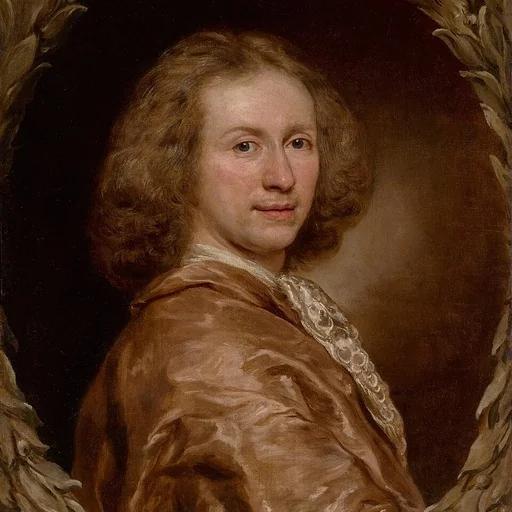
Jacob Ferdinand Voet or Jakob Ferdinand Voet (c. 1639 – 26 September 1689) was a Flemish portrait painter. He had an international career that brought him to Italy and France, where he made portraits for an elite…
