Artwork
The Betrayal of Christ
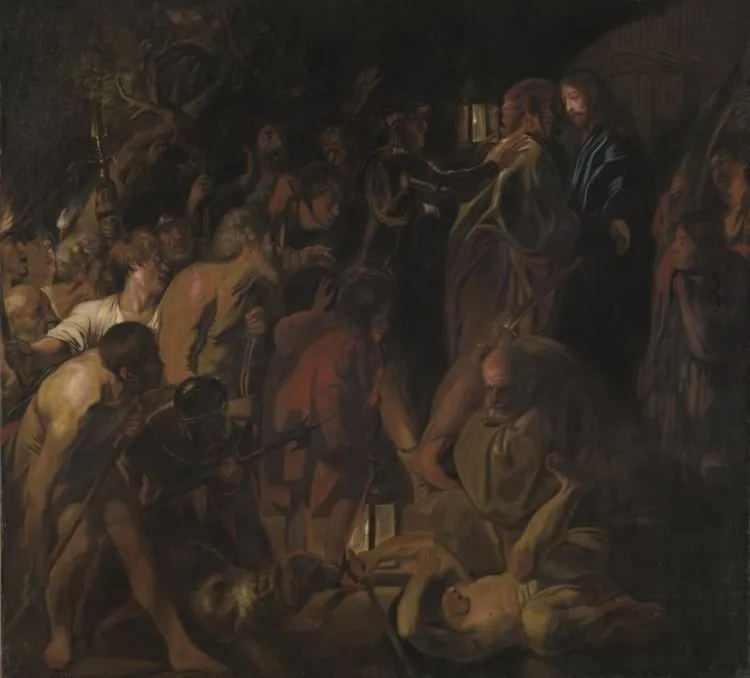
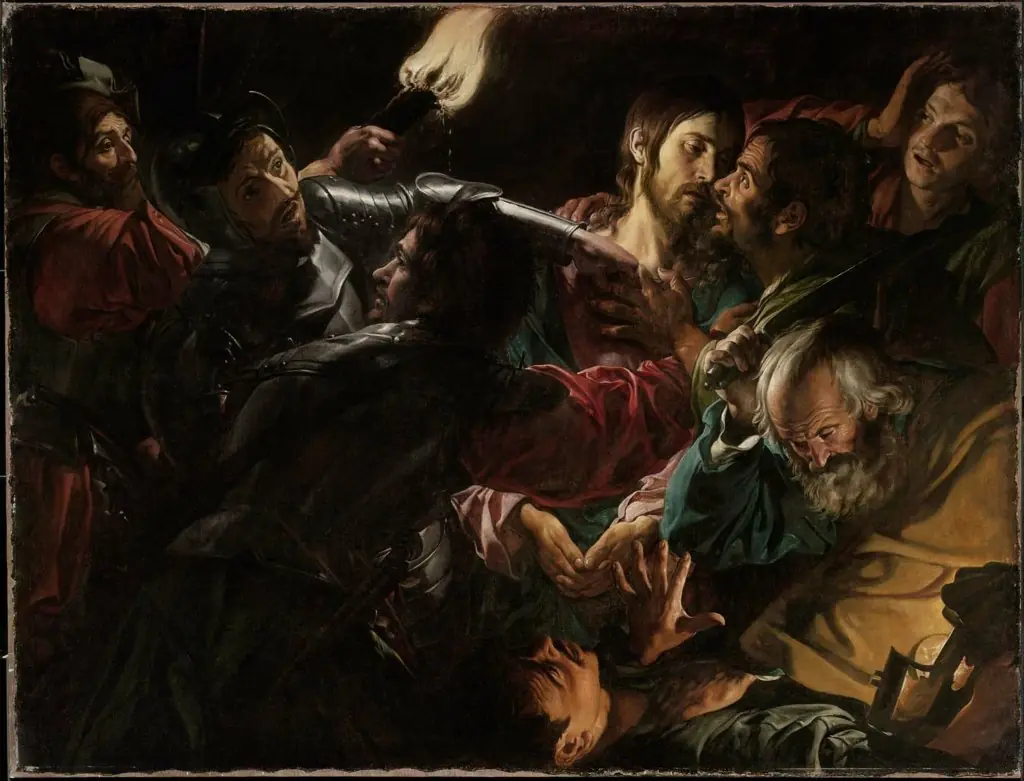
The Betrayal of Christ is an unspecified painting by the Baroque artist Jacob Jordaens. It dates from 1654 and is held in the collection of the Cleveland Museum of Art.
About this work
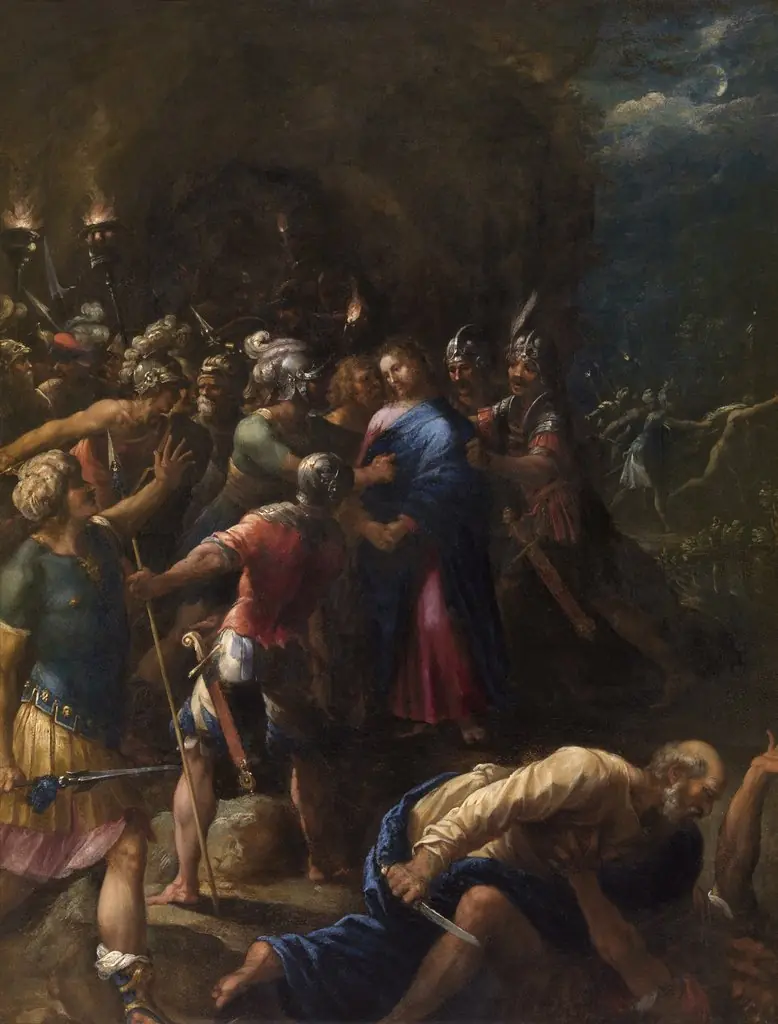
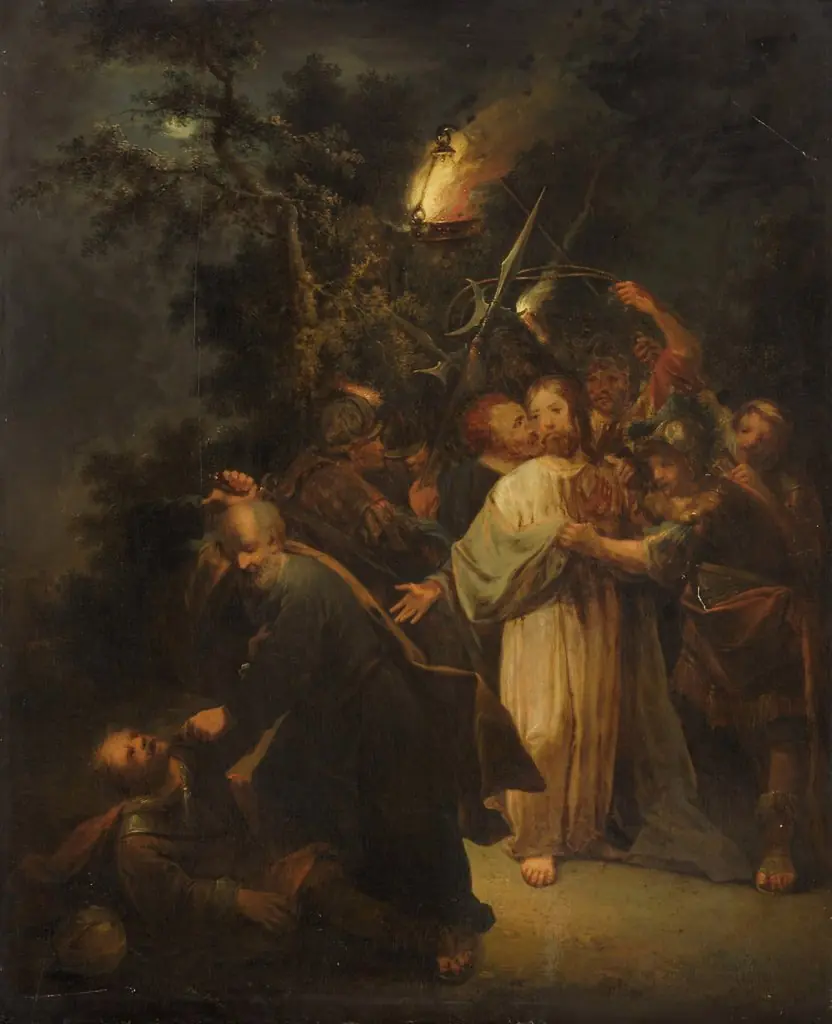
This painting shows a dark garden at night. Jesus stands calm in the center. A man kisses his cheek—Judas. Behind them, soldiers with torches and weapons rush forward.
Jordaens painted this after Rubens and Van Dyck died. Antwerp’s churches needed new religious art. The scene feels urgent, with sharp light and rough brushstrokes.
Look up Jacob Jordaens (Flemish, 1593–1678) next.
Overview
Jacob Jordaens’ large canvas portrays the moment Judas identifies Jesus with a kiss in the Garden of Gethsemane, triggering the arrest by Roman soldiers. Set at night, the composition centers a composed Christ while surrounding figures react with violence and urgency, illuminated by the torches of the approaching troops.
Subject & Meaning
The work captures the biblical episode of betrayal, emphasizing the contrast between Christ’s serenity and the chaotic response of his disciples, notably Peter’s assault on the High Priest’s servant, Malchus. The scene underscores themes of loyalty, treachery, and the violent onset of the Passion.
Technique & Style
Jordaes employs a nocturnal setting, a tradition dating back to fifteenth‑century Northern art, using strong artificial light from soldiers’ lanterns to heighten drama. The brushwork is vigorous, and the chiaroscuro intensifies the emotional tension, while the dark garden backdrop reinforces the sense of impending danger.
History & Provenance
Following the deaths of Peter Paul Rubens (1640) and Anthony van Dyck (1641), Jordaens rose to prominence as Antwerp’s leading painter. The city’s Catholic Restoration generated numerous commissions for religious subjects, and this painting was created to meet the demand for new devotional imagery in local churches.
Context
Antwerp in the mid‑seventeenth century was undergoing a revival of Catholic art after the Reformation, prompting artists like Jordaens to produce large‑scale biblical scenes. The painting reflects both the city’s renewed religious fervor and the continuation of Northern European nocturne conventions into the Baroque era.
Artist & collection
Artist
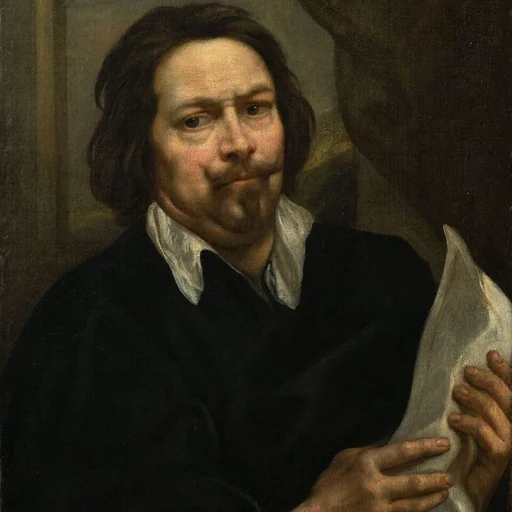
Jacques (Jacob) Jordaens (19 May 1593 – 18 October 1678) was a Flemish painter, draughtsman and a designer of tapestries and prints.

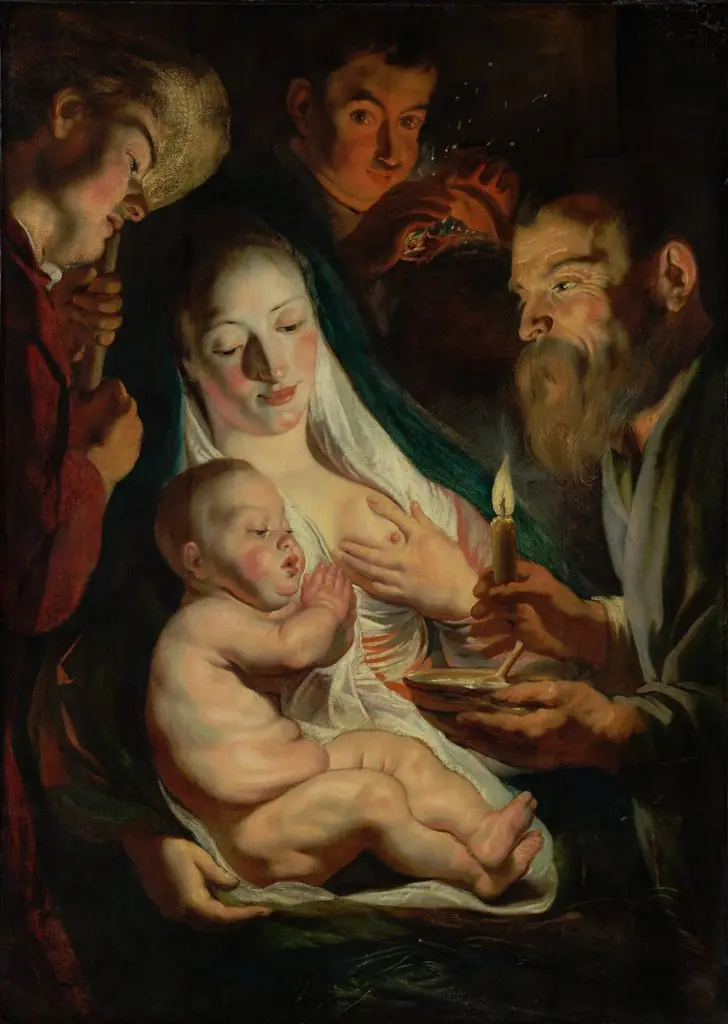 The Holy Family with Shepherds
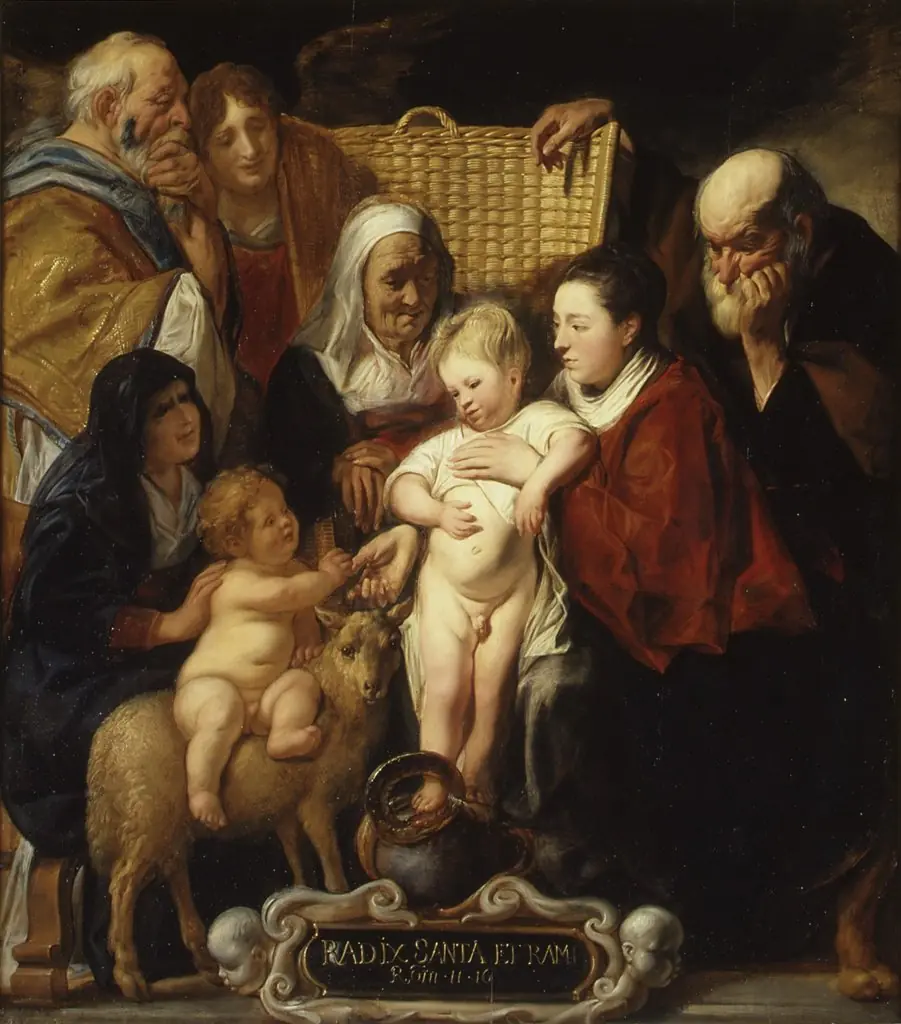 The Holy Family with Saint Anne and the Young Baptist and His Parents
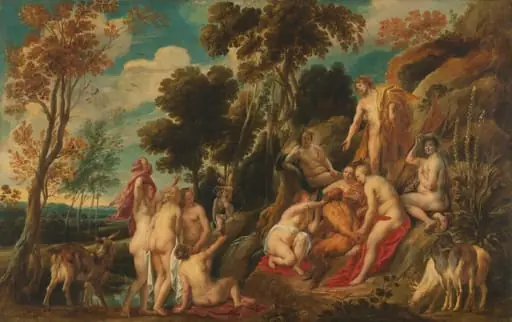 Untitled
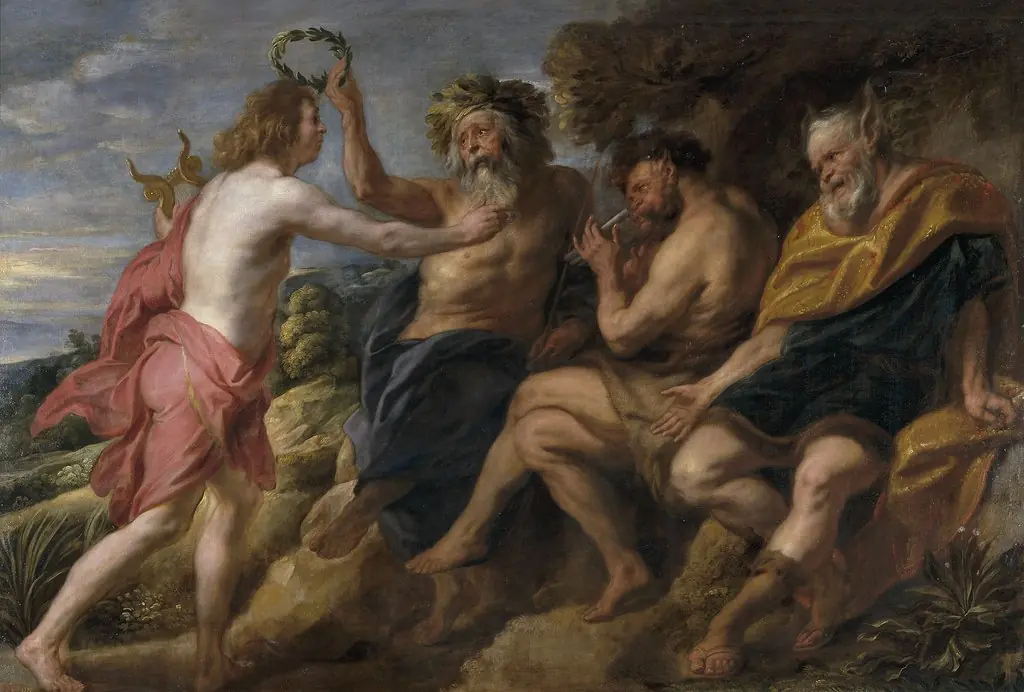 Apollo as Victor over Pan
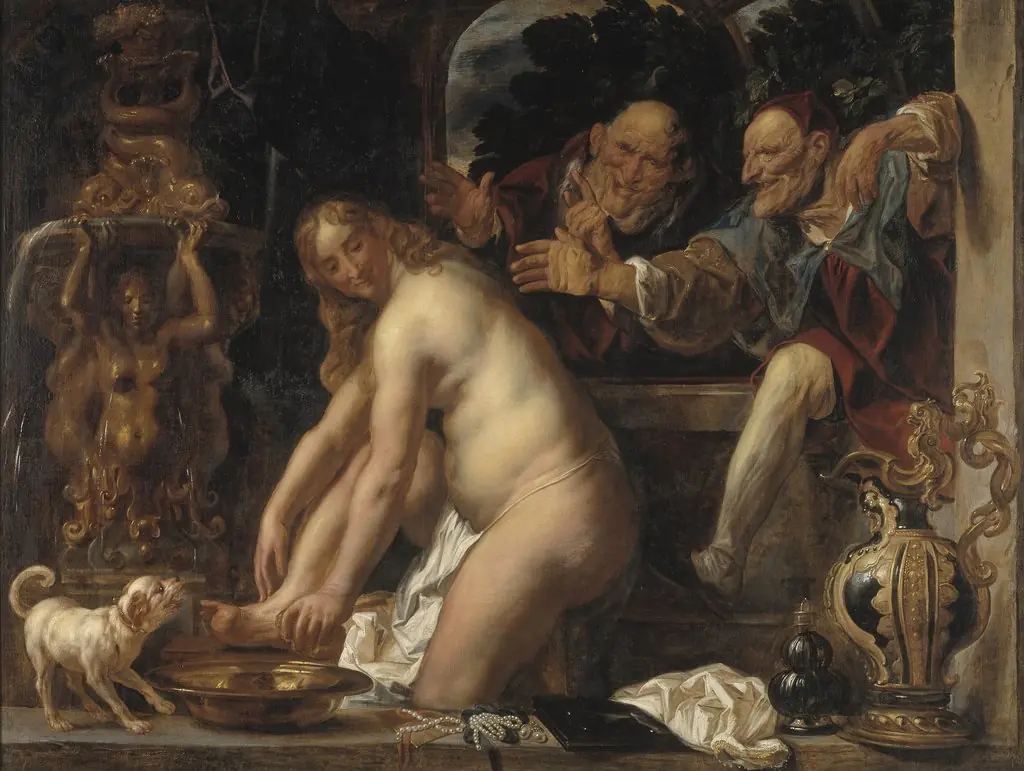 Susanna and the Elders
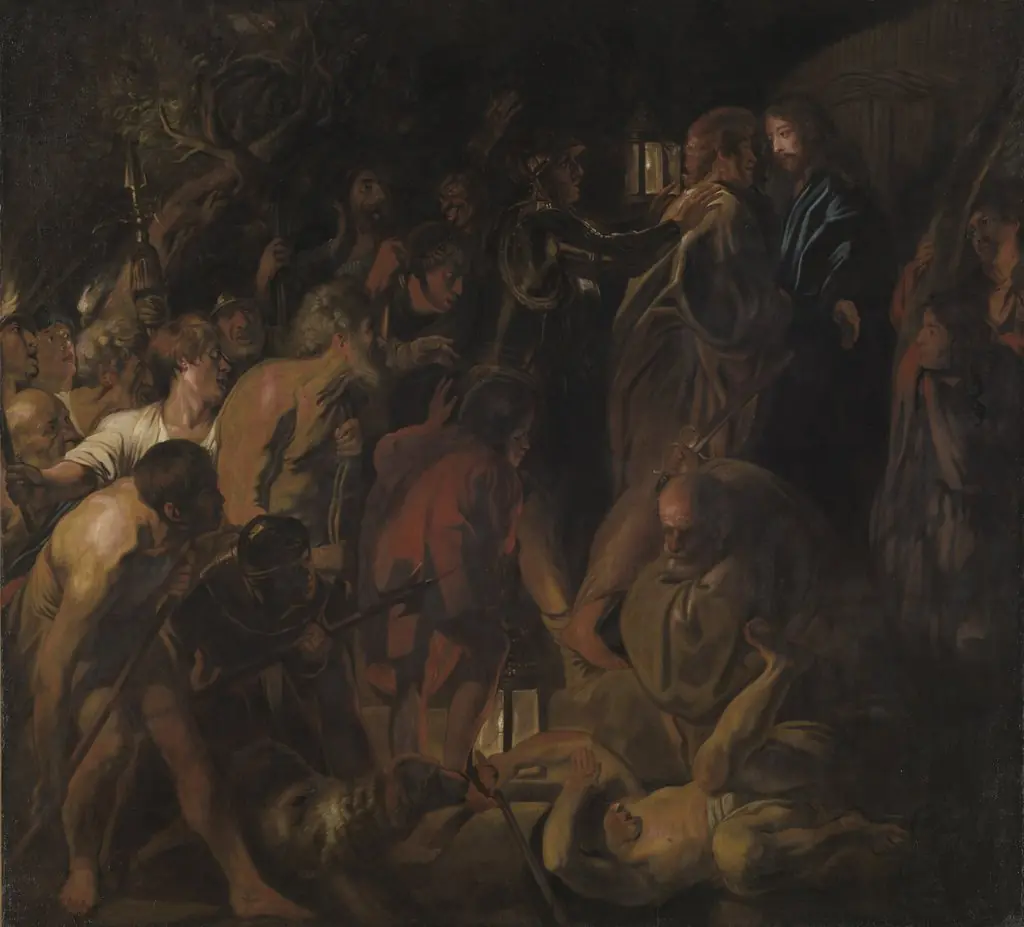 The Betrayal of Christ
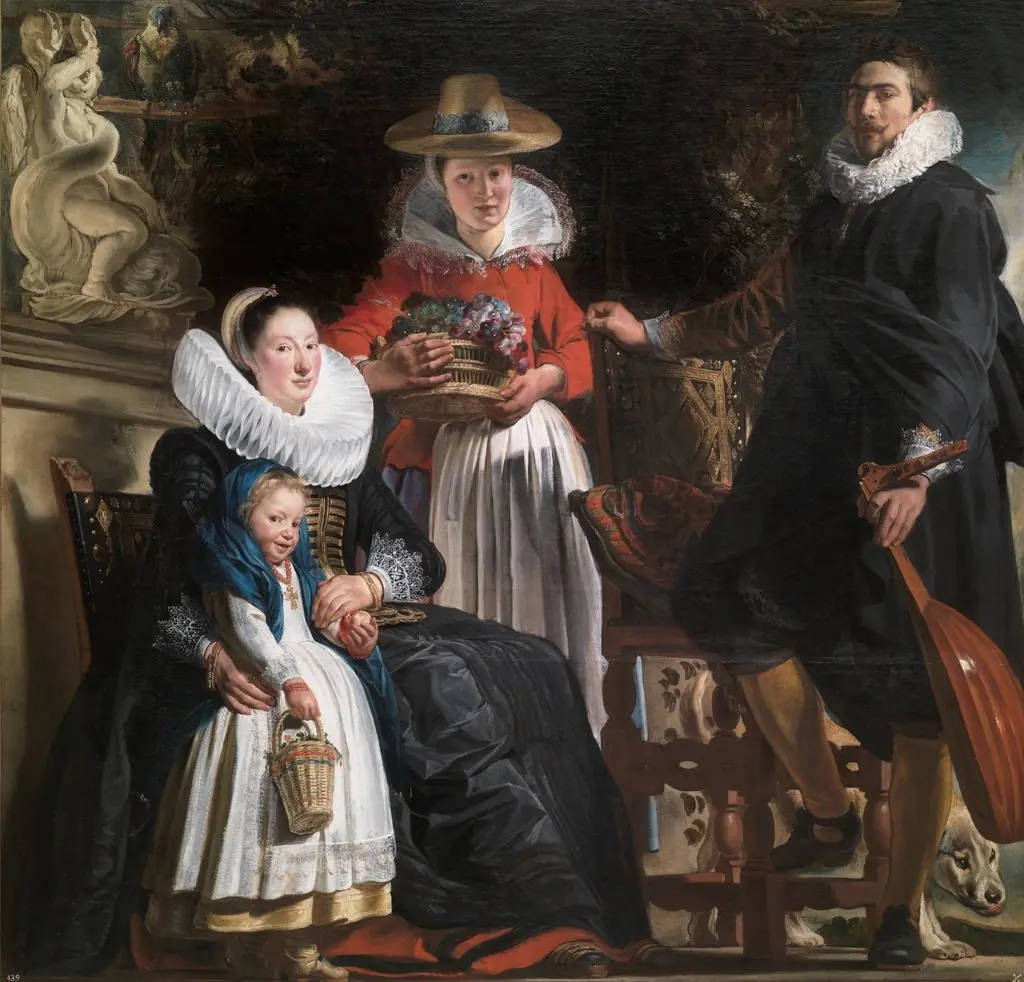 Portrait of the artist with his family
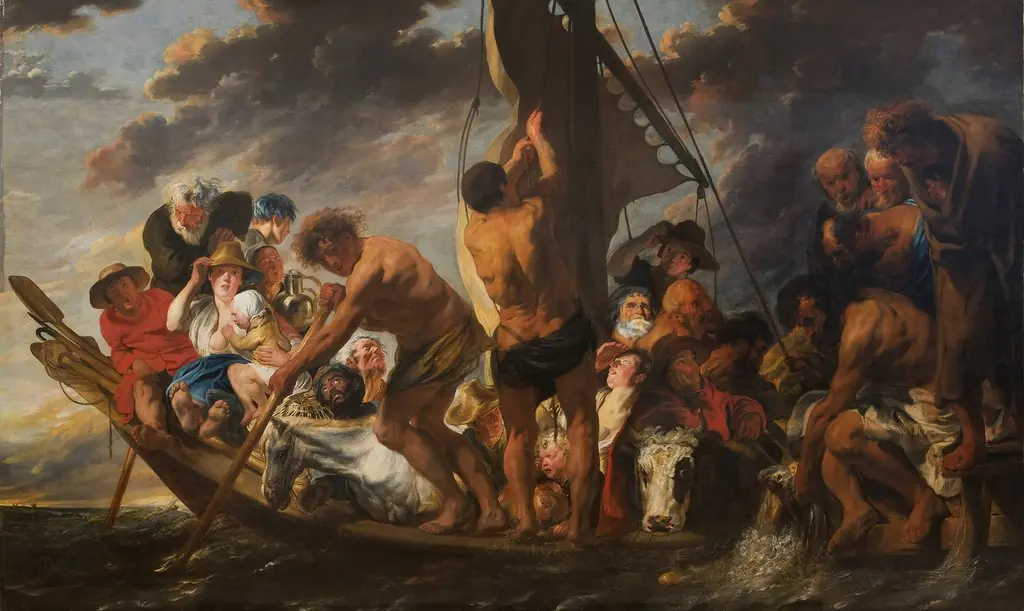 The Tribute Money. Peter Finding the Silver Coin in the Mouth of the Fish. Also called "The Ferry Boat to Antwerp"