Artwork
Prins Svens lig bliver fundet
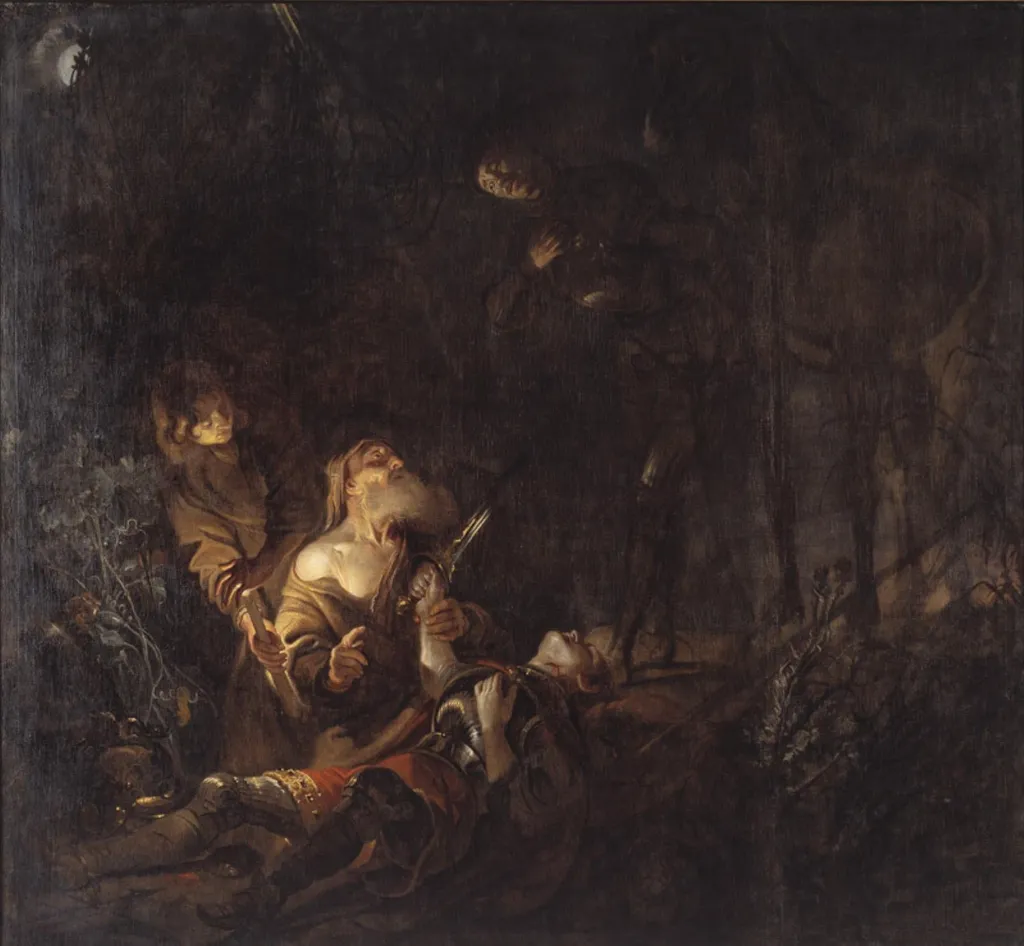
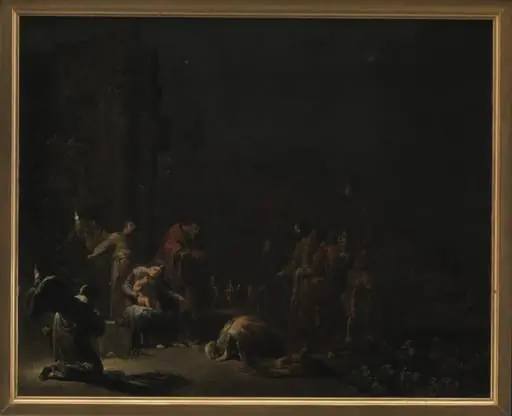
Prins Svens lig bliver fundet is a photography by Unknown. It dates from 1650 and is held in the collection of the Statens Museum for Kunst. Created around 1650, this image depicts the discovery of Prince Svend’s body in a forest setting.
About this work
Overview
Created around 1650, this image depicts the discovery of Prince Svend’s body in a forest setting. Attributed to an artist identified as 31140_person, the work is part of the collection at the Museum of Ethnography. Its composition centers on a moment of grim revelation, rendered with stark tonal contrasts that emphasize emotional weight over narrative detail.
Subject & Meaning
The scene portrays the aftermath of a royal death, with three figures reacting to the fallen prince. One man kneels in grief, clutching a sword; another lies lifeless with head tilted back; a third stands in uncertain stillness. The absence of clear identifiers suggests the image functions as a symbolic representation rather than a documented event, evoking themes of loss and moral ambiguity.
Technique & Style
The artist employs chiaroscuro to isolate the kneeling figure in a narrow band of light, while the surrounding forest recedes into deep shadow. Sparse tree forms and minimal detail in the background heighten the sense of isolation. The lighting directs attention to facial expressions and posture, using contrast to convey psychological tension rather than environmental realism.
History & Provenance
The work entered the Museum of Ethnography’s collection without clear documentation of its early ownership or commission. Its origins remain obscure, with no known contemporary records linking it to a specific court, event, or patron. The attribution to 31140_person is based on stylistic analysis and archival fragments, leaving its original purpose uncertain.
Context
Produced in the mid-17th century, the image reflects a European tradition of dramatizing royal tragedy through visual allegory. While not tied to a documented historical incident, it resonates with contemporary theatrical and literary motifs of fallen nobility. Its ethnographic placement suggests it was later collected as a cultural artifact rather than a fine art piece.
Legacy
The image has not influenced broader artistic movements but remains a quiet example of early modern visual storytelling focused on mortality and power. Its preservation in an ethnographic context highlights how such works were reclassified over time, valued more for their symbolic resonance than their artistic pedigree.
Artist & collection

 Domestic Scene
 Giacomo and Cardinal Marco, investing Andrea, Abbot of San Zeno, with his Benefice
 The Nymph of Fontainebleau
 Portrait of a Woman
 Madonna and Child with Saints in the Enclosed Garden
 Venus and Minerva
 Family Group of Four on Sofa
 Wall painting from Room H of the Villa of P. Fannius Synistor at Boscoreale
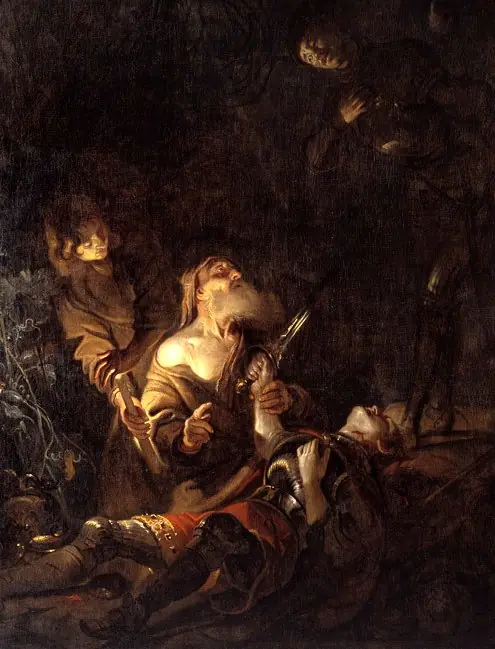 Prince Svens's body is found
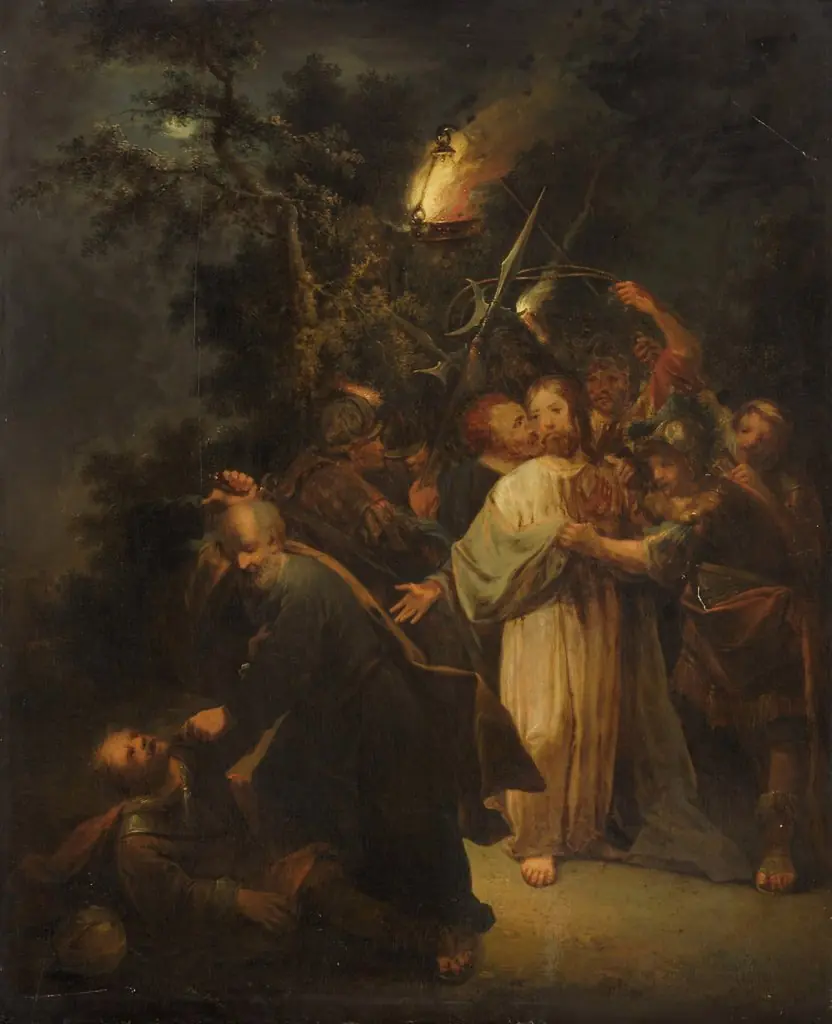 Gefangennahme Christi
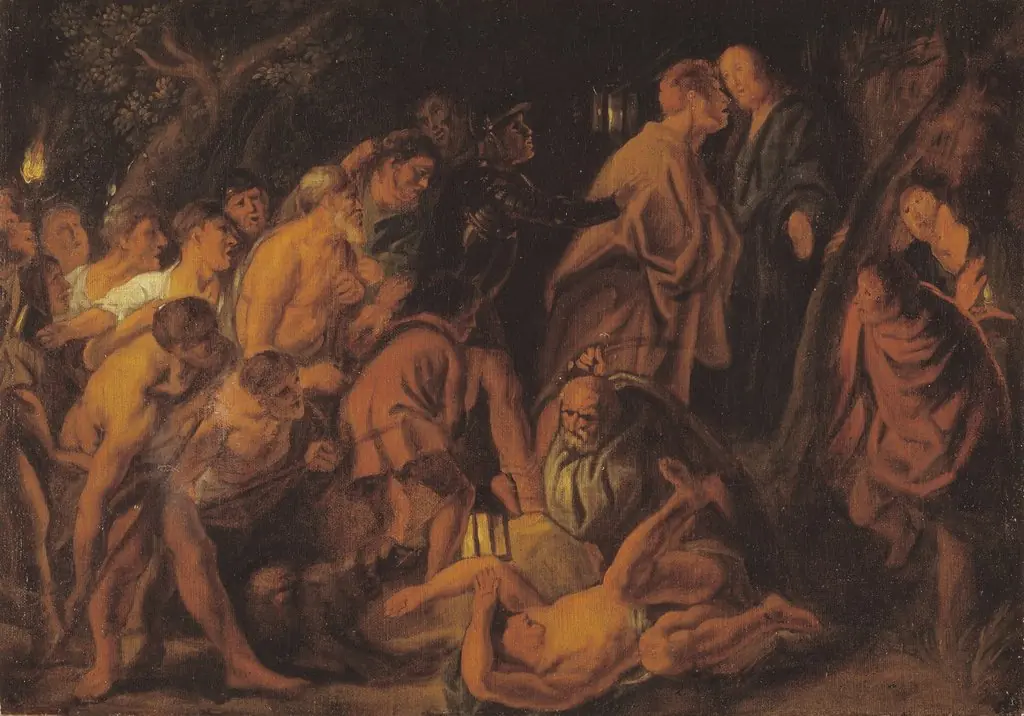 The Betrayal and Arrest of Christ in Gethsemane
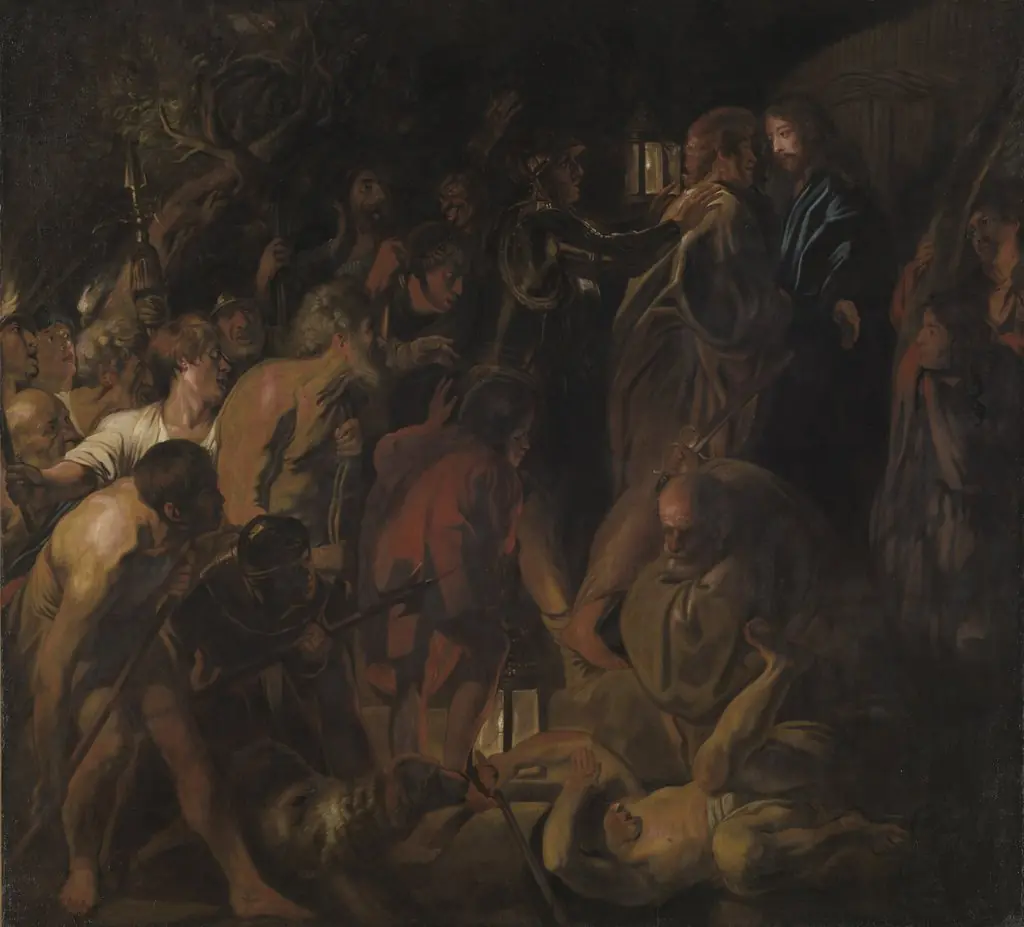 The Betrayal of Christ
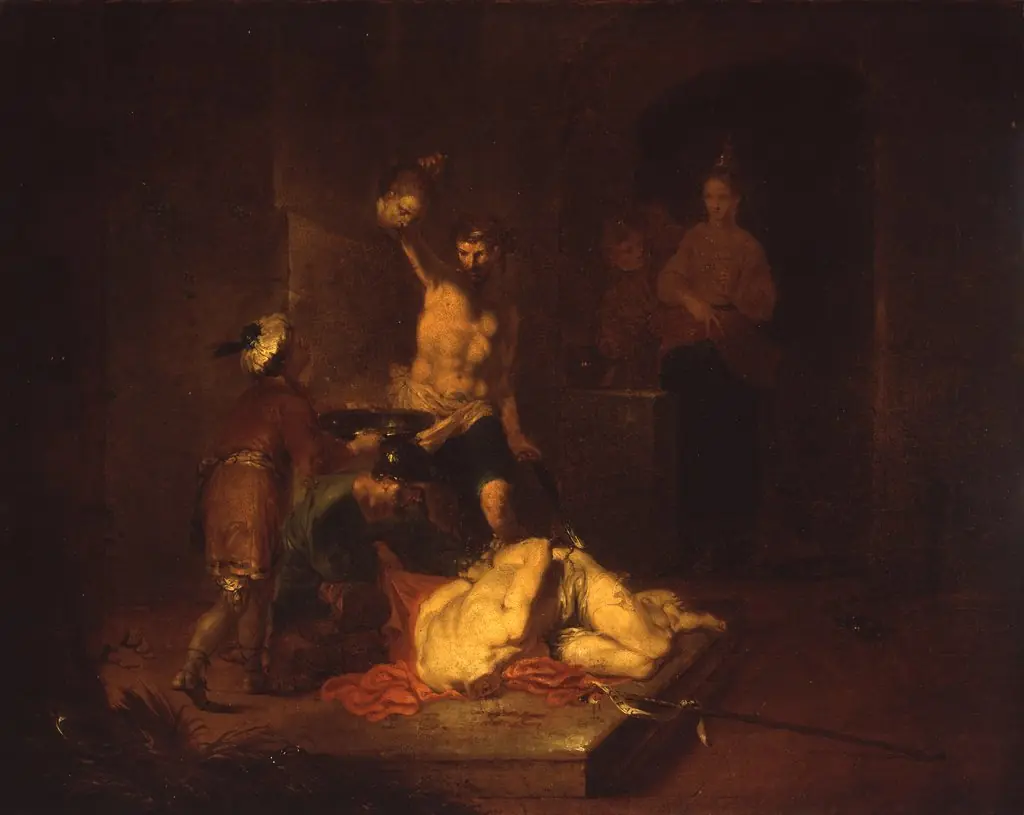 The Beheading of John the Baptist
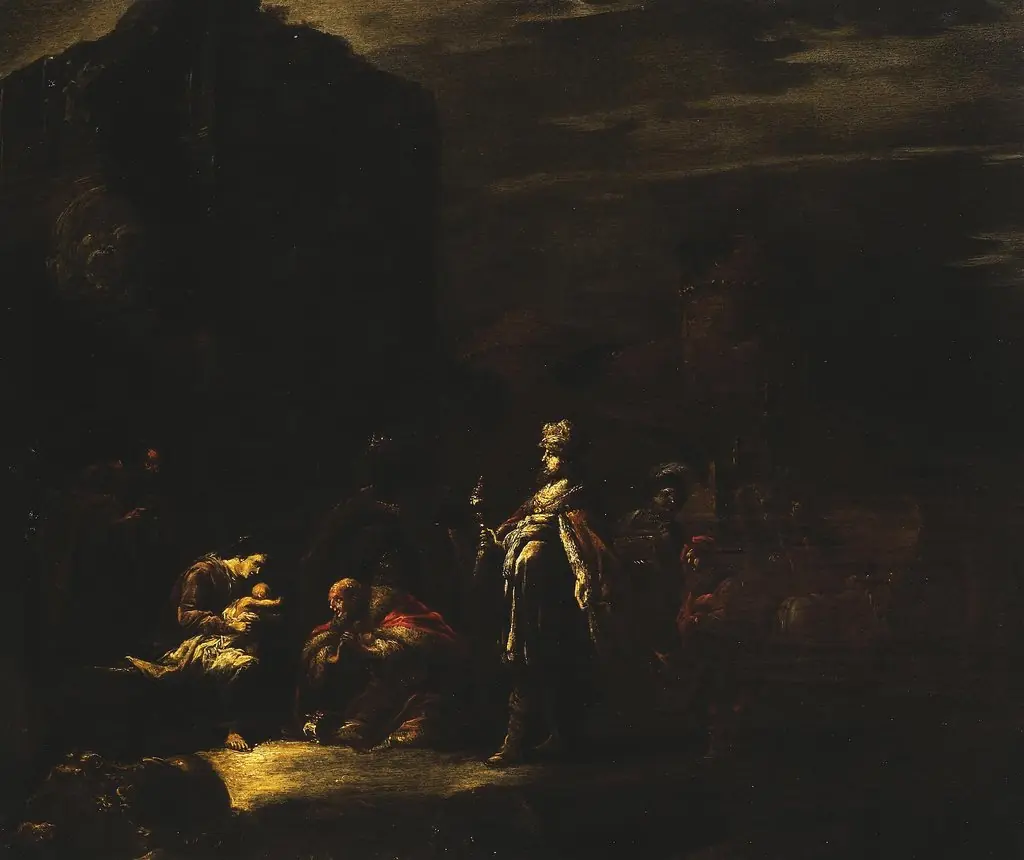 Adoration of the Magi
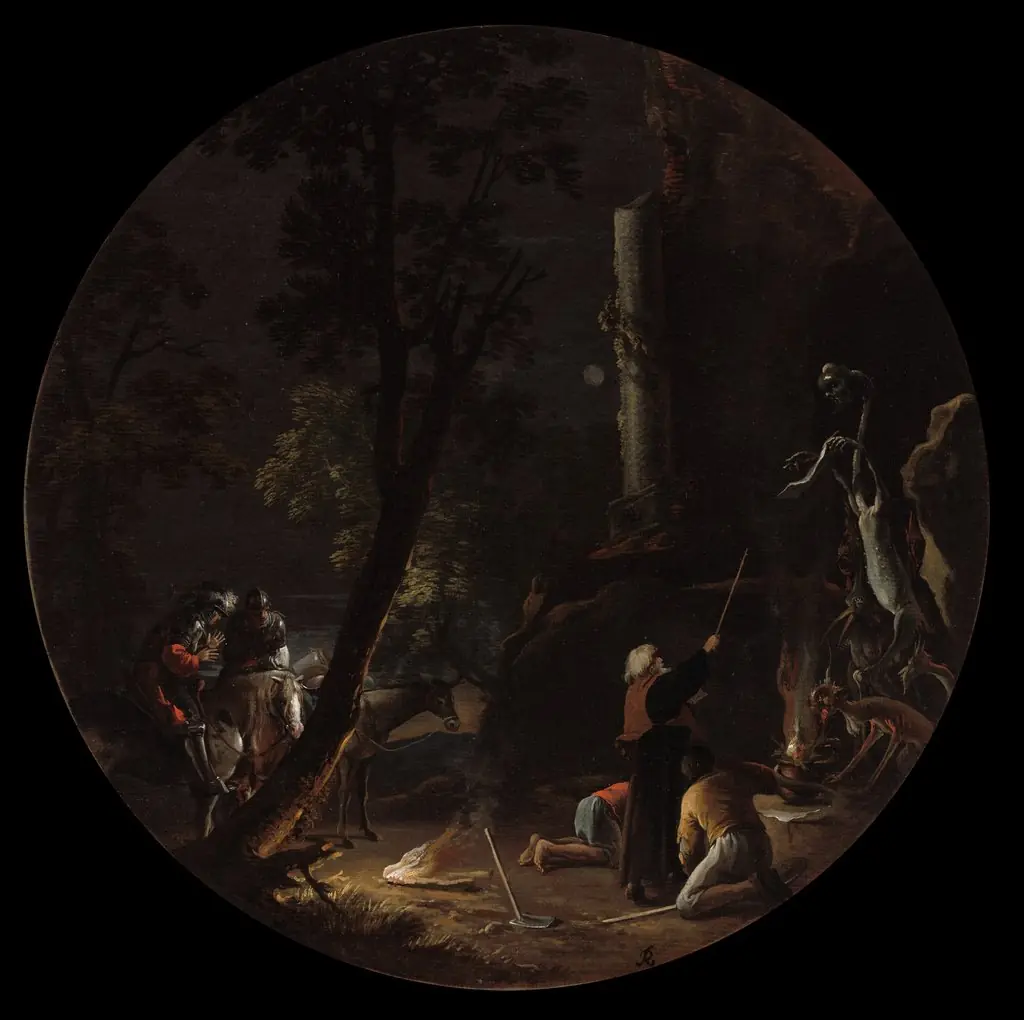 Scenes of Witchcraft: Night
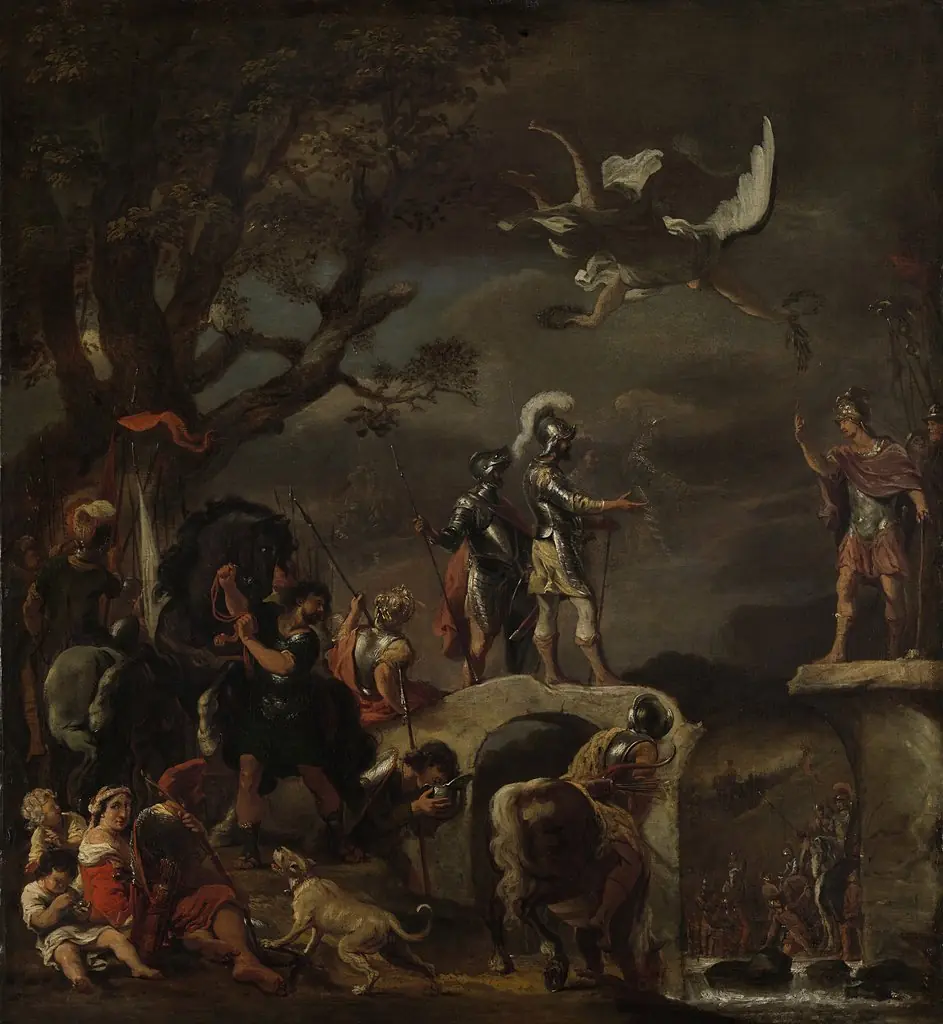 The peace negotiation between Claudius Civilis and Quintus Petillius Cerealis on the demolished bridge
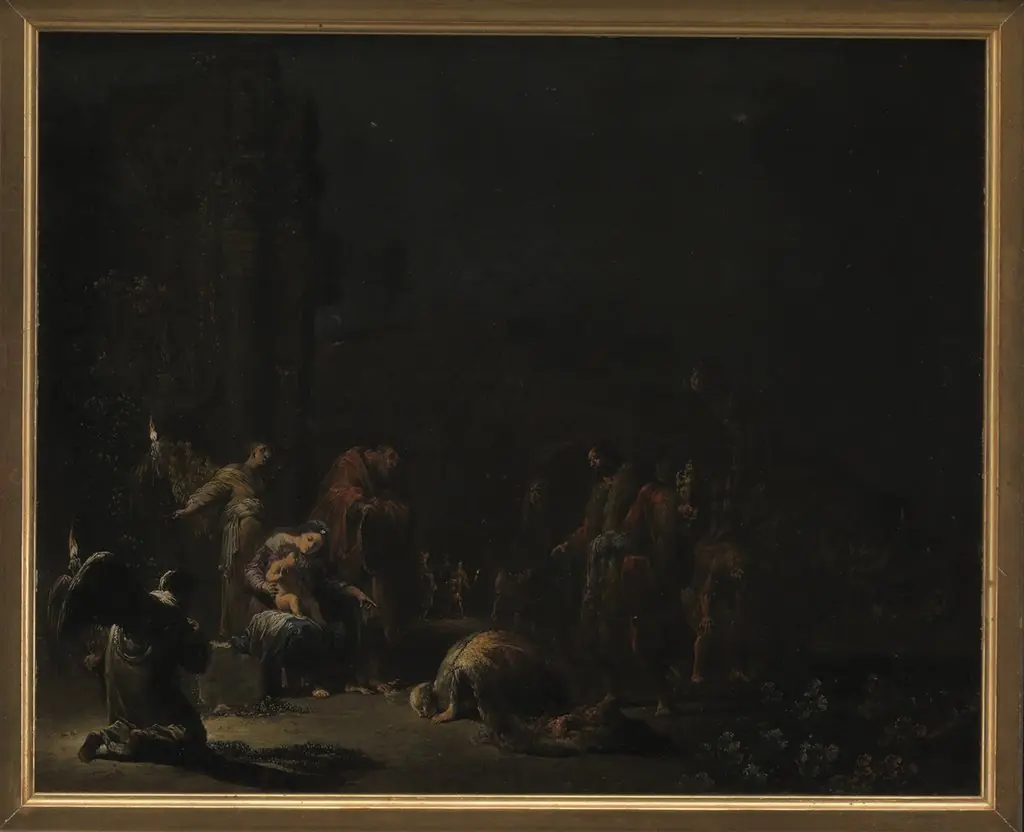 The Adoration of the Magi
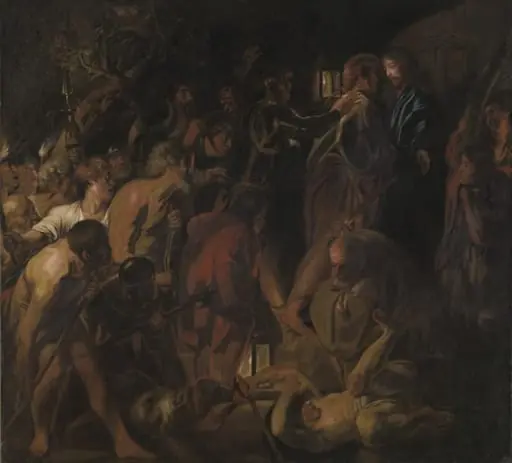 The Betrayal of Christ
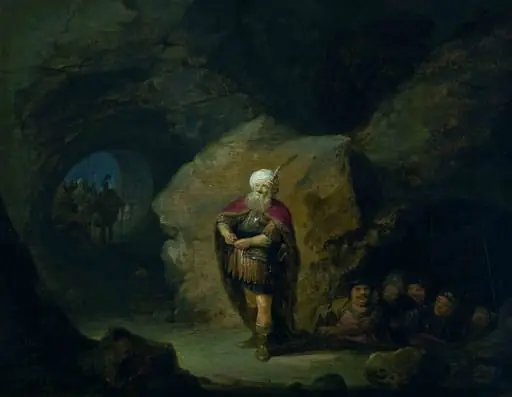 Episod din lupta lui Saul cu David
 The Adoration of the Magi