Artwork
Satyr and the Peasant
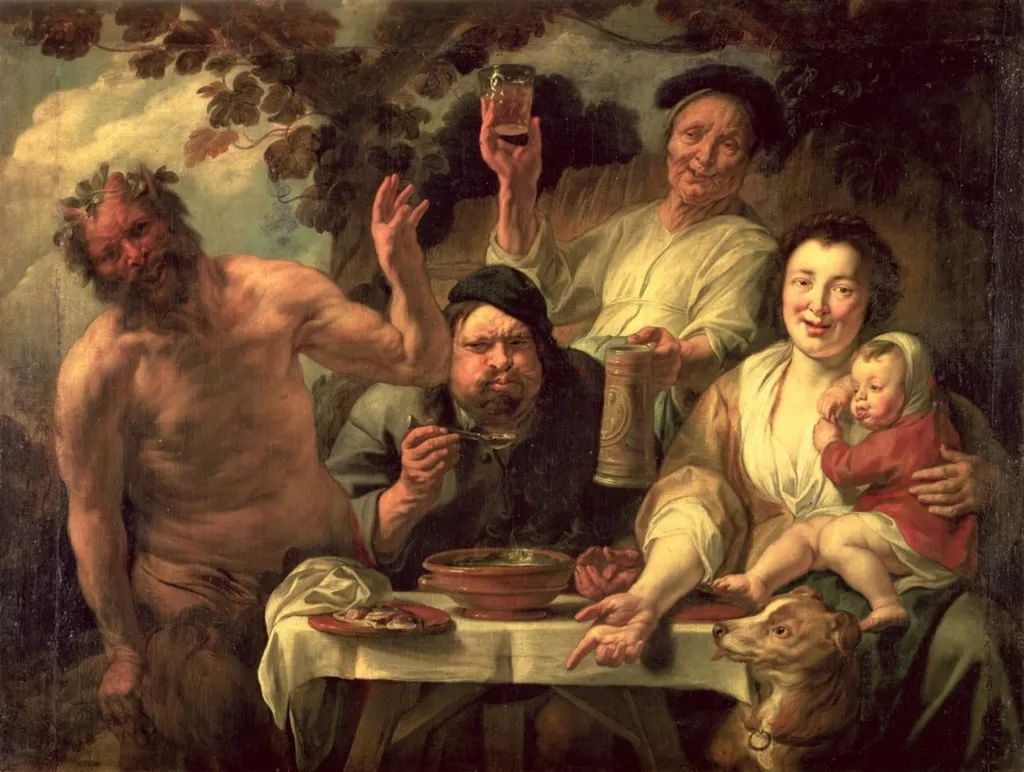
Satyr and the Peasant is an oil painting by the Flemish Baroque painting artist Jacob Jordaens. It dates from 1640 and is held in the collection of the Royal Museums of Fine Arts of Belgium.
About this work
Overview
Painted in 1640 by Jacob Jordaens, *Satyr and the Peasant* is an oil-on-canvas work rooted in the Flemish Baroque tradition.
Painted in 1640 by Jacob Jordaens, *Satyr and the Peasant* is an oil-on-canvas work rooted in the Flemish Baroque tradition. It belongs to a series of mythological and genre scenes Jordaens produced after the deaths of Rubens and van Dyck, establishing him as the dominant painter in Antwerp. The composition captures a moment of communal interaction, blending classical mythology with the vitality of everyday life in a way characteristic of his mature style.
Subject & Meaning
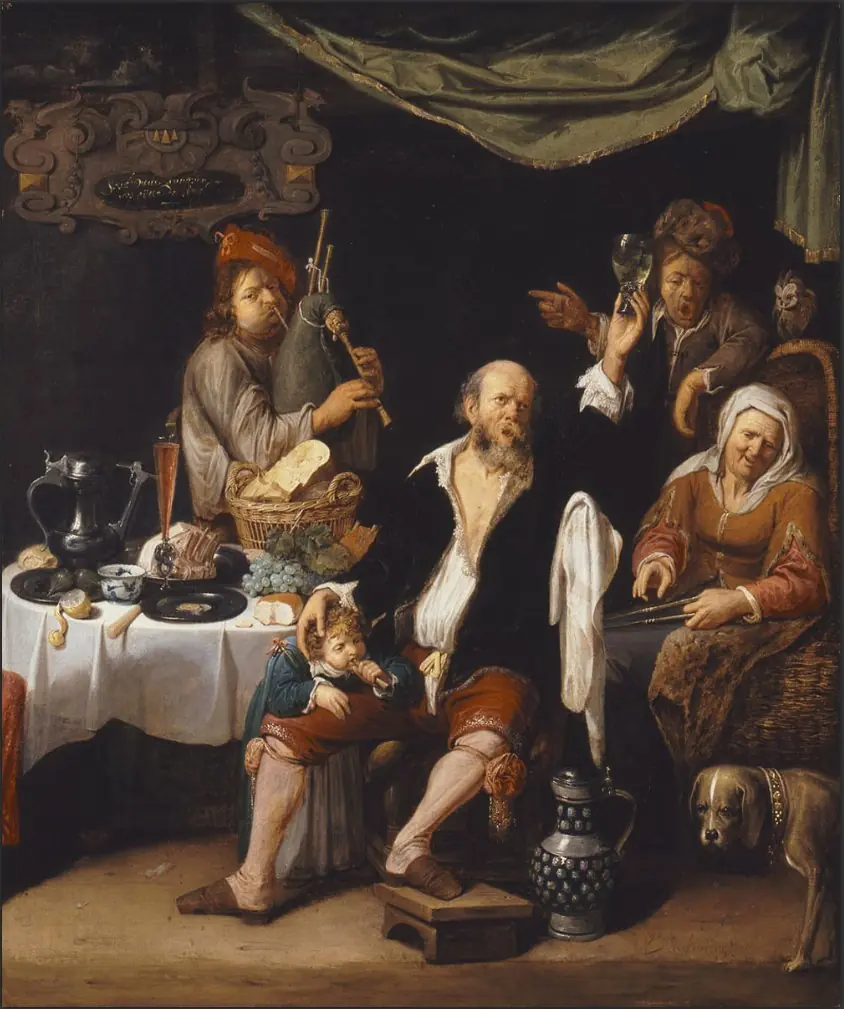
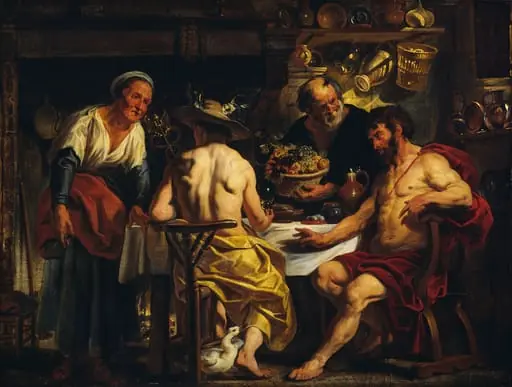
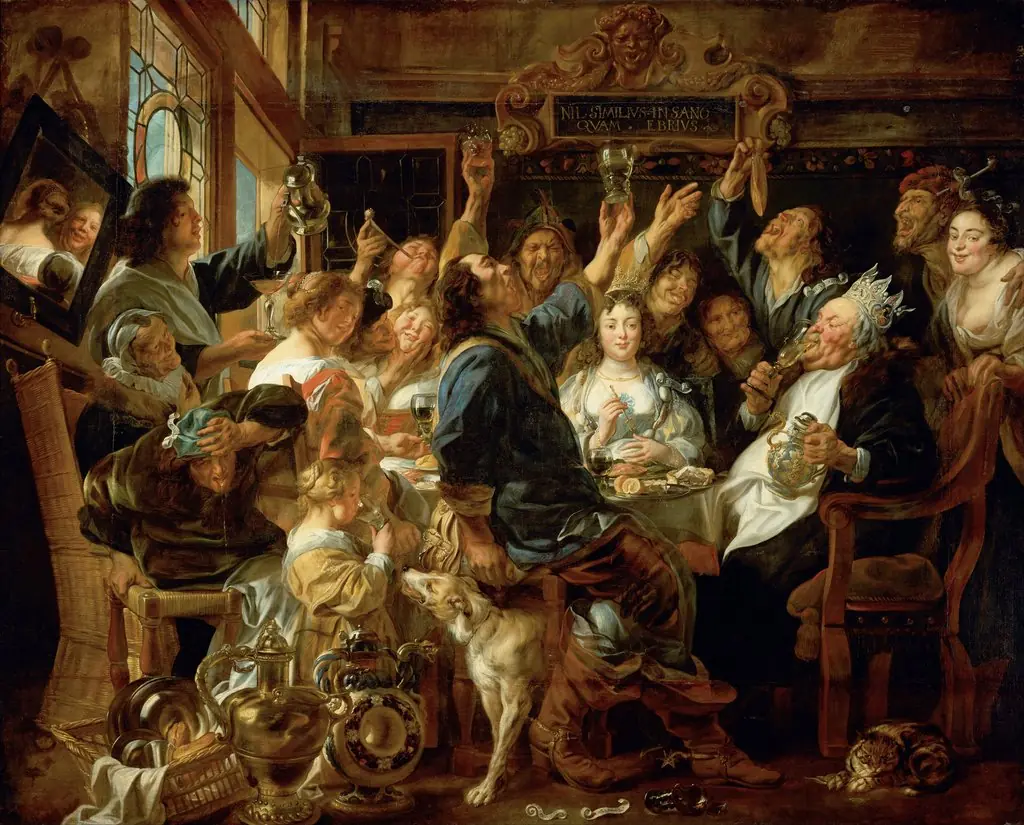
The scene illustrates a fable from Aesop in which a satyr, surprised by a peasant blowing on his hands to warm them and then on his soup to cool it, rejects the man’s contradictory behavior. Jordaens transforms the moral tale into a boisterous tavern gathering, where the satyr observes a group of peasants engaged in drinking and gesture. The tension between the mythical creature and the human revelers suggests themes of hypocrisy and the unpredictability of human nature.
Technique & Style
Jordaens employs rich, warm pigments and thick brushwork to convey texture and movement. Figures are arranged in a diagonal cascade, overlapping to create spatial depth, while gestures and glances direct the viewer’s eye across the canvas. The lighting is theatrical yet naturalistic, enhancing the immediacy of the moment. His handling of fabric, skin, and ceramic surfaces demonstrates a keen observation of materiality, typical of Flemish Baroque realism.
History & Provenance
The painting entered the collection of the Royal Museums of Fine Arts of Belgium in the 19th century, having likely passed through private collections in the Low Countries after its creation. It was documented in inventories of Antwerp patrons by the late 1600s, confirming its early circulation among collectors interested in mythological narratives rendered with vernacular vigor. Its preservation has remained consistent, with no major alterations recorded.
Context
In mid-17th-century Antwerp, mythological subjects were often reimagined through the lens of daily life, reflecting a cultural preference for relatable storytelling. Jordaens, unlike Rubens, favored earthy tones and robust figures drawn from local types. This painting aligns with a broader trend among Flemish artists to merge classical sources with the physicality of peasant culture, appealing to both civic pride and moral reflection.
Legacy
Jordaens’ reinterpretation of classical fables influenced later genre painters in Northern Europe, particularly in their blending of myth and realism. While less celebrated than his contemporaries, his work preserved a distinct regional voice within Baroque art. *Satyr and the Peasant* remains a key example of how Flemish painters used myth not as distant allegory, but as a mirror for human behavior in familiar settings.
Artist & collection
Artist
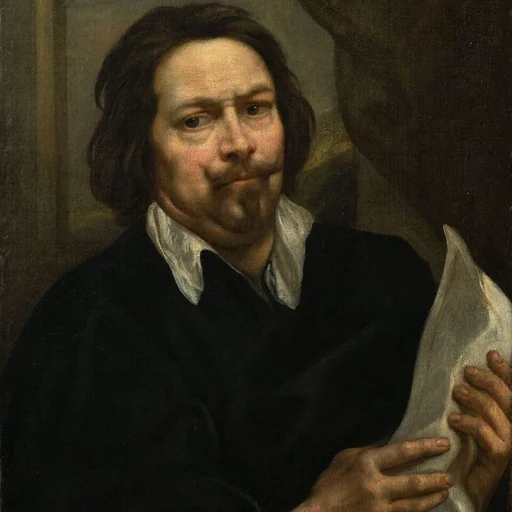
Jacques (Jacob) Jordaens (19 May 1593 – 18 October 1678) was a Flemish painter, draughtsman and a designer of tapestries and prints.

Museum
Royal Museums of Fine Arts of Belgium
Continue through works from the same source collection.
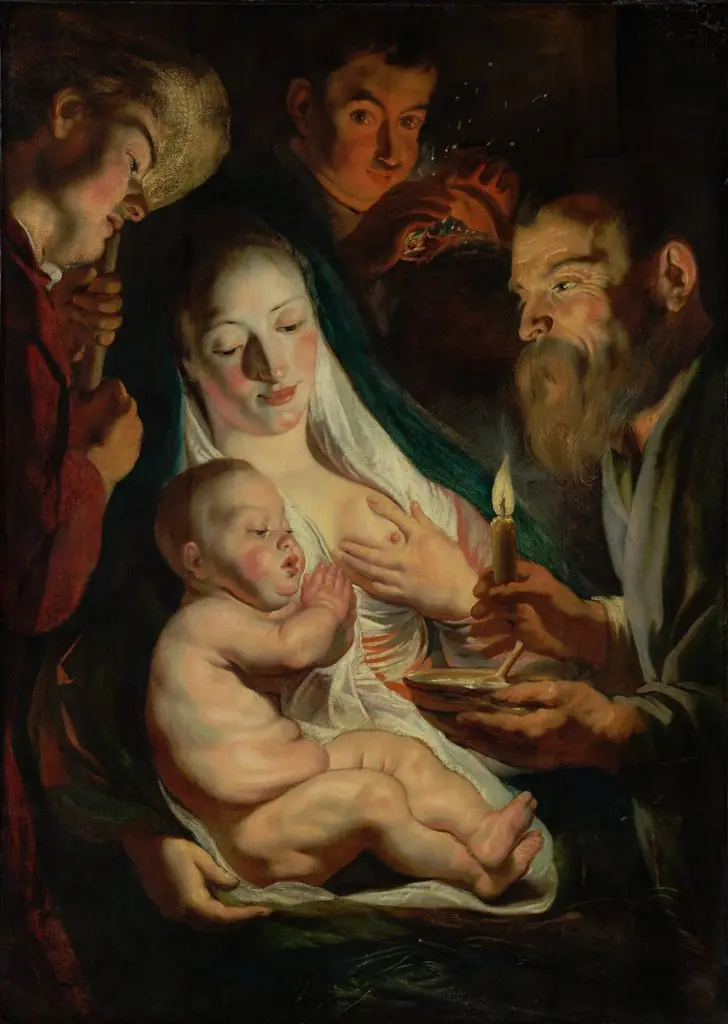 The Holy Family with Shepherds
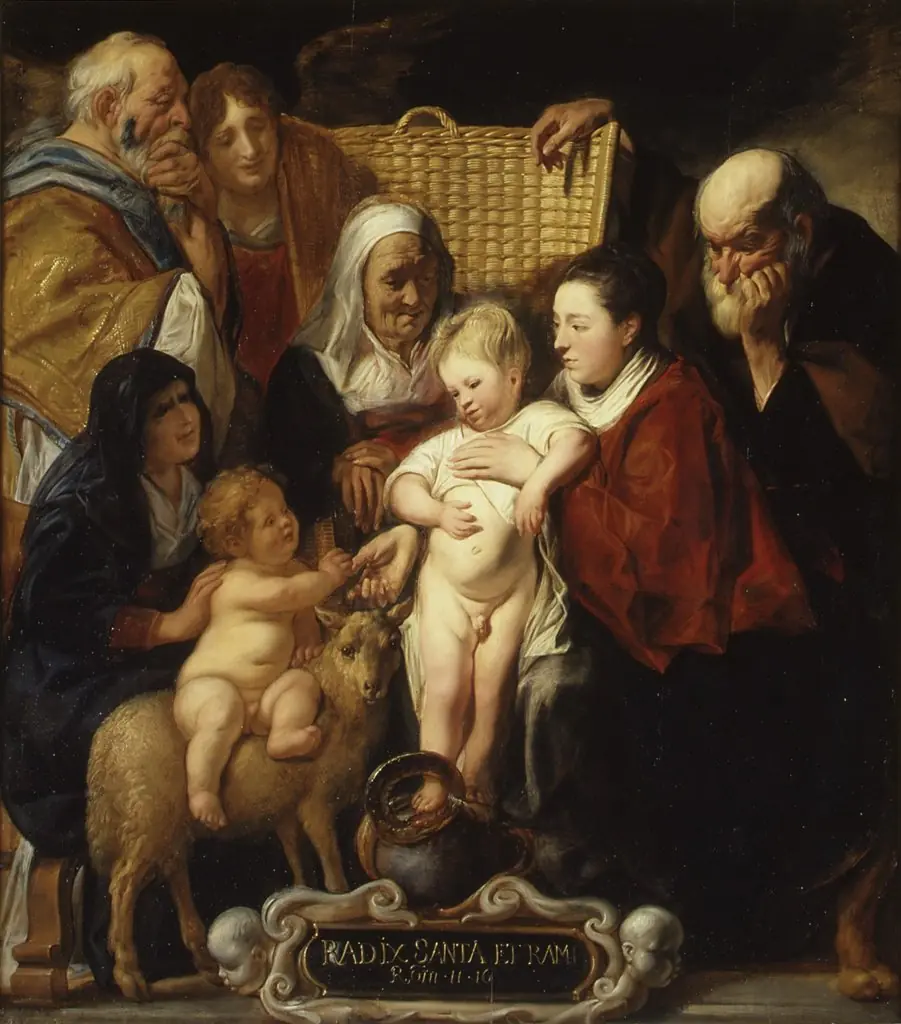 The Holy Family with Saint Anne and the Young Baptist and His Parents
 Untitled
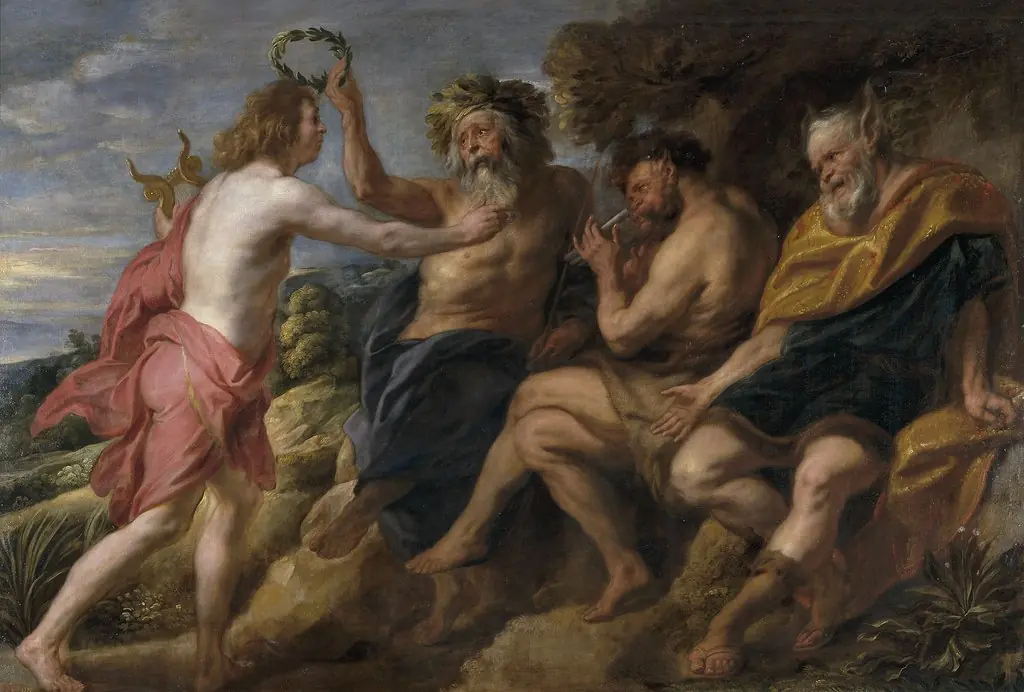 Apollo as Victor over Pan
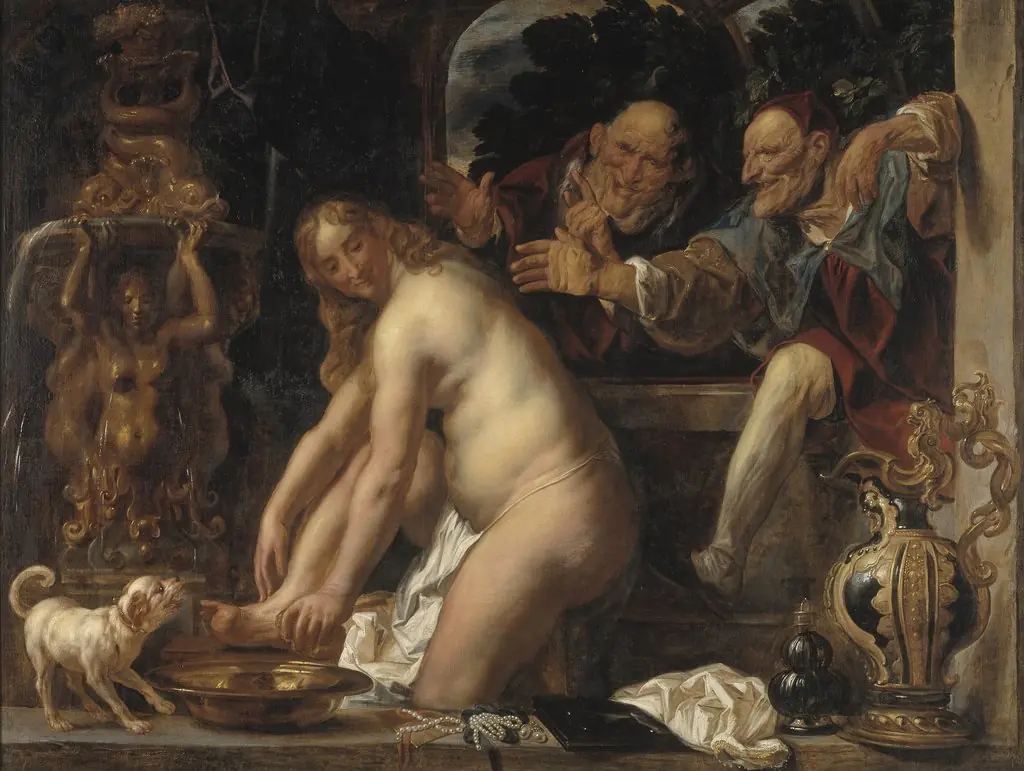 Susanna and the Elders
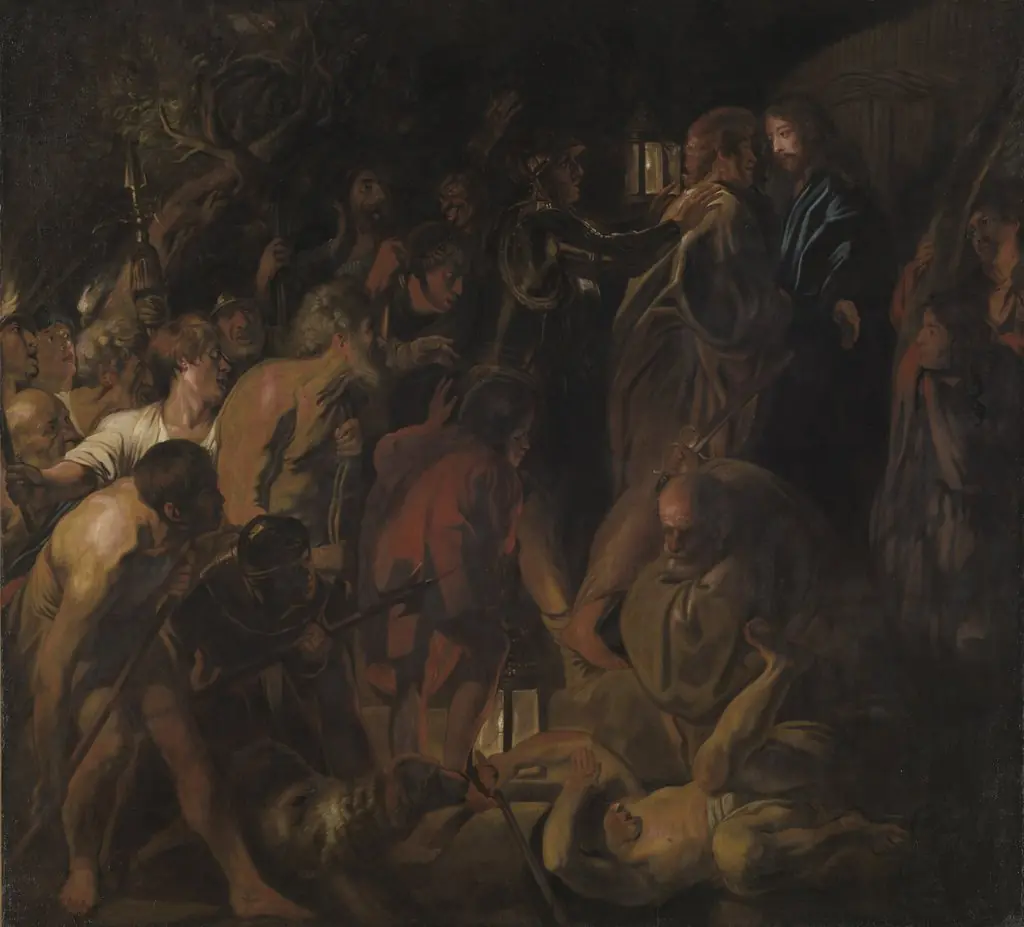 The Betrayal of Christ
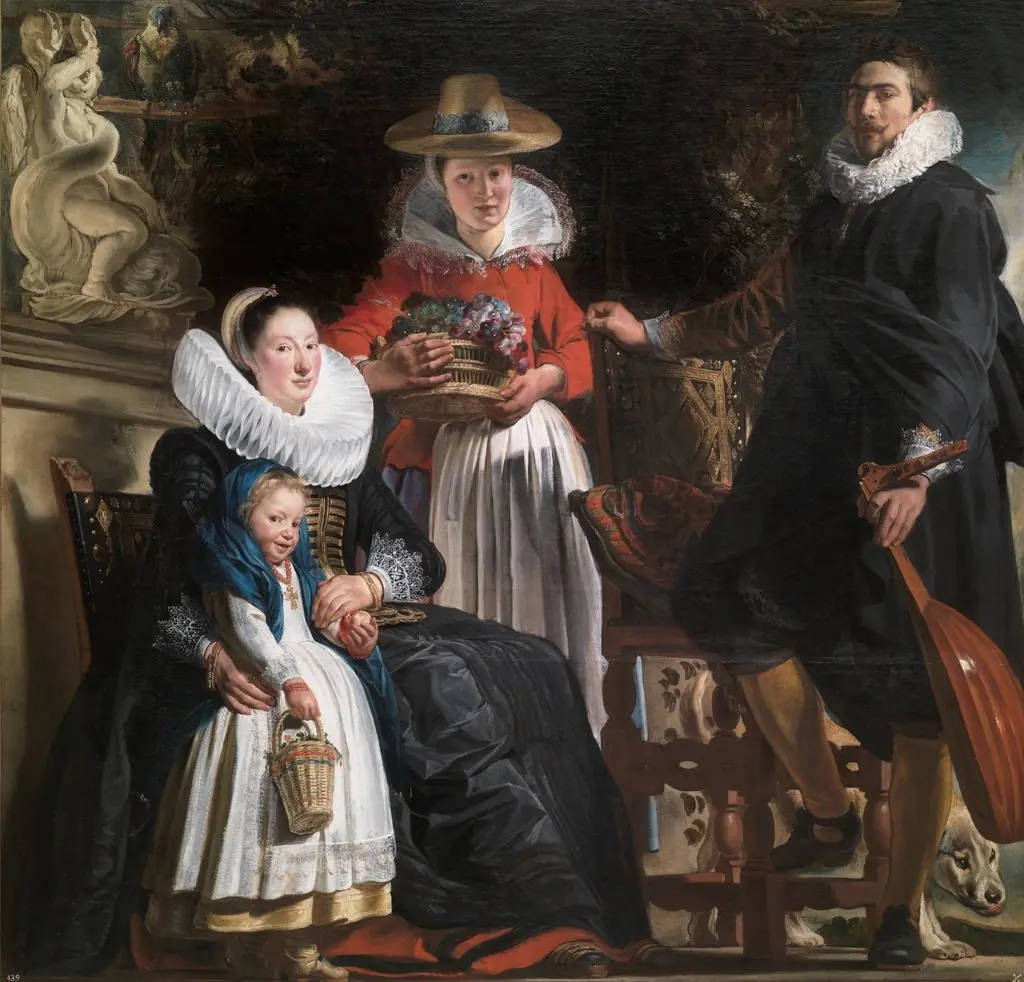 Portrait of the artist with his family
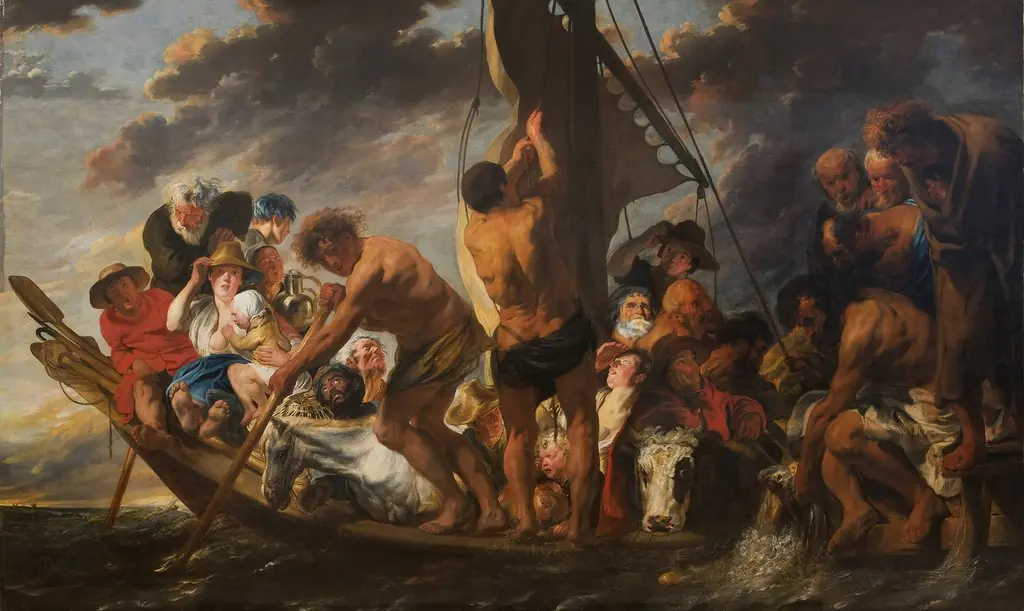 The Tribute Money. Peter Finding the Silver Coin in the Mouth of the Fish. Also called "The Ferry Boat to Antwerp"