Artwork
The Nativity
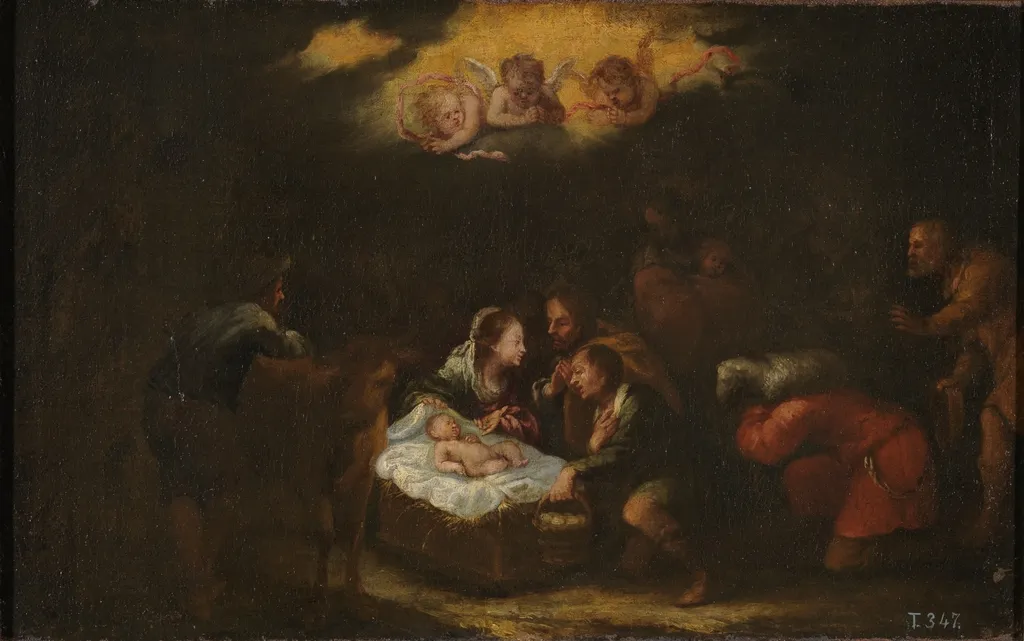
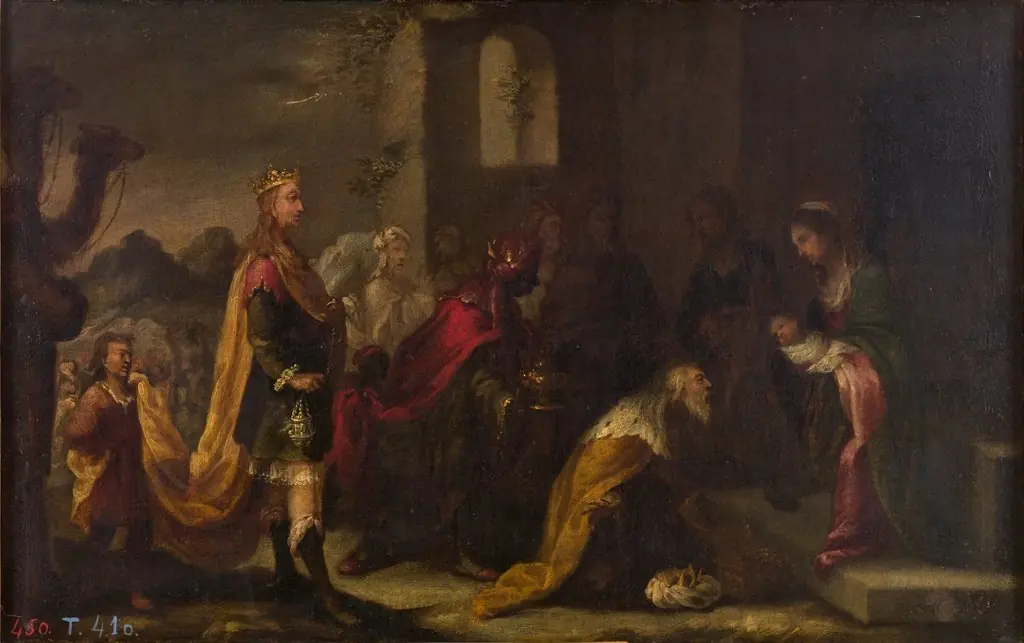
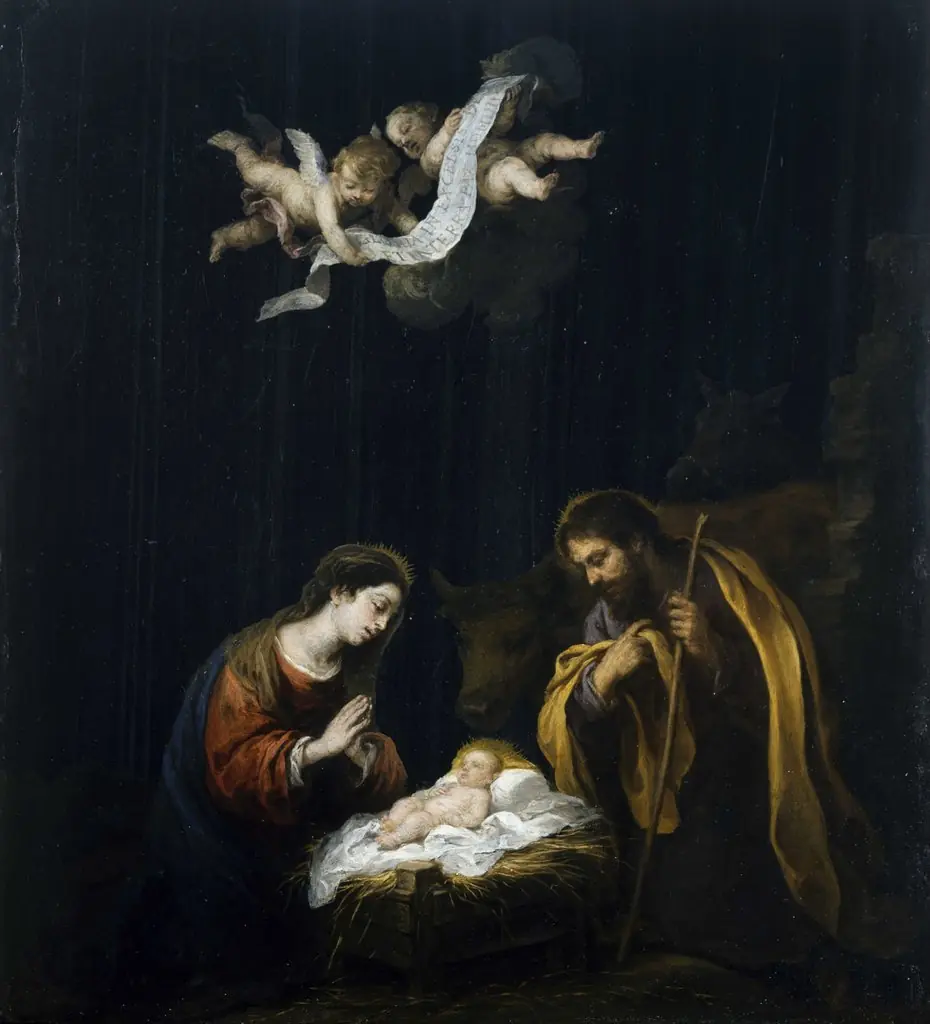
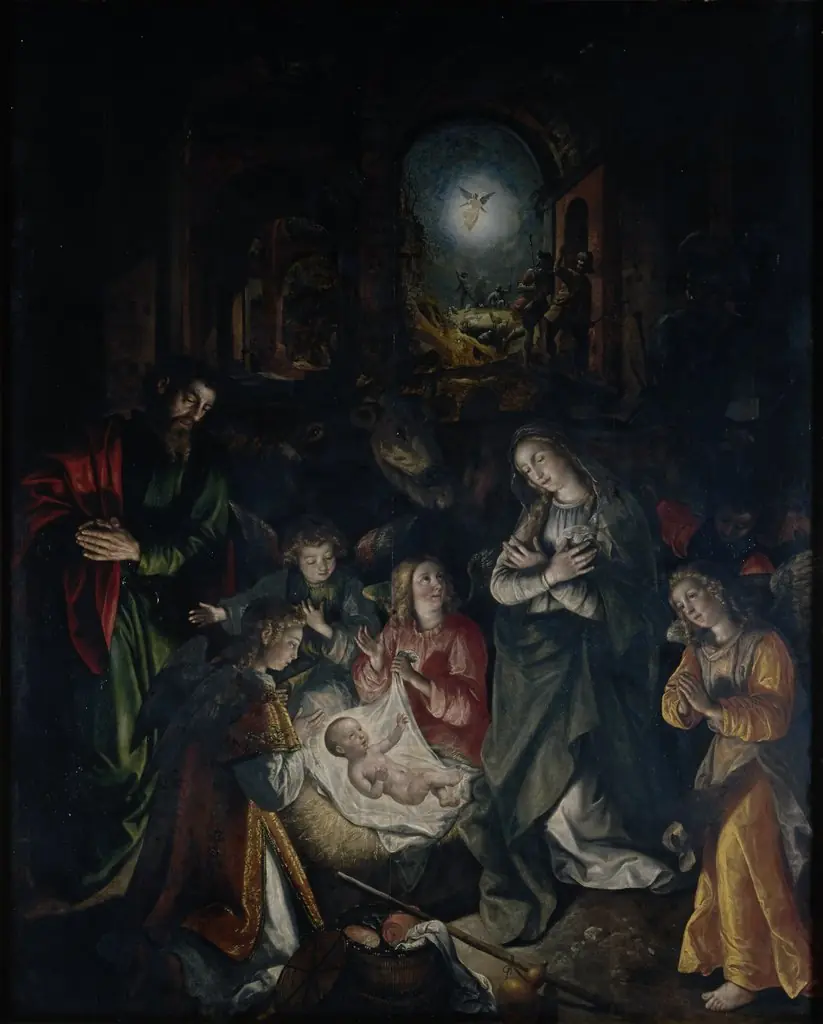
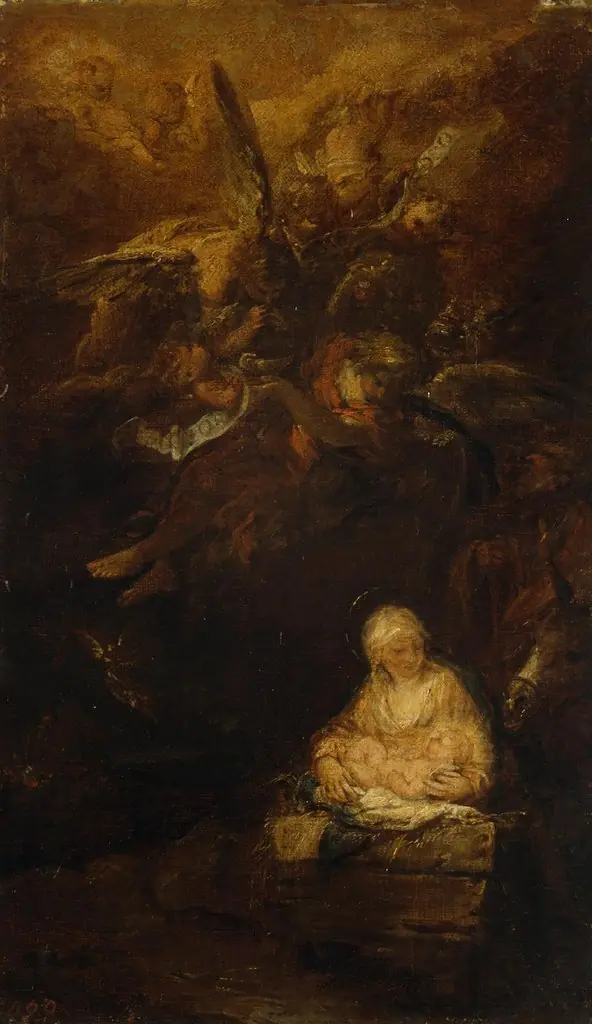
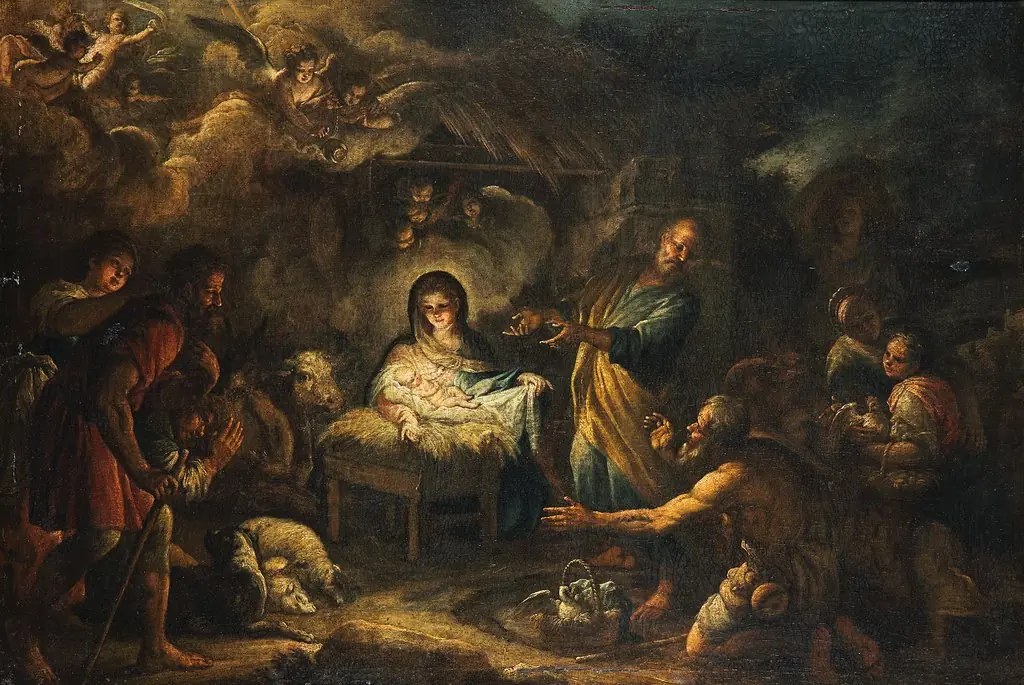
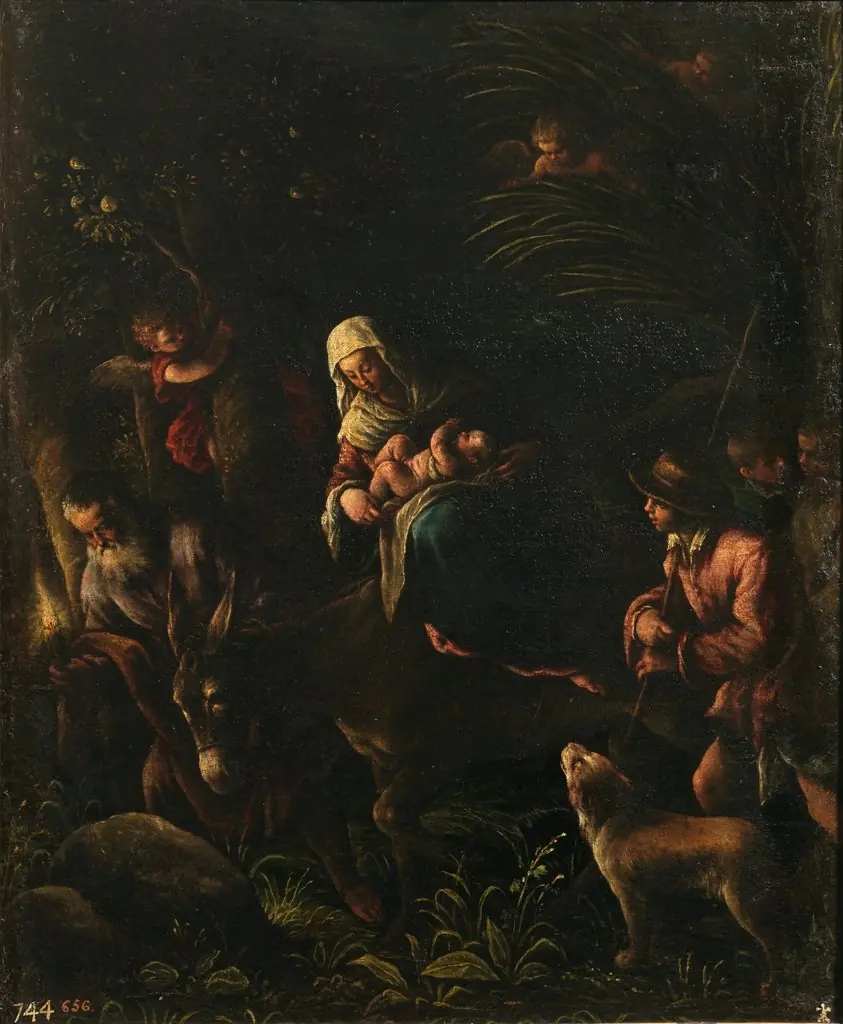
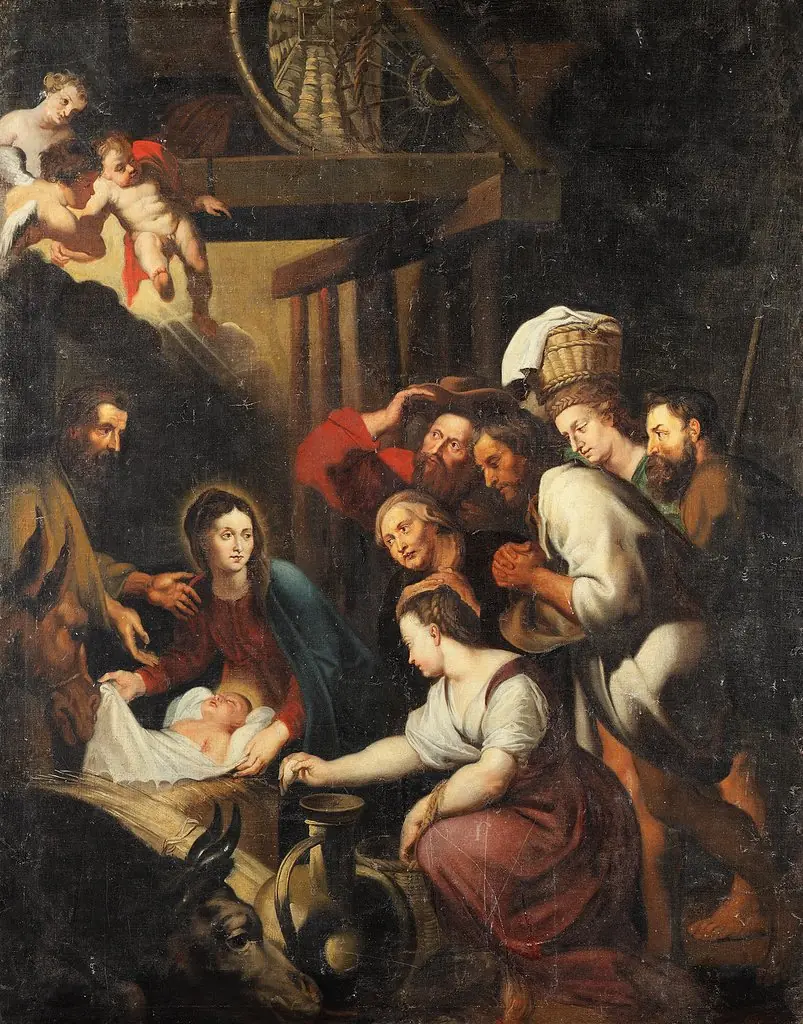
The Nativity is an oil painting by the Early Baroque Italian artist Francisco Antolínez. It dates from 1601 and is held in the collection of the Museo del Prado. Created in 1601, this oil painting presents a nocturnal stable where a woman cradles an infant wrapped in white cloth.
About this work
Overview
Created in 1601, this oil painting presents a nocturnal stable where a woman cradles an infant wrapped in white cloth. The composition is illuminated by a soft golden glow descending from above, while surrounding figures kneel or stand in quiet observation. The work resides in the Museo del Prado, Madrid.
Subject & Meaning
The central motif is the Nativity, with the infant representing the Christ Child. The presence of modest basketry and a humble setting underscores themes of poverty and divine humility, aligning the scene with the devotional practices common in 17th‑century Spanish religious art.
Technique & Style
Employing chiaroscuro, the artist contrasts deep shadows with a focused beam of light that accentuates the mother and child. This dramatic lighting creates a spotlight effect, guiding the viewer’s eye and enhancing the emotional intimacy of the tableau.
History & Provenance
Although the painter is better known for historical and landscape subjects influenced by Murillo, this early Baroque work reflects his engagement with religious genre painting. It entered the Prado’s collection in the early 20th century, where it remains on display.
Context
The painting exemplifies the Spanish Baroque’s emphasis on piety and realism, drawing on Italian compositional models while retaining a distinctly Spanish sensibility. Its subdued palette and intimate scale were intended for private devotion rather than public liturgical display.
Own this work as a print
Artist & collection
Artist
Francisco Antolínez de Sarabia (1645–1700) was a historical and landscape painter who studied in the school of Murillo, whose style and manner of colouring he followed.