Artwork
The Holy Family
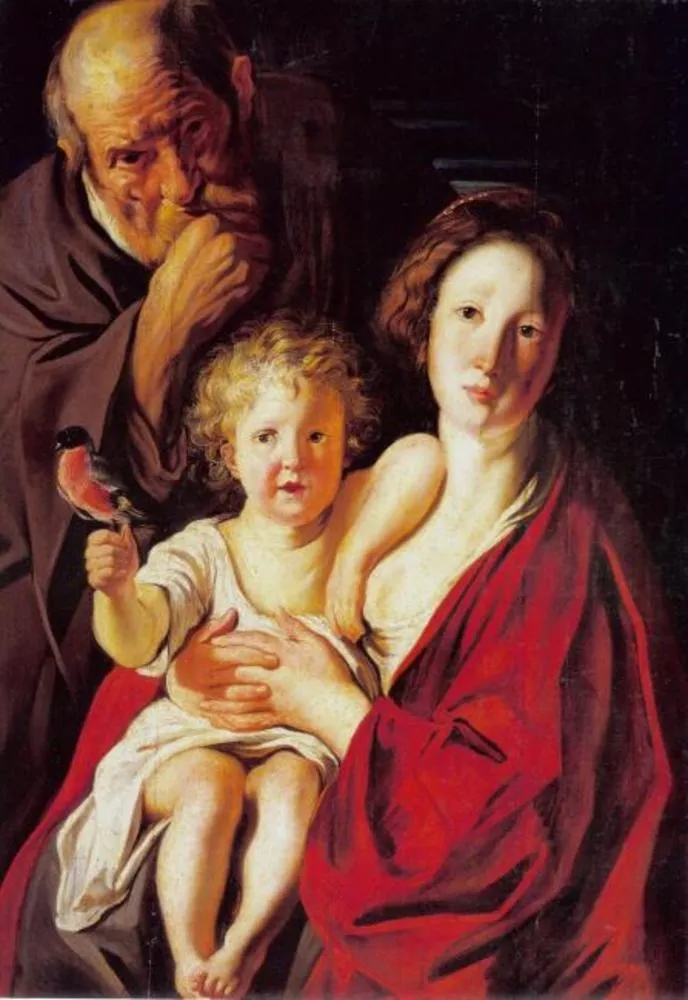
The Holy Family is an oil painting by the Flemish Baroque painting artist Jacob Jordaens. It dates from 1619 and is held in the collection of the Städel Museum.
About this work
Overview
The painting resides today in the Städel Museum’s collection, preserved as a key example of early 17th-century Northern European devotional art.
Painted in 1619 by Jacob Jordaens, this oil-on-canvas work portrays a domestic moment centered on the Holy Family. Executed in the Flemish Baroque style, it reflects Jordaens’ mastery of intimate religious narrative. Though less internationally known than his contemporaries, he was a central figure in Antwerp’s artistic community. The painting resides today in the Städel Museum’s collection, preserved as a key example of early 17th-century Northern European devotional art.
Subject & Meaning
The scene presents the Virgin Mary holding the infant Jesus, with an older male figure—possibly Saint Joseph or a symbolic elder—standing behind them. A European robin, held gently by the child, introduces a naturalistic element often associated with Christ’s future sacrifice in Christian iconography. The quiet, familial setting transforms a sacred subject into a relatable domestic moment, emphasizing tenderness over grandeur.
Technique & Style
Jordaens employs chiaroscuro to model the figures with soft, warm light against a deep, shadowed background, enhancing their three-dimensionality. Rich reds in Mary’s robe contrast with the child’s pale garments, drawing focus to the central interaction. The brushwork is detailed yet unforced, avoiding theatricality in favor of quiet realism. The composition’s intimacy is reinforced by the close grouping of figures and the absence of ornate surroundings.
History & Provenance
Created during Jordaens’ early mature period, the painting reflects his development after training under Peter Paul Rubens. It remained in the Low Countries throughout its history, eventually entering the Städel Museum’s holdings in the 19th century. Unlike many works by his peers, it was not widely reproduced or exported, preserving its regional character and contributing to its understated scholarly profile.
Context
In early 17th-century Antwerp, religious imagery was often rendered with emotional immediacy for private devotion. Jordaens’ approach diverged from the grandeur of Rubens, favoring grounded, humanized scenes. The inclusion of everyday details—like the robin—aligns with Flemish traditions of embedding symbolic meaning in natural elements, catering to a local audience seeking spiritual resonance in familiar settings.
Legacy
Though overshadowed by Rubens and van Dyck in broader art history, Jordaens’ quiet, human-centered compositions influenced later generations of Northern European painters. This work exemplifies his commitment to accessible religious storytelling, bridging sacred tradition and domestic realism. Its preservation in the Städel Museum ensures continued study of his nuanced contribution to Baroque visual culture.
Artist & collection
Artist
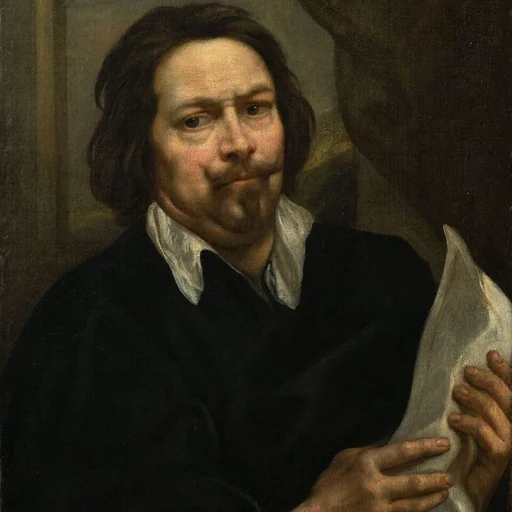
Jacques (Jacob) Jordaens (19 May 1593 – 18 October 1678) was a Flemish painter, draughtsman and a designer of tapestries and prints.

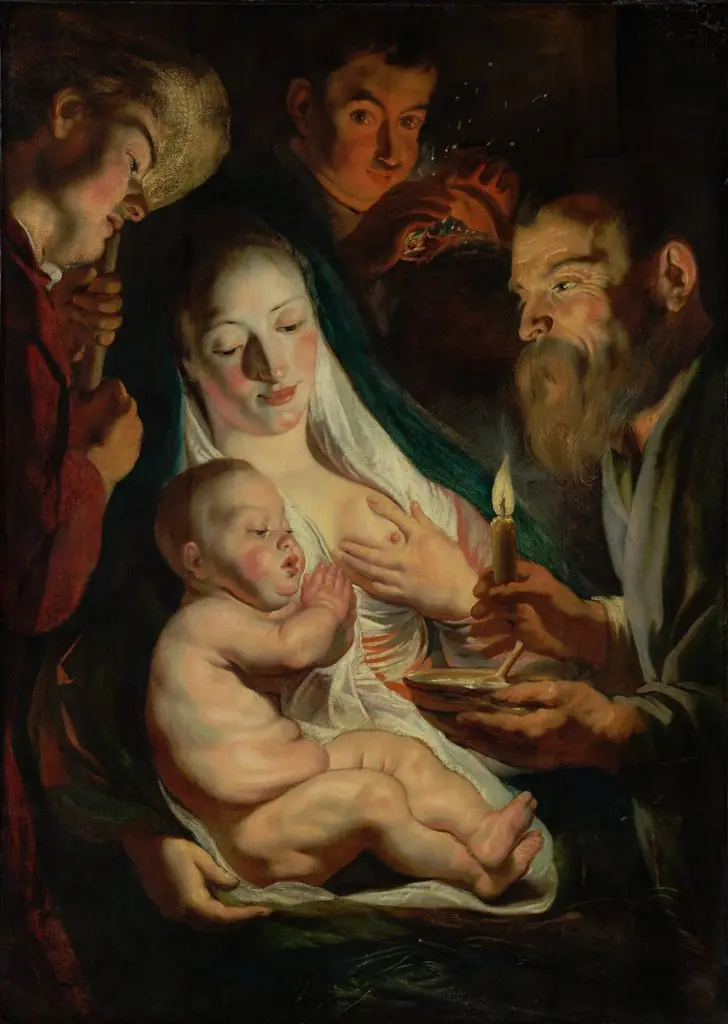 The Holy Family with Shepherds
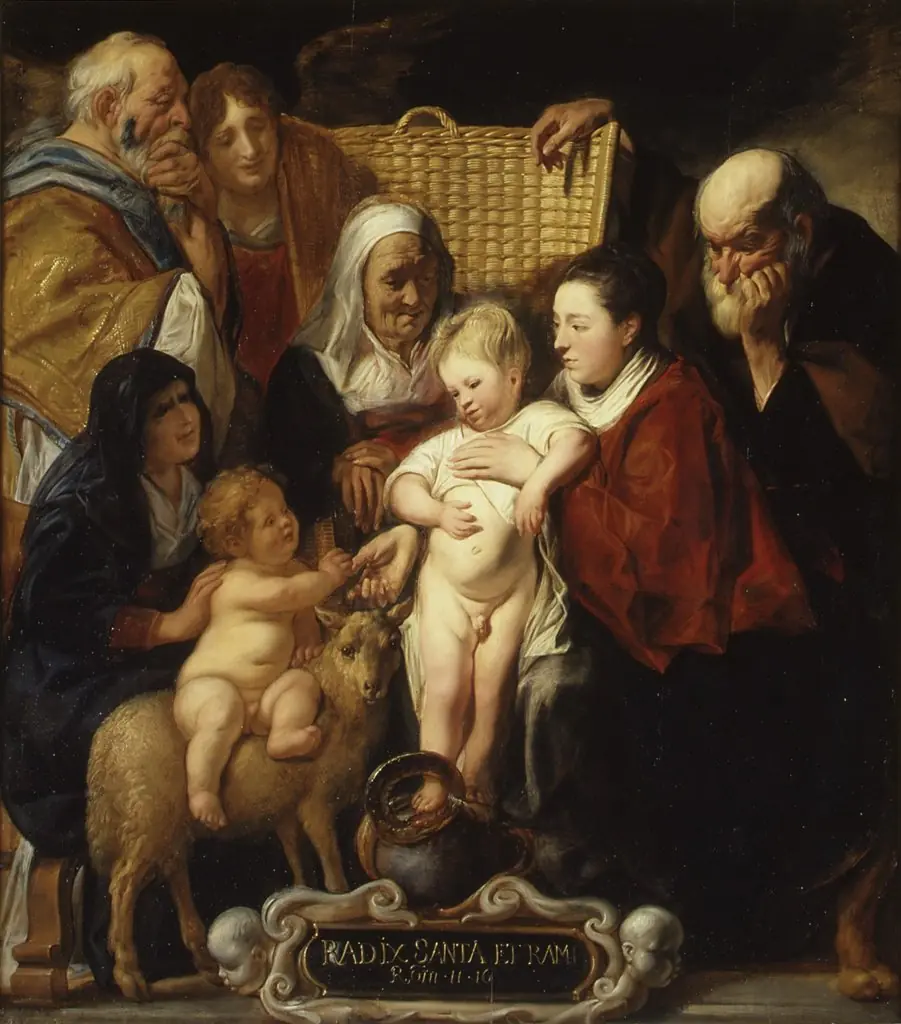 The Holy Family with Saint Anne and the Young Baptist and His Parents
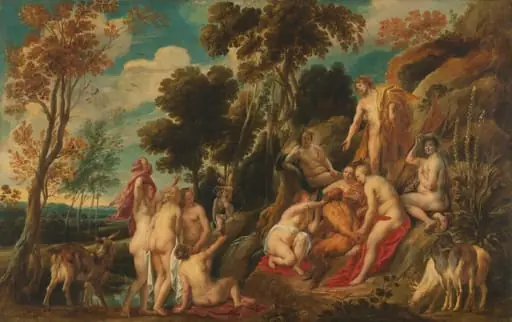 Untitled
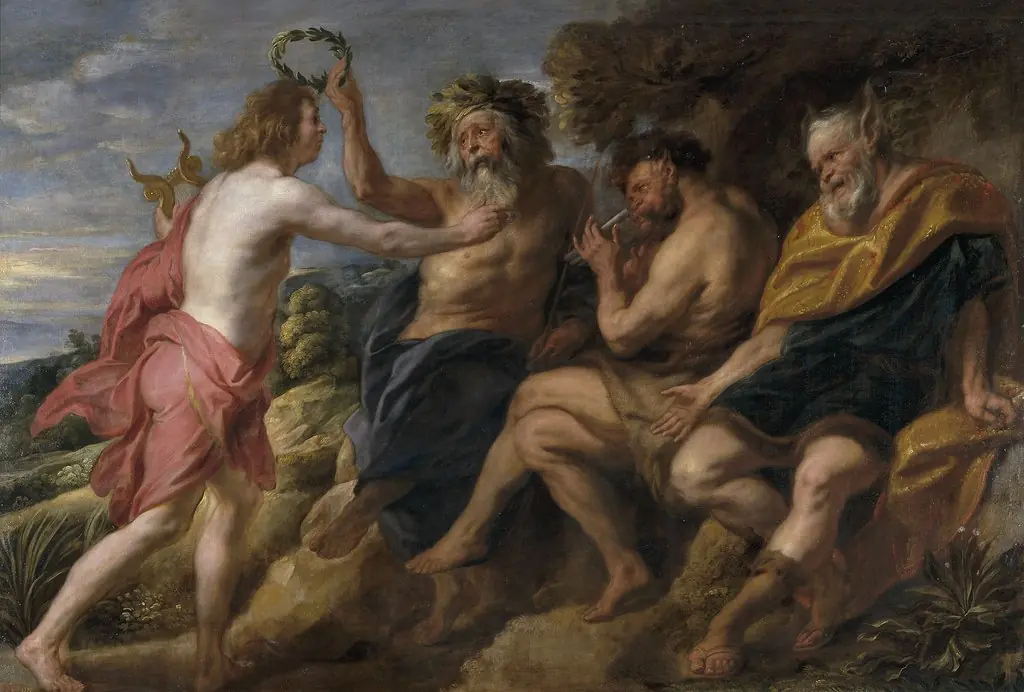 Apollo as Victor over Pan
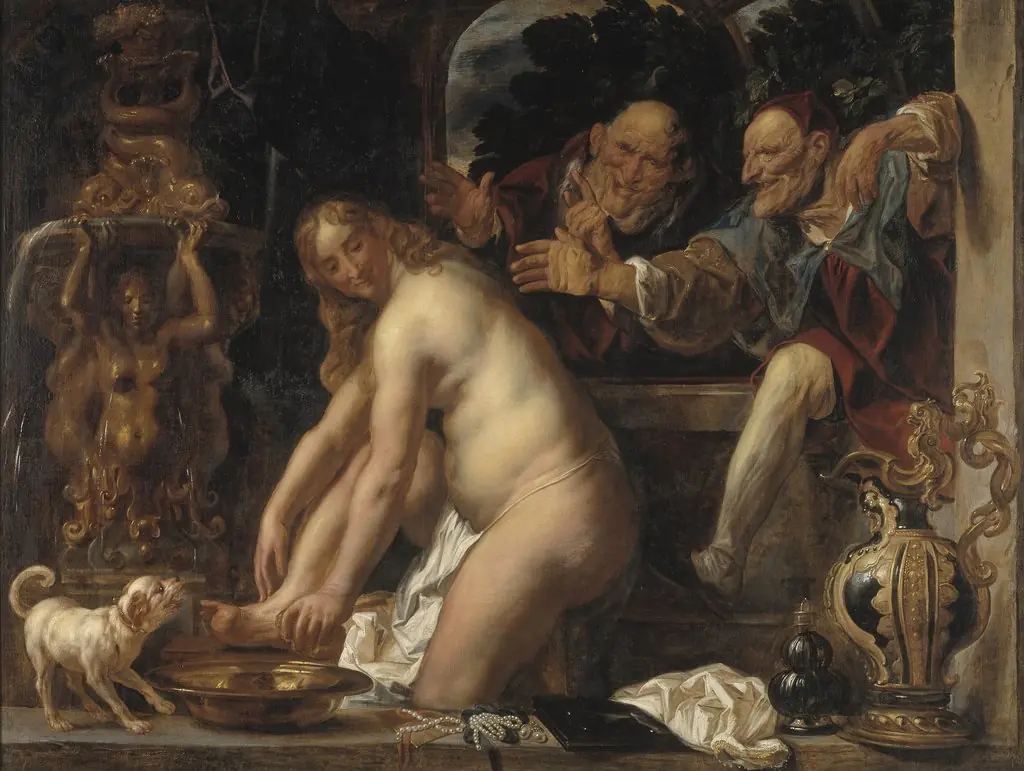 Susanna and the Elders
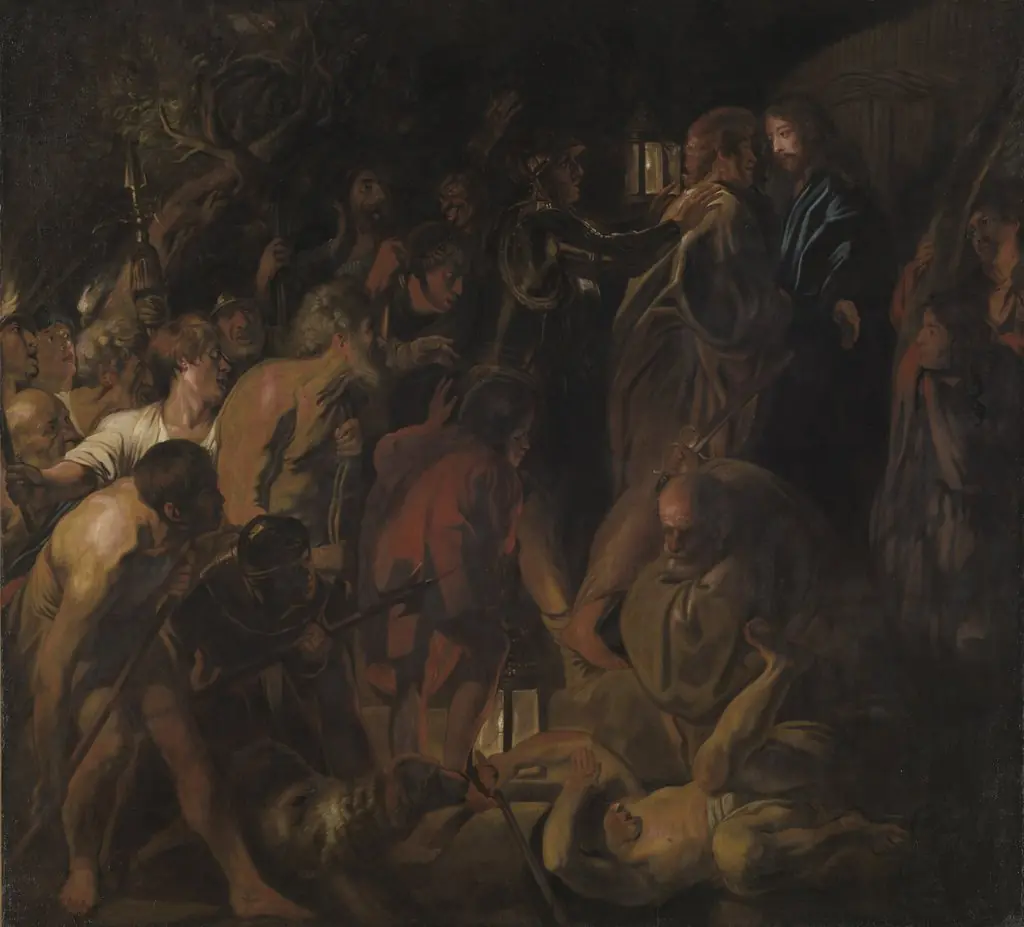 The Betrayal of Christ
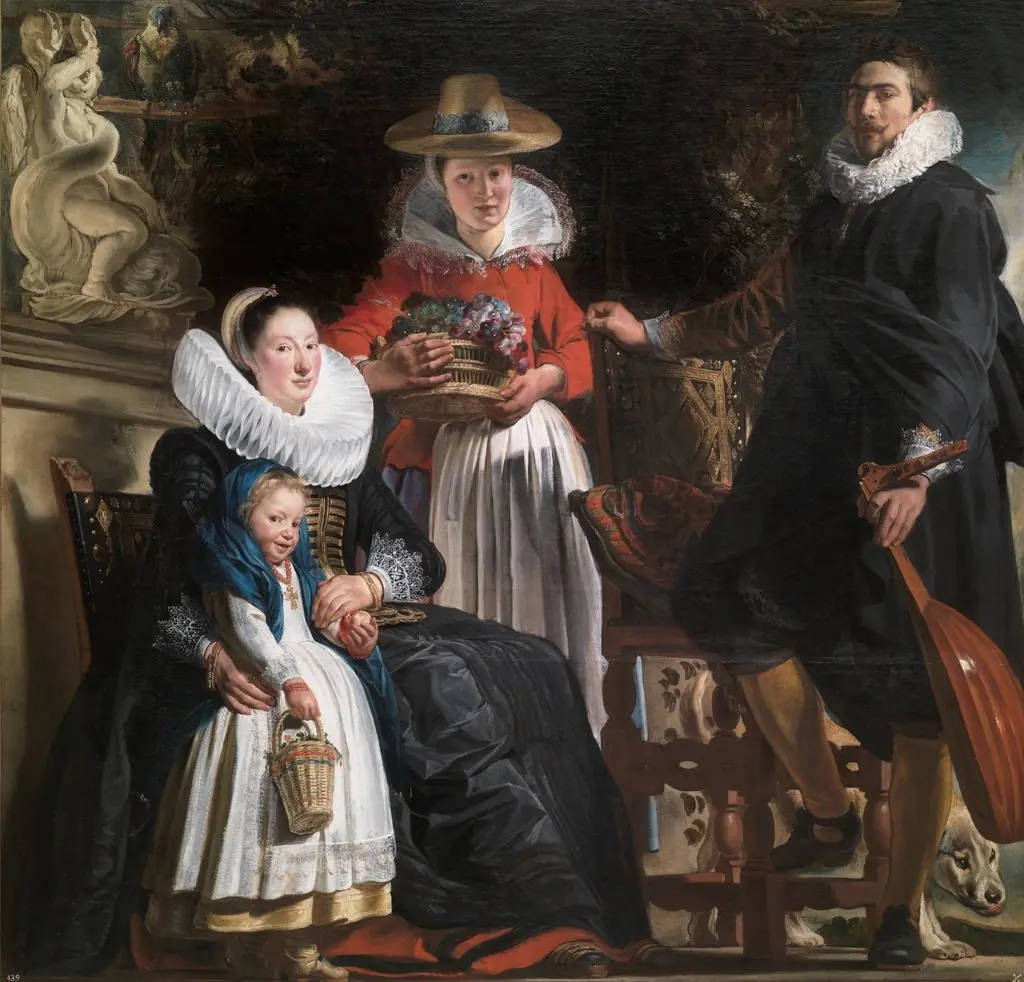 Portrait of the artist with his family
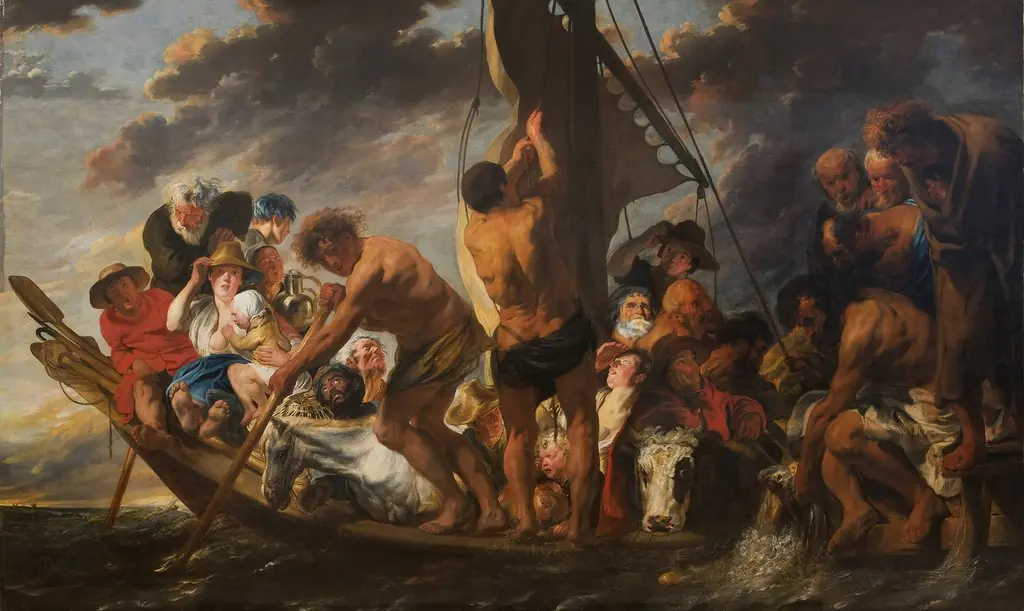 The Tribute Money. Peter Finding the Silver Coin in the Mouth of the Fish. Also called "The Ferry Boat to Antwerp"
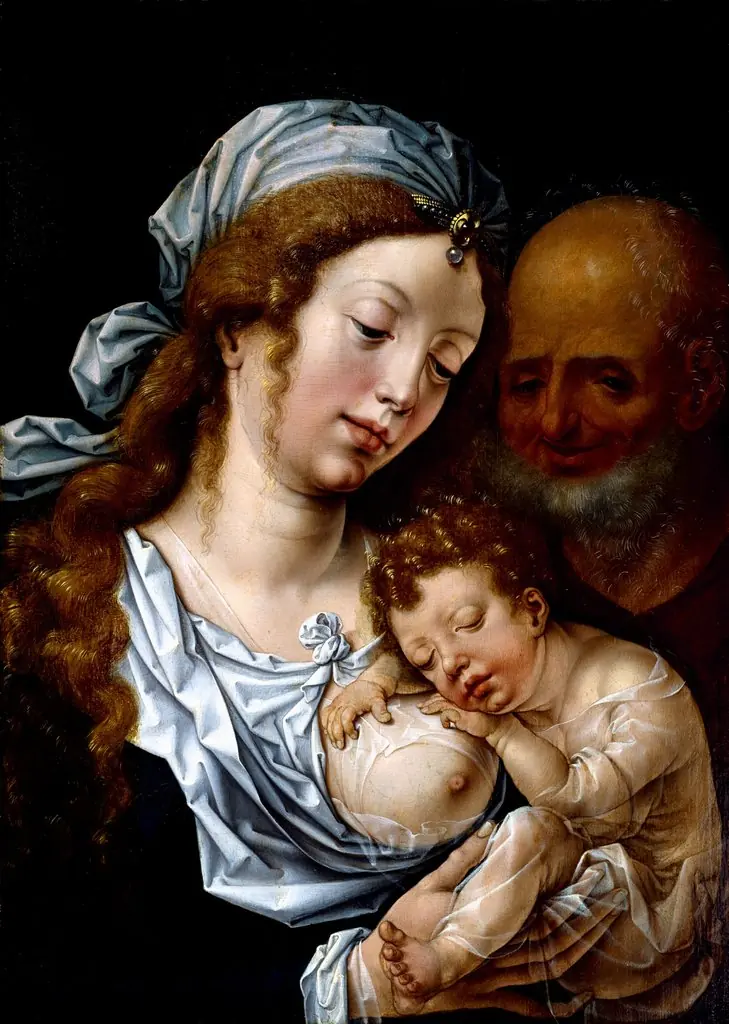 The Holy Family
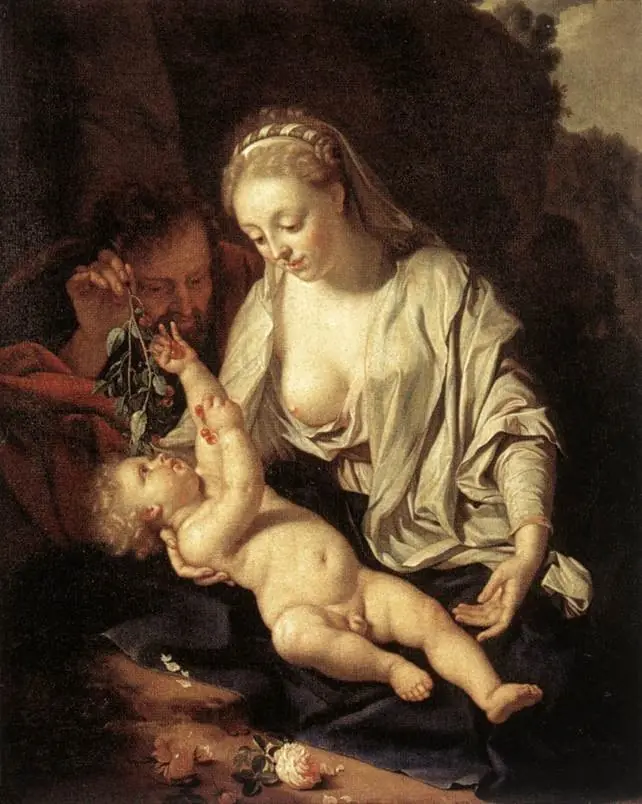 The Holy Family
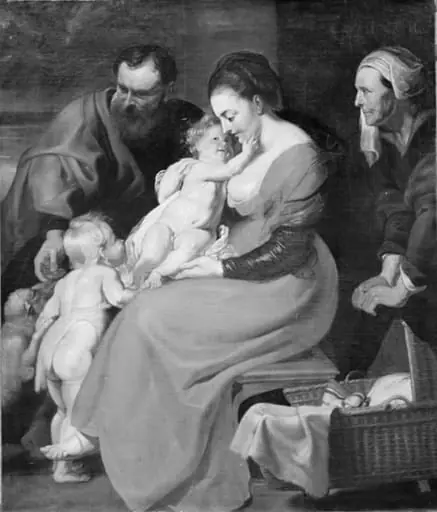 The Holy Family
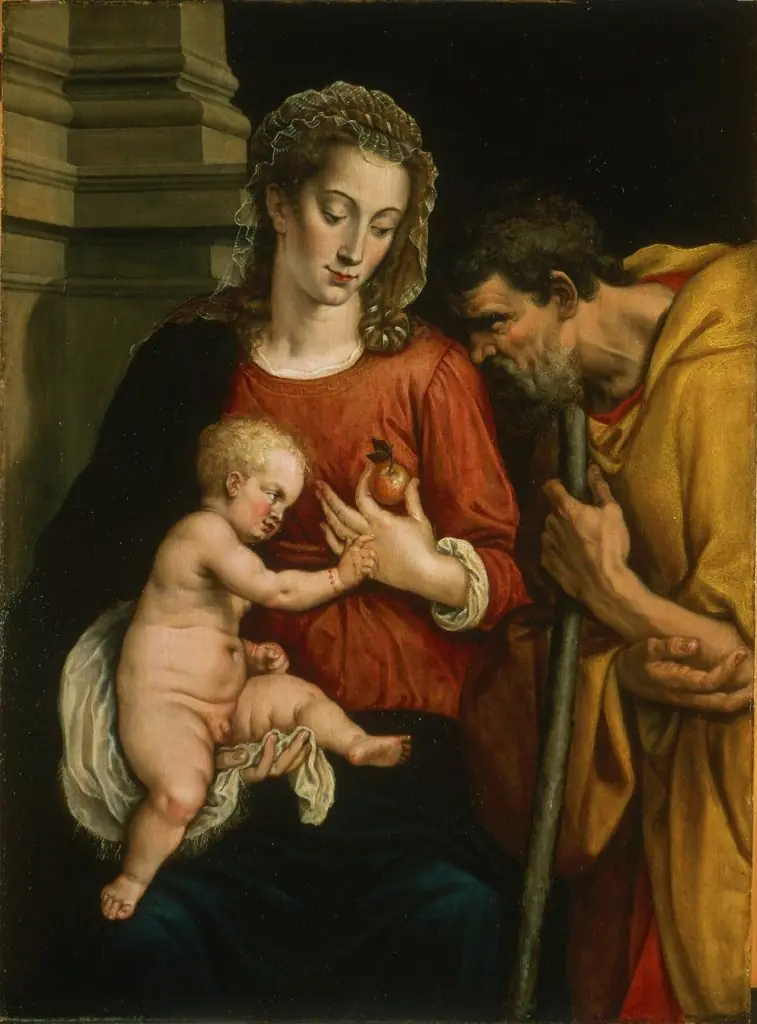 The Holy Family
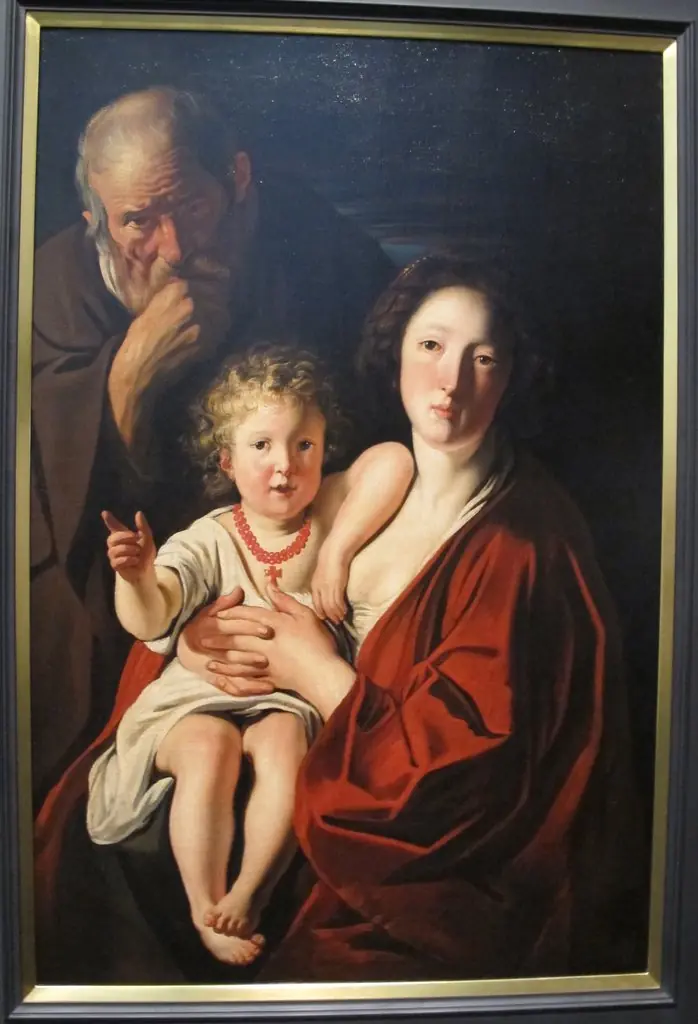 Holy Family
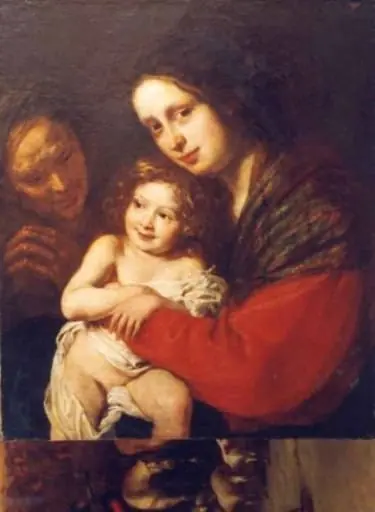 Maria cu Iisus Copil și Sfânta Ana
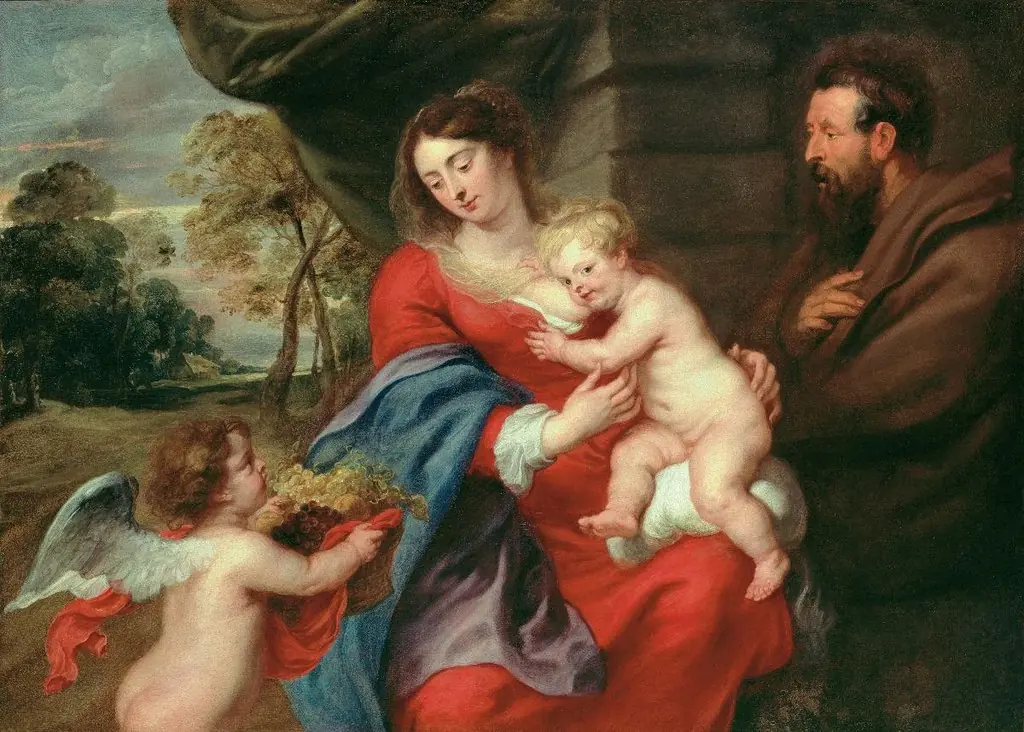 Heilige Familie
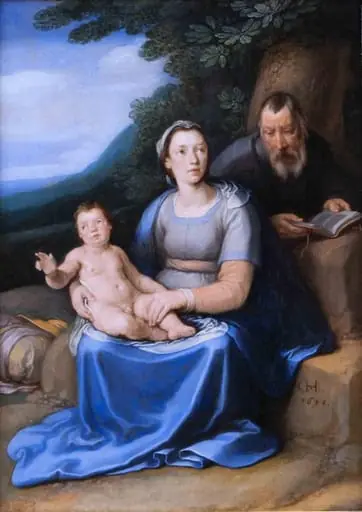 Popas în timpul Fugii în Egipt
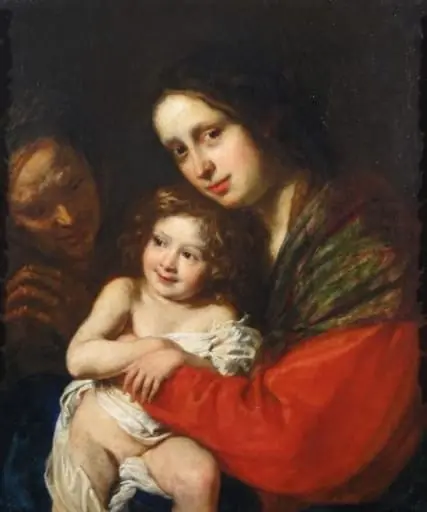 Maria cu Pruncul și Sfânta Ana
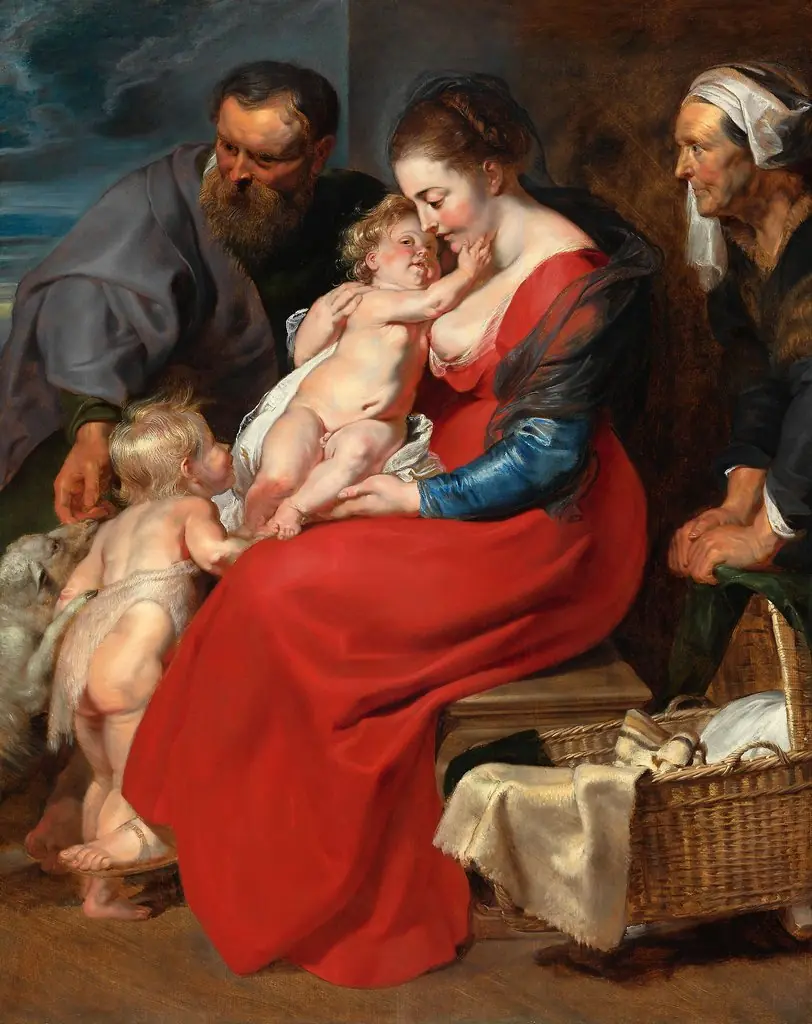 The Holy Family with Saint Elizabeth and Saint John
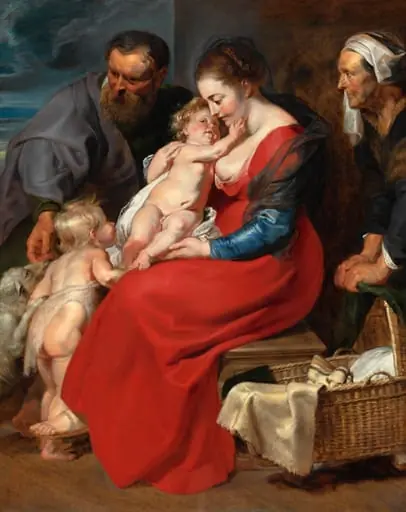 The Holy Family with Saints Elizabeth and John the Baptist
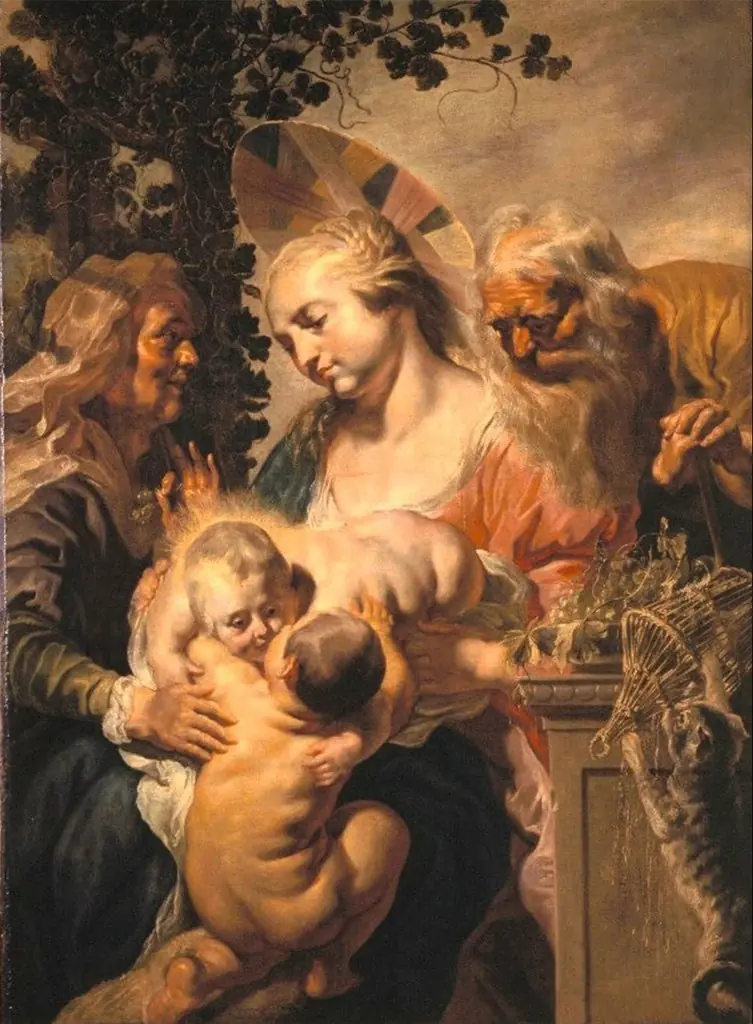 The Holy Family with St. Elizabeth and the Infant St John the Baptist